Dear readers, it is with a measured composure that I recount the chapters of my early life in Britain, not as a lament, but as a testament to the unyielding spirit that has propelled me forward. Born amidst the vibrant hues of Colombia, my existence was irrevocably altered when my then stepfather, under the guise of benevolence, orchestrated my horror. As I write this, it is 3rd November, 2025. It’s 22:50 and I am filling a form to access my medical records from the NHS. I am being asked to provide my full list of addresses where I have lived, and I had to Google the postcodes as I did not recall these. I came across the farm business the man who once adopted me owns, and I felt that I had to write about those times between 2006-2007 to finally let go and heal.
Advertisements
Subscribe to get access
Read more of this content when you subscribe today.
Jeffrey Dahmer was one of the most notorious serial killers in American history, responsible for the brutal murders of 17 young men between 1978 and 1991. His crimes shocked the nation and left many wondering how someone could commit such heinous acts. As with many serial killers, Dahmer’s childhood and upbringing played a significant role in shaping his psychopathic tendencies.
Advertisements
Dahmer was born in Milwaukee, Wisconsin in 1960 to a seemingly normal, middle-class family. However, his parents’ marriage was tumultuous and eventually ended in divorce when Dahmer was a teenager. This instability at home likely contributed to Dahmer’s feelings of isolation and detachment from those around him. Additionally, Dahmer struggled with feelings of inadequacy and low self-esteem, which may have fuelled his desire for control and dominance over his victims.
From a young age, Dahmer exhibited troubling behaviours such as a fascination with dead animals and a penchant for dissecting them. This early sign of a lack of empathy is a common trait among psychopaths and may have been a red flag for Dahmer’s future violent tendencies. As he grew older, Dahmer’s disturbing fantasies and desires escalated, leading him to commit his first murder at the age of 18.
One of the most chilling aspects of Dahmer’s psychology was his ability to compartmentalise his heinous actions. He was able to lead a seemingly normal life while secretly harbouring his dark desires and carrying out his murderous fantasies behind closed doors. This ability to present a facade of normalcy is a common trait among psychopaths, who often manipulate those around them to conceal their true nature.
Dahmer’s crimes were fuelled by a deep-seated need for control and power over his victims. He often drugged and sexually assaulted his victims before dismembering their bodies and keeping souvenirs as trophies. This desire for dominance and possession over his victims is a hallmark of psychopathic behaviour, as is the lack of remorse or empathy for their suffering.
In the end, Dahmer’s psychological profile remains a complex and disturbing case study in the world of forensic psychology. His ability to deceive those around him, his twisted fantasies, and his complete lack of empathy for his victims all point to a disturbed mind capable of unimaginable cruelty. While we may never fully understand the depths of his depravity, studying the psychology of Jeffrey Dahmer can provide valuable insights into the motives and behaviours of those who commit such heinous acts.
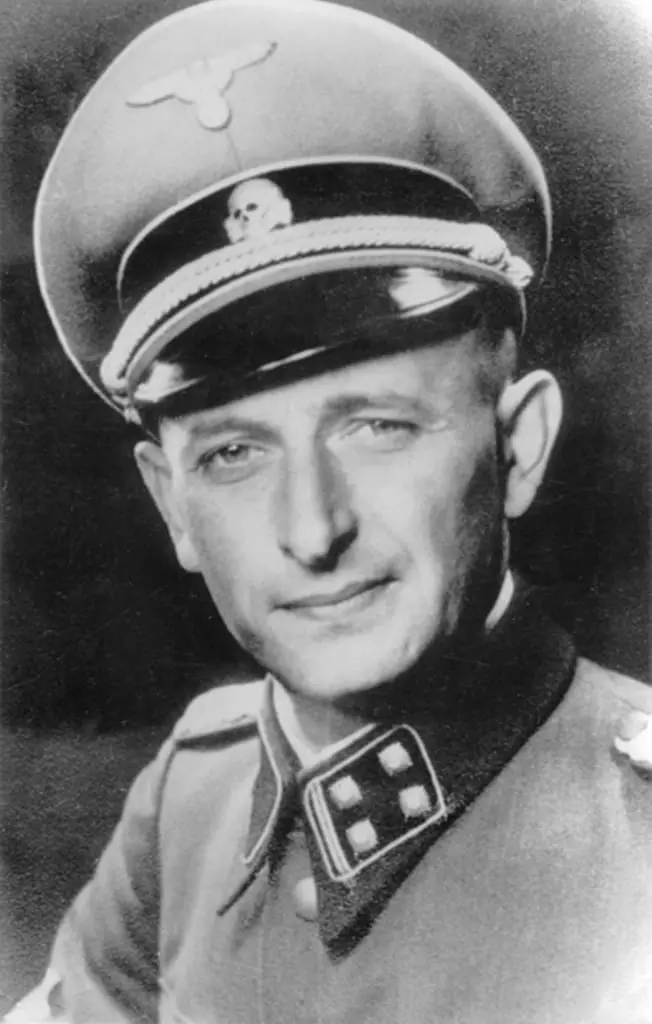
Adolf Eichmann’s name is synonymous with one of the darkest periods in human history – the Holocaust. As one of the key architects of the Final Solution, Eichmann’s role in orchestrating the systematic genocide of six million Jews is both horrifying and intriguing. Exploring the psychology behind Eichmann’s actions provides valuable insights into the workings of a mind capable of perpetrating such unspeakable atrocities.
Advertisements
The Banality of Evil
Hannah Arendt, a political theorist and philosopher, famously coined the phrase “the banality of evil” when referring to Adolf Eichmann. She argued that Eichmann’s demeanour and behaviour during his trial demonstrated how evil can exist in ordinary people without the presence of an inherent wickedness. Instead, Eichmann’s actions were rooted in his obedience to authority and his unwavering commitment to fulfilling his role within the Nazi regime.
Authoritarian Personality and Conformity
Eichmann’s personality was characterised by what psychologist Theodor W. Adorno referred to as the “authoritarian personality.” This personality type is often characterised by a deep-seated belief in unquestioned obedience to authority figures. Eichmann demonstrated a keen ability to follow orders, displaying unwavering loyalty to his superiors and meticulously executing their directives. This authoritarian mindset allowed him to compartmentalise his actions, maintaining a sense of detachment from the atrocities he was responsible for.
The Power of Conscience
Interestingly, Eichmann was not entirely devoid of conscience. During his trial, he often portrayed himself as a mere cog in the system, “just following orders.” He argued that he was not personally responsible for the genocide, as others held more significant power and made the ultimate decisions. This argument raises an ethical dilemma: to what extent can an individual hand over their moral responsibility to authority? Eichmann’s case reminds us of the immense power that authority figures and group dynamics can hold over an individual’s conscience.
The Role of Personal Motivations
While Adolf Eichmann claimed to be merely complying with orders, some historians argue that personal motivations played a role in his actions. Ambition, career advancement, and a deeply ingrained anti-Semitic ideology likely fuelled Eichmann’s zealous commitment to the Nazi cause. In this sense, Eichmann’s actions were not solely driven by a sense of duty but also by personal motivations, making the distinction between personal and institutional responsibility blurred.
Conclusion
Attempting to understand the psychology of Adolf Eichmann is a challenging and complex task. By delving into the depths of his obedience, conformity, and his ethical dilemmas, we can begin to unravel the psychological factors that contribute to the perpetration of evil acts. Eichmann serves as a haunting reminder that seemingly ordinary individuals, under the right circumstances, can actively participate in unimaginable acts of violence. Exploring the mindset of individuals like Eichmann can equip us with valuable knowledge to prevent such atrocities from recurring in the future.
The case of Ted Bundy, one of America’s most notorious serial killers, captivated the world with its chilling nature and the puzzling persona of the man behind it. Delving into the psychology of such individuals can shine a light on the underlying factors behind their heinous acts. In this blog post, we will explore the mind of Ted Bundy and attempt to understand what drove him to commit these horrific crimes.
Advertisements
Background
Theodore Bundy, often described as charming and charismatic, was responsible for the brutal murders of at least 30 young women during the 1970s. His modus operandi involved luring his unsuspecting victims, typically college-aged women, before subjecting them to unthinkable acts of violence. What makes Bundy’s case particularly intriguing is the stark contrast between his public image and his hidden sadistic nature.
Psychopathic Traits
To comprehend Bundy’s psychology, it is crucial to comprehend psychopathy, a personality disorder characterised by a lack of empathy, remorse, and the callous manipulation of others for personal gain. Many experts believe Bundy exhibited classic psychopathic traits, such as superficial charm, grandiosity, and a predilection for power and control.
Manipulation and Charm
Bundy’s ability to charm and manipulate others was instrumental in his reign of terror. His good looks, above-average intelligence, and eloquence helped him in gaining trust and access to his victims. By presenting himself as an affable and responsible individual, he successfully concealed his dark intentions, making it difficult for anyone to suspect that he was capable of such brutal acts.
Cognitive Dissonance
One puzzling aspect of Bundy’s psychology is his ability to compartmentalise his actions. Bundy led a double life, successfully maintaining a facade of normalcy while committing unspeakable acts behind closed doors. This phenomenon, known as cognitive dissonance, allowed him to rationalise and detach himself from the wrongfulness of his actions, preserving his self-image as charismatic and respectable.
Control and Power
Sexual gratification alone cannot adequately explain the motivation behind Bundy’s crimes. Instead, his choice of victims and the carefully planned nature of his attacks suggest that control and power held significant importance for him. For Bundy, the ability to dominate and exert control over his victims likely provided him with an intoxicating feeling of superiority and fulfilment— one that he may have craved but was unable to attain through conventional means.
Nature vs. Nurture
The influence of nature versus nurture in the development of Ted Bundy’s psychopathy is a subject of debate among experts. While some argue that Bundy may have been born with predispositions to violence, others believe that his turbulent childhood, which included adoption, abandonment issues, and a potential familial history of mental disorders, could have exacerbated his already existing psychological vulnerabilities.
Conclusion
Ted Bundy remains an enigma, representing a dark side of humanity that we often struggle to comprehend. While we may never fully understand the intricacies of his psychology, it is clear that his crimes were not the result of a one-dimensional explanation, but rather a complex interplay of psychological factors. Exploring the psychology of individuals like Bundy can help us gain insights into the minds of criminals and contribute to the prevention and understanding of such heinous acts in the future.
Exploring the mind of a criminal can often be a chilling and enlightening endeavour, and few individuals better exemplify this than Charles Manson. Notorious for orchestrating one of the most infamous murder sprees in history, Manson’s psychological makeup continues to captivate researchers, psychologists, and true crime enthusiasts alike. This blog post aims to delve into the disturbing psyche of Charles Manson, providing insight into his upbringing, manipulative tactics, and the psychological factors that contributed to his ability to command a cult-like following.
Advertisements
Early Life and Influences
Born on November 12, 1934, in Cincinnati, Ohio, Charles Manson’s troubled upbringing played a significant role in shaping his twisted worldview. Raised by a teenage mother with criminal tendencies, Manson experienced a nomadic and unstable childhood. Through his encounters with abusive foster homes, multiple stays in juvenile detention centres, and a general sense of alienation from society, Manson developed profound feelings of resentment towards authority figures and a distorted perception of reality.
Manipulation and Charisma
One of Manson’s most perplexing traits was his ability to manipulate and charm those around him. Gifted with an exceptional charisma and persuasive nature, he became skilled at exploiting individuals’ vulnerabilities and playing to their desires. By intertwining self-help philosophies, pseudo-religious ideologies, and apocalyptic visions, Manson created a seductive narrative that appealed to his followers’ sense of purpose and belonging.
The Formation of the Manson Family
In the late 1960s, Manson started gathering a group of mostly young, impressionable women who would eventually become known as the Manson Family. Inducing a psychological dependence through mind-altering drugs, sleep deprivation, and intense psychological manipulation, Manson was able to exert complete control over his followers. His ability to fragment their identities and mould their beliefs made them willing participants in a string of violent acts, culminating in the infamous Tate-LaBianca murders.
Psychological Factors: Narcissism and Antisocial Personality Disorder
To fully comprehend Manson’s actions, it is essential to explore the psychological disorders that influenced his behaviour. Many experts speculate that Manson suffered from narcissistic personality disorder (NPD) and antisocial personality disorder (ASPD). NPD likely contributed to his grandiose sense of self-importance, need for constant admiration, and lack of empathy towards others. ASPD traits, such as a lack of remorse or guilt, manipulative behaviour, and a disregard for societal norms, were also evident in Manson’s actions.
Final Thoughts
The case of Charles Manson exemplifies the dark extreme that human psychology can reach. Understanding the psychological factors that contributed to Manson’s ability to attract and control a group of followers allows us to ponder the implications regarding the power of manipulation and the human susceptibility to fall under the spell of a charismatic and disturbed mind.
As we seek to understand the mind of a criminal, it is vital to remember the countless victims of Manson’s heinous acts of violence. By studying individuals like Manson, we can strive to prevent the rise of future cult leaders and develop a deeper understanding of the intricate workings of the human psyche. In doing so, we move closer to creating a safer, more empathetic society for all.
The world of psychology has always sought to understand and delve into the minds of individuals who fall into the dark abyss of deviance and abnormal behaviour. In this blog post, we focus our attention on one of the most infamous and terrifying figures in American criminal history: John Wayne Gacy. Known as the “Killer Clown,” Gacy’s horrific acts shocked the world and left us questioning what leads someone down such a sinister path.
Advertisements
Early Life and Struggles
John Wayne Gacy was born on March 17, 1942, in Chicago. While his childhood seemed ordinary at first glance, it was fraught with struggles that would significantly influence his later actions. Gacy endured an abusive and difficult relationship with his father, who constantly belittled and provoked him. This volatile environment undoubtedly played a crucial role in shaping Gacy’s psyche and contributed to his deeply disturbed mental state.
Mask of Normalcy
Despite the circumstances of his upbringing, Gacy managed to create an outward persona of normalcy, using charm and charisma to mask his dark thoughts and intentions. He married and became a successful businessman, often dressing up as a clown to entertain children at various events. Little did the world know that behind the painted smile, a sinister predator lurked.
The Killer’s Inner Demons
To understand the psychology of John Wayne Gacy, one must delve into the depths of his inner demons. Gacy suffered from a particular type of personality disorder known as antisocial personality disorder, characterised by a lack of empathy, callousness, and disregard for the rights and feelings of others.
Additionally, Gacy harboured a deeply ingrained sexual attraction towards young males. His victims, mostly teenage boys, were lured into his web of deceit, often with the promise of work or generous compensation. Gacy’s desire for control, power, and dominance was satisfied by committing brutal and sadistic acts, escalating over time.
Psychological Profile
Gacy’s modus operandi showcased the manifestation of various psychological factors. He was a master manipulator, using his charisma and social connections to gain trust and establish control over his victims. Furthermore, his ability to compartmentalise his life, maintaining a ‘normal’ facade alongside his dark proclivities, exhibited a chilling detachment from reality.
The Root Causes
Certainly, the question arises, what drove Gacy to commit such heinous acts? While it is impossible to pinpoint a single cause, the combination of his abusive childhood, his unresolved issues with his sexuality, and his failure to develop healthy coping mechanisms likely contributed to his descent into criminality. His obsession with control and power, perhaps an attempt to compensate for his own feelings of powerlessness and insignificance, further underscores the complex psychological underpinnings behind his actions.
Final Thoughts
John Wayne Gacy’s monstrous acts and the psychological factors behind them will continue to captivate our collective imagination and ensure his place as a haunting reminder of the darkest corners of the human mind. Analysing his life and patterns of behaviour allows us to gain insights into the complex factors that contribute to the development and progression of extreme criminal behaviour.
As we strive to prevent future atrocities, it is crucial to study the psychology of infamous individuals like Gacy, understanding the factors that contribute to such aberrant behaviour and working towards early detection and intervention to protect society from those who walk among us, hiding their darkest secrets behind a mask of normalcy.
Crime has plagued our societies for centuries, leaving us questioning what could drive individuals to commit acts that harm others and disrupt the very fabric of our communities. Delving into the intricate world of criminal psychology, it becomes apparent that there is a multitude of motivations and drives that lead individuals down the path of illegal activities. Understanding the underlying reasons behind criminal behaviour is crucial for developing effective prevention strategies, rehabilitation programs, and ensuring a safer society for all.
1. Financial Motivations
One of the most common motivations for committing crimes is the pursuit of financial gain. From petty theft to organized crime networks, the allure of acquiring wealth can push individuals to engage in illegal activities. The pressures and strains of everyday life, coupled with socioeconomic disparities, can create an environment where individuals often resort to unlawful means to obtain resources.
2. Desire for Power and Control
Some individuals are driven by a pervasive need for control and dominance over others. Whether it is through acts of violence, manipulation, or coercive behaviour, the drive for power can manifest itself in various forms. These individuals often believe that their actions are justified, seeking to exert authority over others as a means to satisfy their psychological needs.
3. Addiction and Substance Abuse
Substance abuse can significantly contribute to criminal behaviour. Addiction alters brain chemistry, leading individuals to prioritise obtaining drugs or alcohol above all else. This leads to a host of crimes, including theft, burglary, or even violent acts, as individuals resort to illegal activities to sustain their addiction.
4. Peer Pressure and Social Factors
The influence of peer groups and social factors cannot be underestimated. The need to fit in, gain acceptance, or prove oneself can sometimes lead individuals to participate in criminal behaviour they might not have engaged in otherwise. Peer pressure, combined with a desire to belong, can push individuals to break the law, following the path set by their social circle.
5. Psychological Disorders and Mental Health
The presence of underlying psychological disorders can sometimes play a key role in criminal behaviour. Certain disorders, such as antisocial personality disorder, can impair an individual’s ability to empathise with others or understand the consequences of their actions. While not all individuals with psychological disorders commit crimes, it becomes crucial to address mental health issues as part of a holistic approach to crime prevention.
Conclusion
Examining the motivations and drives that lead individuals to commit crimes opens a window into the complex realm of criminal psychology. By understanding these underlying factors, society can develop targeted prevention strategies, rehabilitative programs, and support systems to address some of these root causes. By providing individuals with alternative paths, access to education, employment opportunities, and mental health support, we can foster a society that focuses on prevention rather than punishment. Ultimately, promoting understanding and empathy can pave the way for a safer and more inclusive world.