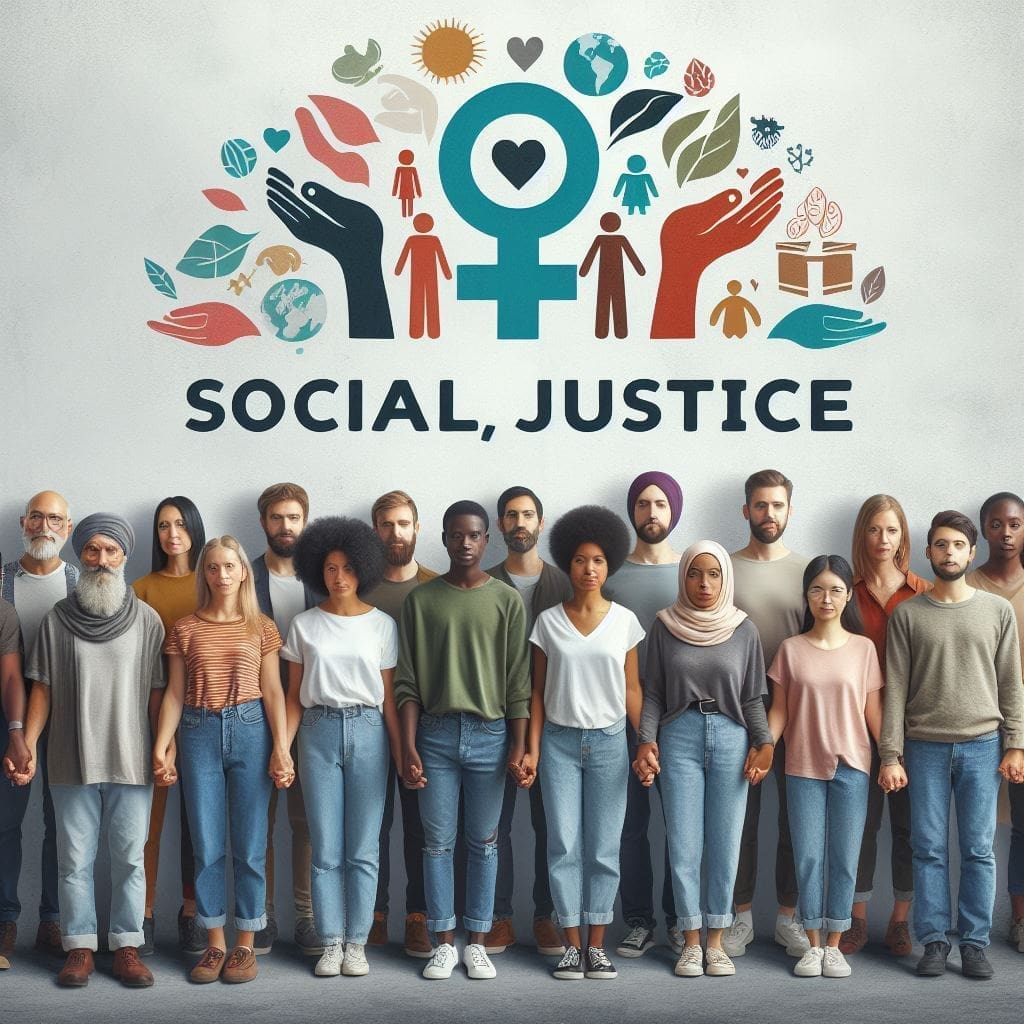
In a world where discussions on social justice and equal opportunities take centre stage, it becomes crucial to delve deeper into the psychology behind equality and equity. While the two concepts resonate with our innate sense of fairness, understanding their implications and how they affect individuals and societies is essential to foster a more inclusive and just world.
Defining Equality and Equity
Before we explore their psychological aspects, let’s define equality and equity. Equality refers to the state of being equal, treating everyone the same way, irrespective of their circumstances or needs. On the other hand, equity acknowledges that individuals have different circumstances and adjusts support systems accordingly, aiming to provide everyone with a fair chance to succeed.
The Psychological Impact of Equality
Equality, as a concept, appeals to us on a fundamental level. It aligns with our innate desire for fairness, fostering a sense of justice and harmony within a society. When individuals are treated equally, they experience a sense of belonging, trust, and psychological safety. This can lead to increased self-esteem, motivation, and overall well-being, allowing individuals to thrive, assert themselves, and contribute effectively.
The Psychological Impact of Equity
Equity acknowledges the unique circumstances and needs of individuals, addressing the inequalities that limit opportunities. By providing tailored support to those who require it, equity aims to level the playing field, promoting equal access to resources, education, and opportunities. The psychological impact of equity results in reduced feelings of marginalisation, enhanced confidence, and a stronger sense of empowerment. When people perceive fairness and an equitable distribution of resources, they are more likely to engage actively and contribute positively to society.
The Challenges of Implementing Equality and Equity
While equality and equity sound ideal, their implementation is often complex and challenging. Individuals, institutions, and societies may struggle with biases, unconscious prejudices, or systemic hurdles that diminish the efforts to achieve fairness. Additionally, there is a risk of unintended consequences arising from attempts to achieve equality, as blanket policies may overlook individual differences or specific requirements. To overcome these challenges, awareness, education, and introspection are crucial. By fostering a culture of inclusivity, where different circumstances and perspectives are valued, we can build a foundation for equality and equity to thrive.
The Importance of Balancing Equality and Equity
Both equality and equity cater to different individual and societal needs, and, ideally, a balance between the two should be sought. While equality ensures fairness through sameness, equity acknowledges the importance of providing additional support to those who require it. By embracing this duality, we can achieve a cohesive and just society where equal opportunities are coupled with tailored support, enabling individuals to reach their full potential.
Conclusion
Understanding the psychology of equality and equity is essential for building a fair and inclusive world. Recognising the impacts that both concepts have on individuals and society allows us to navigate the complexities in striving for fairness. As we continue to advocate for equality and equity, let us remember that equal treatment and customised support can coexist harmoniously to create a society where all individuals can flourish, irrespective of their circumstances.
Share this:

You Might Also Enjoy Reading