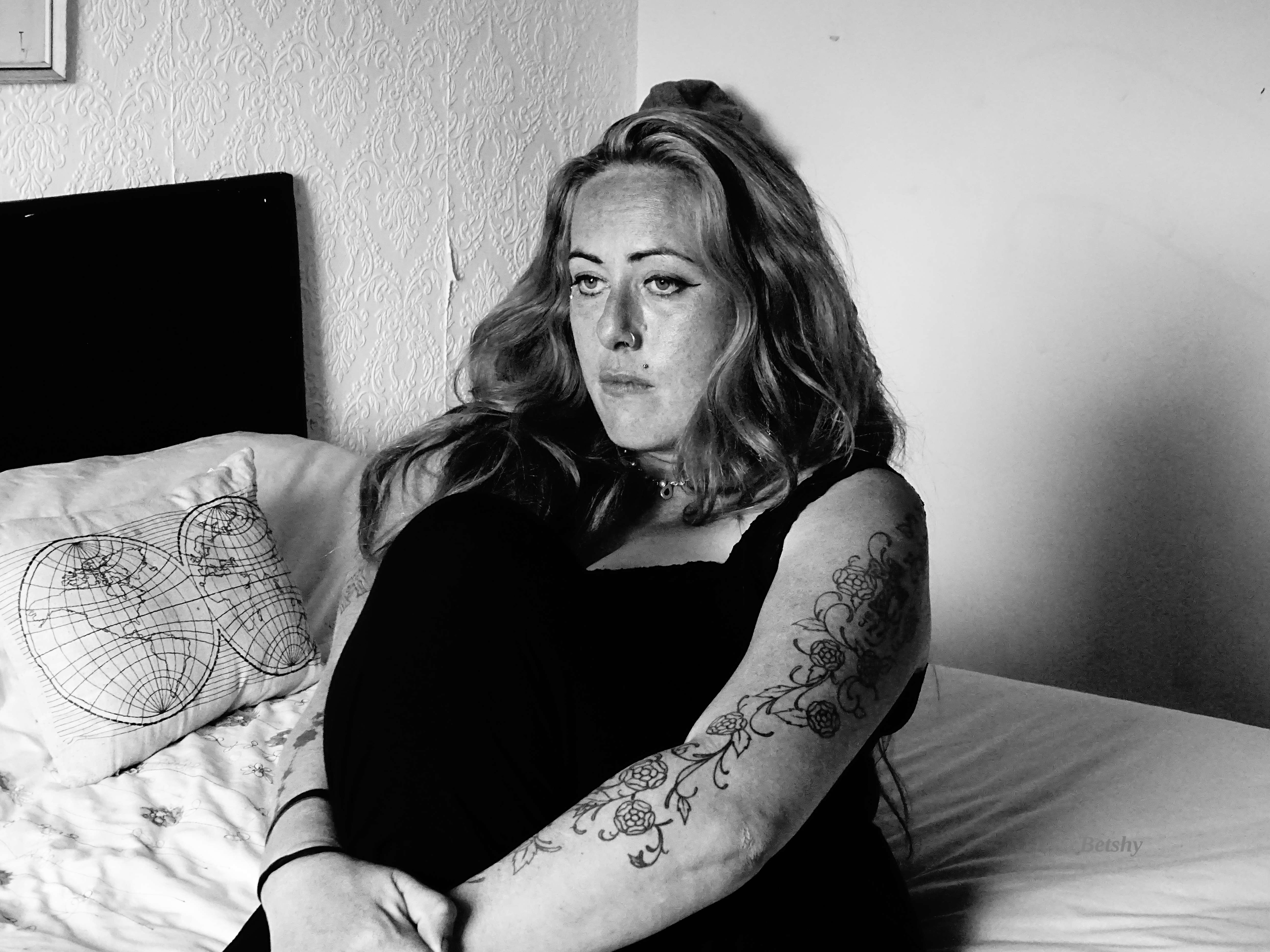
Domestic abuse takes a toll on victims, and they experience all sorts of maladies as a result of the abuse they were put through, both in the short term and in the long term. This blog post will inform the reader about the health impacts that domestic abuse can have on adults and children.
Impacts on Adults
Individuals affected by domestic abuse often present with depression, and are more susceptible to suicidal ideation, post-traumatic stress disorder (PTSD), other stress and anxiety disorders, insomnia, and eating disorders. They also have low self-esteem and confidence levels. Furthermore, domestic abuse can change the victim’s behavioural temperament permanently, especially when the victim is a child. Research shows that when children are abused, as early as adolescence they can engage in hypersexual, promiscuous, or disinhibited behaviours, as well as risky behaviours such as using illicit drugs, drinking heavily, and/or smoking.
Moreover, women who were sexually abused as children find it particularly difficult to connect in appropriate or safe ways, and are more prone to allowing abusive relationships to enter their lives. It is believed that this happens because these traumatised women cannot distinguish between men who show affection, and men who make sexual advances. For instance, they may think that expressions of affection or support are sexual advances and might respond sexually, and/or might think that expressions of sexual desire are ‘love’ and respond romantically. What this tells us is that individuals already affected by mental health problems as a result of their traumas are more vulnerable to being domestically abused, and likewise those experiencing domestic abuse are more likely to get mental health problems.
Domestic abuse can cause physical illness whether as a result of actual bodily harm (ABH), the stress associated with the abuse, and/or risky behaviours. ABH includes cuts, bruises, burns, bites, broken bones or teeth, as well as severe head injuries and damage to the eyes, ears, chest and abdomen. All these forms of ABH can consequently lead to long-term illness, disability, and/or death. If the victim is pregnant, domestic abuse can trigger a miscarriage or harm the fetus. Furthermore, sexual abuse can damage the genital, pelvic, and urinary areas whether through brute force or the transmission of infections. Risky behaviour can also lead to sexually transmitted diseases, self-injury, as well as other health problems associated with substance abuse.
Physical symptoms worsen mental health problems, and mental health problems also worsen physical symptoms. This is why people who already have disabilities-especially women- are more likely to be abused than non-disabled individuals due to their vulnerability regardless of whether the disability is motor, mental, or intellectual (SafeLives, n.d.). Perpetrators see vulnerability as an opportunity, and seek to exploit this deliberately.
All this is without mentioning yet the health impacts of female genital mutilation (FGM) which are devastating. Not only can FGM lead to all of the above mental health symptoms, it can also lead to tremendous physical impairments such as severe and long-term pain, infections, difficulty in walking or having sex; bleeding, cysts and abscesses from the wounds; difficulty urinating or experiencing incontinence, life-threatening complications during pregnancy and childbirth, infertility, and/or death.
Impacts on Children
Children are very vulnerable to distress, and this is why experiencing and/or witnessing domestic abuse can be severely traumatising for them. They might develop symptoms of anxiety and depression, have nightmares or intrusive flashbacks, clinical fear, behaviour that challenges, regression, aggression, withdrawal or lack of engagement, low self-esteem, self-harm, suicidal ideation, risky behaviours, and eating disorders. Indeed, when children are made to feel scared, confused and powerless; this can be introjected and a reaction formation can happen leading children to behave in similar ways to the perpetrator.
Children also experience physical symptoms when they have been exposed to domestic abuse. They might experience similar symptoms to adults such as injuries that can cause concussion or brain damage. They undergo epigenetic changes with every adverse experience, and they might become neglected, underfed, and unwashed if they are in an abusive environment. Moreover, they may present with bed-wetting difficulties, stomach and headaches, and a disrupted circadian rhythm. They might also present with self-injury, or injury obtained through risky behaviours.
Finally, children go through very intense transitions after domestic abuse has been exposed. They might have to move home, and away from friends. They might also experience a disruption to their education. They might develop an attachment trauma after they lose the abusive family member who they might not have perceived as abusive. They might find the conviction of the abusive relative traumatic. They may experience a change in quality of life, and in the worst case scenarios they might be separated from their parents and placed in foster care. All these factors increase the chances of developing health problems.
There are many barriers to disclosure of domestic abuse. One reason why many individuals stay in abusive relationships and/or do not report domestic is because of their own subjective feelings such as fear of consequences if they leave the relationship (e.g. dependencies), grief which manifests as feelings loss for the relationship they wanted and/or thought they had, denial of what is actually happening to them, self-blame for the abuse they are receiving (perpetrators tend to blame the victim), shame about what others might think if they found out about the individual’s situation, and guilt over their inability to prevent or stop the abuse, as well as of others witnessing the abuse (e.g. children). Furthermore, another reason why individuals do not report domestic abuse, is that they feel that the local authorities will not take them seriously (many women do report it and perpetrators still get away with their crimes), so they experience subjective feelings of hopelessness that ‘nothing would get done anyway.
Another reason why people do not report domestic abuse is due to societal perceptions. The way society is known to perceive and deal with victims is awful. Individuals can experience fears that no one will believe them, or that there will be impunity. They might have no faith in justice due to personal experiences, or/and exposure to high profile cases where victims were torn apart either by the criminal justice process or by the media and tabloids. Furthermore, societal perceptions of gender mean that men will feel ashamed to disclose their experiences. Similarly, homophobic perceptions lead to LGBTQ+ individuals hiding their experiences due to their private sexual orientation. And, cultural perceptions can lead to all sorts of subjective reluctance to report domestic abuse, as individuals might be afraid of repercussions, embarrassment, or honour-based abuse.
Apart from all of the above, there are several identifiable factors that affect the disclosure of domestic abuse. These are:
Stereotypes
These are generalised subjective beliefs that individuals have about the world, which influence how they perceive others. Because there are so many misconceptions and false stereotypes of victims of domestic abuse, such as that they are weak, poor, and submissive women without education and living in social housing; many people might be unable to relate to this, and therefore they might find it more difficult to identify their experiences as a domestic abuse; or they might feel that no one will believe them because they do not fit the stereotype. Furthermore, since there is so much stigma associated with these misconceived stereotypes, individuals might not want to be perceived in such a way, and so might not disclose their experiences. Finally, those who do relate to the stereotype might feel that it is normal because of their circumstances to report the abuse, and might feel hesitant to disclose due to how they believe they are perceived. All these misconceptions can lead to victims isolating, and losing hope.
Labelling
Because of the stigma associated with the word ‘victim’ (i.e. stereotypes), individuals do not want the label ‘victim’ added to their subjective identity, even if indeed they are victims. They might subsequently fear other associative labels such as ‘weak’, ‘stupid’, ‘dramatic’, ‘crazy’ or ‘bad mother’.
Stigma
Many victims are aware of the stigma, and feelings of shame come with this. They might rather stay in that relationship than risk becoming stigmatised (e.g. men might feel that people will make fun of their masculinity for speaking up).
Discrimination
Victims might fear that due to the current awful status of justice in our society, they will be discriminated against if they disclose their experiences of domestic abuse. They might also fear that others will attribute negative and unfair stereotypes to them, or fear that they will be excluded or marginalised as a result of their seeking support from their social network and/or community.
Victim Blaming
Finally, because of the toll that domestic abuse has on victims, individuals experience subjective feelings of self-blame. They might already have been constantly blamed by their perpetrators and might fear that other people will also blame her. Moreover, some cultural traditions do blame women for making decisions such as leaving an abusive relationship, and so victims might genuinely get blamed by relatives or their community if they disclose their ordeal, making it less likely that they will seek support (honour-based abuse).
In conclusion, there are many reasons why people do not report domestic abuse, and many factors which prevent victims from disclosing their ordeals. Stereotypes and the stigma created by these is a major theme when it comes to lack of disclosure. The system at times fails victims, and the dark figure of crime is ever present.
The following common situational factors tend to contribute to the risk of domestic abuse, and tend to be elements that victims report. Some of these aspects, we already have talked about in this blog:
Advertisements
When individuals are experiencing the close monitoring that comes with coercive control, there is a higher likelihood of other forms of domestic abuse occurring such as physical and economic abuse.
When individuals experience adverse family circumstances where elements of financial problems, unemployment, alcohol or substance use disorder are present, there is a higher likelihood of domestic abuse occurring.
When individuals are connected to adversecultural traditionssuch as female genital mutilation (FGM), forced marriage, or honour-based abuse; there is a higher likelihood for other forms of domestic abuse to take place. The more patriarchal the culture, the more risks there are.
When individuals are connected to adverse community circumstances such as community aggression, violence, fear of others, a distrust of authority figures (e.g. police), poor housing, low socio-economic status, low education levels, and poor access to support services and facilities; there is a higher likelihood of domestic abuse occurring and individuals might have no option to turn to in the case of domestic abuse taking place.
When there are individuals who are traumatised and display behaviour that challenges such as risky behaviour, this might lead to an escalation of domestic abuse at home and other interpersonal conflict. Sadly, the risk is also increased by these situational factors.
When there are people who have financial constraints, they are more likely to stay stuck in an abusive environment or relationship, and more likely to depend on a perpetrator. Therefore, financial problems increase the likelihood of domestic abuse occurring.
When there areindividuals who are isolated from their social networks, they become more vulnerable, suggestible, and the risk of domestic abuse increases.
DID YOU KNOW?
When a perpetrator has a history of being domestically abusive, sadistic, and/or controlling; there is a potential for recidivism to occur. This is why since 2014, victims have a right to make a request to the police for a disclosure of any history of domestic abuse from their partner. This is to prevent the perpetrator from reoffending by giving potential victims a heads up about what could happen in their relationship, as it is known that perpetrators of domestic violence rarely change. According to the Home Office (2022), ‘The Domestic Violence Disclosure Scheme (DVDS), also known as “Clare’s Law” enables the police to disclose information to a victim or potential victim of domestic abuse about their partner’s or ex-partner’s previous abusive or violent offending’. This was implemented in 2014 across all police forces in England and Wales after 36 year old Clare Wood was murdered in 2009 (BBC News, 2014). Clare was strangled and set on fire by her obsessive exboyfriend George Appleton at Salford, and it was concluded that she received no support from the local authorities even though George had a history of violence against women (VAW; BBC News, 2011).
A perpetrator can isolate a victim from family and friends in order to have control over her mind. He may do this to ensure that the victim receives no external support from her network, and is therefore more suggestible and vulnerable to his tactics. Even if the perpetrator is unreliable in many ways, he wants the victim to feel that she needs him, and that she has to depend on him. Victims affected by this form of coercive control often gradually lose touch with their networks as the perpetrator’s demands for time and attention increase. This perpetrator wants to jail his victim, and will use manipulative techniques to make the victim feel guilty for not meeting his needs. This jailer wants to take over the victim’s life and wants the victim to leave her studies and/or job. The isolated victim loses touch with herself, and experiences low levels of self-esteem and confidence. Eventually, the victim can also lose all ability to make her own decisions, and will do as the perpetrator wants. Due to these interpersonal experiences of coercive abuse, the victim might develop social anxiety and might become further alienated into the perpetrator’s world. Therefore, isolation is one of the many risk factors for domestic abuse.
So what other risk factors are there? Even though domestic abuse can happen to anyone, protected characteristics under the Equality Act 2010 are also risk factors when it comes to domestic abuse. All these characteristics can increase the the likelihood of isolation, and can place victims at serious risk. Depending on the intersectionality of characteristics, some people might be more at risk of being abused than others. For instance, the evidence suggests that women are more at risk of being domestically abused than men, and that transgender and non-binary individuals also experience experience higher rates of domestic abuse. Therefore, it can be said that gender is a risk factor.
Furthermore, having mental health problems makes individuals more vulnerable and suggestible. Perpetrators of domestic violence look to exploit a victim’s vulnerabilities, and will prey on those who are either depressed or anxious. Individuals affected by this type of abuse tend to become isolated as a result of coercive control, and might find it more difficult to access support. Therefore, it can be said that mental illness is a risk factor.
Moreover, many perpetrators use religious beliefs as an excuse to engage in domestic abuse. For example, the perpetrator might tell the victim that the Bible says that women should be submissive to men, or that Dharma requires constant hedonism and sexual exploitation (e.g. cult leaders). Whatever the beliefs, perpetrators can sometimes make it difficult for the victims to reclaim their subjectivity, and will subjugate the victims based on these beliefs. The victim might also have different beliefs to her perpetrator, and this might escalate the abuse. Therefore, religion is a risk factor.
Also, a lot of perpetrators are homophobic and will abuse anyone who deviates from heterosexuality, at times even using punishment against the LGBTQ+ victim. The evidence shows that LGBTQ+ individuals experience higher rates of abuse due to their vulnerabilities, with bisexual women being the most affected group. Therefore, sexual orientation is a risk factor.
What’s more, many perpetrators abuse those whose age means they are more vulnerable, and indefensible, such as children and elderly people. These predators may get children or young people to commit acts to which they cannot give consent to as a result of immaturity (e.g. child sexual abuse). Therefore, age is a risk factor.
Furthermore, when people are ill or disabled, they are more vulnerable to harm. Perpetrators can at times exploit this vulnerability. The victim might feel like they are a burden to the perpetrator and might find it difficult to leave due to dependencies (e.g. financial factors). Therefore, disability is a risk factor when it comes to domestic abuse, and victims are more likely to experience such abuse for a prolonged period of time.
Finally, perpetrators at times exploit the vulnerabilities of those with a different ethnicity. For instance, if a person’s immigration status is uncertain, they might stay in a relationship out of fear of losing their visa. Also, those who do not speak English might find it harder to communicate their ordeals. Moreover, some cultures practise disturbing traditions such as female genital mutilation (FGM) and women with these cultural connections are more likely to experience abuse, including forced marriage and honour-based abuse. When it comes to forced marriage, children from specific cultures are more likely to experience childhood sexual abuse as a result of forced child marriage. Therefore, ethnicity is a major risk factor when it comes to domestic abuse.
In conclusion, the protected characteristics of the Equality Act 2010 can each be risk factors to potential domestic abuse, and it is important now more than ever that these characteristics are taken into account when safeguarding human beings. Furthermore, isolation is a major risk factor and a common trait which intersects with protected characteristics of identity.
Every person’s perception of what constitutes abuse is different. Some victims stay and accept their predilection, whilst others fight and/or leave. Some victims succeed in leaving, whilst others are killed in the process. Domestic abuse has statutory definitions that give an objective scope which applies to everyone in the jurisdiction, whether they have insight into their realities or not. According to the Crown Prosecution Service (n.d.), domestic abuse can be defined as ‘any incident of controlling, coercive or threatening behaviour, violence or abuse between those aged 16 or over who are or have been intimate partners or family members, regardless of their gender or sexuality’. This short definition has it within its scope that domestic abuse is something that happens in everyday life.
Domestic abuse does not always entail physical violence. Psychological abuse has been hypernormalised in our societies, and every day forms of sadism are quite common and ingrained in policies and procedures. Furthermore, domestic abuse is relevant to the police, and thinking that it should stay behind closed doors is another misconception. Domestic abuse happens all the time, everywhere, and thinking that it is rare is another misconception. Domestic abuse is not always a crime of passion, and sometimes it is slow, prolonged and premeditated. Thinking that domestic abuse is always a loss of control is a misconception. Disagreements are not equivalent to abuse. Whilst disagreements are normal, abuse is not normal. Moreover, thinking that domestic abuse is only perpetuated by strangers is another major misconception. Finally, domestic abuse happens to all groups and classes of society. Assuming that it only happens to poor people is another misconception.
Globally, the United Nations (n.d) defined domestic abuse as ‘a pattern of behaviour in any relationship that is used to gain or maintain power and control over an intimate partner. Abuse is physical, sexual, emotional, economic or psychological actions or threats of actions that influence another person. This includes any behaviors that frighten, intimidate, terrorize, manipulate, hurt, humiliate, blame, injure, or wound someone. Domestic abuse can happen to anyone of any race, age, sexual orientation, religion, or gender. It can occur within a range of relationships including couples who are married, living together or dating. Domestic violence affects people of all socioeconomic backgrounds and education levels’. Based on this definition, it can be said that domestic abuse is a form of sadism, as the latter is all about the subjugation of the victim.
Locally, the Devon & Cornwall Police (2020) define domestic abuse as ‘the misuse of power and control by one person over another. This controlling behaviour may be exerted in various ways, such as through physical violence, emotional and/or psychological manipulation, forcing sexual acts or taking over your finances. It can begin at any time, can be obvious or subtle and can happen suddenly or gradually. It can happen to anyone regardless of class, age, race, religion, culture, disability, sexual orientation or lifestyle’. Based on this definition, it can be said that those who engage in domestic abuse are also engaging in sadistic behaviour.
There are some misconceptions about victims of domestic abuse, such as believing that the victim wants to be abused because they are not able to leave the relationship, that the victim should leave the relationship if they want help from statutory services, that the victim is at fault for the criminogenic behaviours of their abuser, that only women are victims of domestic abuse, that women lie about their abuse, that some people/women are attracted to abusive people/men, and that some people like the violence in their relationship (e.g. rough sex defence). For instance, the Home Office (2022) published a policy paper explicitly stating that ‘consent to serious harm for sexual gratification’ is not a defence. Justice Minister Alex Chalk is cited saying ‘No death or other serious injury – whatever the circumstances – should be defended as ‘rough sex gone wrong’ which is why we are making it absolutely clear that this is never acceptable. Perpetrators of these crimes should be under no illusions – their actions will never be justifiable in any way, and they will be pursued rigorously through the courts to seek justice for victims and their families’. This means that even if a person consents to rough sex, if their partner abuses them to the point actual bodily harm (ABH), then this is by law a crime. This will give women more clarity on what constitutes appropriate touch, sex, and when to identify abuse and report abuse. Furthemrore, Keir Starmer (2013) published an article on The Guardian stating that false allegations of rape and domestic violence were rare. This shows the importance of taking all allegations seriously.
What’s more, there are also misconceptions about the perpetrator such as believing that alcohol and drugs excuse such behaviours, that their abusive childhoods justify their behaviours, that mental health problems excuse domestic abuse, that they only attack because they are stressed out, that it is only a loss of temper on the abuser’s part, that just because they engage in domestic abuse does not mean they are bad parents (such as a father who abuses a mother and a child witnesses it), and that all abusers are men.
The National Office for Statistics (ONS; 2021a) reported in November that domestic abuse as recorded by the police in England and Wales rose by 6%. There were 845, 734 events. There were 33 arrests per 100 cases. Yet, even though these rates increased, referrals to the Crown Prosecution Service (CPS) decreased by 3%. Furthermore, convictions decreased by 70%. This shocking evidence proves that even though the problem is increasing, the UK state apparatus is dealing less and less with the problem. The ONS (2021b) reports that 37.7% of offences were of violence against the person, and 18.8% of offences were of sexual nature. 72.3% of victims of violence were female whilst 27.7% were male, and 93.4% of victims of sexual offences were female, whilst only 6.6% were male. This shows that the issue of violence against women in England and Wales is far from being resolved.
Moreover, moving more locally, the ONS (2021b) reports that there were 20,905 crimes of domestic abuse reported to the Devon & Cornwall police in the year ending 2021. This accounted for a 23.1% of total recorded crime. This saw a significant longitudinal increase in domestic abuse related crime from previous years. It went from 13.8% in the year ending in 2016 to 23.1% in 2021, increasing by over 9% in the past 5 years. There were 16, 464 offences of violence against the person, accounting for 41.1% of domestic abuse related crimes. This also saw a significant increase in the past few years.
There are four aspects that influence perceptions of domestic abuse: (1) the media, which often distorts information by not always identifying incidents of domestic abuse, sensationalising the reality of more subtle abuse and only focusing on more violent crime. Furthermore, the media also downplays the role of the perpetrator and sometimes attributes responsibility to the victim suggesting that the perpetrator was triggered. Moreover, because we live in a patriarchal world, the media sometimes covers more stories of violence against men, even though violence against women is most common. Finally, the media also sensationalises class, making it look like domestic abuse only happens in poor families; (2) religion, which has sets of dysfunctional beliefs which reinforce abusive practice such as the idea that honour-based abuse or forced marriage is acceptable, that women are inferior and should be submissive to men, that men as family heads should take disciplinary action at home against the rest of the family, that divorce is wrong, and that homosexuality is a sin; (3) culture, which has social norms that directly impact on perceptions of domestic abuse such as the ideas that men should assert power over women because they are ‘superior’, that the restriction of women’s movements/activities is acceptable, that women should accept physical violence as a method for conflict resolution, that women are responsible for the marriage working, that domestic abuse should never be spoken about (i.e. making it a taboo topic), that anyone who wants divorce should be ashamed of themselves, that brides should be bought and exchanged as if they were cattle (e.g. Iraq), that honour is dependent on female sexual behaviour, and that traditions such as forced marriage and female genital mutilation are normal; and (4) personal experience which influences perceptions of relationships, especially when people have lived experience in domestic abuse. Depending on their level of insight, some may fully reject abusive behaviour whilst others might accept it as a normal part of life.
Did you know…
The Matrimonial Causes Act (1978) made it possible for women to be legally separated from their abusive husbands, and the Domestic Violence and Matrimonial Proceedings Act (1976) enabled women to apply for court orders against their abusive husbands. In 1985, there were laws against female genital mutilation. In 1994 rape became illegal within a marriage, and in 2004 common assault became an arrestable offence. Police stations created dedicated Domestic Violence Units with specialist staff in the late 80s and early 90s. Moreover, the Protection from Harassment Act (1997) implemented measures against stalking and threats of violence, and the Domestic Violence, Crime, and Victims Act (2004) made stricter sentences so couples of the same sex could also apply for injunctions. In 2002, children were allowed to be removed from the home if they were witnesses of domestic abuse. In 2014, Clare’s law (named after Clare Wood) allowed the police to give details to potential victims of their partner’s abusive history in order to prevent abuse. In 2015 coercive control and revenge porn became illegal, and finally, the Domestic Abuse Act (2021) created a statutory definition of domestic abuse.
References
Crown Prosecution Service (n.d.) ‘Foreword From Kate Brown, CPS Lead for Domestic Abuse’, Domestic Abuse [Online]. Available at https://www.cps.gov.uk/crime-info/domestic-abuse (accessed 7th February 2022).