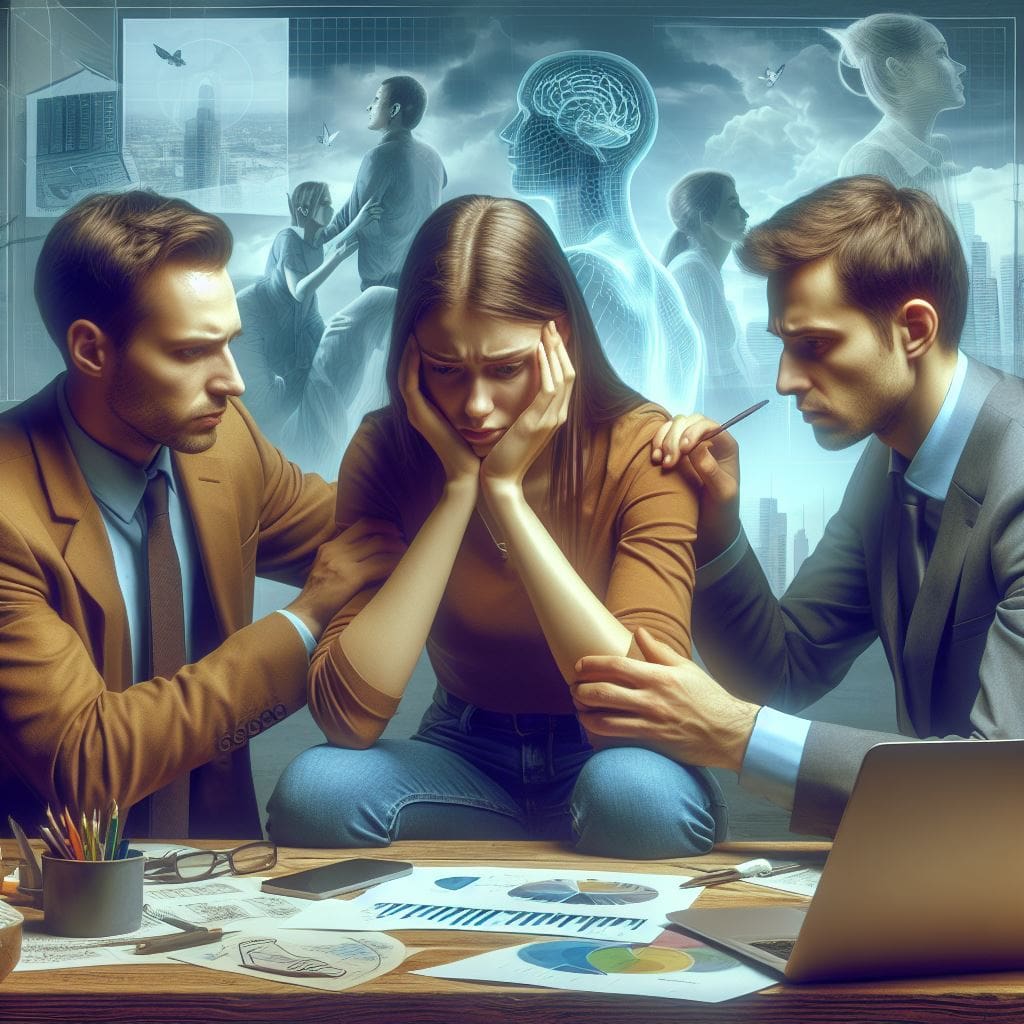
There are many barriers to disclosure of domestic abuse. One reason why many individuals stay in abusive relationships and/or do not report domestic is because of their own subjective feelings such as fear of consequences if they leave the relationship (e.g. dependencies), grief which manifests as feelings loss for the relationship they wanted and/or thought they had, denial of what is actually happening to them, self-blame for the abuse they are receiving (perpetrators tend to blame the victim), shame about what others might think if they found out about the individual’s situation, and guilt over their inability to prevent or stop the abuse, as well as of others witnessing the abuse (e.g. children). Furthermore, another reason why individuals do not report domestic abuse, is that they feel that the local authorities will not take them seriously (many women do report it and perpetrators still get away with their crimes), so they experience subjective feelings of hopelessness that ‘nothing would get done anyway.
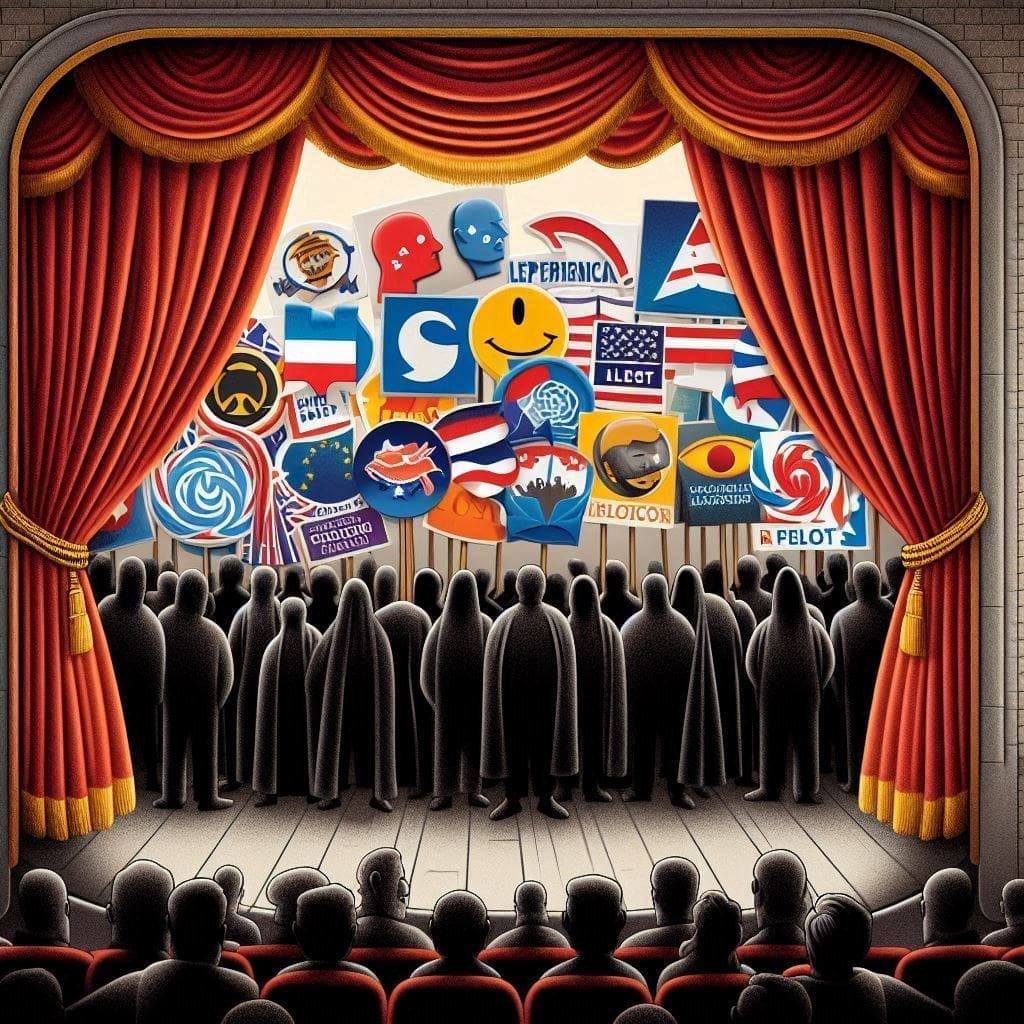
Another reason why people do not report domestic abuse is due to societal perceptions. The way society is known to perceive and deal with victims is awful. Individuals can experience fears that no one will believe them, or that there will be impunity. They might have no faith in justice due to personal experiences, or/and exposure to high profile cases where victims were torn apart either by the criminal justice process or by the media and tabloids. Furthermore, societal perceptions of gender mean that men will feel ashamed to disclose their experiences. Similarly, homophobic perceptions lead to LGBTQ+ individuals hiding their experiences due to their private sexual orientation. And, cultural perceptions can lead to all sorts of subjective reluctance to report domestic abuse, as individuals might be afraid of repercussions, embarrassment, or honour-based abuse.
Apart from all of the above, there are several identifiable factors that affect the disclosure of domestic abuse. These are:
Stereotypes
These are generalised subjective beliefs that individuals have about the world, which influence how they perceive others. Because there are so many misconceptions and false stereotypes of victims of domestic abuse, such as that they are weak, poor, and submissive women without education and living in social housing; many people might be unable to relate to this, and therefore they might find it more difficult to identify their experiences as a domestic abuse; or they might feel that no one will believe them because they do not fit the stereotype. Furthermore, since there is so much stigma associated with these misconceived stereotypes, individuals might not want to be perceived in such a way, and so might not disclose their experiences. Finally, those who do relate to the stereotype might feel that it is normal because of their circumstances to report the abuse, and might feel hesitant to disclose due to how they believe they are perceived. All these misconceptions can lead to victims isolating, and losing hope.
Labelling
Because of the stigma associated with the word ‘victim’ (i.e. stereotypes), individuals do not want the label ‘victim’ added to their subjective identity, even if indeed they are victims. They might subsequently fear other associative labels such as ‘weak’, ‘stupid’, ‘dramatic’, ‘crazy’ or ‘bad mother’.
Stigma
Many victims are aware of the stigma, and feelings of shame come with this. They might rather stay in that relationship than risk becoming stigmatised (e.g. men might feel that people will make fun of their masculinity for speaking up).
Discrimination
Victims might fear that due to the current awful status of justice in our society, they will be discriminated against if they disclose their experiences of domestic abuse. They might also fear that others will attribute negative and unfair stereotypes to them, or fear that they will be excluded or marginalised as a result of their seeking support from their social network and/or community.
Victim Blaming
Finally, because of the toll that domestic abuse has on victims, individuals experience subjective feelings of self-blame. They might already have been constantly blamed by their perpetrators and might fear that other people will also blame her. Moreover, some cultural traditions do blame women for making decisions such as leaving an abusive relationship, and so victims might genuinely get blamed by relatives or their community if they disclose their ordeal, making it less likely that they will seek support (honour-based abuse).
In conclusion, there are many reasons why people do not report domestic abuse, and many factors which prevent victims from disclosing their ordeals. Stereotypes and the stigma created by these is a major theme when it comes to lack of disclosure. The system at times fails victims, and the dark figure of crime is ever present.
Photo by Lucxama Sylvain from Pexels
Share this:

You Might Also Enjoy Reading