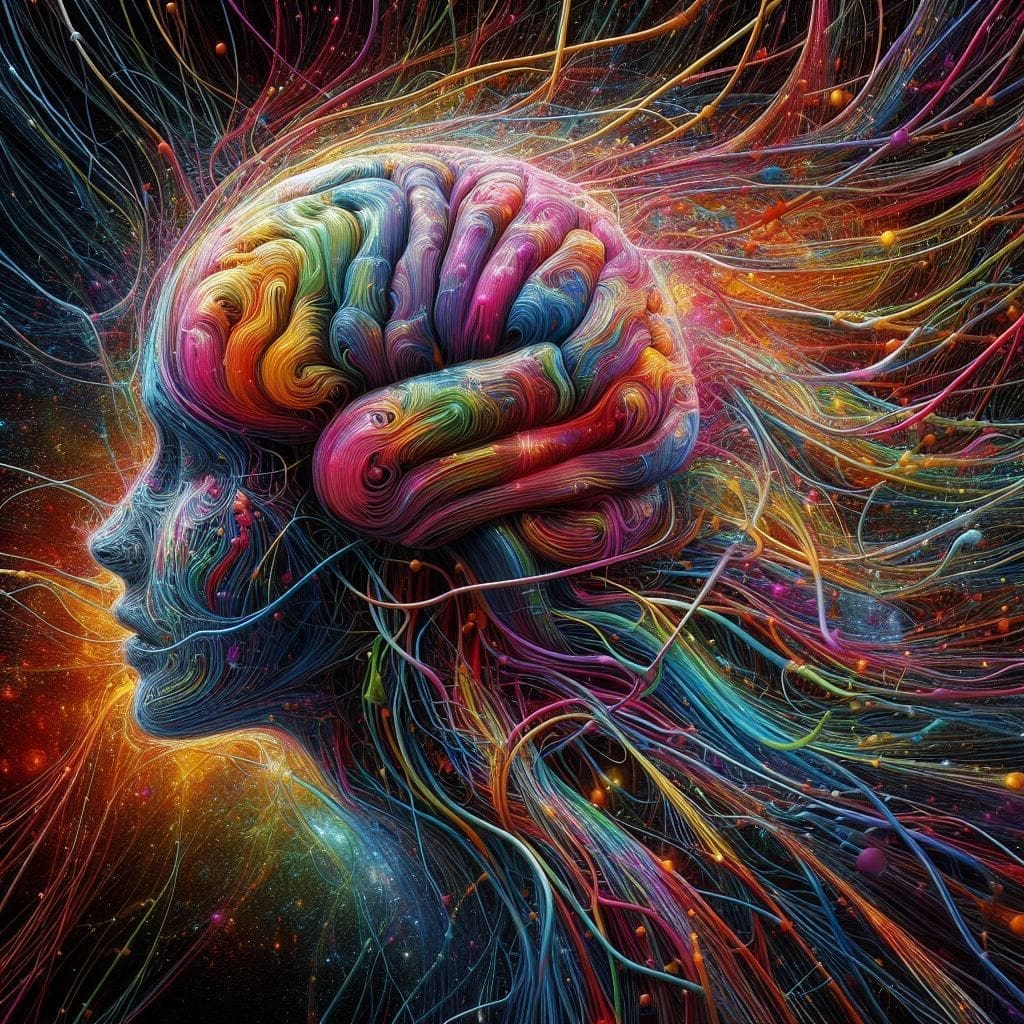

Reaction formation is a psychological defence mechanism in which an individual subconsciously acts in a way that is the opposite of their true feelings or desires. This defence mechanism is often employed as a way to cope with feelings of guilt, anxiety, or other uncomfortable emotions. By behaving in a manner that is in stark contrast to their true feelings, individuals are able to maintain a sense of self-control and protect themselves from experiencing the true extent of their emotions.
One common example of reaction formation is when a person who is feeling jealous and insecure about their partner’s relationships with others may behave overly friendly and accommodating towards those individuals, even going so far as to encourage the relationship, in an attempt to mask their true feelings of envy. Similarly, someone who is struggling with feelings of anger and aggression may go out of their way to appear overly kind and caring to others, despite the fact that deep down they may be seething with resentment.
Reaction formation is a complex defence mechanism that often manifests in subtle ways, making it difficult to detect in oneself or others. However, by paying attention to one’s own behaviour and inner thoughts, it is possible to identify when reaction formation may be at play. It is important to note that reaction formation is not always a conscious choice, but rather a defence mechanism that operates on a subconscious level.
In instances where reaction formation is being utilised, it can be helpful to explore the underlying emotions that are being masked by this defence mechanism. By acknowledging and addressing these true feelings, individuals can work towards developing healthier coping strategies and better emotional regulation.
Overall, reaction formation is a fascinating psychological phenomenon that sheds light on the complexities of human behaviour. By understanding how this defence mechanism works, individuals can gain insight into their own motivations and behaviours, and work towards fostering greater self-awareness and emotional well-being.
Share this:

You Might Also Enjoy Reading