Cultural relativism is a concept that has been widely discussed in the field of anthropology and sociology. It is the idea that cultural norms and values are relative and should be understood within the context of a particular society or culture. This means that what is considered acceptable or moral in one culture may not be so in another.
Advertisements
One of the key proponents of cultural relativism is anthropologist Franz Boas, who believed that each culture should be studied on its own terms without imposing one’s own cultural values on it. Boas argued that all cultures have their own unique beliefs, practices, and customs that should be respected and understood within their own cultural context.
Cultural relativism challenges the idea of ethnocentrism, which is the belief that one’s own culture is superior to others. By adopting a cultural relativist perspective, one can gain a deeper understanding and appreciation of other cultures. This can lead to greater tolerance, empathy, and respect for cultural diversity.
However, cultural relativism is not without its critics. Some argue that it can lead to moral relativism, where all cultural practices are deemed acceptable simply because they are part of a particular culture. This can create moral dilemmas when cultural practices conflict with universal human rights.
Despite its limitations, cultural relativism can be a powerful tool for promoting cross-cultural understanding and embracing diversity. It encourages us to be open-minded and curious about different cultures, rather than quick to judge or dismiss them based on our own cultural biases.
In conclusion, cultural relativism is an important concept that challenges us to be more understanding and accepting of cultural differences. By recognising the diversity of beliefs and practices around the world, we can foster a more inclusive and harmonious global society.
In our modern society, it is hard to escape the constant barrage of advertising and marketing that bombards us from all angles. From television commercials to social media influencers, we are constantly being told what we need and what will make us happy. But have you ever stopped to consider how this mass desire is manufactured and why it is so prevalent in our culture?
Advertisements
The concept of the culture industry, coined by theorists like Theodor Adorno and Max Horkheimer in the 1940s, suggests that mass media and popular culture create and perpetuate desires in the masses in order to generate profit for the ruling class. This idea is rooted in the belief that capitalism relies on creating a constant need for goods and services in order to sustain itself.
One of the key mechanisms of the culture industry is the creation of artificial needs and desires through advertising and marketing. By bombarding consumers with images of perfection and happiness that can only be achieved through the purchase of a particular product, companies are able to manipulate individuals into believing that they need these items in order to be fulfilled.
Additionally, the culture industry promotes conformity and homogeneity by presenting a narrow, idealised version of beauty, success, and happiness that is often unattainable for the average person. By presenting these images as the norm, the culture industry pressures individuals to conform to these standards in order to fit in and be accepted by society.
Furthermore, the culture industry perpetuates the cycle of desire through the constant production of new trends and fads that quickly become obsolete, prompting consumers to constantly seek out the next big thing in order to stay relevant and up-to-date.
So, what can we do to resist the manufactured desires of the culture industry? One approach is to become more critical consumers and to question the messages that we are being bombarded with on a daily basis. By being aware of the tactics used by advertisers and marketers to manipulate our desires, we can make more informed choices about what we truly need and value.
Ultimately, understanding the culture industry and its role in the manufacture of mass desire is crucial in order to resist its influence and reclaim agency over our own lives. By questioning the status quo and rejecting the constant pressure to consume, we can begin to break free from the cycle of manufactured desires and create a more authentic and fulfilling existence for ourselves.
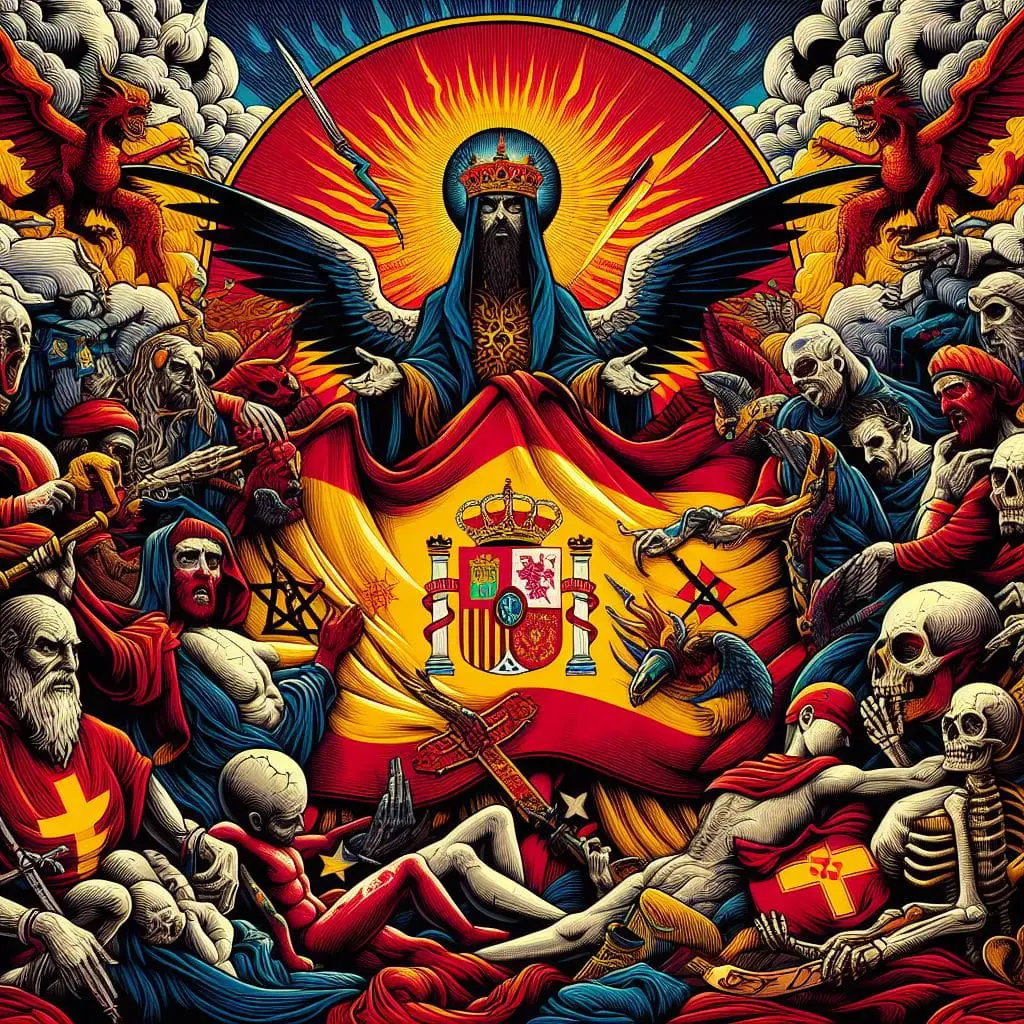
Spain, a country rich in culture, history, and tradition, is also facing a crisis of chaos and spiritual apathy in contemporary society. In recent years, Spain has been plagued by political corruption, economic instability, and social unrest, leading to a sense of disillusionment among its citizens. At the same time, there has been a noticeable decline in religious beliefs and practices, with many Spaniards turning away from traditional forms of spirituality.
Advertisements
One of the main challenges facing Spain today is the political chaos that has engulfed the country in recent years. The emergence of new political parties and the fragmentation of traditional political structures have led to a sense of uncertainty and instability. Corruption scandals have further eroded trust in the government and the political system, leaving many Spaniards feeling disillusioned and disconnected from the political process.
On the economic front, Spain has struggled to recover from the 2008 financial crisis, with high levels of unemployment and austerity measures causing widespread hardship. This economic uncertainty has heightened social tensions and created a sense of insecurity among the population.
In the midst of this chaos, there has been a noticeable decline in religious belief and practice in Spain. According to a recent survey, only 22% of Spaniards consider themselves to be religious, compared to 81% in the 1980s. The Catholic Church, which has traditionally played a central role in Spanish society, has seen a sharp decline in attendance and influence. Many Spaniards are turning away from organised religion, seeking spiritual fulfilment in alternative ways or embracing secular beliefs.
This spiritual apathy is reflected in the declining number of religious vocations, church attendance, and participation in religious rituals. Traditional forms of spirituality, such as attending Mass or receiving the sacraments, are no longer a central part of many Spaniards’ lives. Instead, they are exploring new forms of spirituality, such as mindfulness, yoga, and New Age practices, or simply choosing to live without any form of religious belief.
The combination of political chaos and spiritual apathy has left many Spaniards feeling adrift and disconnected from their cultural and spiritual roots. The sense of disillusionment and uncertainty that pervades contemporary Spanish society is a reflection of the broader challenges facing Europe as a whole.
However, amidst the chaos and apathy, there are signs of hope and resilience in Spain. Grassroots movements are emerging to challenge political corruption and demand greater accountability from the government. Social initiatives are being launched to address economic inequality and support marginalised communities. And individuals are finding their own paths to spiritual fulfilment and personal growth, outside of traditional religious institutions.
Ultimately, the chaos and spiritual apathy of contemporary Spain are complex issues that will require both individual and collective efforts to address. By examining the root causes of these challenges and working towards meaningful solutions, Spain has the potential to overcome its current struggles and emerge stronger and more united than ever before.
In today’s interconnected world, cultural awareness and sensitivity have become more vital than ever. With globalisation bringing people from diverse backgrounds closer together, it is crucial to understand and appreciate the rich tapestry of cultures that make up our global community. By developing cultural awareness and sensitivity, not only do we enhance our personal growth, but we also foster greater understanding, respect, and empathy among different communities.
Advertisements
Cultural awareness refers to having an understanding of various cultural practices, customs, and traditions. It involves recognising and respecting differences in language, values, beliefs, and behaviours. When we are culturally aware, we can navigate intercultural situations with more ease and avoid misunderstandings. It allows us to communicate more effectively and build stronger relationships across cultural barriers.
On the other hand, cultural sensitivity is the ability to recognise, value, and respect the perspectives and feelings of individuals from diverse cultural backgrounds. It involves being open-minded, non-judgemental, and empathetic towards others. By being culturally sensitive, we not only embrace diversity but also recognise the impact of our actions and words on different cultural groups.
Why is cultural awareness and sensitivity important? Firstly, it breaks down stereotypes and fosters mutual respect. Often, people form biased opinions based on limited exposure or misconceptions. By being aware of different cultures and seeking to understand them, we can challenge those stereotypes and foster an inclusive society that appreciates the uniqueness of each culture.
Cultural awareness and sensitivity also promote effective communication. Language is not just the words we speak; it encompasses gestures, body language, and even silence. By understanding the cultural context behind communication styles, we can avoid misinterpretations and ensure our intentions are accurately conveyed. This is particularly important in a professional context where working with colleagues or clients from diverse cultures requires adaptability and cultural intelligence.
Moreover, cultural awareness and sensitivity contribute to creating a harmonious coexistence. By embracing diversity and understanding different cultural norms, we can prevent conflicts and misunderstandings. When we appreciate others’ perspectives and respect their values, we build bridges rather than walls. This paves the way for collaboration, innovation, and growth, whether it is in workplaces, educational institutions, or community settings.
So, how can we cultivate cultural awareness and sensitivity? Here are a few practices to get started:
1. Educate yourself: Take the initiative to learn about different cultures by reading books, watching documentaries, or attending cultural events. The more we know about other cultures, the better equipped we are to interact respectfully.
2. Engage in intercultural dialogue: Seek out opportunities to engage in conversations with people from diverse backgrounds. This can be through joining multicultural organisations, attending workshops, or even through online platforms where cultural exchange is encouraged.
3. Reflect on your own biases: Each one of us has biases based on our upbringing and experiences. Reflecting on these biases and challenging them is crucial to developing cultural sensitivity. By questioning our beliefs, we can make space for new perspectives and overcome our preconceived notions.
4. Avoid assumptions: Do not assume that everyone from a particular culture shares the same beliefs or values. Each individual is unique, and generalisations can perpetuate stereotypes. Approach each person with an open mind and an eagerness to understand their perspective.
5. Practise empathy and active listening: Actively listen to others without judgement and make an effort to understand their experiences. Empathy allows us to connect emotionally, bridging cultural gaps and building stronger relationships.
In a world that yearns for unity and understanding, cultural awareness and sensitivity provide the foundation for a better future. By embracing diversity and fostering empathy, we can create a world where differences are celebrated, and where cultural heritage is cherished. So let’s commit ourselves to developing our cultural intelligence, shining a light on our shared humanity, and building a more harmonious and inclusive world for all.
Culture is a captivating lens through which we perceive the world, shaping our identities, beliefs, values, and behaviours. As humans, we are not only influenced by our individual psychological processes but also by the collective psychology found within our cultural environments. In this blog post, we delve into the psychology of culture and explore how it impacts our thoughts, actions, and societal dynamics.
Advertisements
Culture as a Shaper of Identity
Culture plays a fundamental role in shaping our sense of identity. From an early age, we acquire cultural values, traditions, and customs that form the foundation of who we are. Our cultural background influences our self-perception, determining our beliefs, attitudes, and even our ambitions. For instance, in individualistic cultures, such as the United Kingdom, independence and personal achievements are highly valued, whereas in collectivistic cultures, such as Colombia, interdependence and group harmony take precedence.
Cultural Influence on Perception
Our cultural context also significantly influences the way we perceive the world around us. Through the process of enculturation, the cultural transmission of knowledge, we internalise societal norms, language, and social cues that shape our perception of reality. For instance, in cultures where politeness and non-verbal communication are highly valued, individuals may pay more attention to non-verbal cues during interpersonal interactions, while individuals from more direct cultures may prioritise verbal communication.
Cultural Differences in Emotional Expression
The psychology of culture extends to the way we express and regulate emotions. Cultures establish contextual rules for emotional expression, which can vary widely. Some cultures encourage the outward display of emotions as a means of establishing strong social bonds, while others promote emotional restraint or even discourage the public expression of certain emotions. These differences can lead to contrasting emotional experiences and coping mechanisms across cultures.
The Influence of Culture on Mental Health
Culture significantly impacts our mental health and well-being. Cultural beliefs, values, and expectations can influence our perception and interpretation of mental health issues, as well as the ways in which we seek help or support. Cultural factors play a pivotal role in understanding mental health stigma, treatment preferences, and help-seeking behaviours. Effective mental health interventions must consider cultural sensitivity to ensure the delivery of appropriate and effective care.
Cross-Cultural Communication and Intercultural Competence
Understanding the psychology of culture is crucial for effective cross-cultural communication. Misunderstandings and conflicts often arise due to differences in communication styles, interpretation of non-verbal cues, and underlying cultural assumptions. Developing intercultural competence, which involves empathy, flexibility, and open-mindedness towards other cultures, helps individuals bridge these gaps and engage in meaningful and respectful interactions.
Conclusion
The psychology of culture is a fascinating field that reveals how culture influences our perception, sense of self, emotion expression, and mental health. By recognising the profound impact of culture on our lives and the lives of others, we can cultivate cultural sensitivity, foster better cross-cultural understanding, and build stronger and more inclusive communities. Embracing diverse cultural perspectives enriches our own lives and broadens our worldview, leading to a more harmonious and interconnected world.
In a world that thrives on diversity and interconnectedness, the clash between universalism and cultural relativism continues to spark heated debates and ignite intellectual discourse. These two philosophical perspectives, representing opposite ends of the spectrum, ask fundamental questions about human values, ethics, and cultural practices. In this blog post, we will explore the core principles of universalism and cultural relativism, and try to bridge the gap between the two, fostering a deeper understanding of our shared humanity.
Advertisements
Understanding Universalism
Universalism asserts that there are certain moral and ethical principles that apply universally to all humans, transcending cultural, historical, or geographical boundaries. Advocates of universalism argue that these principles, such as human rights, freedom, and equality, are inherent and should be embraced by all societies. Universalism forms the foundation of international laws and declarations that aim to protect and uphold human rights on a global scale.
Cultural Relativism
On the other hand, cultural relativism posits that moral values and ethical judgements are culturally specific, varying across different societies. It suggests that there is no absolute standard by which to judge or compare different cultural practices. Cultural relativism emphasises the importance of understanding cultural diversity and respecting the values and norms of each society within its own context.
The Clash
The contrasting perspectives of universalism and cultural relativism often find themselves in opposition, fuelling passionate discussions. Critics of universalism argue that it imposes Western values on non-Western cultures, dismissing or undermining the richness and uniqueness of various cultural traditions. On the other hand, critics of cultural relativism argue that it can lead to the acceptance of practices that may breach fundamental human rights, such as female genital mutilation or child labour.
Bridging the Gap
While the debate between universalism and cultural relativism may seem irreconcilable, there is potential for a more nuanced understanding that bridges the gap between these conflicting viewpoints. Here are a few thoughts to consider:
1. Contextualisation: Cultures are not static entities; they evolve over time. By acknowledging the historical, social, and economic contexts behind cultural practices, we can better understand their necessity, function, and potential for change.
2. Core Universal Values: While cultural practices may vary significantly, certain universal values, such as the preservation of human dignity, respect for autonomy, and equality of opportunity, can serve as touchstones for ethical judgement and common ground for dialogue.
3. Open-Mindedness: Embracing cultural diversity does not mean condoning practices that infringe upon fundamental human rights. It requires an open-minded approach that acknowledges the richness that various cultures bring while engaging in critical dialogue concerning values and practices that may be questionable.
4. Human Rights Education: Enhancing global knowledge about human rights can empower individuals to challenge oppressive practices from within their own cultural context, fostering positive change while respecting the diversity of cultures.
Conclusion
The debate between universalism and cultural relativism invites us to grapple with complex philosophical questions, ultimately highlighting the need for a balanced approach. By appreciating the value and diversity of cultural practices while also maintaining a commitment to human rights and ethical principles, we can strive for a more equitable and compassionate world. Embracing our shared humanity and cultural diversity can be the pathway towards bridging the gap between these seemingly opposing philosophies, encouraging us to always question, learn, and grow.
Cultural hegemony is a captivating term that encompasses the dominance of a particular culture over others in social, economic, and political aspects of life. Coined by Italian philosopher Antonio Gramsci in the early 20th century, cultural hegemony describes the subtle yet significant power dynamic within a society. In this blog post, we delve into the concept of cultural hegemony and its impact on our lives, shedding light on the ways it shapes societies and influences our everyday existence.
Advertisements
Defining Cultural Hegemony
Cultural hegemony refers to the pervasive influence exerted by the ruling or dominant class over the beliefs, values, norms, and practices of society. It operates systematically through various channels such as education, media, literature, and language, ensuring the perpetuation of the dominant culture while marginalising and suppressing other cultural expressions.
The Role of Media and Popular Culture
Media plays a vital role in the propagation of cultural hegemony. It not only reflects the existing power structures but also actively reinforces and normalises them. Mainstream media outlets, controlled by corporations and political elites, often present a predetermined set of values, ideologies, and lifestyles as the ideal. They shape public opinion, dictate societal norms, and ultimately discourage any deviation from the dominant culture.
Popular culture, an integral part of cultural hegemony, is heavily influenced by consumerism and the desire for material possessions. Through music, films, advertising, and fashion, popular culture reinforces the values and aspirations of the dominant culture. This results in the mass consumption of products and lifestyles that align with the interests of those in power, while alternative cultural forms are relegated to the periphery.
Education and Social Institutions
Education plays a pivotal role in perpetuating cultural hegemony. Textbooks, teaching materials, and curricula often prioritise the history, perspectives, and achievements of the dominant culture, thereby marginalising the contributions of other cultures. By favouring particular cultural narratives, education reinforces and legitimises the position of the ruling class, creating a biased understanding of our shared heritage.
Similarly, various social institutions such as the legal system, religious organisations, and even language contribute to the establishment of cultural hegemony. They shape the norms and values that govern society, often reflecting and amplifying the interests of those in power. This unintentional or deliberate suppression of certain cultural expressions limits genuine diversity and hinders societal progress.
Implications and Resisting Cultural Hegemony
While cultural hegemony may inherently limit the voices and experiences of marginalised cultures, it is essential to acknowledge and address its impact. Recognising and understanding the dynamics of power and influence allows individuals and communities to challenge and subvert cultural hegemony.
Through initiatives focused on cultural preservation, supporting minority voices, and promoting inclusivity, we can create spaces for diverse cultural expressions to thrive. By amplifying marginalised narratives in media, education, and social institutions, we can challenge the status quo and work towards establishing a more equitable and inclusive society.
Conclusion
Cultural hegemony is an invisible force that profoundly shapes our societies and influences the choices we make. Acknowledging its presence and understanding its mechanisms is essential for promoting genuine cultural diversity and inclusivity. By challenging the dominance of a singular culture, we can foster an environment where multiple voices, perspectives, and expressions are valued, creating a more democratic and inclusive society for all.