The Great Architect of the Universe is a concept that has been present in various religions and belief systems throughout history. It refers to the idea of a higher power, a divine being who created and designed the universe and everything in it.
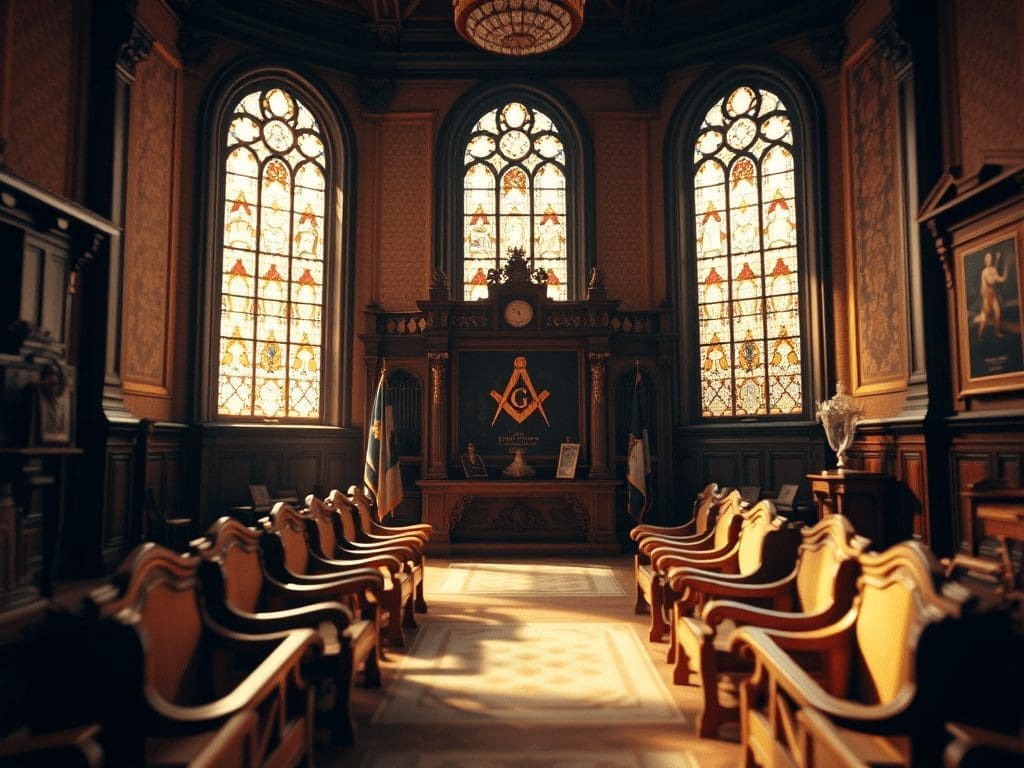
In Freemasonry, the Great Architect of the Universe is often used as a term to refer to God, the creator of all things. The belief is that just as a skilled architect carefully plans and designs a building before constructing it, so too did the Great Architect of the Universe carefully plan and design our world and our existence.
The concept of the Great Architect of the Universe can also be found in other religions and spiritual traditions. In Christianity, God is often seen as the ultimate creator and architect of the universe. In Hinduism, the deity Brahma is often referred to as the creator and architect of the world. In Taoism, the concept of the Tao as the underlying principle of the universe can be seen as a form of the Great Architect of the Universe.
Regardless of the specific religious or spiritual tradition, the concept of the Great Architect of the Universe serves as a reminder of the beauty and complexity of the world around us. It encourages us to contemplate the mysteries of the universe and to recognise the presence of something greater than ourselves.
Whether you believe in a specific deity or a more abstract concept of a higher power, the idea of the Great Architect of the Universe can be a source of inspiration and wonder. It reminds us that there is order and purpose in the world, and that there is a grand design to our existence.
As we navigate the ups and downs of life, it can be comforting to believe that there is a higher power looking out for us, guiding us along our journey. The concept of the Great Architect of the Universe can provide a sense of comfort and reassurance in the face of uncertainty and challenges.
In conclusion, the Great Architect of the Universe is a powerful and thought-provoking concept that has been a part of human belief systems for centuries. Whether you believe in a specific deity or a more abstract higher power, the idea of a divine creator can bring a sense of awe and wonder to our understanding of the universe. Take a moment to reflect on the mysteries of existence and contemplate the idea of the Great Architect of the Universe, and let it inspire you to see the beauty and complexity of the world around you.
Share this:

You Might Also Enjoy Reading