Tag: Criminology

  • Theories of Crime and Criminal Behaviour: Exploring the Roots

    Theories of Crime and Criminal Behaviour: Exploring the Roots

    Advertisements

    One of the most well-known theories of crime is the classical theory, which suggests that individuals engage in criminal behaviour as a result of their own free will and rational decision-making. According to this theory, individuals weigh the potential benefits and consequences of their actions before committing a crime. For example, a person may choose to engage in theft if they believe the potential gain outweighs the risk of getting caught and facing punishment.

    In contrast, the positivist theory of crime posits that individual behaviour is influenced by various factors beyond their control, such as genetics, environment, and social influences. This theory rejects the idea of free will and suggests that individuals may be predisposed to criminal behaviour due to biological or societal factors. For example, someone with a genetic predisposition to aggression may be more likely to engage in violent acts.

    Another commonly cited theory of crime is the social learning theory, which suggests that individuals learn criminal behaviour through observing and imitating others. This theory emphasises the role of social influences, such as family, peers, and media, in shaping an individual’s behaviour. For example, a person may learn how to commit a crime by watching others engage in similar behaviour and may be more likely to repeat it.

    The strain theory of crime proposes that individuals engage in criminal behaviour as a result of stress and pressure caused by societal factors, such as poverty, inequality, and lack of opportunities. According to this theory, individuals may resort to criminal acts as a means of coping with the challenges they face in their daily lives. For example, someone living in poverty may turn to theft as a way to survive and provide for their basic needs.

    Overall, theories of crime provide valuable insights into the complex and multifaceted nature of criminal behaviour. While each theory offers a unique perspective on the causes of crime, it is important to consider the interplay of various factors, such as individual characteristics, social influences, and environmental conditions, in understanding why individuals engage in criminal acts. By examining these theories and their implications, we can gain a better understanding of the underlying causes of crime and work towards developing effective strategies for prevention and intervention.

  • The Psychological Impact of Arbitrary Detention: Understanding The Hidden Toll

    The Psychological Impact of Arbitrary Detention: Understanding The Hidden Toll

    Advertisements

    One of the most significant psychological effects of arbitrary detention is the feeling of powerlessness and helplessness. When a person is detained without any legal basis, they may feel as though they have no control over their situation and are at the mercy of their captors. This loss of autonomy can lead to feelings of despair, anxiety, and hopelessness.

    Another common psychological effect of arbitrary detention is the trauma of being separated from loved ones. Being forcibly taken away from family and friends can cause feelings of isolation, loneliness, and disconnection. The uncertainty of not knowing when or if they will be released can also contribute to feelings of fear and anxiety.

    In addition to the immediate psychological effects of arbitrary detention, there can also be long-term consequences. Many individuals who have been arbitrarily detained may suffer from post-traumatic stress disorder (PTSD), depression, and other mental health issues as a result of their experiences. These conditions can have a profound impact on their ability to function in society and may require ongoing therapy and support to manage.

    Furthermore, arbitrary detention can have a ripple effect on the individual’s community and society as a whole. When people are detained without cause, it can create a climate of fear and distrust, leading to further violations of human rights and a breakdown of social cohesion. The psychological scars left by arbitrary detention can linger for generations, perpetuating cycles of trauma and conflict.

    It is essential to recognise the psychological effects of arbitrary detention and work to prevent and address this human rights violation. Governments, international organisations, and civil society must come together to uphold the rule of law and protect individuals from arbitrary detention. By doing so, we can help to ensure the mental well-being and dignity of all individuals, regardless of their circumstances.

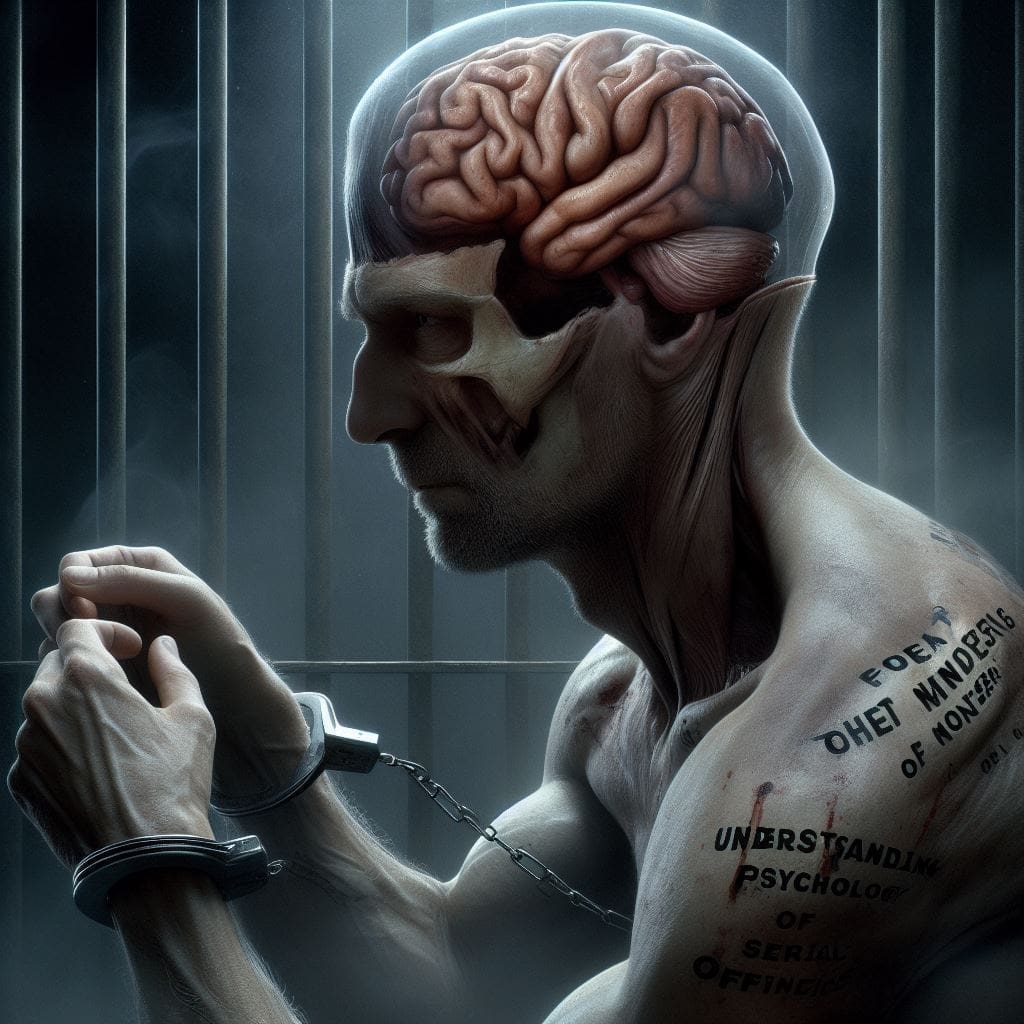
  • The Minds of Monsters: Understanding the Psychology of Serial Offenders

    The Minds of Monsters: Understanding the Psychology of Serial Offenders

    Advertisements

    One of the key factors that psychologists have identified in serial offenders is a lack of empathy and remorse. These individuals often have a diminished capacity to feel guilt or empathy for their victims, allowing them to repeatedly engage in harmful behaviour without experiencing the normal moral checks and balances that most people have. This lack of empathy can stem from a variety of factors, including a history of trauma or abuse, a dysfunctional upbringing, or a personality disorder such as psychopathy or sociopathy.

    Another common trait among serial offenders is a heightened sense of impulsivity and sensation-seeking. These individuals often have a strong need for stimulation and excitement, leading them to seek out risky and criminal behaviour as a way to satisfy this need. This impulsivity can make it difficult for serial offenders to control their impulses and make rational decisions, leading to a cycle of escalating criminal behaviour.

    Furthermore, many serial offenders also exhibit a pattern of distorted thinking and irrational beliefs. These individuals may justify their criminal behaviour through elaborate rationalisations or excuses, convincing themselves that their actions are justified or necessary. This cognitive distortion can make it difficult for serial offenders to see the harm they are causing and can perpetuate their cycle of criminal behaviour.

    In addition to these individual factors, there are also environmental and social factors that can contribute to serial offending. Research has shown that individuals who grow up in poverty, experience abuse or neglect, or have limited access to education and opportunities are more likely to engage in criminal behaviour. These environmental factors can create a breeding ground for serial offending, as individuals may turn to crime as a way to survive or escape their circumstances.

    While the psychology of serial offenders is a complex and nuanced topic, understanding the common traits and patterns among these individuals can help us develop more effective interventions and prevention strategies. By addressing the underlying causes of serial offending, such as a lack of empathy, impulsivity, distorted thinking, and environmental factors, we can work towards breaking the cycle of criminal behaviour and creating a safer and more just society for all.

  • The Relationship Between Mental Disorder and Crime

    The Relationship Between Mental Disorder and Crime

    Advertisements

    First and foremost, it is important to remember that the vast majority of people with mental disorders are not violent or criminal. In fact, research shows that individuals with mental illnesses are actually more likely to be victims of crime rather than perpetrators. This misconception stems from sensationalised media portrayals and societal stigma surrounding mental health issues.

    That being said, there is evidence to suggest that certain mental disorders may increase the risk of criminal behaviour. For example, individuals with antisocial personality disorder or schizophrenia may be more prone to engaging in criminal activities. This can be attributed to a combination of factors, including impaired judgement, impulsivity, and difficulty regulating emotions.

    It is also worth noting that substance abuse often co-occurs with mental disorders, and can significantly elevate the risk of criminal behaviour. Drugs and alcohol can exacerbate symptoms of mental illness and lower inhibitions, leading individuals to engage in criminal acts they may not otherwise commit.

    Additionally, the criminal justice system often struggles to effectively address the needs of individuals with mental disorders. Many people with mental illnesses end up in the criminal justice system due to a lack of access to proper mental health care and support services. Once incarcerated, they may not receive adequate treatment or rehabilitative services, leading to a cycle of repeated offences.

    Overall, it is crucial to approach the relationship between mental disorder and crime with nuance and understanding. Stigmatising individuals with mental illnesses only perpetuates harmful stereotypes and hinders their access to necessary care. By addressing the root causes of criminal behaviour, such as substance abuse and lack of mental health resources, we can work towards a more equitable and just society for all individuals, regardless of their mental health status.

  • Public Attitudes Towards Crime and Criminal Justice

    Public Attitudes Towards Crime and Criminal Justice

    Advertisements

    One common attitude towards crime is fear. Many people are fearful of becoming victims of crime, and this fear can lead to a desire for harsher punishments for offenders. However, research has shown that this fear is often disproportionate to the actual risk of becoming a victim of crime, and that people tend to overestimate the prevalence of crime in their communities.

    Another common attitude towards crime is a desire for justice. Many people believe that those who commit crimes should be held accountable for their actions and punished accordingly. This belief is often rooted in a sense of fairness and a desire to protect society from harm.

    In addition to attitudes towards crime, public attitudes towards the criminal justice system itself can also be varied. Some people believe that the system is effective at punishing offenders and keeping society safe, while others believe that it is flawed and in need of reform. Issues such as racial disparities in sentencing, overcrowding in prisons, and the use of mandatory minimum sentences have sparked debates about the efficacy and fairness of the criminal justice system.

    One of the most important factors influencing public attitudes towards crime and criminal justice is media coverage. The way that crimes are reported in the media can influence how people perceive the prevalence of crime in their communities and how they feel about the criminal justice system. Media portrayals of crime can also shape public attitudes towards specific groups of offenders, such as drug users or immigrants.

    Overall, public attitudes towards crime and criminal justice are diverse and shaped by a variety of factors. Understanding these attitudes is important for policymakers and advocates working to improve the criminal justice system and address societal concerns about crime and safety. By engaging with the public and addressing their concerns, we can work towards a more just and equitable system of criminal justice.

  • 5 Celebrities Who Have Committed Crimes

    5 Celebrities Who Have Committed Crimes

    Advertisements

    1. Lindsay Lohan: The former child star and actress has had numerous run-ins with the law, including DUIs, drug possession, and theft. Lohan’s legal troubles have overshadowed her acting career and landed her in and out of rehab multiple times.

    2. Charlie Sheen: The controversial actor has a history of violence and substance abuse issues. Sheen has been arrested for domestic violence, assault, and drug possession, making headlines for his erratic behaviour and public meltdowns.

    3. Martha Stewart: The renowned businesswoman and TV personality was convicted of insider trading in 2004. Stewart served time in prison for lying to investigators about the sale of stock, tarnishing her reputation and brand in the process.

    4. Chris Brown: The R&B singer has a long history of legal troubles, including assault charges, probation violations, and drug possession. Brown’s tumultuous personal life has overshadowed his music career, leading to public outcry and controversy.

    5. Winona Ryder: The actress was famously arrested for shoplifting in 2001. Ryder was caught stealing thousands of dollars worth of merchandise from a department store, resulting in a high-profile court case and community service.

    These are just a few examples of celebrities who have crossed the line and faced the consequences of their actions. While their fame and wealth may have initially protected them from scrutiny, their criminal behaviour ultimately caught up with them. It serves as a reminder that no one is above the law, regardless of their social status or public image.

    In conclusion, the stories of celebrities who have committed crimes serve as cautionary tales about the dangers of hubris and entitlement. It is a stark reminder that everyone is capable of making mistakes and poor decisions, regardless of their celebrity status. As fans, it is important to separate the art from the artist and hold them accountable for their actions, just like anyone else.

  • The Age-Crime Curve: Understanding the Relationship between Age and Criminal Behaviour

    The Age-Crime Curve: Understanding the Relationship between Age and Criminal Behaviour

    Advertisements

    The age-crime curve is typically divided into three stages. The first stage, known as the peak, occurs during late adolescence and early adulthood, usually between the ages 15 and 25. This is when individuals are most likely to engage in criminal activities, such as theft, vandalism, or drug offences. Researchers attribute this peak to a combination of factors, including increased peer influence, lack of impulse control, and transitioning into adulthood.

    The second stage of the curve, known as the plateau, occurs during the late twenties and thirties, when criminal behaviour tends to level off or decrease slightly. This is often attributed to factors such as increased responsibilities, stability, and a stronger sense of self-control that come with age. Individuals in this stage may still engage in criminal activities, but they are less likely to do so compared to their younger counterparts.

    The final stage of the age-crime curve, known as the decline, occurs during middle age and beyond, where criminal behaviour continues to decrease significantly. This decline is often linked to factors such as decreased opportunities for criminal behaviour, increased social ties, and a general decline in impulsivity and risk-taking behaviours as individuals age.

    Understanding the age-crime curve is crucial for developing effective strategies for preventing and addressing criminal behaviour. By recognising the peak in criminal activity during late adolescence and early adulthood policymakers, law enforcement agencies, and social service providers can target interventions and resources towards the youth to prevent them from engaging in criminal activities. Additionally, understanding the plateau and decline stages can help inform rehabilitation programs and services for individuals who have committed crimes and are looking to reintegrate into society.

    Overall, the age-crime curve highlights the complexity of criminal behaviour the importance of considering age as a factor when studying and addressing crime. By recognising the different stages of the curve and the factors that influence criminal behaviour at each stage, we can work towards creating a safer and more just society for individuals of all ages.