Tag: Criminology

  • Routine Activities Theory

    Routine Activities Theory

    Advertisements

    According to Routine Activities Theory, criminal behaviour is more likely to occur when a motivated offender comes into contact with a suitable target in the absence of a capable guardian. For example, a thief may be motivated to steal, a house with valuables left unattended may be a suitable target, and the absence of security measures or watchful neighbours may create an opportunity for the crime to occur.

    This theory also emphasises the importance of routines in people’s lives. Routine activities, such as going to work, shopping, or socialising, create predictable patterns of behaviour that can be exploited by offenders. By understanding these routines and the factors that contribute to criminal behaviour, we can take steps to prevent crime from happening.

    One of the key implications of Routine Activities Theory is the importance of situational crime prevention. This involves taking steps to reduce the opportunities for crime to occur by making targets less attractive to offenders and increasing the presence of capable guardians. This may include installing security cameras, improving lighting in public spaces, or encouraging community policing initiatives.

    In addition to its practical applications, Routine Activities Theory has also been used to understand broader societal trends in crime. For example, changes in people’s routines due to technology or urbanisation can create new opportunities for criminal behaviour. By studying these changes and adapting crime prevention strategies accordingly, we can better address the root causes of crime in our communities.

    Overall, Routine Activities Theory offers a valuable framework for understanding and preventing crime in society. By recognising the factors that contribute to criminal behaviour and taking proactive measures to address them, we can create safer and more secure communities for everyone.

  • How to Reduce Recidivism Rates

    How to Reduce Recidivism Rates

    Advertisements

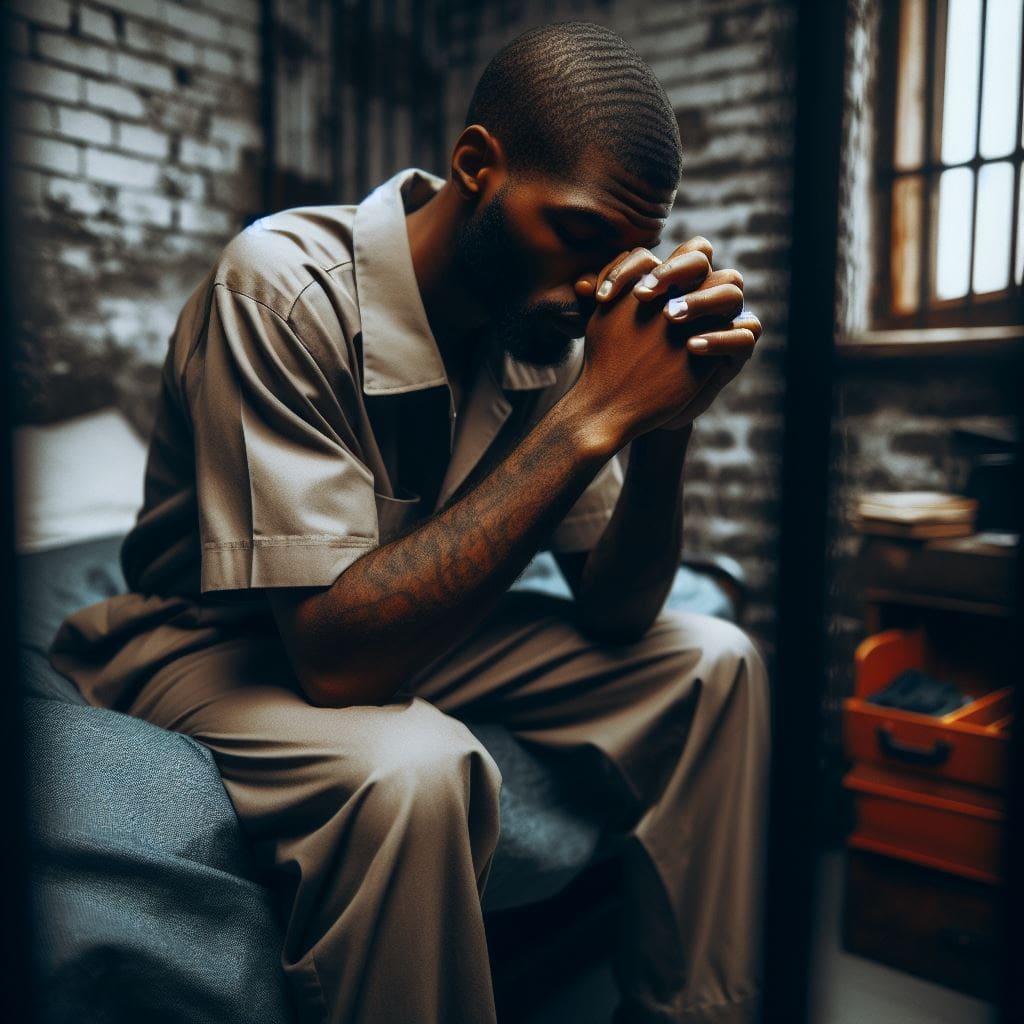
    1. Provide effective rehabilitation programs: One of the most effective ways to reduce recidivism rates is to provide offenders with opportunities for rehabilitation and skills development while they are in prison. This could include educational programs, vocational training, cognitive-behavioural therapy, substance abuse treatment, and mental health services. By addressing the underlying factors that contribute to criminal behaviour, such as lack of education or substance abuse issues, offenders are more likely to successfully reintegrate into society and avoid reoffending.

    2. Support reentry programs: In addition to providing rehabilitation programs within prisons, it is also essential to support offenders as they transition back into society. Reentry programs can help individuals secure housing, employment, and access to social services upon release, which are key factors in reducing recidivism. By providing a support system for offenders during the reentry process, they are more likely to succeed in their rehabilitation and stay out of trouble.

    3. Implement evidence-based practices: It is crucial to implement evidence-based practices and programs that have been proven to reduce recidivism rates. This could include programs such as cognitive-behavioural therapy, which helps individuals develop positive thinking patterns and coping mechanisms, or restorative justice programs that focus on repairing harm and rebuilding relationships. By relying on research and data-driven approaches, policymakers can make informed decisions about the most effective ways to reduce recidivism.

    4. Address systemic issues: In order to truly reduce recidivism rates, it is necessary to address the systemic issues that contribute to criminal behaviour in the first place. This could include addressing poverty, inequality, and lack of access to resources in communities most affected by crime. By investing in early intervention programs, mental health services, and job training opportunities, we can prevent individuals from falling into a cycle of crime and reduce the likelihood of reoffending.

    Overall, reducing recidivism rates requires a holistic approach that addresses the root causes of criminal behaviour, provides effective rehabilitation programs, and supports individuals as they transition back into society. By prioritising evidence-based practices, reentry programs, and addressing systemic issues, we can work towards a criminal justice system that truly promotes rehabilitation and reduces recidivism rates.

  • Crime Pattern Theory: An Introduction

    Crime Pattern Theory: An Introduction

    Advertisements

    This theory was first introduced by environmental criminologists in the 1980s, who sought to understand why certain areas experienced higher rates of crime than others. By analysing various factors such as the location, time, and type of crimes committed, researchers were able to identify patterns and trends that helped to explain the occurrence of criminal behaviour.

    One key component of Crime Pattern Theory is the idea of crime generators and crime attractors. Crime generators are locations or situations that consistently produce criminal activity, such as bars, clubs, or crowded public spaces. These areas are seen as breeding grounds for criminal behaviour, as they provide the opportunity and motivation for individuals to commit crimes.

    On the other hand, crime attractors are locations or situations that draw criminals to a particular area, such as shopping malls, tourist attractions, or high-end neighbourhoods. These areas are seen as targets for criminal activity, as they often contain valuable resources or vulnerable individuals that are appealing to offenders.

    By identifying and analysing these crime patterns, law enforcement officials and policymakers can develop strategies to prevent and combat criminal behaviour. This can include implementing targeted policing efforts, increasing surveillance in high-crime areas, or enhancing security measures in crime hotspots.

    Additionally, understanding crime patterns can help to shed light on the underlying causes of criminal behaviour and inform efforts to address root issues such as poverty, unemployment, and social inequality. By taking a holistic approach to crime prevention, communities can work towards creating safer and more secure environments for all residents.

    In conclusion, Crime Pattern Theory provides valuable insights into the nature of criminal behaviour and the factors that contribute to its occurrence. By studying and understanding crime patterns, we can better identify and address the root causes of criminal activity, ultimately leading to a safer and more secure society for all.

  • Eyewitness Reliability Assessment

    Eyewitness Reliability Assessment

    Advertisements

    However, eyewitness testimony is not always reliable. Research has shown that human memory is fallible and can be influenced by a variety of factors, such as stress, fear, and the passage of time. Inaccurate eyewitness testimony has led to wrongful convictions in the past, highlighting the importance of assessing the reliability of eyewitnesses in criminal cases.

    There are several factors that can impact the reliability of eyewitness testimony. One of the most important factors is the witness’s level of attention during the event. Witnesses who are distracted or under the influence of drugs or alcohol may not be able to accurately recall important details about the crime. In addition, the presence of a weapon or a high-stress situation can also impact a witness’s ability to accurately remember what happened.

    Another important factor to consider is the witness’s ability to accurately identify the perpetrator. Research has shown that cross-racial identifications are often less reliable, as individuals may have difficulty accurately identifying someone of a different race. Furthermore, the use of lineup procedures, such as lineups or photo arrays, can also impact the accuracy of an eyewitness’s identification.

    In order to properly assess the reliability of eyewitness testimony, it is crucial for investigators and legal professionals to carefully evaluate the circumstances surrounding the witness’s observation of the crime. This includes examining the witness’s level of attention, the presence of any external factors that may have influenced their memory, and the accuracy of their identification of the perpetrator.

    In recent years, advancements in forensic science have helped to improve the reliability of eyewitness testimony. Techniques such as DNA analysis and the use of facial recognition software have helped to corroborate witness testimony and provide additional evidence in criminal cases.

    Overall, assessing the reliability of eyewitness testimony is a crucial aspect of ensuring a fair and just legal system. By carefully evaluating the circumstances surrounding a witness’s observation of a crime and considering factors that may impact their memory and identification abilities, legal professionals can better determine the accuracy of eyewitness testimony and prevent wrongful convictions.

  • Juvenile Delinquency and Criminal Responsibility

    Juvenile Delinquency and Criminal Responsibility

    Advertisements

    When it comes to criminal responsibility, there is ongoing debate about whether minors should be held accountable in the same way as adults. The question of whether juveniles have the capacity to understand the consequences of their actions and make decisions based on that understanding is at the heart of this debate.

    In the past, juvenile offenders were often treated more leniently than adult offenders, with a focus on rehabilitation rather than punishment. However, there has been a shift in recent years towards holding young offenders accountable for their actions. Many argue that this is necessary in order to deter juvenile crime and protect society from dangerous individuals.

    It is important to consider the developmental differences between adults and juveniles when determining criminal responsibility. The adolescent brain is still developing, particularly in the areas responsible for impulse control and decision-making. This can lead to poor judgement and risky behaviour in young people, which may contribute to their involvement in criminal activities.

    At the same time, it is also important to acknowledge that some juveniles commit serious and violent crimes that have a significant impact on victims and society as a whole. In these cases, it may be necessary to hold juveniles accountable for their actions and impose appropriate consequences.

    Ultimately, there is no easy answer when it comes to the issue of juvenile delinquency and criminal responsibility. It is a complex and multifaceted issue that requires a nuanced approach. While rehabilitation and support services are crucial for helping young offenders turn their lives around, accountability and consequences are also important in order to uphold justice and protect the community.

    As a society, we must continue to explore the best ways to address juvenile delinquency and ensure that young people are given the support they need to make positive choices and avoid a life of crime. By understanding the complexities of this issue and working together to find solutions, we can help create a safer and more just society for all.

  • Victimology: Understanding the Study of Victims’ Role in Crime

    Victimology: Understanding the Study of Victims’ Role in Crime

    Advertisements

    Understanding Victimology

    Victimology is the scientific study of victims and the patterns, causes, consequences, and responses associated with victimisation. This multidisciplinary field combines elements of criminology, sociology, psychology, and law to explore the varied experiences of victims. It aims to understand why certain individuals become victims, how they experience and cope with crime, and how society can help them recover and prevent further victimisation.

    Key Areas of Focus

    1. Victim Proneness: Victimologists strive to define and analyse the factors that contribute to an individual’s vulnerability to criminal acts. Various aspects, such as demographics, lifestyle, occupation, and social environment, play a role in determining why certain individuals become victims.

    2. Victim-Offender Relationship: This area focuses on the complex dynamics between victims and offenders. By examining the characteristics of both parties, victimologists seek to understand the motivations behind crimes and the interactions between victims and perpetrators. This knowledge aids in crime prevention strategies and facilitating justice for victims.

    3. Victim Impact and Recovery: Victimology acknowledges that victimisation can have long-lasting physical, emotional, and psychological consequences. Understanding the impact of victimisation is crucial in formulating adequate support services and recovery programs for victims. Moreover, studying resilience and coping mechanisms is essential in facilitating the healing process and preventing revictimisation.

    4. Victim Assistance and Policies: Victimologists actively contribute to the development of victim-centred policies and services. Their research and valuable insights help shape legal frameworks, crime prevention strategies, and victim support systems. By understanding victims’ needs, society can create comprehensive assistance networks, including counselling services, legal aid, compensation funds, and the provision of information to empower survivors.

    The Importance of Victimology

    Victimology challenges the traditional offender-centric approach within the criminal justice system by emphasising the experiences and needs of victims. By incorporating victim perspective, society gains a more comprehensive understanding of crime dynamics. This knowledge allows for the development of evidence-based policies, improved crime prevention strategies, and effective support systems.

    Conclusion

    Victimology is a fascinating field that sheds light on the experiences and needs of individuals who have been victimised by crime. By focusing on victims and understanding the dynamics between victims and offenders, we gain valuable insights that help create a more equitable and holistic criminal justice system. Through the continuous study of victimology, society can better support survivors, prevent further victimisation, and work towards a safer future for all.

    Advertisements
  • The Dark Figure of Crime: Shedding Light on Unreported Crimes

    The Dark Figure of Crime: Shedding Light on Unreported Crimes

    Advertisements

    The Dark Figure of Crime: Defining the Unreported

    The dark figure of crime encompasses offences that go unreported, be it due to fear, lack of trust in authorities, social stigmas, or simply the perception that reporting a crime would be futile. Such unreported crimes pose a significant challenge to accurately estimating the true scale and nature of criminal activities within a society. Thus, statistical representations often fall short of providing an accurate picture of crime rates, painting an incomplete and potentially misleading image.

    Factors Contributing to Underreporting

    Many factors contribute to the underreporting of crimes, making it difficult for law enforcement agencies and researchers to grasp the full extent of criminal activities. Some common factors include:

    1. Fear and distrust of law enforcement: For various reasons, individuals may fear retaliation or mistrust authorities, leading them to choose not to report crimes.

    2. Shame and stigma: Victims of certain crimes, such as sexual assault or domestic violence, often face feelings of shame or societal stigma, which can discourage them from reporting incidents.

    3. Inadequate understanding: Victims may not immediately recognise criminal behaviour or do not understand the gravity of the situation, which can result in underreporting.

    4. Economic and social barriers: Lack of resources, language barriers, or immigration status may prevent individuals from reporting crimes, creating further hurdles in accurately gauging crime rates.

    Consequences and Implications

    The dark figure of crime poses several challenges for society. For one, accurate data is crucial for developing effective and targeted crime prevention strategies, as well as efficient allocation of resources to ensure public safety. Furthermore, unawareness of the true extent of unreported crimes can lead to distorted perceptions, misallocation of resources, and inadequate victim support services.

    Shedding Light on the Shadows

    Addressing the dark figure of crime necessitates multi-faceted approaches that aim to increase reporting rates and ensure a supportive environment for victims. Law enforcement agencies, community organisations, and government bodies can work together to implement the following strategies:

    1. Awareness campaigns: Educating the public about various forms of crime and empowering individuals to recognise criminal activities can contribute to increased reporting.

    2. Trust-building initiatives: Enhancing the relationship between law enforcement agencies and local communities can help foster trust, encouraging victims to come forward with their experiences.

    3. Victim support services: Providing comprehensive and compassionate victim support services, including legal aid, counselling, and safe spaces, encourages reporting and reinforces faith in the justice system.

    4. Anonymous reporting mechanisms: Offering alternative channels for reporting crimes, such as anonymous hotlines or online platforms, can help address fears of retaliation.

    Conclusion

    While the dark figure of crime remains an elusive and complex phenomenon, recognising and understanding its existence enables society to take steps towards reducing crime and supporting victims. Efforts to increase reporting rates and establish a more accurate understanding of criminal activities are essential steps towards a safer and more just society. By shedding light on the dark figure of crime, we can strive for a more comprehensive and accurate representation of our communities and work collectively to address societal injustices.

    Advertisements