Tag: Criminology

  • Illicit Drug Gangs in Colombia

    Illicit Drug Gangs in Colombia

    Advertisements

    The most infamous of these drug gangs was the Medellín Cartel, led by the notorious drug lord Pablo Escobar. The cartel was responsible for smuggling vast quantities of cocaine into the United States and Europe, amassing a fortune estimated at billions of dollars in the process. Escobar’s reign of terror in the 1980s and 1990s led to countless deaths and the destruction of entire communities. The Colombian government, with the help of US authorities, eventually brought down Escobar and dismantled his cartel, but the vacuum left behind was quickly filled by other criminal organisations.

    One of the most powerful drug gangs operating in Colombia today is the Clan del Golfo, also known as Los Urabeños. This paramilitary group controls large swaths of territory in the country and is heavily involved in drug trafficking, extortion, and other criminal activities. The group has been responsible for a number of high-profile attacks against civilians and security forces, leading to increased levels of violence in the regions under its control.

    Another major player in the Colombian drug trade is the National Liberation Army (ELN), a Marxist guerrilla group that has been involved in drug trafficking to fund its insurgency against the government. The ELN has been responsible for numerous kidnappings, bombings, and other acts of violence, further destabilising the already fragile security situation in Colombia.

    Despite ongoing efforts by the Colombian government to combat these criminal organisations, the illicit drug trade continues to thrive in the country, fuelled by high demand in foreign markets and the attractive profits to be made from trafficking cocaine and other illegal substances. The presence of these drug gangs has had a devastating impact on Colombian society, leading to high levels of violence, corruption, and poverty in many parts of the country.

    In order to effectively address the issue of illicit drug gangs in Colombia, it will be necessary to tackle the root causes of the problem, including poverty, inequality, and lack of opportunities for young people. The Colombian government must also continue to work closely with international partners to disrupt the flow of illegal drugs and dismantle the criminal networks that profit from their distribution. Only by addressing these underlying issues can Colombia hope to build a more secure and prosperous future for its citizens.

  • Identifying Psychological Tactics Used by Terrorist Organisations

    Identifying Psychological Tactics Used by Terrorist Organisations

    Advertisements

    One of the most common psychological tactics used by terrorist organisations is intimidation. They use violence and threats to create fear and uncertainty in the minds of their targets. This fear serves to weaken the resolve of the targeted population and make them more susceptible to the terrorists’ demands.

    Terrorists also employ propaganda as a powerful psychological tool. They use social media, videos, and other forms of communication to spread their message and recruit new members. By controlling the narrative and portraying themselves as heroes or martyrs, terrorists are able to attract support and sympathy from vulnerable individuals.

    Another tactic used by terrorist organisations is isolation. They often target marginalised communities or individuals who feel alienated from society. By offering them a sense of belonging and purpose, terrorists are able to radicalise these individuals and turn them into willing recruits.

    Terrorists also use manipulation to exploit the grievances and frustrations of their followers. They twist legitimate grievances into extremist ideologies and convince their followers that violence is the only solution to their problems. By exploiting these emotions, terrorists are able to motivate their followers to carry out attacks and perpetrate violence.

    By understanding these psychological tactics used by terrorist organisations, we can better identify and combat their activities. It is important for governments, law enforcement agencies, and communities to work together to counteract these tactics and prevent the spread of extremist ideologies. By promoting tolerance, inclusivity, and understanding, we can create a society that is resilient to the influence of terrorist organisations and better equipped to combat the threat of terrorism.

  • Rational Choice Theory in Criminology: Understanding Criminal Decision-Making

    Rational Choice Theory in Criminology: Understanding Criminal Decision-Making

    Advertisements

    According to Rational Choice Theory, individuals behave in a rational and self-interested manner, seeking to maximise their personal benefits while minimising their potential costs. In the context of criminal behaviour, individuals may choose to engage in illegal activities if they believe that the potential rewards outweigh the risks involved.

    Criminal decision-making is influenced by a number of factors, including the perceived benefits of committing a crime, the perceived costs of getting caught, and the perceived likelihood of being caught and punished. For example, an individual may choose to engage in shoplifting if they believe that the potential rewards (such as obtaining valuable goods for free) outweigh the potential costs (such as the risk of being caught and facing legal consequences).

    Rational Choice Theory suggests that individuals will engage in criminal behaviour when they believe that the benefits of doing so outweigh the potential costs. This theory also emphasises the importance of situational factors in shaping criminal decision-making. For example, individuals may be more likely to commit a crime if they are in a situation where they feel pressured or provoked, or if they perceive that the potential rewards are particularly high.

    Understanding criminal decision-making through the lens of Rational Choice Theory can help criminologists and law enforcement officials develop more effective strategies for preventing and deterring criminal behaviour. By focusing on increasing the perceived costs and reducing the perceived benefits of engaging in criminal activities, policymakers can create environments that are less conducive to criminal behaviour.

    In conclusion, Rational Choice Theory provides valuable insights into the complex process of criminal decision-making. By understanding the factors that influence individuals’ choices to engage in illegal activities, we can develop more effective strategies for preventing and addressing crime in our communities.

  • Criminological Theories: An Overview of Classical and Contemporary Perspectives

    Criminological Theories: An Overview of Classical and Contemporary Perspectives

    Advertisements

    Classical criminological theories, which emerged in the 18th century, focus on the idea that individuals choose to engage in criminal behaviour based on their own rational calculations. One of the most well-known classical theorists is Cesare Beccaria, who argued that punishment should be proportionate to the crime committed in order to deter individuals from engaging in criminal behaviour. Another key figure in classical criminology is Jeremy Bentham, who developed the concept of utilitarianism, which posits that individuals weigh the potential costs and benefits of their actions before deciding whether to engage in criminal behaviour.

    Contemporary criminological theories, on the other hand, take a more sociological approach to understanding criminal behaviour. These theories focus on the social, economic, and environmental factors that contribute to crime and delinquency. One of the most prominent contemporary theories is strain theory, which suggests that individuals engage in criminal behaviour when they are unable to achieve their goals through legitimate means. Another influential theory is social learning theory, which posits that individuals learn criminal behaviour through their interactions with others.

    There is also a growing body of research on biosocial theories of crime, which examine the relationship between biological factors and criminal behaviour. These theories suggest that genetic, neurological, and psychological factors may contribute to an individual’s likelihood of engaging in criminal behaviour.

    Overall, criminological theories provide valuable insights into the causes of crime and offer guidance for developing effective crime prevention and intervention strategies. By understanding the various perspectives on criminal behaviour, researchers and policymakers can work towards creating safer communities and reducing rates of crime.

  • Societal Factors and Crime: Exploring Theory and Implications

    Societal Factors and Crime: Exploring Theory and Implications

    Advertisements

    One prominent theory that addresses the relationship between societal factors and crime is strain theory. Developed by sociologist Robert Merton in the 1930s, strain theory posits that individuals are more likely to engage in criminal behaviour when they experience a disconnect between societal goals and the means available to achieve those goals. In other words, when individuals feel that they cannot achieve success through legitimate means, they may turn to crime as a way to attain their goals.

    Another important theory related to societal factors and crime is social disorganisation theory. This theory, developed by sociologists Clifford Shaw and Henry McKay in the early 20th century, suggests that crime is more likely to occur in communities where social institutions, such as schools, churches, and civic organisations, are weak or absent. Without these social supports, individuals may feel disconnected from their community and more likely to engage in criminal behaviour.

    The implications of these theories for crime prevention and intervention are significant. By focusing on addressing the underlying societal factors that contribute to crime, rather than just punishing individual offenders, we can develop more effective strategies for preventing and reducing crime in our communities. For example, improving access to education, job opportunities, and mental health services can help address the root causes of criminal behaviour and reduce the likelihood that individuals will turn to crime.

    Additionally, community-based programs that aim to strengthen social bonds and support networks can help reduce social disorganisation and create a more cohesive and resilient community. By working together to address the societal factors that contribute to crime, we can create safer and more vibrant communities for all residents.

    In conclusion, societal factors play a crucial role in shaping individual behaviour and contributing to crime in our communities. By understanding and addressing these factors, we can develop more effective strategies for preventing and reducing crime, and create a more just and equitable society for all. It is essential that we continue to explore and examine the relationship between societal factors and crime, in order to develop more comprehensive and sustainable solutions for addressing this complex social issue.

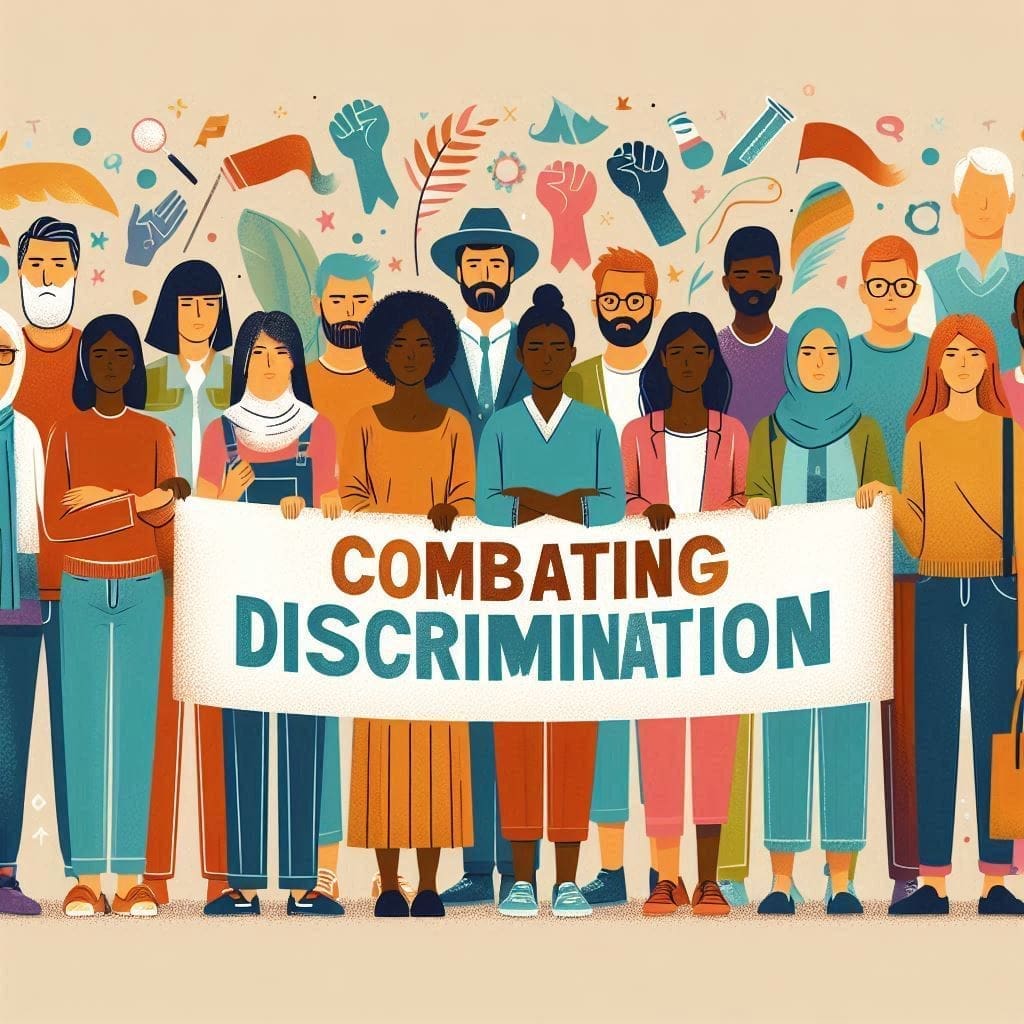
  • Overcoming Bias: Strategies for Combating Discrimination

    Overcoming Bias: Strategies for Combating Discrimination

    Advertisements

    Overcoming bias and combating discrimination requires a conscious effort and a commitment to change. It involves recognising and challenging our own biases, as well as actively working to create a more inclusive and fair environment. Here are some strategies for overcoming bias and combating discrimination:

    1. Educate yourself: The first step in combating bias is to educate yourself about the various forms of bias and discrimination that exist. This could involve reading books, articles, or attending workshops and trainings on diversity and inclusion. By increasing your awareness and understanding of bias, you can begin to challenge your own assumptions and beliefs.

    2. Self-reflection: Take the time to reflect on your own biases and prejudices. Try to identify where these biases come from and how they might be influencing your thoughts and actions. By acknowledging and confronting your own biases, you can begin to work towards overcoming them.

    3. Be open-minded: One of the key ways to combat bias is to be open-minded and receptive to different perspectives. When interacting with others, try to listen and understand their experiences and viewpoints, even if they differ from your own. This can help to break down stereotypes and promote empathy and understanding.

    4. Speak up: If you witness bias or discrimination in any form, speak up and be an advocate for change. This could involve challenging inappropriate comments or behaviours, supporting those who are being marginalised, or working to change policies and practices that perpetuate bias.

    5. Promote diversity and inclusion: Actively work to create a more inclusive and diverse environment in your workplace, school, or community. This could involve supporting diverse hiring practices, advocating for diverse representation in leadership roles, or organising events that celebrate different cultures and perspectives.

    6. Engage in conversations: Engage in conversations with others about bias and discrimination. By openly discussing these issues, you can help raise awareness and promote understanding. Encourage others to reflect on their own biases and consider how they can contribute to creating a more inclusive society.

    Overcoming bias and combating discrimination is an ongoing process that requires vigilance and dedication. By taking proactive steps to challenge bias and promote inclusion, we can work towards creating a more just and equitable world for all. Let’s all do our part to create a more inclusive and accepting society.

  • Blinded by Authority: The Impact of Authority Bias

    Blinded by Authority: The Impact of Authority Bias

    Advertisements

    In today’s world, where information is readily available at our fingertips, authority bias can be particularly dangerous. With the rise of social media and influencer culture, it is easy for individuals to present themselves as authorities in various fields without any real expertise or credentials. This can lead people to trust and follow advice that may not be accurate or evidence-based.

    One of the most famous examples of authority bias is the Milgram experiment, in which participants were instructed by an authority figure to administer electric shocks to another person. Despite the obvious moral implications of causing harm to another person, a large percentage of participants obeyed the authority figure’s commands. This experiment highlights how easily we can be swayed by authority, even when it goes against our moral compass.

    It is important to be aware of our own biases and to critically evaluate information before accepting it as true. Just because someone is considered an authority figure does not mean they are always right or have our best interests at heart. It is essential to fact-check, seek multiple sources of information, and consider alternative viewpoints before making decisions based on authority bias.

    In a world filled with misinformation and fake news, it is more important than ever to be vigilant against the influence of authority bias. By being aware of this cognitive bias and actively working to counteract it, we can make more informed decisions and avoid falling victim to manipulation by false authorities.