Tag: Criminology

  • Joseph Goebbels’ Propagandist Techniques

    Joseph Goebbels’ Propagandist Techniques

    Advertisements

    One of the key techniques used by Goebbels was the repetition of simple and catchy slogans. These slogans were often short and easy to remember, making them very effective in conveying the Nazi message. One of the most famous slogans used by the Nazis was “Ein Volk, ein Reich, ein Führer” (One people, one empire, one leader), which emphasised unity and loyalty to Hitler.

    Another technique employed by Goebbels was the use of scapegoating and demonetisation of certain groups, particularly the Jewish population. By blaming the Jews for Germany’s economic woes and portraying them as a threat to the nation, Goebbels fuelled anti-Semitic sentiments among the German people, leading to widespread discrimination and violence against Jewish individuals.

    Goebbels also controlled the media in Germany, ensuring that only pro-Nazi viewpoints were allowed to be disseminated. Any dissenting voices or information that contradicted the Nazi narrative were suppressed or censored. This manipulation of information helped to create a skewed reality for the German people, where they were only exposed to propaganda that reinforced Nazi beliefs.

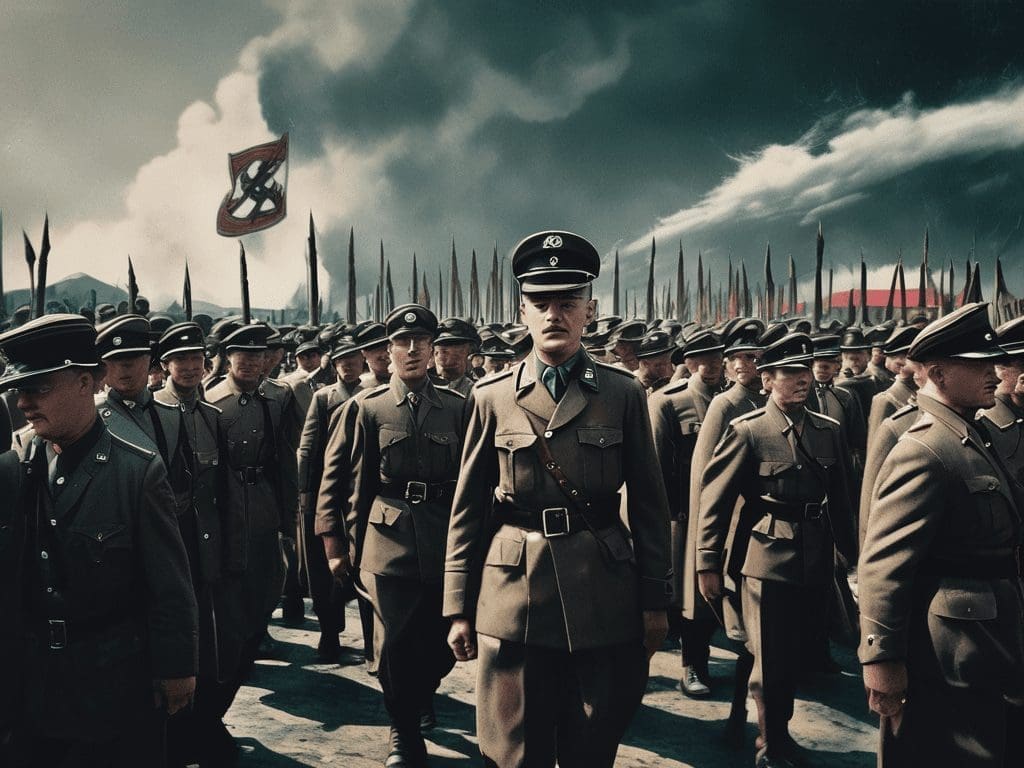
    Furthermore, Goebbels utilised the power of visual propaganda, including posters, films, and rallies, to create a sense of unity and excitement among the German population. These visual representations often depicted Hitler as a strong and charismatic leader, while demonising the enemies of the Nazi Party. By appealing to emotions and invoking nationalistic sentiments, Goebbels was able to rally support for the Nazi cause and glorify the regime in the eyes of the people.

    Overall, Joseph Goebbels’ propagandist techniques were incredibly effective in manipulating public opinion and shaping the beliefs of the German population during the Nazi era. By controlling the media, using catchy slogans, scapegoating certain groups, and utilising visual propaganda, Goebbels was able to indoctrinate the masses and garner support for the oppressive policies of the Nazi Party. His legacy serves as a stark reminder of the dangerous power of propaganda and the importance of critical thinking in the face of manipulation and misinformation.

  • The Russian Brotherhood

    The Russian Brotherhood

    Advertisements

    The Russian Brotherhood operates as a tightly-knit network of individuals who are bound by loyalty and a code of silence. Members of the organisation are expected to prioritise the interests of the group above all else, and betrayal is met with severe consequences. This code of conduct has earned the Bratva a reputation for its unwavering unity and fearlessness.

    Despite their criminal activities, the Russian Brotherhood is also known for its strong sense of community and loyalty to its members. Those who are part of the organisation are provided with protection and support, creating a tight-knit brotherhood that can be hard to infiltrate.

    The history of the Russian Brotherhood dates back to the Soviet era, when organised crime flourished under the oppressive regime. As the country transitioned to a market economy, these criminal elements expanded their operations and grew in power. Today, the Bratva has its hands in various industries and has a significant influence in Russian politics and economics.

    The Russian Brotherhood operates with a strict hierarchy, with a boss at the top overseeing various sub-groups and territories. This structure allows the organisation to maintain control and carry out its activities with precision and efficiency.

    While the Russian Brotherhood is a formidable force in the criminal underworld, it also poses a threat to the stability and security of Russia. The government has taken measures to crack down on organised crime, but the Bratva continues to operate with impunity, often using its extensive resources and connections to evade law enforcement.

    The Russian Brotherhood remains a mysterious and powerful entity that operates in the shadows, its influence extending far beyond its criminal activities. As long as the organisation continues to thrive, it will remain a force to be reckoned with in Russia and beyond.

  • Spotting Conspiracy to Commit a Crime

    Spotting Conspiracy to Commit a Crime

    Advertisements

    So, how can you spot a conspiracy to commit a crime? Here are some signs to look out for:

    1. Secretive behaviour: If you notice that a group of individuals is being overly secretive or evasive about their plans or activities, it could be a sign that they are conspiring to commit a crime. Pay close attention to any suspicious behaviour or conversations that you may overhear.

    2. Sudden change in behaviour: If someone you know suddenly starts exhibiting erratic behaviour or becomes unusually aggressive or hostile, it could be a sign that they are involved in a conspiracy to commit a crime. Keep an eye out for any drastic changes in demeanour or personality.

    3. Unexplained wealth or possessions: If someone you know suddenly comes into a large sum of money or expensive possessions without a plausible explanation, it could be a red flag that they are involved in criminal activity. Be wary of any sudden displays of wealth that seem out of character.

    4. Involvement with known criminals: If someone you know starts associating with individuals who have a known criminal history or are involved in illegal activities, it could be a sign that they are part of a conspiracy to commit a crime. Keep track of who your acquaintances are spending time with and be cautious of any questionable relationships.

    5. Unusual requests for help: If someone you know asks you to participate in a suspicious or illegal activity, it could be a sign that they are involved in a conspiracy to commit a crime. Trust your instincts and be wary of any requests that make you feel uncomfortable or uneasy.

    In conclusion, spotting a conspiracy to commit a crime requires attentiveness and awareness of your surroundings. If you notice any of the aforementioned signs or have a gut feeling that something isn’t right, don’t hesitate to report your suspicions to the authorities. It’s better to be safe than sorry and prevent harm from being done. Stay vigilant and keep an eye out for any suspicious behaviour that may indicate a conspiracy to commit a crime.

  • Crime Causation: Exploring Social, Biological, and Psychological Theories

    Crime Causation: Exploring Social, Biological, and Psychological Theories

    Advertisements

    Social theories of crime causation focus on the impact of environmental factors on an individual’s likelihood of engaging in criminal behaviour. These factors can include poverty, lack of access to education and employment opportunities, exposure to crime and violence in one’s community, and peer influence. According to social theorists, individuals who grow up in disadvantaged environments are more likely to resort to criminal activities as a means of coping with their circumstances. This theory highlights the importance of addressing systemic issues such as poverty and lack of education in order to prevent crime.

    Biological theories of crime causation suggest that genetics and other biological factors play a significant role in an individual’s propensity to commit crimes. Some researchers have identified a genetic component to criminal behaviour, while others point to factors such as brain dysfunction, hormone imbalances, and other physical traits as contributing to criminal tendencies. While these theories are controversial and have been criticised for oversimplifying the complex nature of human behaviour, they provide important insights into the role of biology in shaping criminal behaviour.

    Psychological theories of crime causation focus on individual factors such as personality traits, cognitive processes, and emotional experiences that may lead to criminal behaviour. Psychologists suggest that individuals who exhibit traits such as impulsivity, aggression, and lack of empathy are more likely to engage in criminal activities. Additionally, experiences such as childhood trauma, abuse, and neglect can influence an individual’s likelihood of becoming involved in criminal behaviour. By understanding the psychological factors that contribute to criminality, psychologists can develop interventions to address underlying issues and prevent future criminal acts.

    While each of these theories offers valuable insights into the complex phenomenon of crime causation, it is important to recognise that criminal behaviour is often influenced by a combination of social, biological, and psychological factors. A holistic understanding of crime causation requires an interdisciplinary approach that takes into account the multiple factors at play in shaping criminal behaviour. By exploring these different theories and considering the diverse influences on criminal behaviour, researchers and policymakers can develop more effective strategies for preventing crime and promoting social justice.

  • Female Genital Mutilation in the UK

    Female Genital Mutilation in the UK

    Advertisements

    FGM is a violation of human rights and can have lasting physical and psychological consequences for those who undergo it. The procedure can cause severe pain, infections, and even death. It can also lead to long-term health issues such as complications during childbirth, infertility, and psychological trauma.

    One of the key challenges in addressing FGM in the UK is the cultural and traditional beliefs that drive the practice. Many communities see FGM as a way to control women’s sexuality and ensure their purity and obedience. This deep-rooted foreign cultural practice makes it difficult for victims to come forward and seek help. FGM is now an issue in the UK due to the immigrants who’ve brought their culture with them.

    Despite the legal framework in place, there have been few successful prosecutions related to FGM in the UK. This may be due to a lack of awareness and understanding of the issue among law enforcement agencies, as well as challenges in gathering evidence and building cases.

    Efforts to tackle FGM in the UK have included awareness campaigns, training for professionals, and support services for victims. The National FGM Centre, jointly run by Barnardo’s and the Local Government Association, works to identify and safeguard those at risk of FGM. However, more needs to be done to eradicate this harmful practice and protect the rights of women and girls.

    It is imperative that we continue to raise awareness about FGM, challenge harmful cultural beliefs, and provide support for survivors. By working together as a society, we can put an end to this human rights violation and ensure the safety and well-being of all women and girls in the UK. Let us stand together against FGM and empower women to speak out and seek help.

  • Israel’s Criminal Justice System

    Israel’s Criminal Justice System

    Advertisements

    One of the primary criticisms of Israel’s criminal justice system is the treatment of Palestinian individuals who come into contact with the law . Due to the ongoing Israeli-Palestinian conflict, many Palestinians feel that they are unfairly targeted and discriminated against by Israeli authorities. Reports of arbitrary arrests, detention without trial, and use of excessive force have raised serious concerns about the Israeli government’s commitment to upholding human rights and international law.

    Another major issue within the criminal justice system is the treatment of African asylum seekers and migrants. Many of these individuals face systemic discrimination, police brutality, and lack of access to legal representation. The Israeli government’s policies towards asylum seekers have been widely criticised by human rights organisations, who argue that Israel is failing to fulfil its obligations under international law to protect and support refugees.

    Despite these criticisms, Israel does have several strengths within its criminal justice system. The country has a robust legal framework and an active judiciary that plays a crucial role in upholding the rule of law. Israel also has a strong police force that works diligently to investigate and prosecute criminal activities.

    In recent years, there have been efforts to reform and improve various aspects of Israel’s criminal justice system. Initiatives to increase transparency, accountability, and access to legal representation have been introduced, signalling a commitment to addressing some of the system’s shortcomings.

    In conclusion, Israel’s criminal justice system is a complex and multifaceted institution that faces numerous challenges. While there are undoubtedly areas in need of improvement, there are also positive developments and efforts to reform the system for the better. As the Israeli government continues to navigate these issues, it is crucial that all individuals within the country are treated fairly and equally under the law.

  • Crime and Deviance: An Examination of Theoretical Frameworks

    Crime and Deviance: An Examination of Theoretical Frameworks

    Advertisements

    One of the most prominent theoretical frameworks in criminology is the social control theory, which suggests that individuals engage in criminal behaviour when their social bonds to society are weak or broken. According to this theory, people are more likely to commit crimes when they lack strong attachments to conventional institutions such as family, school, and work. This lack of social bonds can lead individuals to engage in deviant behaviour as a way to seek status or identity in alternative groups that may promote criminal activity.

    Another influential theoretical framework is strain theory, which posits that individuals turn to criminal behaviour when they are unable to achieve socially valued goals through legitimate means. This theory suggests that individuals may experience strain when they are unable to achieve success or status through conventional avenues, leading them to engage in deviant behaviour as a way to attain these goals through illegitimate means.

    In contrast, labelling theory focuses on the societal reaction to deviant behaviour and how individuals are labelled as criminals or deviant by society. This theory asserts that individuals who are labelled as deviant by society may internalise this label and engage in further criminal behaviour as a result. The stigmatisation and marginalisation of individuals labelled as deviant can perpetuate a cycle of criminal behaviour and social exclusion.

    Finally, conflict theory offers a critical perspective on crime and deviance by examining how power dynamics and social inequalities contribute to criminal behaviour. According to conflict theorists, the criminal justice system is often biased against marginalised groups such as racial minorities and low-income individuals, leading to disparities in arrests, convictions, and sentencing. This can perpetuate cycles of poverty and criminality among disadvantaged communities.

    Overall, these theoretical frameworks offer valuable insights into the complex nature of crime and deviance in society. By analysing the root causes of criminal behaviour and societal reactions to it, researchers can develop more effective strategies for preventing and addressing crime in our communities. It is essential to consider the social, economic, and political factors that contribute to criminal behaviour in order to create a more just and equitable society for all.