Crime and deviance are pervasive issues in society that have been studied for years by sociologists and criminologists. In order to understand the reasons behind criminal behaviour and societal reactions to it, various theoretical frameworks have been developed to analyse and explain these phenomena.
Advertisements
One of the most prominent theoretical frameworks in criminology is the social control theory, which suggests that individuals engage in criminal behaviour when their social bonds to society are weak or broken. According to this theory, people are more likely to commit crimes when they lack strong attachments to conventional institutions such as family, school, and work. This lack of social bonds can lead individuals to engage in deviant behaviour as a way to seek status or identity in alternative groups that may promote criminal activity.
Another influential theoretical framework is strain theory, which posits that individuals turn to criminal behaviour when they are unable to achieve socially valued goals through legitimate means. This theory suggests that individuals may experience strain when they are unable to achieve success or status through conventional avenues, leading them to engage in deviant behaviour as a way to attain these goals through illegitimate means.
In contrast, labelling theory focuses on the societal reaction to deviant behaviour and how individuals are labelled as criminals or deviant by society. This theory asserts that individuals who are labelled as deviant by society may internalise this label and engage in further criminal behaviour as a result. The stigmatisation and marginalisation of individuals labelled as deviant can perpetuate a cycle of criminal behaviour and social exclusion.
Finally, conflict theory offers a critical perspective on crime and deviance by examining how power dynamics and social inequalities contribute to criminal behaviour. According to conflict theorists, the criminal justice system is often biased against marginalised groups such as racial minorities and low-income individuals, leading to disparities in arrests, convictions, and sentencing. This can perpetuate cycles of poverty and criminality among disadvantaged communities.
Overall, these theoretical frameworks offer valuable insights into the complex nature of crime and deviance in society. By analysing the root causes of criminal behaviour and societal reactions to it, researchers can develop more effective strategies for preventing and addressing crime in our communities. It is essential to consider the social, economic, and political factors that contribute to criminal behaviour in order to create a more just and equitable society for all.
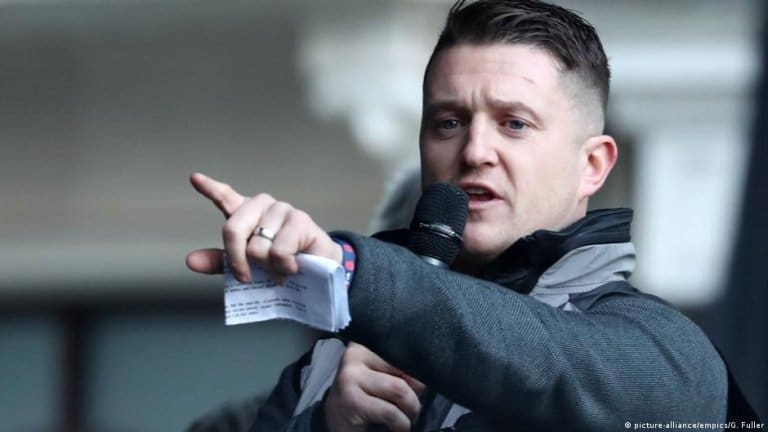
Tommy Robinson, born Stephen Christopher Yaxley-Lennon, is a prominent figure in the UK’s far-right political landscape. Known for his inflammatory rhetoric and staunch anti-immigrant stance, Robinson has drawn both fervent support and fierce criticism. But what lies beneath the surface of this controversial figure? What psychological factors may be driving his beliefs and actions? Amidst the chaos and uproar, there are some truths that Robinson has spoken that cannot be overlooked.
Advertisements
One key aspect of Robinson’s psychology is his susceptibility to conspiracy theories. Throughout his career, he has peddled various unfounded claims about the supposed Islamisation of Britain and the complicity of authorities in covering up crimes committed by Muslim immigrants. This reflects a tendency towards paranoia and a deep-seated belief in a world where shadowy forces are working against the interests of the “common man”.
This susceptibility to conspiracy theories not only affects Robinson’s personal beliefs and actions but also influences the larger social and political discourse. His promotion of unfounded claims can contribute to the spread of misinformation and division within communities. It can also erode trust in established institutions and fuel feelings of fear and mistrust among the public.
Furthermore, Robinson’s tendency towards paranoia and belief in shadowy forces actively works against efforts to foster unity and understanding within diverse societies. By perpetuating narratives that demonise certain groups and promote fear and suspicion, he contributes to a climate of tension and hostility, hindering the progress towards a more inclusive and harmonious society. It’s crucial to critically examine and challenge such narratives in order to promote cooperation, empathy, and informed dialogue in our communities.
Nevertheless, NOT everything Tommy says is wrong. Tommy, in his mind, is trying to save Britain. One of the truths that Robinson has brought to light is the issue of grooming gangs in the UK. He has been a vocal critic of these gangs and their heinous activities, often pointing out the failures of law enforcement and the authorities in addressing this disturbing trend. Despite facing backlash for his outspokenness on this topic, Robinson has forced many to confront the uncomfortable reality of these grooming gangs and the innocent victims they prey upon.
Another truth that Robinson has spoken about is the threat of radical Islamism in Europe. He has been a vocal opponent of Islamic extremism and has spoken out against the dangers that this ideology poses to Western societies. While some have criticised him for painting all Muslims with the same brush, Robinson has brought attention to the real and present dangers of radical Islamism and the need for vigilance in combating this threat.
Robinson has also been critical of the mainstream media, accusing them of bias and dishonesty in their reporting. While some may dismiss his claims as conspiracy theories, there is no denying the power and influence of the media in shaping public opinion. Robinson’s criticisms have forced many to question the objectivity and integrity of the mainstream media, prompting a much-needed debate on the role of the press in a democratic society.
Robinson’s upbringing also plays a significant role in shaping his worldview. Growing up in Luton, a town known for its racial tensions, Robinson experienced firsthand the effects of multiculturalism and perceived injustices towards the white working class. This environment likely contributed to his sense of victimhood and fuelled his desire to fight back against what he sees as the erosion of British values. Robinson’s early life experiences in Luton, a town with a complex social fabric, shed light on the formative influences that have shaped his perspectives. From grappling with racial tensions to witnessing perceived injustices towards the white working class, these experiences undoubtedly left a lasting impact on him, influencing his views on multiculturalism, societal inequalities, and national identity. Such a nuanced environment would have undoubtedly played a pivotal role in shaping Robinson’s beliefs and motivations, providing context for his outspoken stance on what he perceives as the erosion of British values.
Another aspect of Robinson’s psychological profile is his authoritarian personality. He exhibits a clear preference for order and hierarchy, along with a strong distrust of outsiders and those who challenge established norms. This authoritarian streak is evident in his confrontational tactics and his willingness to trample on the rights of others in the name of preserving what he sees as the true British identity.
Robinson’s charisma and ability to tap into the fears and anxieties of his supporters also point to a certain level of narcissism. He thrives on the attention and adulation of his followers, and his willingness to confront perceived enemies head-on speaks to a deep-seated need for validation and admiration. This manipulative behaviour is often rooted in an inflated sense of self-importance and a lack of empathy for others. His charisma may also serve as a facade to mask underlying insecurities and personal inadequacies. It’s important to recognise the impact of such behaviour on both the individual and those around them, as unchecked narcissism can lead to damaging relationships and a reluctance to acknowledge personal faults. Understanding the complexities of narcissistic traits can provide insight into the dynamics of power and influence within social and political spheres.
Despite his controversial reputation, there are undeniable truths that Robinson has spoken about that cannot be ignored. While he may not always express himself in the most diplomatic or politically correct way, his willingness to address uncomfortable truths and challenge the status quo is commendable. Whether you agree with him or not, Tommy Robinson has sparked important conversations and shed light on issues that many would prefer to sweep under the rug. Love him or hate him, there are truths that Robinson has spoken that should not be dismissed.
Taking into account these psychological dynamics provides an insight into the complexities behind Tommy Robinson’s beliefs and actions. It underscores the importance of understanding the underlying motivations and influences that shape his worldview and behaviour, shedding light on the potential factors contributing to his impact and potential for change in the future.
In conclusion, the psychological profile of Tommy Robinson is complex and multidimensional. From his susceptibility to conspiracy theories and authoritarian tendencies to his narcissistic traits and sense of victimhood, a number of factors seem to be driving his beliefs and actions. Understanding these underlying psychological dynamics is crucial in evaluating the impact of his rhetoric and the potential for change in the future.
Crimes have been a part of human society for centuries, and psychologists have long been interested in understanding the root causes of criminal behaviour. The field of forensic psychology seeks to apply psychological theories and principles to better understand and prevent crime.
Advertisements
One of the most well-known theories in the field is the social learning theory, which suggests that people learn behaviours through observation and imitation of others. This theory has been used to explain how criminal behaviour can be passed down through generations within families or communities.
Another popular theory is the psychological trait theory, which examines how individual personality characteristics may predispose someone to criminal behaviour. For example, individuals who are impulsive, sensation-seeking, or lack empathy may be more likely to engage in criminal activities.
The psychodynamic theory, developed by Sigmund Freud, suggests that unconscious conflicts and desires may drive criminal behaviour. This theory explores how childhood experiences and unresolved conflicts can manifest in criminal behaviour later in life.
The cognitive theory focuses on how criminals perceive and process information differently than non-criminals. This theory suggests that certain cognitive biases, such as overestimating potential rewards and underestimating risks, can lead individuals to engage in criminal behaviour.
These theories have been applied in various ways to help understand, prevent, and treat criminal behaviour. For example, forensic psychologists may use cognitive-behavioral therapy to help offenders recognise and change their thought patterns and behaviours that contribute to criminal conduct.
Additionally, psychologists may use risk assessment tools to predict the likelihood of reoffending and develop interventions to reduce the risk of future criminal behaviour. By understanding the psychological factors that contribute to crime, psychologists can help develop more effective prevention and intervention strategies.
Types of Crime Theories
Crime and the field of psychology have been intertwined for centuries, as psychologists seek to understand the root causes of criminal behaviour and develop strategies to prevent and rehabilitate offenders. There are several types of theory within psychology that aim to explain criminal behaviour, including:
Biological Theories: These theories suggest that certain biological factors, such as genetics and brain abnormalities, may predispose individuals to criminal behavior.
Sociological Theories: These theories focus on the impact of social and environmental factors, such as poverty, inequality, and neighborhood influences, on criminal behavior.
Understanding the psychology of crime is crucial for creating effective crime prevention strategies and promoting rehabilitation within the criminal justice system. Overall, the field of forensic psychology plays a crucial role in our understanding of crime and criminal behaviour. By applying psychological theories and principles, psychologists can help identify and address the underlying factors driving criminal behaviour, ultimately leading to safer communities and a better understanding of human behaviour.
When we think about crime, it is important to consider the various factors that intersect in shaping an individual’s experiences. One such intersection is the relationship between gender, race, and crime. The study of these three elements through an intersectional lens allows us to understand the complex dynamics that influence an individual’s likelihood of engaging in criminal behaviour.
Advertisements
Gender has long been recognised as a significant determinant of crime. Traditionally, men have been overrepresented in criminal statistics, leading to the development of theories such as social learning theory and control theory, which argue that males are socialised to be more aggressive and impulsive, leading to higher rates of criminal behaviour. However, it is crucial to acknowledge that gender is not a monolithic category, and that the experiences of women, nonbinary individuals, and transgender individuals must also be taken into account when analysing crime.
Race also plays a significant role in shaping individuals’ interactions with the criminal justice system. People of colour, particularly Black and Latinx individuals, are disproportionately represented in arrest and incarceration rates. The intersection of race and crime has been examined through theories such as strain theory and labelling theory, which highlight the impact of systemic racism and discrimination on communities of colour.
When gender and race intersect, the dynamics of crime become even more complex. Intersectionality theory, developed by Kimberlé Crenshaw, posits that individuals’ experiences are shaped by multiple intersecting identities, such as race, gender, and class. For example, Black women may face unique challenges in the criminal justice system due to the intersection of their race and gender, such as being perceived as more aggressive or threatening than white women.
Understanding the intersection of gender, race, and crime is essential for developing more effective crime prevention and intervention strategies. By considering how these intersecting identities shape individuals’ experiences, we can work towards a more equitable and just criminal justice system. Additionally, by recognising the unique challenges faced by marginalised communities, we can work towards dismantling systems of oppression that perpetuate cycles of crime and incarceration.
In conclusion, an intersectional analysis of theoretical perspectives on gender, race, and crime is essential for understanding the complex dynamics that influence individuals’ interactions with the criminal justice system. By acknowledging the interconnected nature of these factors, we can work towards a more just and equitable society for all.
Crime prevention and control are two crucial aspects of maintaining a safe and secure society. By implementing criminological theories into practice, law enforcement agencies can effectively address and reduce crime rates.
Advertisements
One of the most commonly used criminological theories is the routine activity theory developed by Lawrence Cohen and Marcus Felson. This theory suggests that crime is most likely to occur when three key elements are present: a motivated offender, a suitable target, and the absence of a capable guardian. By understanding these elements, law enforcement agencies can develop strategies to disrupt the potential for crime. For example, increasing police presence in high-crime areas can act as a capable guardian and deter potential offenders from committing crimes.
Another important criminological theory is the social learning theory, which suggests that individuals learn criminal behaviour through interactions with others. By targeting at-risk populations and providing them with alternative opportunities and resources, law enforcement agencies can work towards preventing future criminal behaviour. Programs such as mentoring and job training can help individuals break the cycle of crime and make positive contributions to society.
The broken windows theory is another criminological theory that has been widely used in crime prevention strategies. This theory posits that visible signs of disorder, such as graffiti and broken windows, can signal to potential offenders that an area is not being monitored and is therefore a safe place to commit crimes. By addressing these signs of disorder through measures such as community clean-up initiatives and increased maintenance efforts, law enforcement agencies can create a sense of order and safety in communities.
Our bodies have their own language, one that is often more telling than the words we speak. Whether through subtle gestures, facial expressions, or physical movements, our bodies are constantly communicating messages to those around us. This nonverbal communication can sometimes be even more powerful and insightful than our spoken words.
Advertisements
Think about the way someone crosses their arms or furrows their brow when they are feeling defensive or uncomfortable. Or how a smile and nod can convey agreement and understanding without a single word being uttered. These simple actions can speak volumes about our thoughts and emotions, sometimes revealing more about us than we realise.
One of the most interesting aspects of nonverbal communication is that it is often unconscious. We may not even be aware of the messages our bodies are sending, but others can pick up on them easily. This can be both a blessing and a curse – while it allows us to convey our emotions and intentions without speaking, it also means that others can sometimes misinterpret or misread our body language.
Learning to read and understand the language of the body can be a valuable skill in both personal and professional relationships. By paying attention to the nonverbal cues of those around us, we can gain a deeper understanding of their feelings and reactions. This can help us navigate conflicts, build trust, and strengthen our connections with others.
On the flip side, being aware of our own body language can also be crucial in effective communication. By learning to control our gestures, facial expressions, and posture, we can ensure that our nonverbal cues align with our spoken words. This can help us appear more confident, trustworthy, and engaging in our interactions with others.
In a world where we are constantly bombarded with words and information, the language of the body offers a refreshing and often more authentic form of communication. So next time you find yourself in a conversation, pay attention to the unspoken messages being exchanged – you may just find that they speak louder than words.
Disney is a beloved brand that has been entertaining audiences for nearly a century. From classic animated films like “Snow White and the Seven Dwarfs” to modern blockbusters like “Frozen,” Disney has captured the hearts of millions around the world. However, despite its wholesome image, there are many conspiracy theories that surround the company and its founder, Walt Disney.
Advertisements
One of the most well-known conspiracy theories involving Disney is the idea that Walt Disney himself was cryogenically frozen after his death in 1966. The rumour suggests that Disney was interested in the idea of cryogenics and had his body preserved in the hopes of being revived in the future. While this theory has been debunked by Disney officials and experts in the field, it continues to persist in popular culture.
Another conspiracy theory involving Disney is the idea that the company includes subliminal messages in its films and theme park attractions. Some believe that Disney is using these messages to manipulate its audience or promote hidden agendas. One example often cited is the alleged appearance of the word “sex” in the clouds during a scene in “The Lion King.” While Disney has denied intentionally including subliminal messages in its content, the theory continues to circulate among conspiracy theorists.
There are also theories that suggest Disney has a dark and sinister side, with some believing that the company is involved in secret government operations or even satanic rituals. These theories often point to supposed hidden symbols in Disney films or connections to secret societies. While there is no concrete evidence to support these claims, they have gained traction among those who are sceptical of the company’s seemingly perfect image.
Overall, conspiracy theories involving Disney are a fascinating and often unsettling aspect of the company’s history. While many of these theories are based on speculation and hearsay, they continue to capture the imagination of those who are intrigued by the idea of a darker side to the world of magic and fantasy that Disney has created. Whether true or not, these theories add an additional layer of intrigue to the already complex and multifaceted world of Disney.