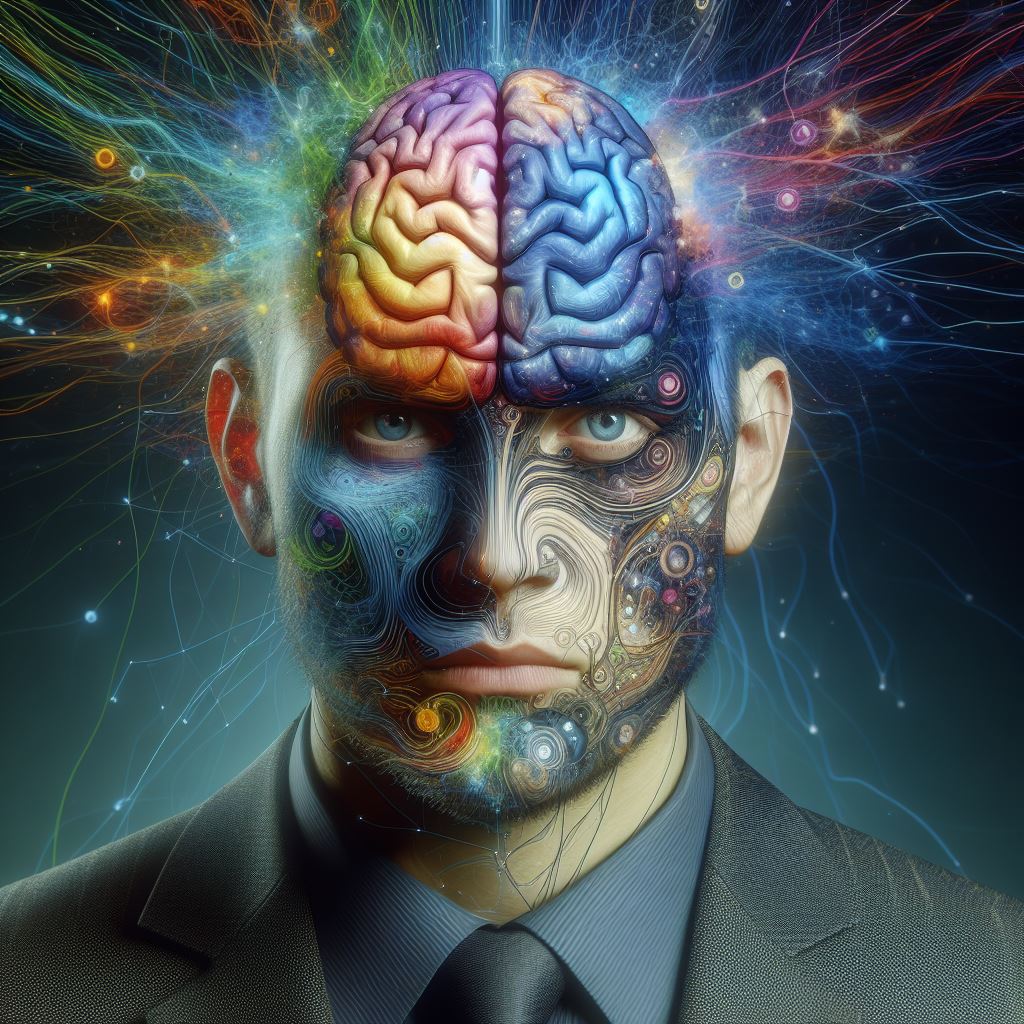
As human beings, we are constantly bombarded with an overwhelming amount of information each day. From the moment we wake up until we go to sleep, our brains are working tirelessly to process the world around us. But have you ever stopped to think about how exactly we do this?
The process of perceiving and understanding the world around us is intricate and fascinating. Our brains have evolved over millions of years to become incredibly efficient at processing sensory information, allowing us to navigate our environment and make sense of what’s happening around us.
One of the primary ways we process the world is through our senses. We have five main senses – sight, hearing, smell, taste, and touch – that help us gather information about our surroundings. Our eyes allow us to see and detect visual cues, our ears pick up sounds and enable us to hear, our noses help us smell and identify different scents, our taste buds allow us to taste and distinguish flavours, and our skin allows us to feel textures and temperatures through touch. All these sensory inputs are constantly being relayed to the brain, where they are interpreted and translated into meaningful information.
But our perception is not solely reliant on sensory input. Our brains also rely heavily on previous experiences, knowledge, and expectations to make sense of the world. This is why two individuals can interpret the same situation differently based on their personal backgrounds and perspectives. Our brains are constantly making predictions and using pattern recognition to categorise and interpret stimuli. This is useful for survival – our brains can quickly identify potential threats or familiar objects in our environment.
However, this reliance on predictions and pattern recognition can sometimes lead to errors or biases in our perception. Our brains can sometimes “fill in the gaps” when faced with incomplete information or rely on stereotypes and preconceived notions when interpreting new situations. This is known as cognitive bias and can influence our understanding of the world and how we interact with others.
Another important aspect of how we process the world is attention. Our brain is constantly filtering out irrelevant information to focus on what’s important. This selective attention allows us to concentrate on specific stimuli while ignoring distractions. For example, when faced with a crowded room, our brain can tune out background noise to focus on the conversation we are having. However, this also means that we might miss out on important details or fail to notice things happening around us if we are not paying attention.
Our ability to process the world around us is a complex and intricate process that involves our senses, previous experiences, expectations, biases, and attention. Understanding how our brains make sense of the world can help us be more aware of our own biases and perceptions and enable us to better navigate and understand the diverse world we live in. So next time you find yourself marvelling at the intricacies of the world around you, take a moment to appreciate the fascinating ways in which your brain processes it all.
Share this:

You Might Also Enjoy Reading