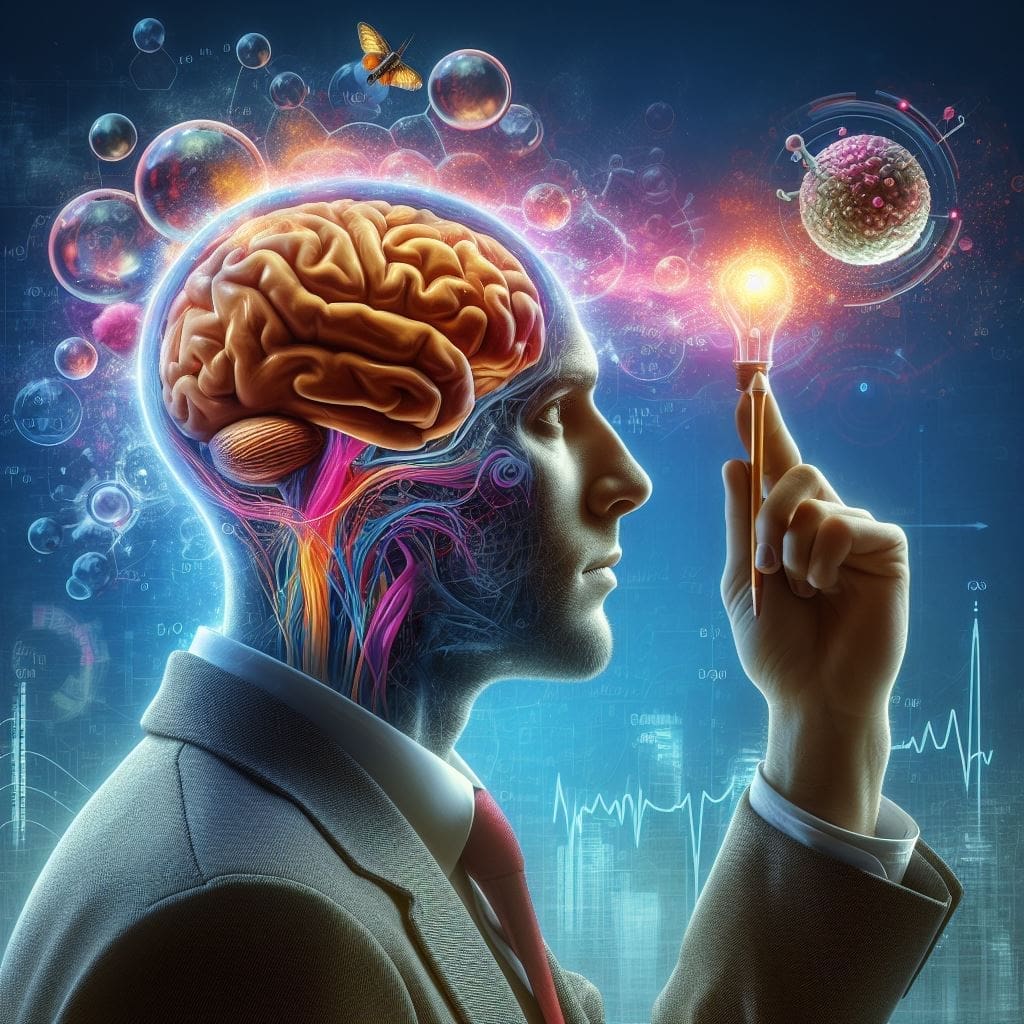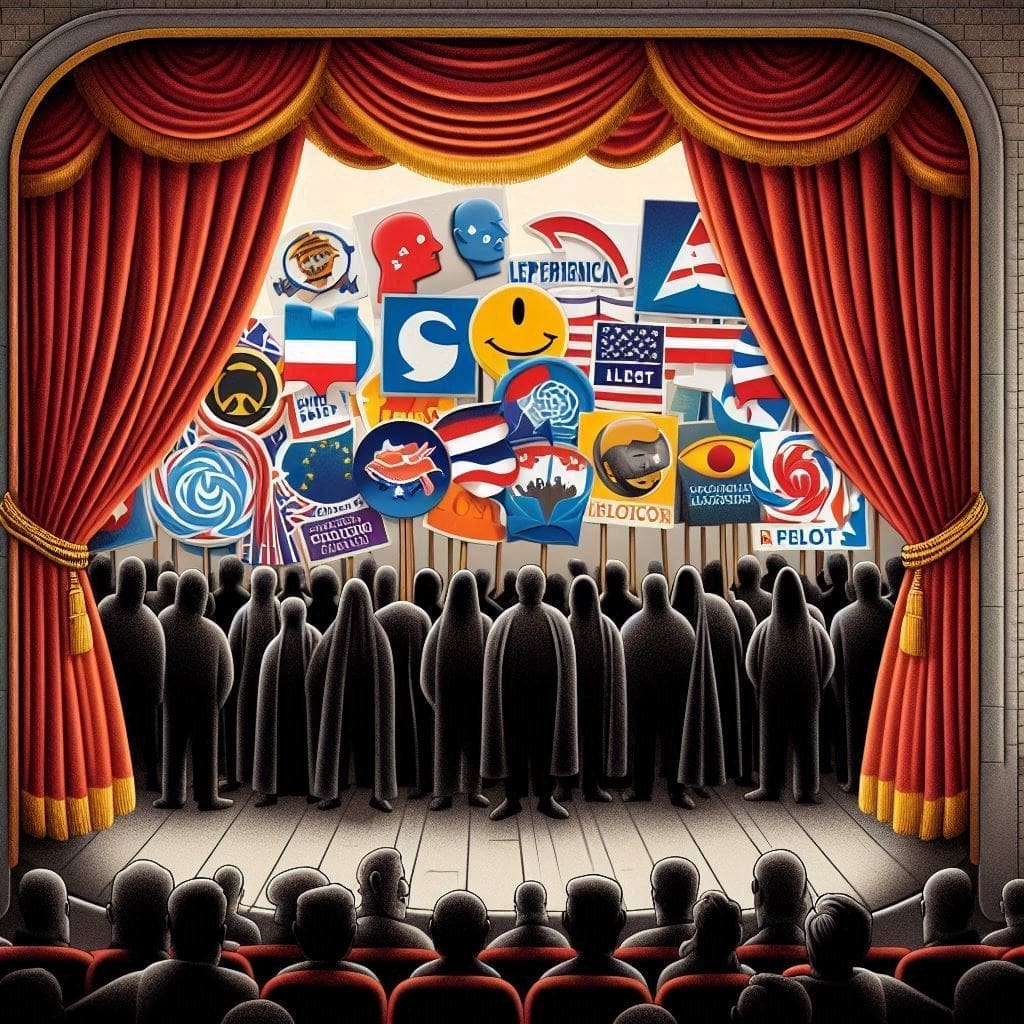

When it comes to politics, people often fall into one of two camps: left or right, liberal or conservative. These labels are often used to quickly categorise someone’s political beliefs, but behind the curtain of these broad ideologies lies a complex web of beliefs, values, and experiences that shape an individual’s political views.
Political ideologies are not one-size-fits-all. While someone may identify as a liberal, they may not agree with all liberal policies and values. Similarly, a conservative may not adhere to all conservative beliefs. It is important to recognise that political views are nuanced and multi-faceted, shaped by a myriad of factors such as upbringing, education, culture, and personal experiences.
One’s political views are often influenced by their family and community. Growing up in a conservative household may lead someone to adopt conservative beliefs, while being exposed to liberal ideas in college may push someone towards a more liberal ideology. Our social circles and the media we consume also play a role in shaping our political views, reinforcing our beliefs and values or challenging them with alternative perspectives.
Personal experiences also play a significant role in shaping political ideologies. Someone who has experienced discrimination or hardship may be more inclined to support policies that address social and economic inequality, while someone who has achieved success through hard work may prioritise individual freedom and limited government intervention.
It is important to recognise the complexity of political beliefs and not to pigeonhole individuals based on a broad label. By engaging in open and respectful dialogue, we can better understand the nuances behind someone’s political views and foster a deeper understanding of the diverse perspectives that shape our society.
In conclusion, political views and ideologies are not simply black and white. Behind the curtain of broad labels lie a complex web of beliefs, values, and experiences that shape an individual’s political identity. By recognising the nuances and diversity of political beliefs, we can foster a more inclusive and understanding political discourse.
Share this:

You Might Also Enjoy Reading