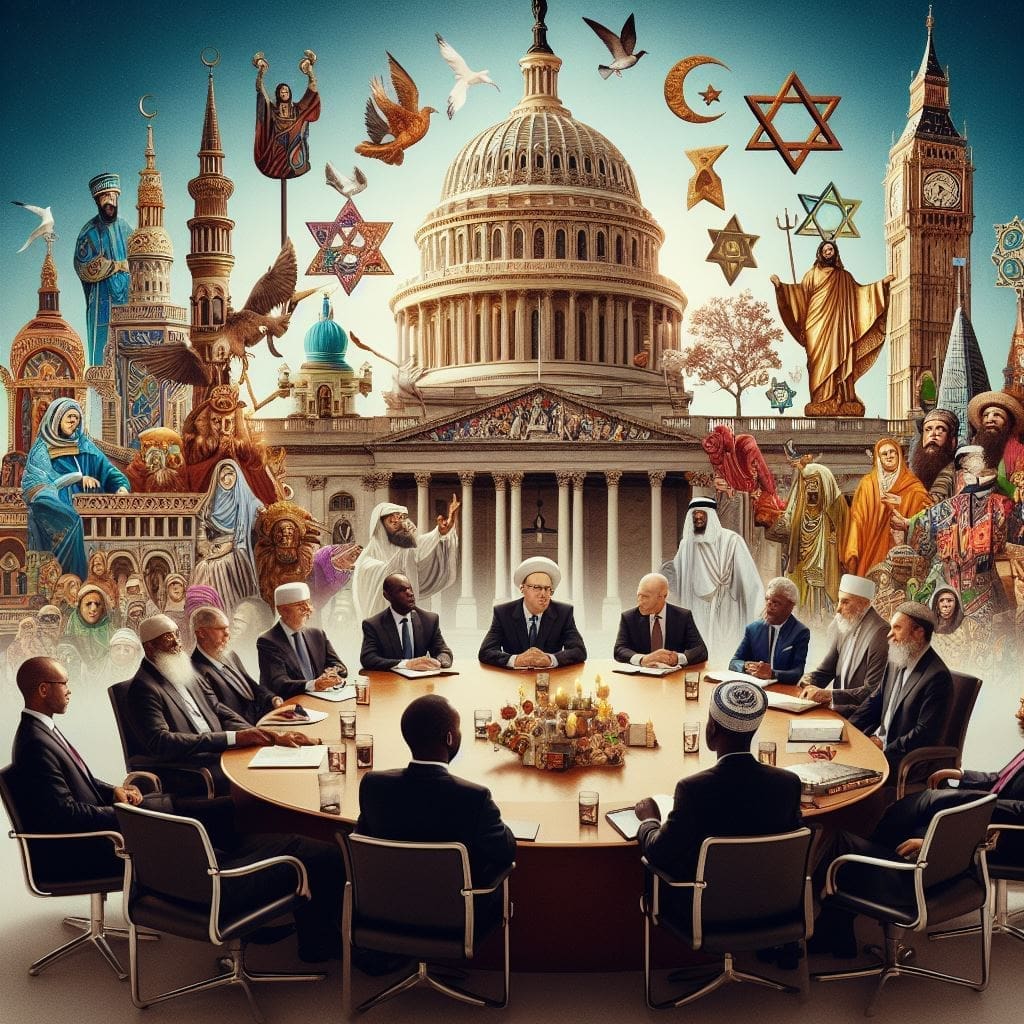

Religion has always played a significant role in shaping societies and influencing the state apparatus. Throughout history, rulers and governments have utilised religion to legitimise their power, control their subjects, and maintain social order. The relationship between religion and the state is complex and multifaceted, with both positive and negative implications.
One of the primary functions of religion in the state apparatus is to provide a moral and ethical framework for governance. Many laws and policies are founded on religious principles and beliefs, shaping the values and norms of society. In some cases, religious institutions are directly involved in governing and decision-making processes, influencing policies on issues such as education, healthcare, and social welfare.
Religion also plays a role in maintaining social cohesion and unity within a state. Shared religious beliefs and practices can foster a sense of community and solidarity among citizens, promoting social harmony and cooperation. In many countries, religious institutions serve as a platform for social and civic engagement, providing vital services and support to marginalised communities.
However, the integration of religion into the state apparatus can also lead to challenges and conflicts. The imposition of religious laws and restrictions can infringe upon individual rights and freedoms, stifling dissent and diversity. Religious conflicts and divisions can also undermine social stability and political unity, fuelling tensions and violence within societies.
Furthermore, the entanglement of religion and politics can create a hierarchical power structure where religious leaders hold significant influence over political decisions and policies. This can lead to the concentration of power and the marginalisation of minority groups who do not adhere to the dominant religious beliefs.
In a democratic society, it is essential to strike a balance between respecting religious freedoms and maintaining the separation of church and state. Governments must uphold the principle of secularism, ensuring that all citizens have the freedom to practise their religious beliefs without undue interference from the state. At the same time, religious institutions should adhere to the rule of law and respect the rights and freedoms of all individuals, regardless of their religious affiliations.
Ultimately, the role of religion in the state apparatus is a complex and nuanced issue that requires careful consideration and balance. While religion can provide a moral and ethical framework for governance and foster social cohesion, it must not be used to justify discrimination, oppression, or the violation of human rights. By promoting tolerance, inclusivity, and respect for diversity, societies can harness the positive aspects of religion while mitigating its potential negative consequences in the state apparatus.
Share this:

You Might Also Enjoy Reading