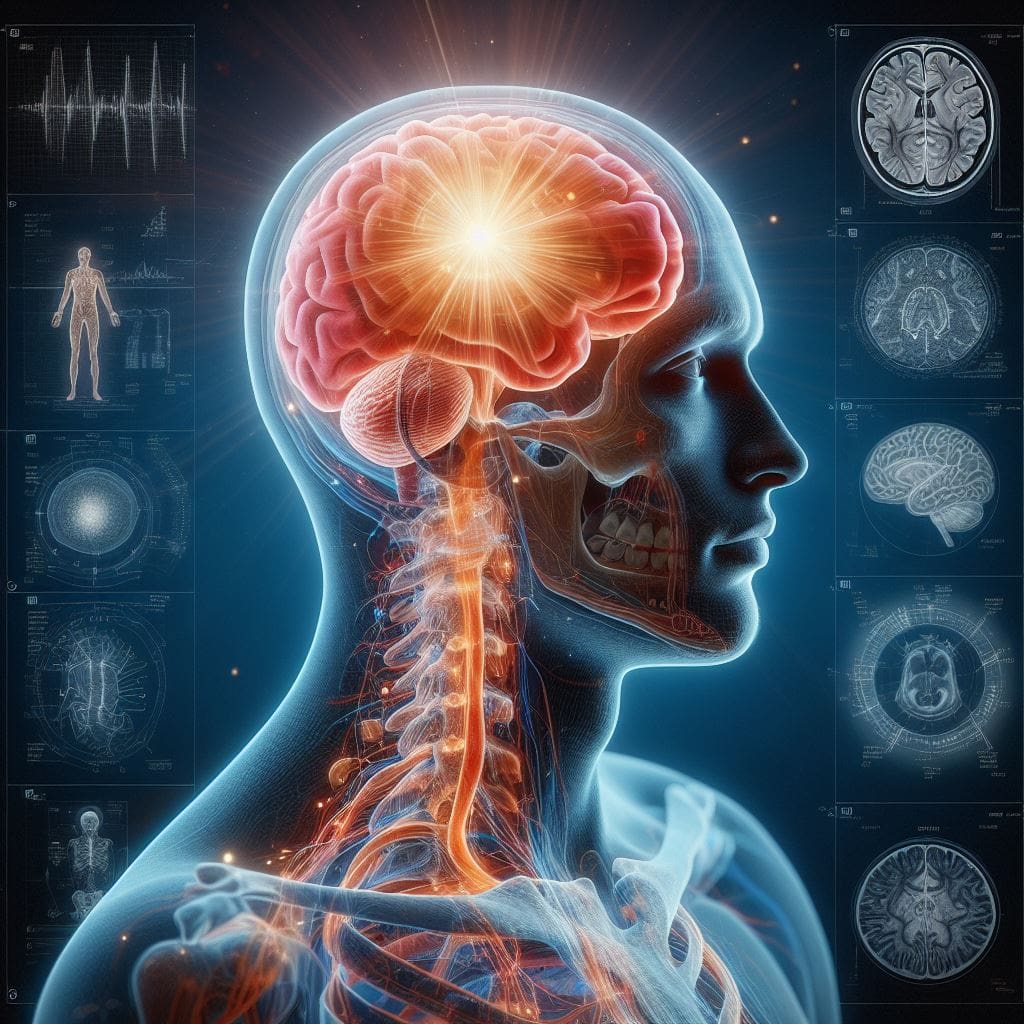

Our brain is an intricate network of interconnected regions, each responsible for specific functions that keep us functioning and help us navigate the world. Two key players in this complex web are the prefrontal cortex and the limbic system. These regions work in tandem to regulate our emotions, behaviour, and decision-making processes.
The prefrontal cortex, located in the front part of the brain, is responsible for higher cognitive functions such as planning, reasoning, and problem-solving. It is often referred to as the “thinking brain” or the brain’s CEO. On the other hand, the limbic system, located deep within the brain, is responsible for processing emotions, memories, and responses to stimuli. It is often called the “emotional brain” or the brain’s amygdala.
The prefrontal cortex and the limbic system are connected through a series of neural pathways that transmit information between them. One key connection is the amygdala, a small almond-shaped structure within the limbic system. The amygdala plays a crucial role in processing emotions, particularly fear-related responses. When we encounter a threatening situation, the amygdala sends signals to the prefrontal cortex, prompting a coordinated response.
However, it is the prefrontal cortex that helps modulate and regulate the kind of response we give. For example, if we encounter a snake, our amygdala may trigger a fear response, causing us to run away. But the prefrontal cortex steps in, evaluating the situation and considering other factors, such as the snake’s potential danger or whether it is even a snake at all. It then helps us make a more reasoned decision, possibly leading to a less exaggerated response like calmly stepping away or seeking help.
This interaction between the prefrontal cortex and the limbic system is crucial for maintaining emotional balance. When functioning properly, the prefrontal cortex helps regulate the limbic system’s impulses, preventing us from being overwhelmed by emotions. It helps us control our emotional responses to various situations and make rational decisions rather than acting solely out of instinct.
However, the prefrontal cortex and the limbic system do not always work in perfect harmony. Stress, trauma, and certain mental health disorders can disrupt this delicate balance, leading to emotional dysregulation and impulsive behaviour. In individuals with conditions like post-traumatic stress disorder (PTSD), the amygdala may become overactive, resulting in exaggerated fear responses that can impair daily functioning.
Understanding how these brain regions function and interact can help us comprehend our emotional responses better. It sheds light on why we sometimes react strongly to certain situations and struggle to control impulsive behaviours. It also emphasises the importance of maintaining a healthy prefrontal cortex and limbic system balance through practices like stress reduction, mindfulness, and therapy.
Moreover, research suggests that we can enhance the functioning of the prefrontal cortex through activities such as meditation, exercise, and thoughtful decision-making exercises. Engaging in these activities helps strengthen the neural connections within the prefrontal cortex and improve its ability to regulate emotional responses. By training our prefrontal cortex, we cultivate emotional resilience, better decision-making skills, and improved overall well-being.
How The PFC and the Limbic System Interact
1. The prefrontal cortex receives and processes sensory information.
2. The prefrontal cortex regulates emotions and thoughts.
3. The prefrontal cortex makes decisions and plans actions.
4. The prefrontal cortex sends signals to the limbic system.
5. The limbic system interprets the signals and generates emotional responses.
6. The limbic system influences behaviour and physiological functions.
7. The prefrontal cortex and limbic system work together to coordinate cognitive and emotional processes.
Conclusion
In conclusion, the prefrontal cortex and the limbic system are key players in our brain’s emotional control centre. While the limbic system processes emotions, it’s the prefrontal cortex that helps modulate and regulate our emotional responses. Understanding their interaction and implementing strategies to maintain a healthy balance can lead to improved emotional regulation, better decision-making, and a greater sense of well-being.
Share this:

You Might Also Enjoy Reading