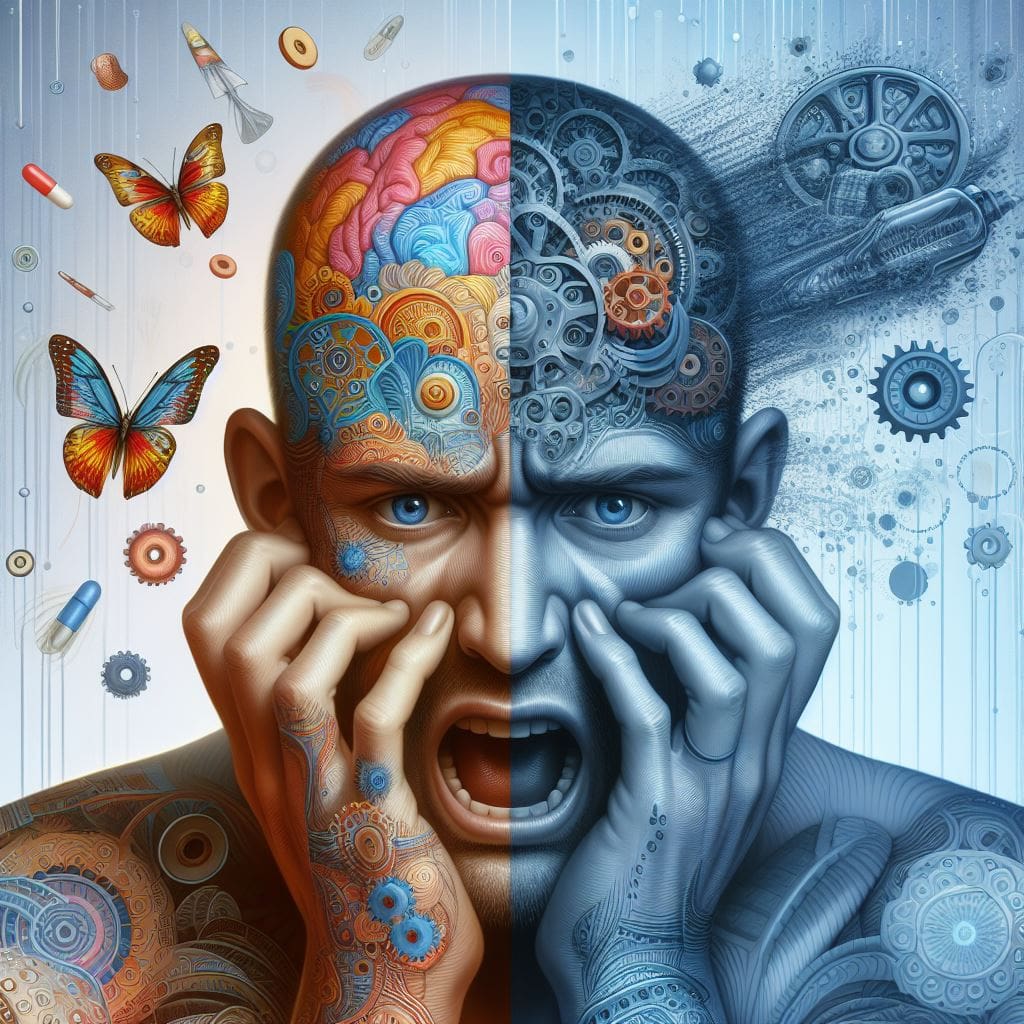

Bipolar disorder, also known as manic-depressive illness, is a mental health condition characterised by extreme mood swings. People with bipolar disorder experience episodes of mania, where they feel elated and energetic, and episodes of depression, where they feel low and lacking in motivation. These mood swings can significantly impact a person’s life and overall well-being. While there are various factors that contribute to the development and exacerbation of bipolar disorder, psychosocial stressors play a crucial role in triggering and maintaining the symptoms of this condition.
Psychosocial stressors are environmental factors that can cause emotional distress and affect an individual’s mental health. In the context of bipolar disorder, these stressors can include various aspects of a person’s life, such as work, relationships, finances, and daily responsibilities. Here, we will explore some of the common psychosocial stressors that individuals with bipolar disorder often face.
1. Work-related stress: The demands and pressures of work can be overwhelming for anyone, but for someone with bipolar disorder, managing their condition alongside a career can be particularly challenging. Deadlines, lengthy work hours, interpersonal conflicts, and the need for consistent performance can lead to increased stress levels, triggering manic or depressive episodes. The fear of discrimination and stigma related to disclosing the condition to employers can also contribute to an individual’s stress.
2. Relationship difficulties: Maintaining healthy relationships can be complicated for individuals with bipolar disorder. The extreme mood swings can strain personal relationships, leading to conflicts and misunderstandings. Intense periods of mania may lead to impulsive actions or risk-taking behaviours that can negatively impact relationships. Additionally, the withdrawal and isolation often experienced during depressive episodes can create feelings of loneliness and further strain social connections.
3. Financial strain: Bipolar disorder can have a significant impact on an individual’s financial stability. The frequent mood swings may lead to impulsive spending during manic episodes, which can result in debt and financial distress. Moreover, the limitations imposed by depressive episodes, such as reduced productivity and employment instability, can further exacerbate financial challenges.
4. Daily responsibilities: The daily demands and responsibilities of life, such as paying bills, managing household chores, and personal care, can become overwhelming for individuals with bipolar disorder. During a depressive episode, the lack of energy and motivation may make these tasks seem insurmountable, leading to feelings of guilt and shame. Conversely, during manic episodes, individuals may take on more responsibilities than they can handle, leading to burnout and increased stress.
Coping with the Stressors
It is essential to recognise and address these psychosocial stressors in individuals with bipolar disorder to effectively manage the condition. Implementing strategies to reduce stress and promote self-care can play a vital role in minimising the impact of these stressors. Some techniques that can be helpful include:
1. Building a support network: Having a supportive and understanding network of family and friends can alleviate the burden of stress. Regular communication, seeking help when needed, and fostering healthy relationships can provide individuals with the emotional support necessary to manage the challenges of bipolar disorder.
2. Seeking therapy: Psychotherapy, such as cognitive-behavioural therapy (CBT) or interpersonal therapy (IPT), can be greatly beneficial in helping individuals identify and cope with psychosocial stressors. Through therapy, individuals can learn healthy coping mechanisms, stress management techniques, and strategies for communication and problem-solving.
3. Establishing a daily routine: Creating a structured daily routine can provide stability and help individuals manage their condition more effectively. Routine can include specific times for sleep, exercise, work, relaxation, and socialisation. Having a schedule can reduce stress and increase feelings of control and predictability.
4. Educating employers and colleagues: Open communication with employers or colleagues about bipolar disorder can help reduce stress in the workplace. Sharing information about the condition, including triggers and warning signs, can lead to a more understanding and accommodating work environment.
Quick Instructions for Daily Practice
1. Identify common psychosocial stressors (e.g., work-related problems, relationship conflicts).
2. Understand how these stressors can trigger mood episodes.
3. Develop coping strategies to manage and reduce the impact of these stressors.
4. Establish a strong support system, including therapy or counselling.
5. Practise self-care and stress management techniques, such as exercise, relaxation techniques, and maintaining a healthy lifestyle.
6. Monitor and manage symptoms regularly, seeking professional help if necessary.
7. Engage in regular communication with healthcare providers to address any changes or concerns related to psychosocial stressors.
Conclusion
Bipolar disorder is a complex condition that can significantly impact an individual’s life. By recognising and addressing the psychosocial stressors that contribute to the development and exacerbation of symptoms, individuals can work towards managing their condition more effectively. Therapy, support networks, and self-care practices all play a crucial role in reducing stress and promoting overall well-being in individuals with bipolar disorder.
Share this:

You Might Also Enjoy Reading