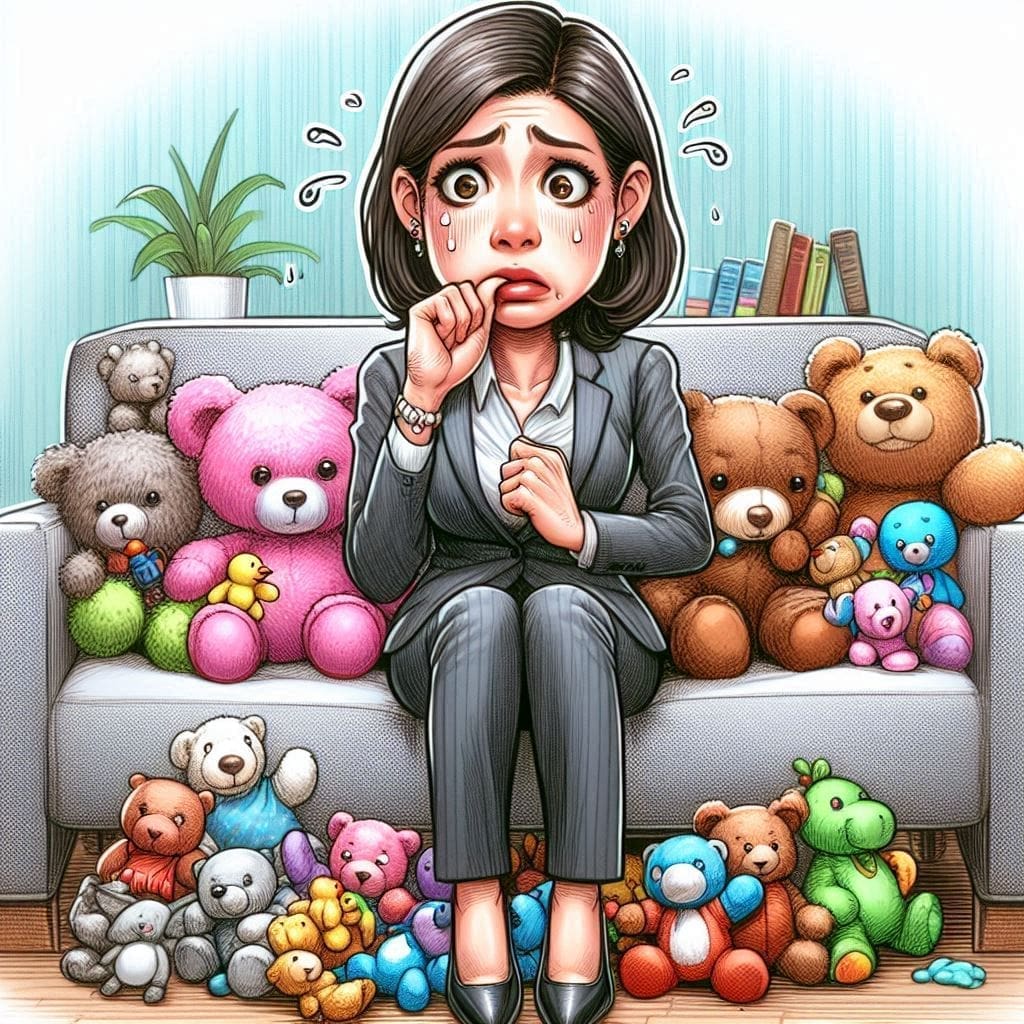

Borderline Personality Disorder (BPD) is a complex and often misunderstood mental health condition that can be characterised by a range of symptoms such as emotional instability, impulsivity, and difficulties in interpersonal relationships. One of the key components of BPD is the presence of psychosocial stressors, which are external factors that can exacerbate symptoms and make it difficult for individuals to manage their emotions and behaviours.
Psychosocial stressors in BPD can come in many different forms, ranging from relationship conflicts and financial troubles to job instability and traumatic experiences. These stressors can trigger intense emotional reactions in individuals with BPD, leading to feelings of anger, fear, and sadness that are difficult to cope with. When these stressors become overwhelming, it can lead to a range of maladaptive coping mechanisms such as self-harm, substance abuse, and impulsive behaviours.
One of the key characteristics of BPD is a heightened sensitivity to interpersonal interactions, which can make it challenging for individuals with the disorder to navigate social relationships without feeling overwhelmed. For example, individuals with BPD may have difficulty regulating their emotions in response to perceived rejection or abandonment, leading to conflicts in their relationships and further exacerbating their symptoms. This can create a cycle of stress and emotional dysregulation that is difficult to break without proper support and treatment.
In addition to interpersonal stressors, individuals with BPD may also struggle with other psychosocial stressors such as job instability and financial difficulties. These stressors can further contribute to feelings of inadequacy and self-doubt, making it difficult for individuals with BPD to maintain steady employment or financial stability. This can create additional sources of stress and anxiety, further exacerbating symptoms of the disorder.
Overall, psychosocial stressors play a significant role in the development and maintenance of symptoms in individuals with BPD. Recognising and addressing these stressors is crucial in helping individuals with BPD manage their symptoms and improve their quality of life. Therapy, medication, and other forms of treatment can help individuals with BPD develop coping strategies to navigate these stressors more effectively and improve their overall well-being. It is important for individuals with BPD to seek help and support from mental health professionals to address these stressors and learn to manage their symptoms in a healthy and adaptive way.
Share this:

You Might Also Enjoy Reading