Life is a marvellous journey filled with a vivid spectrum of emotions, ranging from the serene tranquillity of contentment to the exhilarating highs of happiness. However, for individuals experiencing mania, emotional states can go into overdrive, propelling them into a whirlwind of intense euphoria, creativity, and sometimes impulsive behaviour. In this blog post, we aim to explore the enigmatic realm of mania, shedding light on its nature, potential causes, effects, and ways to manage this unique emotional journey.
What is Mania?
Mania represents a state of mind characterised by an extreme upswing in positive emotions. People experiencing mania often feel an intense surge of energy, heightened self-confidence, and an expanded sense of creativity. It is a symptom typically associated with conditions such as bipolar disorder, where manic episodes alternate with depressive periods. However, mania can also occur as an isolated episode, unrelated to any underlying mental health condition.
The Upside of Mania
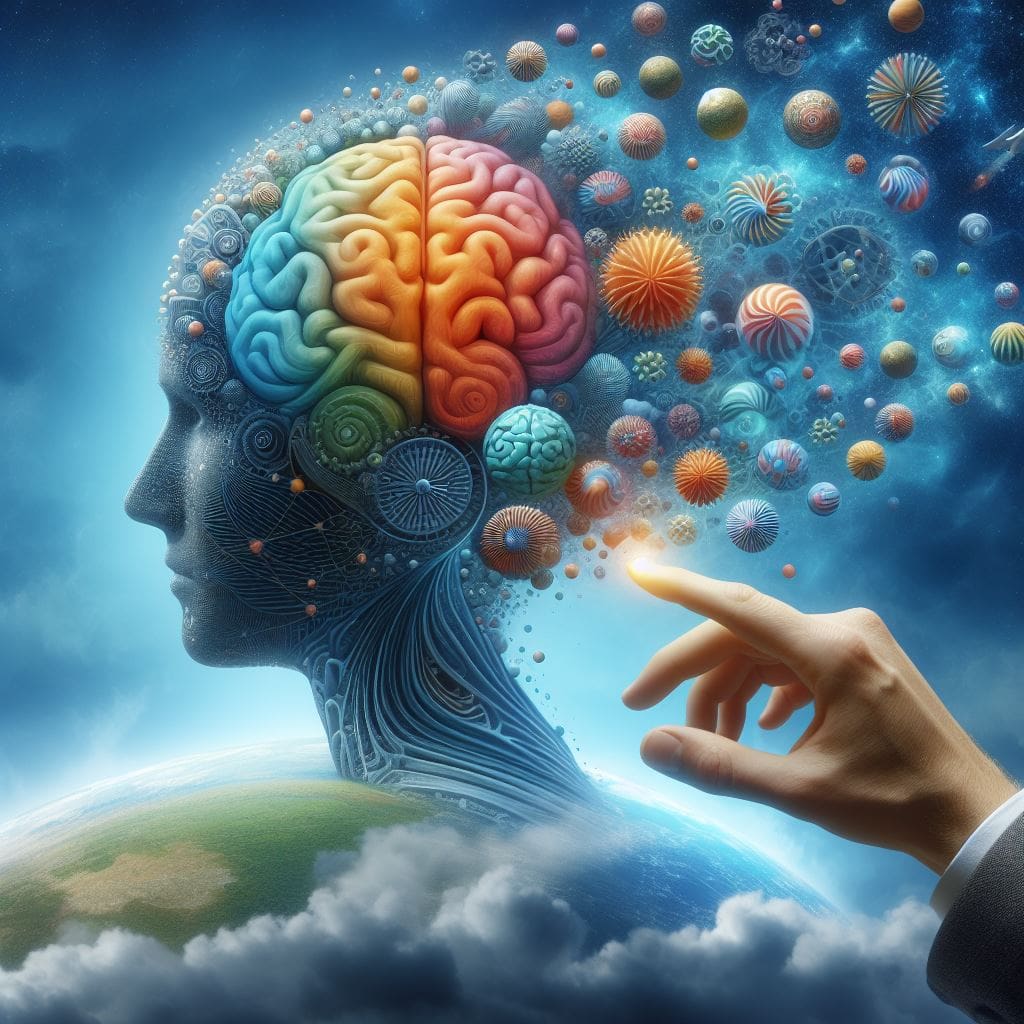
Although mania often carries negative connotations due to its potential for reckless behaviour and impulsive decision-making, it is important to recognise that there are certain positive aspects as well. During manic episodes, individuals often experience heightened productivity, creative bursts, and a remarkable ability to think outside the box. Their enthusiasm and charisma may captivate others, making them influential leaders or exceptional artists. Harnessing these positive traits can lead to incredible achievements and groundbreaking innovations.
The Downside of Mania
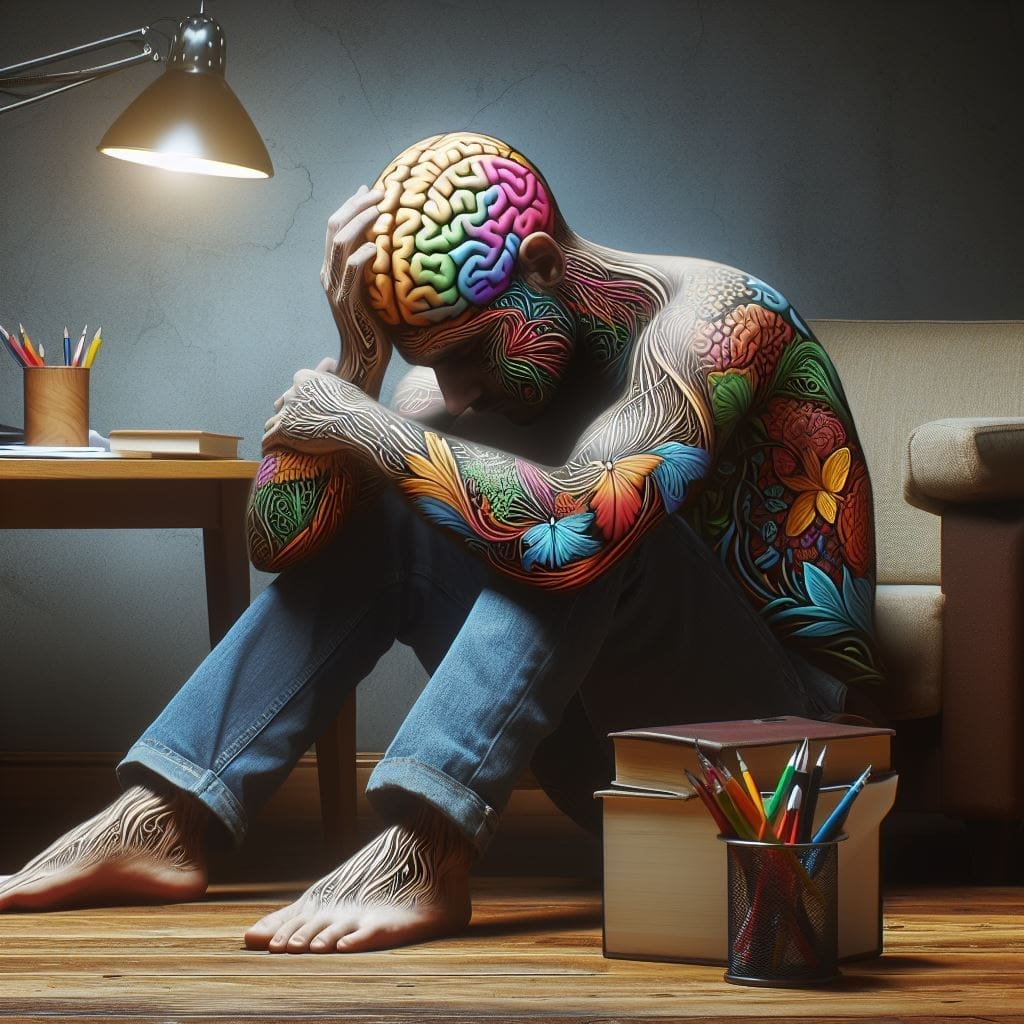
However, like all emotional states, mania has its darker side. As the high energy and racing thoughts become overwhelming, individuals may struggle to regulate their emotions and actions. Irritability, overconfidence, poor judgement, and impulsive behaviour can manifest, leading to risky activities, overspending, substance abuse, and strained relationships. The consequences of unchecked mania can have a profound impact on personal and professional lives, potentially causing long-term repercussions.
Potential Causes and Triggers
The exact causes of mania remain elusive, though a combination of genetic predisposition and environmental factors are believed to play a role. Stressors, lack of sleep, discontinuation of medication, major life events, and even seasonal changes can act as triggers for manic episodes. While identifying these triggers can be complex, monitoring one’s emotional patterns and seeking professional help are vital steps towards gaining control.
Managing and Coping with Mania
Managing mania begins with awareness and understanding of one’s emotional state. Seeking professional guidance, such as therapy and medication, can provide foundational support. Additionally, adopting healthy lifestyle choices, including regular sleep patterns, exercise, stress reduction techniques, and maintaining stable relationships, can help manage the intensity of manic episodes.
Moreover, journalling, practising mindfulness, and creative outlets can channel the excess energy and serve as constructive platforms for self-expression. Learning to recognise warning signs, employing coping mechanisms, and involving loved ones in the care process can make a significant difference in preventing adverse outcomes and creating a more balanced life.
Conclusion
Mania is a challenging emotional state that can both inspire and torment those who experience it. Recognising its potential for greatness while acknowledging its potential pitfalls is crucial in navigating this rollercoaster ride. By seeking therapeutic support, adopting healthy lifestyle choices, and developing coping strategies, individuals can learn to embrace the vibrant colours of mania while ensuring its waves are ridden safely. Through understanding and management, mania can become a powerful force for self-growth and personal development.

Share this:

You Might Also Enjoy Reading