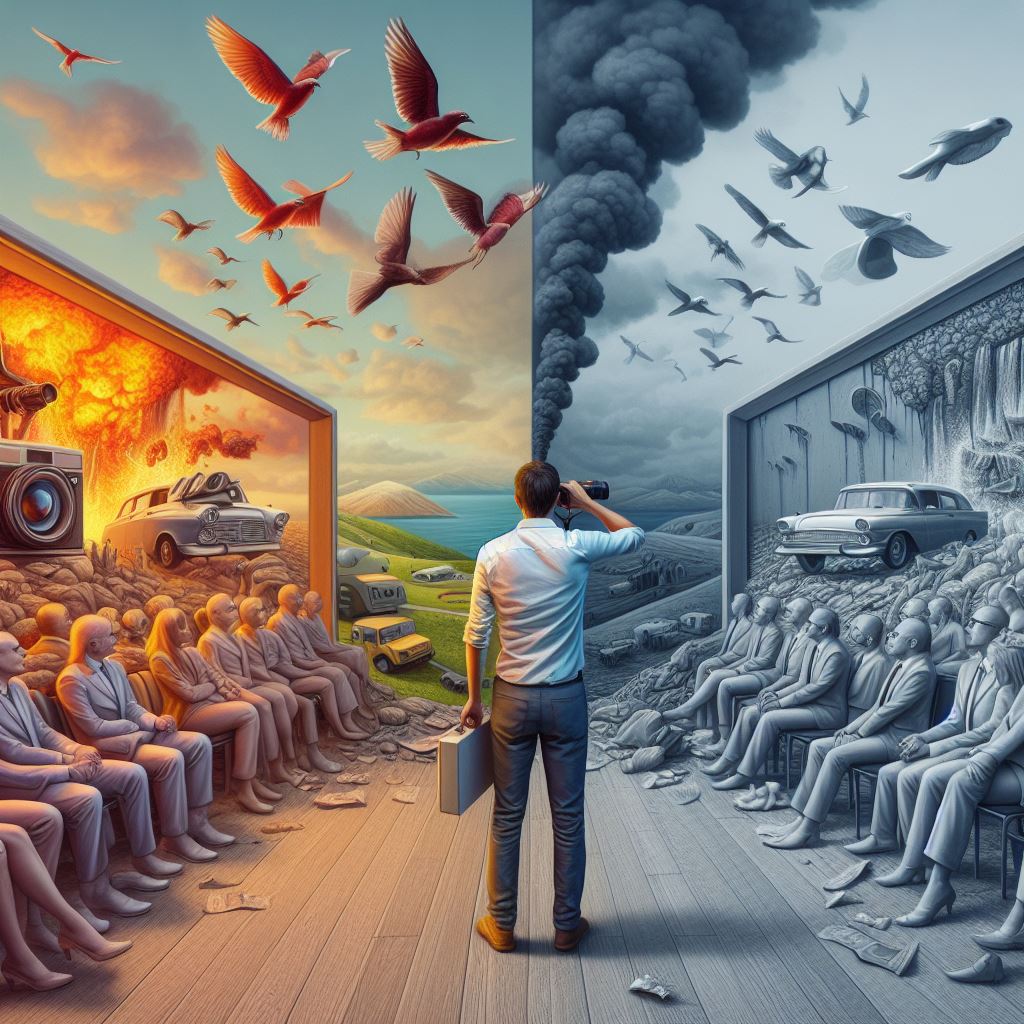

Have you ever found yourself in a situation where multiple people experienced the same event yet had vastly different perceptions of it? This phenomenon, known as selective perception, is a fascinating aspect of human cognition. Our perceptions are not solely based on what we observe; rather, they are influenced by our own beliefs, prejudices, and experiences. In this blog post, we will delve deeper into what selective perception is, its causes, and its impact on shaping our reality.
What is Selective Perception?
Selective perception refers to the subconscious filtration process that occurs in our brains, allowing us to process and interpret information based on our pre-existing beliefs and biases. It is the tendency to selectively attend to certain aspects of our environment, while filtering out or distorting others that do not align with our preconceived notions.
Causes of Selective Perception
Selective perception arises from a combination of factors, ranging from our upbringing and personal experiences to cultural influences and societal norms. Our brains constantly receive an overwhelming amount of information from our surroundings; as a result, we unconsciously prioritise what is most familiar and relevant to us. Over time, this repetitive filtering becomes automatic, allowing us to quickly process information while ignoring or downplaying contradictory details.
The Impact of Selective Perception
Selective perception has profound consequences on how we perceive and interact with the world. It shapes our reality by reinforcing our existing beliefs and biases, often leading us to form judgements and opinions without considering alternative perspectives. This confirmation bias can be detrimental, hindering our ability to understand complex issues objectively and fostering divisive thinking.
Furthermore, selective perception influences our interpersonal relationships. It can contribute to misunderstandings, conflicts, and biases, as we tend to interpret others’ actions and words in ways that validate our preconceived notions about them. By recognising that selective perception exists, we can take steps to mitigate its negative effects and promote empathy, understanding, and open-mindedness.
Overcoming Selective Perception
While selective perception is deeply ingrained in human nature, we can actively work towards overcoming its limitations. By acknowledging our biases and engaging in self-reflection, we can become more aware of the filters through which we perceive and interpret information. Engaging in dialogue with individuals whose perspectives differ from our own can provide valuable insights and challenge our existing beliefs.
Additionally, seeking out diverse sources of information, exposing ourselves to different cultures, and actively fostering empathy can help broaden our horizons and reduce the influence of selective perception. By recognising that everyone experiences selective perception, we can cultivate an atmosphere of open-mindedness and respect for diverse opinions, leading to greater understanding and cooperation.
Conclusion
Selective perception is a fascinating aspect of human cognition that deserves our attention and understanding. By recognising the role it plays in shaping our reality, we can become more conscious of our biases and work towards developing a more inclusive and accepting society. Challenging our own perspectives, engaging in dialogue, and actively seeking diverse viewpoints can break the confines of selective perception and encourage us to embrace the complexities of the world we live in. Together, we can strive for a more empathetic and harmonious coexistence.
Share this:

You Might Also Enjoy Reading