Tag: Psychology

  • Patterns of Adaptive Functioning

    Patterns of Adaptive Functioning

    Advertisements

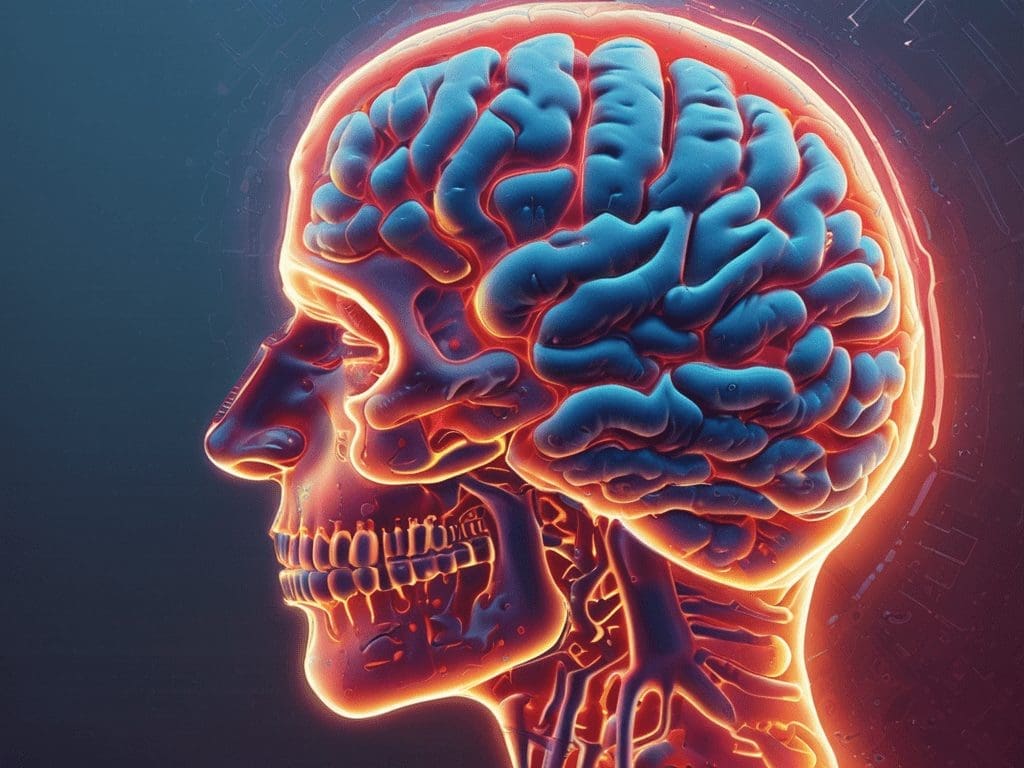
    Adaptive functioning is often measured through standardised assessments that evaluate an individual’s ability to perform everyday tasks independently. These assessments typically consider factors such as communication abilities, self-care skills, social relationships, and behaviour management. By examining these areas of functioning, clinicians can gain a more comprehensive understanding of an individual’s strengths and areas in need of support.

    One important aspect of adaptive functioning is consistency across different contexts. For example, an individual may demonstrate strong communication skills at home but struggle in social situations at school or work. By identifying these patterns of inconsistency, clinicians can tailor interventions to address specific challenges and promote more consistent functioning across environments.

    Another key aspect of adaptive functioning is the impact of environmental factors on an individual’s abilities. For example, a person may have the skills necessary for independent living, but lack the necessary supports and resources to effectively carry out these tasks. By considering the role of environmental factors in adaptive functioning, clinicians can help individuals access the supports they need to thrive in their everyday lives.

    It’s important to recognise that patterns of adaptive functioning can vary significantly from person to person. Some individuals may excel in certain areas while facing challenges in others, while others may demonstrate more consistent levels of functioning across different domains. By understanding these unique patterns, clinicians can develop individualised interventions that meet the specific needs of each individual.

    In conclusion, patterns of adaptive functioning provide valuable insights into an individual’s abilities and challenges across different areas of life. By assessing these patterns and considering the impact of environmental factors, clinicians can develop effective interventions that support individuals in reaching their full potential. By recognising and addressing patterns of adaptive functioning, we can empower individuals to lead fulfilling and independent lives.

  • Understanding Cultural Relativism: Promoting Cross-Cultural Understanding

    Understanding Cultural Relativism: Promoting Cross-Cultural Understanding

    Advertisements

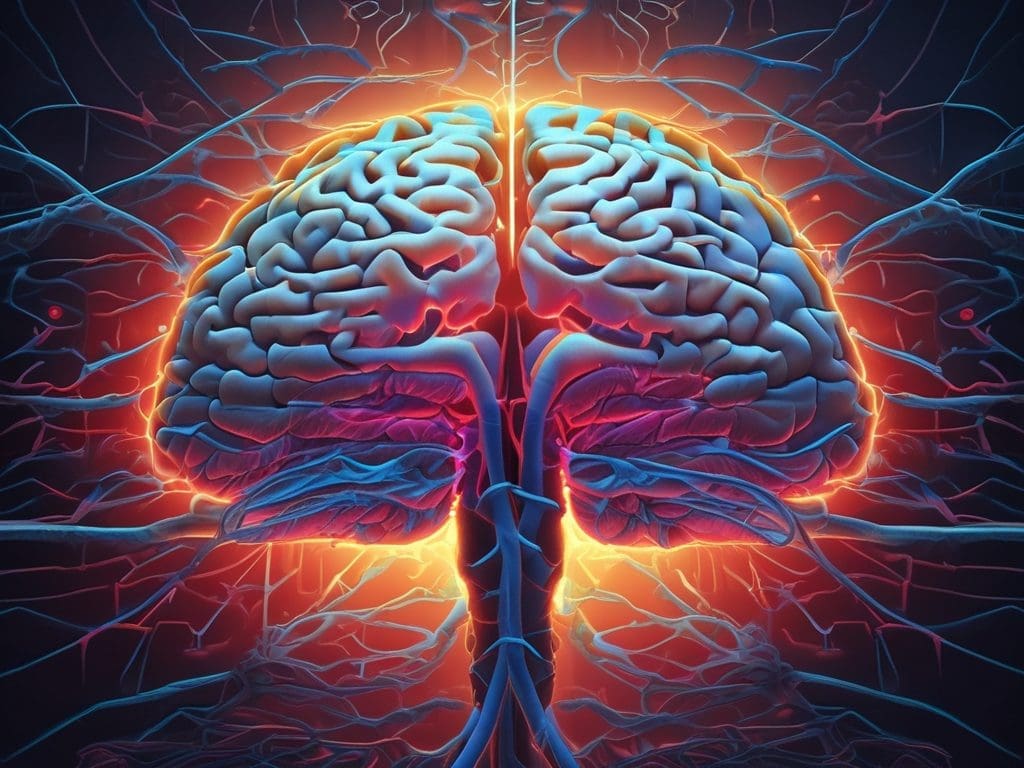
    One of the key proponents of cultural relativism is anthropologist Franz Boas, who believed that each culture should be studied on its own terms without imposing one’s own cultural values on it. Boas argued that all cultures have their own unique beliefs, practices, and customs that should be respected and understood within their own cultural context.

    Cultural relativism challenges the idea of ethnocentrism, which is the belief that one’s own culture is superior to others. By adopting a cultural relativist perspective, one can gain a deeper understanding and appreciation of other cultures. This can lead to greater tolerance, empathy, and respect for cultural diversity.

    However, cultural relativism is not without its critics. Some argue that it can lead to moral relativism, where all cultural practices are deemed acceptable simply because they are part of a particular culture. This can create moral dilemmas when cultural practices conflict with universal human rights.

    Despite its limitations, cultural relativism can be a powerful tool for promoting cross-cultural understanding and embracing diversity. It encourages us to be open-minded and curious about different cultures, rather than quick to judge or dismiss them based on our own cultural biases.

    In conclusion, cultural relativism is an important concept that challenges us to be more understanding and accepting of cultural differences. By recognising the diversity of beliefs and practices around the world, we can foster a more inclusive and harmonious global society.

  • The Neurobiology of Belief

    The Neurobiology of Belief

    Advertisements

    Beliefs are essentially mental representations or constructs that we hold to be true. They can be based on personal experiences, cultural values, social conditioning, or even religious teachings. Our brains are constantly processing information and forming new beliefs based on the input we receive from our environment.

    Neurobiologically speaking, beliefs are thought to be encoded in the brain through the firing of neurons and the release of neurotransmitters that facilitate communication between different regions of the brain. When we form a belief, certain neural pathways are strengthened and reinforced, making it easier for us to access and retrieve that belief in the future.

    Research has shown that beliefs can have a profound impact on our physical and mental health. For example, studies have found that people who have a strong belief in their ability to recover from illness or injury tend to have better outcomes than those who have a more pessimistic outlook. This phenomenon, known as the placebo effect, highlights the power of belief in shaping our well-being.

    Beliefs can also influence our perception of pain. Studies have shown that people who believe they are receiving an effective pain medication tend to experience less pain, even if they are actually receiving a placebo. This suggests that our beliefs can modulate the way our brains interpret and respond to sensory information.

    Interestingly, beliefs can also be influenced by external factors such as social interactions and cultural norms. For example, if we are surrounded by people who hold certain beliefs, we are more likely to adopt those beliefs ourselves. This is known as social contagion and highlights the interconnected nature of belief systems within a community.

    Overall, the neurobiology of belief is a fascinating area of study that sheds light on the complex interplay between our brains, beliefs, and behaviour. By understanding how beliefs are formed and how they shape our perceptions and actions, we can gain insight into the mechanisms that govern human cognition and consciousness. So the next time you find yourself pondering your own beliefs, take a moment to consider the intricate neural processes that underlie them.

  • Understanding the Halo Effect: Impact on Perception and Judgment

    Understanding the Halo Effect: Impact on Perception and Judgment

    Advertisements

    The Halo Effect can be seen in various aspects of our lives, from job interviews to social interactions. For example, if someone is physically attractive, we may automatically assume they are also intelligent, successful, or kind. On the other hand, if someone is unkempt or has a less appealing appearance, we may tend to overlook their positive qualities.

    This bias can have significant consequences, especially in professional settings. Employers may hire or promote candidates based on their appearance or charisma, rather than their actual skills and qualifications. This can lead to unfair advantages for some individuals, while others may be overlooked or undervalued.

    In relationships, the Halo Effect can also play a role in how we perceive our partners. If someone is physically attractive, we may overlook red flags or negative behaviours because we are enamoured by their appearance. This can lead to unhealthy relationships and ultimately, disappointment.

    So how can we combat the Halo Effect and make more objective judgements about others? One way is to be aware of our biases and consciously challenge them. By taking the time to get to know someone on a deeper level and focusing on their actions rather than their appearance, we can make more informed decisions.

    It’s also important to remember that no one is perfect, and everyone has both positive and negative traits. By acknowledging this, we can strive to see people for who they truly are, rather than simply being influenced by superficial factors.

    In conclusion, the Halo Effect is a powerful psychological bias that can impact our perceptions and interactions with others. By being aware of this bias and actively working to overcome it, we can make more fair and unbiased judgements in our daily lives. Let’s strive to see people for their true selves, beyond just their outward appearance.

  • Anamnesis: Uncovering Innate Knowledge for Personal Growth and Empathy

    Anamnesis: Uncovering Innate Knowledge for Personal Growth and Empathy

    Advertisements

    In philosophy, anamnesis is closely associated with the teachings of the ancient Greek philosopher Plato. In his dialogues, Plato suggests that true knowledge is not something that can be taught or learned, but rather something that is already present within us. According to Plato, our souls possess innate knowledge that is awakened through the process of anamnesis. By engaging in self-reflection and recollection, we can access this knowledge and come to a greater understanding of the eternal truths that exist beyond the material world.

    In psychology, anamnesis is often used to describe the process of gathering a patient’s medical history in order to better understand their current mental or physical health. By reviewing past experiences, traumas, and treatments, therapists and healthcare providers can gain valuable insight into the factors that may be contributing to a patient’s current condition.

    Anamnesis is not just a theoretical concept – it is a practical tool that can be applied in various aspects of our lives. By reflecting on our past experiences, memories, and knowledge, we can gain insight into our own behaviour patterns, beliefs, and values. This self-awareness can be incredibly empowering, enabling us to make more informed choices and live a more authentic and fulfilling life.

    Moreover, anamnesis can also help us to better understand and empathise with others. By listening to their stories and experiences, we can gain a deeper appreciation for their unique perspectives and backgrounds, fostering compassion and connection.

    In conclusion, anamnesis is a powerful tool for personal growth, self-discovery, and empathy. By engaging in the process of recollection and remembrance, we can gain insight into our own selves and the world around us, leading to a greater sense of purpose and fulfilment. So let us pause, reflect, and remember – for in our memories lies the key to unlocking the wisdom and truth that resides within us.

  • Understanding Cognitive Load: Types and Impact on Mental Performance

    Understanding Cognitive Load: Types and Impact on Mental Performance

    Advertisements

    Cognitive load refers to the amount of mental effort required to complete a task or process information. It can be divided into three types: intrinsic, extraneous, and germane. Intrinsic cognitive load is the mental effort required to understand and process the content itself. Extraneous cognitive load refers to the mental effort required to deal with distractions or irrelevant information. Germane cognitive load refers to the mental effort required to integrate new information into existing knowledge and make connections.

    Excessive cognitive load can lead to decreased performance, increased errors, and decreased motivation. It can also result in stress, fatigue, and burnout. To manage cognitive load, it is important to be mindful of the complexity of tasks and the amount of information being presented. Breaking down tasks into smaller, more manageable chunks can help reduce cognitive load and make learning more effective.

    There are also cognitive load management strategies that can help improve cognitive performance. These include using visual aids, providing clear instructions, and minimising distractions. Additionally, practising mindfulness and relaxation techniques can help reduce stress and mental fatigue.

    In conclusion, understanding cognitive load and how it affects our mental performance is essential for improving learning and problem-solving. By being mindful of the amount of mental effort required for tasks and implementing cognitive load management strategies, we can enhance our cognitive abilities and achieve better results in our daily lives.

  • Etiopathology of Soul Diseases

    Etiopathology of Soul Diseases

    Advertisements

    The etiopathology of soul diseases refers to the study of the underlying causes of mental and emotional disorders, such as depression, anxiety, schizophrenia, and bipolar disorder. Genetic, biochemical, environmental, and psychosocial factors have been shown to contribute to the development of these diseases.

    In the case of depression, for example, it has been found that there are imbalances in the neurotransmission of serotonin, dopamine, and norepinephrine in the brain, which can affect a person’s mood and motivation. In addition, environmental factors such as stress, trauma, or loss can trigger or exacerbate depression in vulnerable individuals.

    In the case of schizophrenia, it has been observed that there is a genetic predisposition to develop the disease, but environmental factors have also been identified, such as the use of psychoactive drugs, chronic stress or exposure to environmental toxins, which can trigger the symptoms. In addition, it has been discovered that there are abnormalities in the structure and function of the brain of people with schizophrenia.

    As for bipolar disorder, it has been found that there is a strong genetic influence on its development, but it has also been shown that factors such as stress, substance abuse and changes in circadian rhythms can trigger episodes of mania or depression in affected people.

    In summary, the etiopathology of diseases of the soul is a constantly evolving field that seeks to understand the biological, psychological and environmental causes of mental and emotional disorders. Through a holistic and multidisciplinary approach, we can improve the understanding and treatment of these diseases, thus helping people to recover their emotional and mental well-being.