Tag: Antisocial Personality Disorder (ASPD)

  • The Characterology of Psychopathy

    The Characterology of Psychopathy

    Advertisements

    Psychopathy is a personality disorder characterised by a lack of empathy, guilt, and remorse, as well as a tendency towards manipulative behaviour and a disregard for societal norms. Individuals with psychopathic traits often exhibit a charming and charismatic exterior, but underneath lies a cold and calculating mindset.

    One of the key traits of psychopathy is a lack of empathy. Psychopaths are unable to understand or relate to the emotions of others, which allows them to engage in manipulative and deceitful behaviour without feeling guilty or remorseful. This lack of empathy also makes it difficult for psychopaths to form genuine emotional connections with others, leading to shallow and superficial relationships.

    Another defining trait of psychopathy is a grandiose sense of self-importance. Psychopaths often have an inflated sense of their own abilities and achievements, and may engage in risky and reckless behaviour in pursuit of their own desires. This sense of entitlement and superiority can lead psychopaths to exploit and manipulate others for their own gain.

    Psychopaths also exhibit a high level of impulsivity and a lack of long-term planning. They may engage in risky behaviours without considering the potential consequences, leading to volatile and unpredictable relationships and situations. This impulsivity, combined with a lack of empathy and a propensity for manipulation, can make psychopaths dangerous and destructive individuals.

    In conclusion, psychopathy is a complex and multifaceted personality disorder characterised by a lack of empathy, manipulative behaviour, and a grandiose sense of self-importance. Individuals with psychopathic traits may appear charming and charismatic on the surface, but underneath lies a cold and calculating mindset that allows them to exploit and manipulate others without feeling guilty or remorseful. By studying the characterology of psychopathy, we can gain a better understanding of the nature of this intriguing psychological phenomenon.
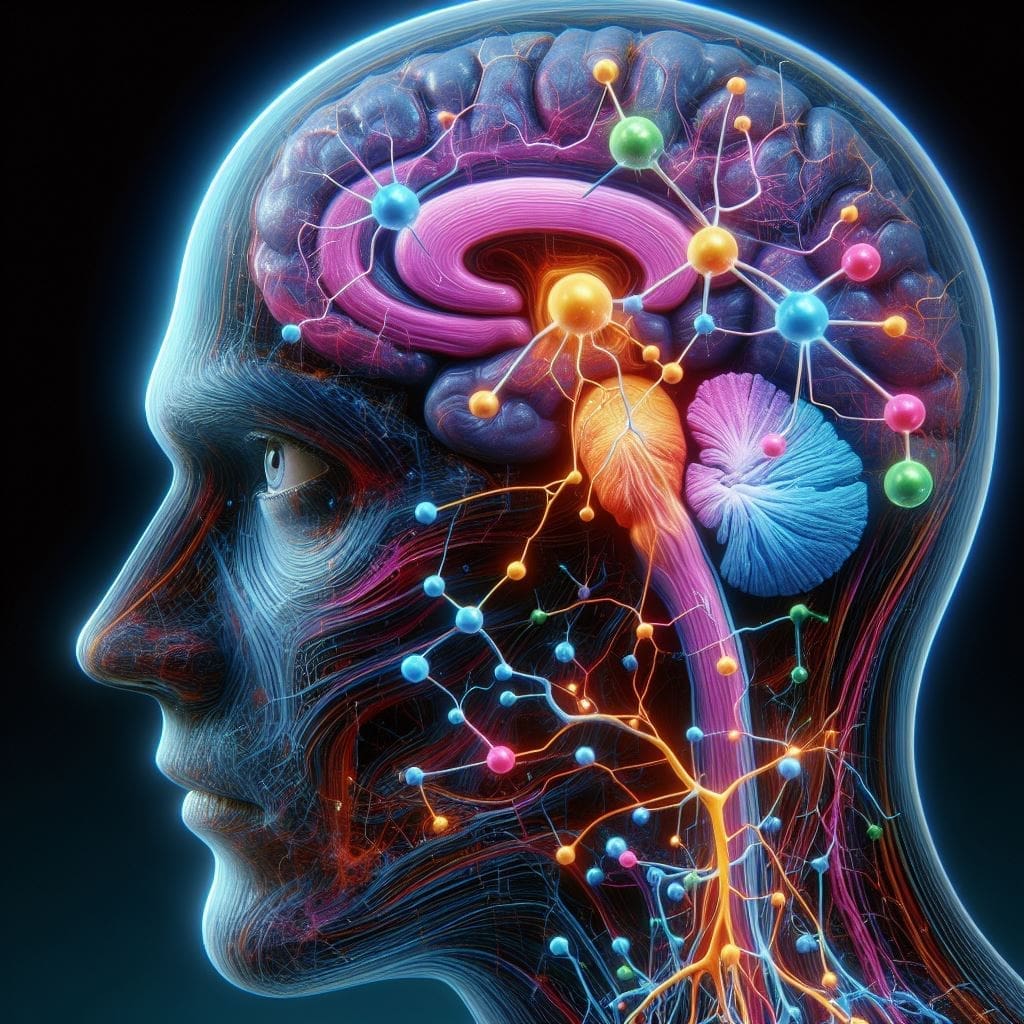

  • Neurotransmitters in Psychopathy: Decoding the Brain Chemistry of a Deviant Mind

    Neurotransmitters in Psychopathy: Decoding the Brain Chemistry of a Deviant Mind

    Advertisements

    1. Dopamine: The Seekers of Thrills

    Dopamine, often referred to as the “feel-good” neurotransmitter, plays a crucial role in reward-seeking behaviours, motivation, and pleasure. Studies have found that individuals with psychopathic traits possess different levels of dopamine activity in specific brain regions. This altered dopamine function may explain their relentless pursuit of exhilarating experiences, risk-taking behaviour, and often impulsive decision-making. However, it is important to note that while imbalances in dopamine may increase susceptibility to psychopathic traits, it is not a direct cause of psychopathy itself.

    2. Serotonin: Moral Impairment in the Brain

    Serotonin, known as the “happiness hormone,” is also involved in regulating mood, impulsiveness, and cognition. Research suggests that individuals with psychopathy exhibit reduced serotonin activity in certain brain regions. This altered serotonin function may contribute to the reduced emotional responsiveness and moral impairment observed in those with psychopathic tendencies. Furthermore, low serotonin levels have been linked to an increased inclination towards aggression and the inability to learn from consequence, adding another dimension to the psychopathic mind.

    3. Norepinephrine: Insensitivity to Fear and Stress

    Norepinephrine, a neurotransmitter crucial in regulating attention, arousal, and stress response, has been implicated in psychopathy. Studies have shown a heightened norepinephrine response in psychopaths when exposed to distressing or fear-inducing stimuli. This overactive response may contribute to their reduced sensitivity to fear, allowing them to engage in risky or antisocial behaviours without experiencing normal emotional responses. The interplay between norepinephrine imbalances and altered fear processing sheds light on the emotional deficits observed in individuals with psychopathy.

    4. Oxytocin: The Missing Link in Empathy

    Oxytocin, often referred to as the “love hormone,” is involved in social bonding, trust, and empathy. Psychopathy is characterised by a significant deficit in empathy and understanding the emotions of others. Recent studies propose that oxytocin dysfunction may be a crucial factor underlying this emotional impairment. Individuals with psychopathic traits have shown reduced oxytocin levels, leading to a diminished capacity for empathy and social affiliation.

    Conclusion

    While the neurochemical basis of psychopathy is complex and multifaceted, understanding the role of neurotransmitters provides valuable insight into the brain chemistry of those with psychopathic traits. Imbalances in dopamine, serotonin, norepinephrine, and oxytocin contribute to the emotional deficits, thrill-seeking behaviour, moral impairment, and reduced fear response observed in psychopaths. Though further research is needed to fully comprehend the intricate connections between neurotransmitters and psychopathy, these findings may open doors to more effective interventions and treatments for this enigmatic personality disorder. By unravelling the secrets hidden within the neurotransmitter network of the brain, we inch closer to comprehending the complexities of the psychopathic mind.

    Advertisements
  • The Cost of Psychopathy in the United Kingdom

    The Cost of Psychopathy in the United Kingdom

    Advertisements

    One of the most striking aspects of psychopathy is its association with criminal behaviour. Studies have consistently shown a strong correlation between psychopathy and violent crimes, such as assault, murder, and sexual offences. These criminal activities not only jeopardise public safety but also result in substantial costs to the criminal justice system. According to a report by the Office for National Statistics, the cost of crime in England and Wales amounted to Β£11.3 billion in 2018 alone. While psychopathy is not solely responsible for this figure, its relationship with violent crime highlights its financial impact.

    In addition to criminal behaviour, psychopathy can also lead to significant costs in the healthcare system. Many psychopaths possess a superficial charm and manipulative nature, allowing them to exploit others for personal gain. This can result in fraud, scams, and financial exploitation, causing victims to suffer both emotionally and monetarily. Moreover, the mental health issues commonly associated with psychopathy, such as antisocial personality disorder, also require long-term care and treatment, further adding to healthcare expenses.

    Furthermore, the presence of psychopathy within interpersonal relationships can have a devastating impact on families and communities. Psychopathic individuals often struggle to form lasting bonds with others, leading to broken families, strained relationships, and social isolation. Such effects can lead to a decline in well-being and increased reliance on social welfare programs, adding to the economic burden on society.

    Preventing and addressing the costs of psychopathy requires a multifaceted approach. First and foremost, early identification and intervention are crucial. Identifying psychopathic tendencies in children and providing appropriate treatment and support can reduce the likelihood of criminal behaviour later in life. Additionally, effective rehabilitation programs within the criminal justice system can help reduce recidivism rates among psychopathic individuals.

    Furthermore, raising public awareness about psychopathy and its associated costs is important. Greater understanding of the disorder can assist in recognising and reporting instances of fraud, providing support to victims, and preventing future incidents. By fostering a more informed and vigilant society, the economic burden of psychopathy can be mitigated.

    In conclusion, the cost of psychopathy in the United Kingdom extends beyond the direct expenses incurred by criminal behaviour and healthcare systems. Its wide-ranging impact on families, individuals, and communities necessitates a proactive response from society as a whole. By prioritising early intervention, rehabilitation, and public awareness, we can work towards alleviating the financial consequences of psychopathy while simultaneously creating a safer and more inclusive society for all.

    Advertisements
  • Understanding Impulsivity Control in Psychopathy: Unveiling the Complexities

    Understanding Impulsivity Control in Psychopathy: Unveiling the Complexities

    Advertisements

    Defining Impulsivity

    Impulsivity can be defined as the tendency to act on immediate desires or urges without considering the potential consequences. In the context of psychopathy, impulsivity often manifests as a lack of self-control, resulting in impulsive behaviour that can be harmful to both the individual and those around them. This impulsivity is not exclusive to psychopaths and can be seen across various mental health disorders, making it a topic of interest for researchers studying behavioural traits.

    Impulsivity in Psychopathy

    Psychopaths often exhibit impulsive behaviour as a fundamental characteristic of their condition. While impulsivity may be associated with risk-taking and poor decision-making in certain individuals, in the case of psychopathy, it is vastly different. Psychopathic impulsivity revolves around calculated decisions rather than impulsive actions solely driven by temporary urges. The absence of emotional attachments allows psychopaths to make swift decisions that are devoid of empathetic considerations.

    Neural Mechanisms at Play

    Understanding the underlying neurobiological mechanisms of impulsivity control in psychopathy is crucial. Researchers have found abnormalities in brain structures responsible for impulse regulation, such as the prefrontal cortex, amygdala, and ventral striatum. These abnormalities are thought to contribute to the altered processing of emotional responses, inhibitory control, and reward-seeking behaviours observed in psychopaths.

    The Duality of Impulsivity Control

    Interestingly, studies suggest that psychopaths may possess better cognitive control than non-psychopathic individuals when it comes to inhibiting impulsive responses. However, this heightened cognitive control is predominantly observed in situations where the individual stands to gain or benefit from their actions. This finding highlights the duality of impulsivity control in psychopathy, where self-interest rather than empathy guides their decision-making processes.

    Implications for Treatment

    Managing impulsivity control in psychopathy remains a significant challenge for clinicians. Traditional therapeutic approaches, such as cognitive-behavioural therapy (CBT), may not yield the same results as in other disorders due to the core deficits associated with psychopathy. Novel intervention strategies, such as targeting specific neural circuits involved in impulse control and reward processing, hold promise for future treatments.

    Conclusion

    Impulsivity control in psychopathy is a multifaceted aspect of this complex disorder. Understanding the intricate interplay between impaired emotional processing, cognitive control, and reward-seeking behaviour is crucial for researchers, clinicians, and society as a whole. Through ongoing research and the development of innovative therapeutic interventions, we may ultimately unravel the mysteries surrounding psychopathy and open avenues for effective treatment and management in the future.

    Advertisements
  • Immorality & Amorality: Unravelling the Distinction

    Immorality & Amorality: Unravelling the Distinction

    Advertisements

    Defining Immorality

    Immorality refers to the conscious violation or disregard for moral principles that society generally upholds. It encompasses actions or decisions that are widely condemned for their ethical shortcomings. Immoral conduct breaches commonly accepted standards, such as honesty, fairness, or respect for others’ rights. Immorality often implies a deliberate intention to act against established moral norms, suggesting a recognition of what constitutes right or wrong behaviour, yet choosing to defy it regardless.

    Immorality may manifest in various forms, including lying, stealing, betrayal, discrimination, or violence. These actions are typically viewed as harmful or detrimental to individuals or society as a whole, generating negative consequences and disrupting the moral fabric of a community.

    Understanding Amorality

    Amorality, on the other hand, represents a different perspective altogether. Amoral individuals neither adhere to nor defy moral principles consciously. They exist outside the framework of traditional morality, lacking a personal ethos and moral compass. Unlike immoral individuals who recognise moral principles but choose to transgress them, amoral individuals simply demonstrate a lack of discernment or concern for moral values altogether.

    It is crucial not to equate amorality with immorality as they differ fundamentally in terms of recognition and intention. Amorality does not imply being inherently evil, but rather denotes a detachment from moral codes, whether due to ignorance, indifference, or an inability to grasp moral distinctions.

    Exploring the Overlapping Grey Areas

    While immorality and amorality seem conceptually distinct, in reality, the boundary between them can sometimes blur. A moral act committed by an individual with amoral tendencies may be perceived as immoral due to their lack of comprehension or regard for widely accepted moral principles. Consequently, determining the true intent behind certain actions becomes progressively challenging.

    Furthermore, societal or cultural differences can significantly influence the perception of right and wrong, further complicating the categorisation of behaviours as purely immoral or arising from amorality. What may be considered immoral in one culture can be seen as morally acceptable or even praiseworthy in another. These nuanced perspectives highlight the importance of recognising the relativity and subjectivity of moral judgements.

    Final Thoughts

    In unravelling the concepts of immorality and amorality, it becomes evident that both touch upon the multifaceted nature of human behaviour in relation to ethical frameworks. Immorality represents a conscious defiance of recognised moral principles, while amorality describes a detachment from them altogether. Although the lines between these terms may sometimes blur or be influenced by cultural relativism, understanding their distinctions allows us to analyse human actions and the motivations behind them more effectively.

    By grasping these concepts, we can foster a deeper understanding of our own moral compasses and the diverse perspectives that shape our ethical convictions. Moreover, this awareness enables us to engage in meaningful discussions surrounding human behaviour, ethics, and how we can collectively strive for a more ethical and compassionate world.

    Advertisements
  • Evolutionary Perspectives on Psychopathy: Unravelling the Intricate Connection

    Evolutionary Perspectives on Psychopathy: Unravelling the Intricate Connection

    Advertisements

    The Evolution of Psychopathy

    Psychopathy is often perceived as a multifaceted disorder characterised by lack of empathy, manipulative tendencies, and impulsive behaviours. From an evolutionary perspective, such traits may seem counterintuitive, raising the question of how psychopathy has persisted through generations.

    One prevailing theory suggests that psychopathic traits could be seen as an extreme expression of normal personality variations. It is believed that a certain degree of ruthlessness and dominance may have conferred an evolutionary advantage in ancestral populations. This advantage might have allowed psychopaths to efficiently compete for resources, mates, or even attain positions of power within social hierarchies.

    Adaptive Advantages and Costs

    Psychopathy might have conferred specific advantages throughout history. Some researchers contend that the “dark triad” traits associated with psychopathy, including manipulativeness, narcissism, and Machiavellianism, could enhance survival and reproductive success under certain circumstances. For example, manipulative behaviour might have facilitated the manipulation of social alliances and resources, proliferating the psychopathic individual’s chances of survival and passing on their genes.

    However, the adaptive advantages of psychopathy must be viewed in conjunction with the potential costs. Although psychopathy may have bestowed certain benefits in specific contexts, it also comes at a price in terms of social connections and cooperative relationships. Psychopaths’ inability to form meaningful emotional bonds and establish authentic connections might have hindered their ability to function effectively within groups, leading to potential isolation and decreased fitness in certain social ecosystems.

    Genetic and Neurological Influences

    Evolutionary perspectives on psychopathy also explore the genetic and neurological factors contributing to its development. Studies have suggested that genetic variations may account for up to half of the variance in psychopathic traits, implying a heritable component. This research indicates that genetic factors may have been involved in the persistence of psychopathy throughout generations.

    Furthermore, neurobiological studies have uncovered structural and functional differences in the brains of psychopathic individuals. Specifically, reduced activation in regions responsible for empathy and moral decision-making has been observed. From an evolutionary standpoint, these neurological variances may be related to the trade-offs between adaptivity and prosocial behaviour.

    Implications for Society

    Understanding the evolutionary perspectives on psychopathy carries significant implications for society. By gaining insight into the adaptive functions of psychopathic traits, societies can develop more effective methods for identifying, managing, and preventing harm associated with this disorder. Education and awareness surrounding psychopathy can play a pivotal role in fostering empathy and compassion, ensuring that individuals with psychopathic tendencies receive appropriate support and intervention.

    Additionally, grasping the evolutionary roots of psychopathy may lead to more empathetic and evidence-based approaches within the legal and criminal justice systems. Rather than solely focusing on punishment, efforts can be directed towards preventing psychopathic behaviours and addressing their underlying causes through specialised treatment and rehabilitation programs.

    Conclusion

    While psychopathy remains a highly controversial and complex field of study, exploring evolutionary perspectives allows us to unravel the intricate connection between psychopathy and its potential adaptive advantages. By acknowledging the genetic, neurological, and environmental influences on this disorder, we can pave the way for greater understanding, improved management, and empathetic responses to those affected by psychopathy. Ultimately, by embracing an all-encompassing perspective, we offer hope for a more compassionate and inclusive society.

    Advertisements
  • Psychopathy: The Aftermath – Navigating the Complex Aftereffects

    Psychopathy: The Aftermath – Navigating the Complex Aftereffects

    Advertisements

    1. Psychological Impact

    Crossing paths with a psychopath can have a devastating impact on a person’s psychological well-being. Victims often find themselves questioning their own judgement, sanity, and self-worth. Psychopaths are master manipulators, skilled at gaslighting and making their victims doubt their own reality. Victims can experience a range of psychological effects such as depression, anxiety, post-traumatic stress disorder (PTSD), and, in some cases, survivor’s guilt.

    2. Emotional Fallout

    The emotional toll of encountering a psychopath is immense. Victims may experience a rollercoaster of emotions, including fear, anger, confusion, and betrayal. Psychopaths are often charismatic, making it harder for victims to detach emotionally and break free from their manipulative web. The emotional aftermath can lead to trust issues, difficulty forming new relationships, and a persistent fear of being taken advantage of again.

    3. Social Consequences

    Psychopathy doesn’t only affect the direct victims; it also has societal consequences. Communities impacted by psychopathic individuals may experience reputational damage and instability. Families and friends of victims may also find themselves affected, having witnessed the abuse and manipulation unfold. Rebuilding trust within these social circles can be challenging, often leading to strained or severed relationships.

    4. Healing and Recovery

    Recovering from the aftermath of psychopathy is a long and arduous journey. It requires a consistent effort to heal psychological wounds, regain self-confidence, and learn to trust others again. Seeking therapy and support groups can provide a safe space to process the experiences and gain tools for recovery. Understanding that the psychopath’s actions were not a reflection of the victim’s worth is crucial.

    5. Raising Awareness

    Raising awareness about psychopathy is essential in mitigating its aftermath. Greater public knowledge about the signs and characteristics of psychopathy empowers individuals to recognise and protect themselves and their communities. By shedding light on this topic, we can aim to break down the stigma associated with psychopathy and foster a more empathetic and supportive society.

    Conclusion

    Psychopathy leaves a profound aftermath that can have long-lasting effects on individuals and society as a whole. Recognising the psychological impact, understanding the emotional fallout, addressing the social consequences, and focusing on healing and recovery are critical in helping victims reclaim their lives. Together, by raising awareness and supporting one another, we can contribute to a safer and more compassionate world.

    Advertisements