Category: Theology

  • Exploring Religio-Military Concepts: The Intersection of Faith and Power

    Exploring Religio-Military Concepts: The Intersection of Faith and Power

    Advertisements

    One of the most notable examples of religio-military concepts in history is the Crusades. These series of religious wars fought between Christians and Muslims in the Middle Ages were grounded in the belief that God sanctioned the conquest of Holy Land. The Crusades not only led to significant loss of life and destruction, but also fuelled religious fervour and intolerance. The idea of fighting for one’s faith became a central tenet in the justification of war during this time.

    In Eastern cultures, religio-military concepts have also played a prominent role. In ancient Japan, for example, the samurai were not only skilled warriors but also deeply influenced by Zen Buddhism and other religious beliefs . The Bushido code, which emphasised loyalty, honour, and self-discipline, was heavily influenced by Buddhist and Confucian teachings. The combination of religious and military values shaped the way samurai conducted themselves on and off the battlefield.

    In the modern era, religio-military concepts can still be seen in various conflicts and wars around the world. For example, Islamic extremist groups such as ISIS have used religious ideology to justify acts of terrorism and violence. The idea of fighting for a higher cause, of engaging in a holy war, has become a central tenet in the recruitment and radicalisation of individuals.

    However, religio-military concepts are not always associated with violence and conflict. In many cases, religious beliefs have been used to promote peace, justice, and compassion in times of war. The idea of a just war, one fought with moral principles and ethical guidelines, has been a central concept in many religious traditions. The Quakers, for example, have long been advocates for non-violence and pacifism, rooted in their Christian beliefs.

    In conclusion, religio-military concepts have been a significant aspect of human history, shaping the way wars are fought, conflicts are resolved, and societies are governed. While the combination of religion and military power can sometimes lead to violence and intolerance, it can also be a source of moral guidance, spiritual strength, and social justice. Understanding the complexities of religio-military concepts can help us navigate the ethical dilemmas and moral challenges of our time.

  • The Wisdom of King Solomon’s Legacy

    The Wisdom of King Solomon’s Legacy

    Advertisements

    King Solomon’s wisdom extended beyond resolving disputes. His reputation for astute judgement attracted people from far and wide, seeking his counsel on a wide array of matters. According to biblical accounts, Solomon’s wisdom was not limited to the realm of human affairs; he was also known for his deep understanding of natural phenomena and his ability to interpret dreams and riddles. This multifaceted wisdom contributed to his enduring legacy as a figure of great insight and discernment. Moreover, Solomon’s wisdom was often attributed to divine favor, and his renowned proverbs and writings continue to influence and inspire individuals to this day.

    Furthermore, Solomon’s wealth and prosperity are also part of his legacy. During his reign, Israel was a flourishing nation that enjoyed economic stability and success. This legacy of abundance is often associated with Solomon’s commitment to God and his dedication to building the temple in Jerusalem, a symbol of spiritual devotion and national pride. In addition to his material wealth, Solomon is also known for his wisdom, as depicted in the biblical account of his judgement when faced with the dilemma of the two women claiming the same baby. His reputation for wisdom and fairness contributed to the overall prosperity and stability of the kingdom during his rule. The combination of economic success, spiritual devotion, and wisdom makes Solomon’s legacy a multifaceted and enduring one, continuing to inspire and intrigue scholars and believers alike for generations to come.

    The wisdom and teachings of King Solomon continue to resonate with people across generations because of their timeless relevance. In the Book of Proverbs and Ecclesiastes, Solomon emphasises the importance of pursuing knowledge and understanding, offering profound insights into various aspects of life, love, and the human experience. His teachings on wisdom, righteousness, and the fear of God provide invaluable guidance to those who seek to lead a life rooted in faith and moral principles. Through his enduring legacy, Solomon’s words continue to inspire individuals on their journey of spiritual and personal growth, serving as a source of wisdom and moral compass in navigating the complexities of life.

    In conclusion, King Solomon’s legacy is a rich tapestry of wisdom, wealth, and spiritual insight that continues to resonate with believers and scholars around the world. His example serves as a reminder of the importance of seeking knowledge, practising discernment, and above all, staying faithful to God. As we reflect on King Solomon’s life and teachings, may we continue to be inspired by his legacy and strive to emulate his wisdom and devotion in our own lives.

  • The Psychology of Buddhism

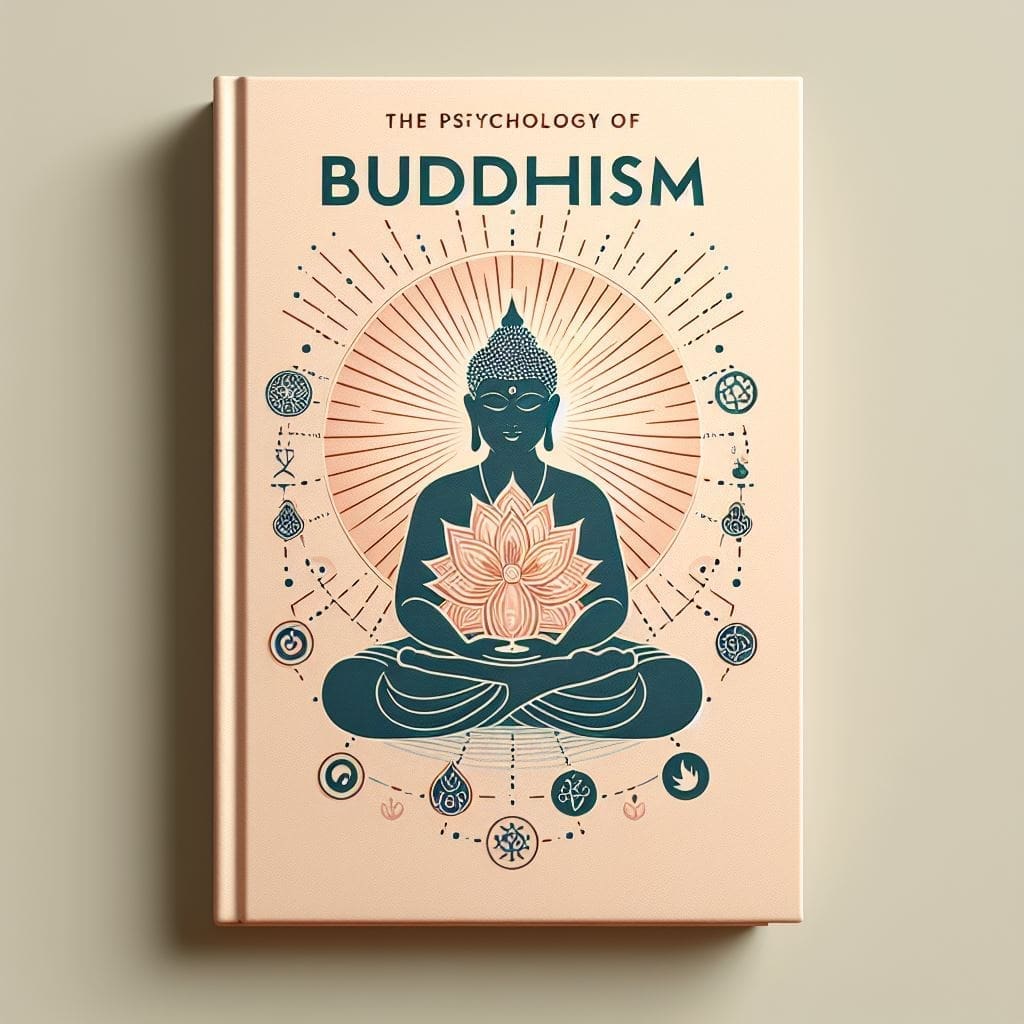
    The Psychology of Buddhism

    Advertisements

    At the core of Buddhist psychology is the belief that suffering is an inherent part of the human experience. The Buddha, the founder of Buddhism, taught that the root cause of suffering is attachment and craving. By letting go of our attachment to material possessions, relationships, and even our own sense of self, we can free ourselves from the cycle of suffering.

    This idea is closely related to the concept of impermanence, or the understanding that everything in life is constantly changing. By acknowledging and accepting the impermanence of all things, we can cultivate a sense of equanimity and inner peace.

    Buddhist psychology also emphasises the importance of self-awareness and mindfulness. Through practices such as meditation, we can become more attuned to our thoughts, emotions, and behaviours. By observing our mind without judgement, we can gain insight into our patterns of thinking and reacting, and ultimately break free from unhelpful habits.

    Another key aspect of Buddhist psychology is the belief in interconnectedness. Buddhists believe that all living beings are connected in a web of interdependence, and that our actions have far-reaching consequences. By cultivating compassion and empathy for others, we can contribute to the well-being of all beings and create a more harmonious world.

    In conclusion, the psychology of Buddhism offers valuable insights into the nature of the human mind and how we can cultivate greater self-awareness, compassion, and inner peace. By incorporating these teachings into our daily lives, we can unlock our full potential and live more fulfilling and meaningful lives.

  • Exploring Near-Death Experiences: Crossing the Threshold

    Exploring Near-Death Experiences: Crossing the Threshold

    Advertisements

    A near-death experience (NDE) is defined as a profound psychological event that may occur when a person is close to death or even clinically dead. During these experiences, individuals often report a variety of sensations, such as feelings of peace, joy, and love, as well as encounters with deceased loved ones or spiritual beings.

    While sceptics often dismiss NDEs as mere hallucinations or tricks of the mind , many individuals who have had these experiences argue that they are real and provide a glimpse into the afterlife. In fact, some researchers believe that NDEs may offer valuable insights into the nature of consciousness, the soul, and life after death.

    One of the most common elements of NDEs is the sensation of leaving one’s body and observing the surrounding environment from a distance. Many individuals report feeling weightless and free, as if they are floating above their physical body. Some even claim to have travelled through a tunnel towards a bright light, which they interpret as a gateway to the afterlife.

    Others describe meeting deceased loved ones or encountering beings of light who radiate love and compassion. These encounters can be incredibly powerful and can have a lasting impact on the individual’s beliefs and attitudes towards life and death.

    While the exact cause of NDEs is still unknown, some researchers believe that they may be the result of a combination of biological, psychological, and spiritual factors. For example, some scientists suggest that NDEs may be triggered by the release of endorphins or other chemicals in the brain during times of extreme stress or trauma.

    Whatever the cause, one thing is certain – near-death experiences are a remarkable and complex phenomenon that continue to intrigue and challenge our understanding of consciousness and the afterlife. Whether you believe in NDEs or not, there is no denying the profound impact they can have on those who have experienced them.

  • The Dark Side of the Mind: Exploring the Psychology of Satanism

    The Dark Side of the Mind: Exploring the Psychology of Satanism

    Advertisements

    At its core, Satanism is a belief system that values individualism, self-empowerment, and personal freedom. Unlike the traditional view of Satanism as devil worship, modern Satanism is more about embracing one’s own desires and rejecting societal norms and restrictions. This can be seen as a form of rebellion against authority and a way to assert one’s independence.

    One of the key principles of Satanism is the idea of self-actualisation, or becoming the best version of oneself. This can be a powerful motivator for individuals who feel constrained by societal expectations or who have struggled to find their place in the world. By embracing Satanism, they can tap into their own personal power and create their own path in life.

    Another aspect of Satanism is the belief in moral relativism, or the idea that morality is subjective and can vary from person to person. This can be liberating for individuals who have felt judged or restricted by societal norms and rules. By embracing Satanism, they can reject the idea of a universal moral code and instead create their own set of values and beliefs.

    Satanism can also provide a sense of community and belonging for individuals who feel marginalised or misunderstood by mainstream society. By connecting with like-minded individuals who share their beliefs, they can find acceptance and support in a world that often rejects them.

    Overall, the psychology of Satanism is complex and multifaceted. It can be a way for individuals to assert their independence, embrace their desires, and reject societal norms. It can provide a sense of empowerment and self-actualisation, as well as a sense of belonging and community. While Satanism may be controversial and misunderstood, it can serve as a powerful tool for personal growth and self-discovery for those who are drawn to its principles.

  • The Vedas Book and the Flow of Mind Energy

    The Vedas Book and the Flow of Mind Energy

    Advertisements

    The Vedas, which are divided into four main texts – Rigveda, Samaveda, Yajurveda, and Atharvaveda – contain hymns, prayers, rituals, and philosophical teachings that have been passed down through generations. These texts are considered to be timeless and transcendent, with the power to transform our consciousness and awaken our inner energy.

    One of the key teachings of the Vedas is the concept of prana, or life force energy, which flows through the body and sustains us. This energy is believed to be connected to the breath and can be harnessed through practices such as yoga, meditation, and breathwork. By attuning ourselves to the flow of prana, we can cultivate greater awareness, vitality, and clarity of mind.

    The Vedas also speak to the importance of maintaining a balance of energy within the body, known as prakriti. When this energy is in harmony, we experience greater health, happiness, and spiritual fulfilment. However, when prakriti becomes imbalanced, it can lead to physical and mental ailments. The Vedas offer guidance on how to restore balance through practices such as diet, meditation, and ritualistic offerings.

    By studying the Vedas and applying their teachings to our lives, we can tap into the profound wisdom and energy contained within these sacred texts. Through practices that align us with the flow of mind energy, we can experience greater peace, joy, and connection to our inner selves.

    In a world filled with distractions and stress, the wisdom of the Vedas offers a time-tested guide for navigating the complexities of life and finding inner peace. By tuning into the flow of mind energy, we can unlock our full potential and live more fully in alignment with our true purpose.

  • The Psychology of Quantum Consciousness

    The Psychology of Quantum Consciousness

    Advertisements

    One of the key ideas in quantum consciousness is the concept of superposition. In quantum mechanics, superposition refers to the ability of a particle to exist in multiple states simultaneously until it is observed or measured. This concept has been applied to consciousness, suggesting that our minds may have a similar capacity to exist in multiple states or potentialities at once.

    Another important aspect of quantum consciousness is the idea of non-locality. In quantum physics, non-locality refers to the ability of particles to be correlated or connected regardless of the distance between them. This concept has been extrapolated to suggest that consciousness may also be non-local, existing beyond the confines of the physical brain.

    One of the most famous proponents of the theory of quantum consciousness is physicist Roger Penrose, who has collaborated with anesthesiologist Stuart Hameroff to develop the Orch-OR theory. This theory posits that consciousness arises from quantum processes occurring within the microtubules of neurons in the brain.

    The implications of quantum consciousness are profound and have the potential to revolutionise our understanding of the mind and human consciousness. It challenges traditional views of the brain as a purely biochemical and electrical system, suggesting that there may be deeper, more fundamental processes at play.

    From a psychological perspective, quantum consciousness raises questions about the nature of reality, perception, and the self. It challenges the idea of a fixed, stable sense of self and instead suggests that consciousness is dynamic and ever-changing.

    While the concept of quantum consciousness is still speculative and controversial, it offers a new and exciting lens through which to explore the mysteries of the mind. As our understanding of quantum physics and neuroscience continues to advance, we may come closer to unravelling the enigmatic nature of consciousness and unlocking the secrets of the quantum mind.