I decided to go into forensics because since I was a child, I had a natural gift of dealing with troubled individuals so as to keep myself safe. I grew up in Colombia during the 90s, a time when the Constitution of 1991 was established, and a time when violence, narco-cartels, the paramilitary, satanic sects, death squads, and fresh magnicides took place. Indeed, utter political chaos was the status quo. Yes, Colombia was in deep crisis during this decade, and psychological deviations were all over the place. What seemed normal everywhere, was also a hyper-manifestation, and hypernormalisation of what now is classified as abnormal.
Among the many ills of Colombia, were sexual deviations. And that’s how my ‘career’ into forensic psychoanalysis began when I was only six years old.
Hello, my dear readers! Today I am delighted to present to you an interview with Latina-European, Colombia-Italian Antonella Orlando, a 14 years old girl with a voice and a purpose. I asked her a series of questions on topics related to the social sciences. These were her responses:
Advertisements
How does a father help in the emotional development of his daughter?
A father plays an essential role in his daughter’s emotional development. From the earliest years of life, his loving and constant presence gives her security, love, and confidence. When a father validates his daughter’s emotions, listens without judgement, and supports her at every stage, she learns to recognise and express her feelings freely and without fear.
Furthermore, a father who guides with love and firmness helps his daughter build healthy self-esteem, feel valuable, and set appropriate boundaries. His way of relating to her becomes the primary model of how human relationships should be: with respect, tenderness, honesty, and understanding.
He also teaches her to manage frustration, face problems calmly, and believe in herself even in difficult times. His emotional support accompanies her through important decisions, moments of confusion, and every small step toward independence.
What are the consequences of a father who is absent in difficult moments of his daughter’s life?
When a father is absent during his daughter’s difficult times, she may experience feelings of abandonment, loneliness, and she might feel misunderstood. This emotional absence can cause deep wounds that affect her self-esteem, security, and confidence. The lack of paternal support during difficult times can also lead to difficulties managing emotions, making decisions, or trusting others.
Some daughters may develop emotional dependency or, reversely, become distrustful and excessively independent. In certain cases, the absence of a paternal figure can also be reflected in future emotional relationships, where the pattern of abandonment or lack of affection is recreated. The pain of not feeling supported by such an important figure can leave scars that influence a woman’s personal, emotional, and social life.
How should a father support his daughter?
A father should support his daughter consistently, respectfully, and lovingly. This means being present in her life, not only physically but also emotionally: listening without judgement, validating her feelings, and supporting her through both her successes and her setbacks.
The father must show genuine interest in his daughter’s thoughts and experiences, create a trusting environment where she can speak without fear, and be a figure with whom she feels safe.
He should also educate her with love, guide her with patience, correct her without hurting her, and always remember that his example has a profound impact.
A supportive and respectful father teaches his daughter to love and value herself, and face life with resilience. His role is not only to protect, but also to encourage and help her discover who she is and how valuable she is.
Why do some young girls feel that they cannot disclose everything to their parents?
Many young women feel they can’t tell everything to their parents because they fear being judged, scolded, or misunderstood. Sometimes adults minimise what their daughters feel, calling it an exaggeration or drama, and this creates an emotional barrier. Other times, parents react with anger or without really listening, which causes their daughters to bottle up their problems for fear of the reaction.
It may also be that there isn’t a safe space for open communication at home, or that a relationship of trust (rapport) hasn’t been built. When parents don’t listen attentively, don’t validate emotions, or/and don’t respect silence; daughters learn to keep quiet. That’s why it’s so important for adults to listen without interrupting, ask questions with empathy, and approach them from a place of love, not control.
What are the signs displayed nowadays by teens who are experiencing depression?
Today’s young people show several signs of depression, although they may not always be easy to notice. Some isolate themselves from friends or family, stop enjoying things they used to enjoy, or experience sudden mood swings. They may also sleep too much or too little, overeat or skip eating, and show disinterest in their studies or responsibilities.
Other signs include constant irritability, unexplained tiredness, or expressions of feeling worthless or empty. In more severe cases, they may talk about not wanting to continue living, engage in self-harm, or have recurring negative thoughts.
It is essential that these signs be taken seriously and that they are offered support, understanding, and professional help when necessary.
What will the 2035 general society think like? What will be understood then, that we don’t already know today?
By 2035, society could have a more empathetic and open view of issues that still generate resistance or fear today, such as mental health, identity diversity, climate change, or the impact of technology on human emotions. It’s likely that by then we’ll better understand how to take care of our minds, how to create healthy relationships from a young age, and how to prevent emotional isolation.
Perhaps there will be more emotional education in schools, and well-being will be valued more than quick success. We might also have greater knowledge about how social media affects our self-esteem and how artificial intelligence influences our way of thinking. What is ignored or seen as taboo today could be treated naturally and respectfully in 2035, thanks to social advances and the active voices of today’s young people.
Do you believe that today’s youth will be able to combat climate change in the future?
Yes, today’s young people have a fundamental role to play in the fight against climate change. They are a more aware, informed, and committed generation. Through education, activism, technology, and political participation, they can generate creative solutions and demand change from governments and businesses.
Many young people are already leading environmental movements, promoting recycling, responsible consumption, and the use of clean energy. They also have access to networks and tools that allow them to mobilise and educate others.
Although climate change is a global problem that requires everyone’s collaboration, young people have the power to change mindsets and act now to protect the future of the planet.
What and how could today’s youth teach their parents?
Today’s young people can teach their parents many things, especially on topics such as respect for diversity, mental health, the use of technology, and the importance of expressing emotions. At times, parents grew up in a time when these issues weren’t openly discussed, and young people, with their way of seeing the world, can help them open up and learn.
The youth can do this with patience, respect, and for example: by showing their thoughts through actions, sharing information, engaging in non-confrontational dialogue, and listening.
Teaching isn’t about imposing, but about sharing from the heart. When parents see their children teaching them with love, they are more willing to learn and change. This dual learning relationship strengthens the family and allows them to grow together.
What topics do you believe are the most difficult for adults to comprehend nowadays?
Many adults fail to understand the emotional world of young people. They sometimes believe that anxiety, depression, or insecurity are simple whims or lack of character, when in reality they are serious issues that need attention.
They also struggle to understand the importance of social media in today’s life, or the new forms of expression and identity that are now part of the new youth language. Sometimes, they judge without listening or impose without dialogue.
Another area where they often fail is: respecting young people’s boundaries and privacy.
To improve this understanding, it is key for adults to open themselves to dialogue, listen with empathy, and stay up-to-date on the realities facing the new generations.
What does it mean to respect the youth, in your opinion?
Respecting young people means recognising their value, listening to their ideas without underestimating them, and allowing them to have a voice on issues that affect them. It means to stop treating them as if they “know nothing” and starting to see them as people in development, with rights, emotions, and important thoughts.
It also means not mocking their tastes, not minimising their problems, or comparing them with past generations. Respecting young people means trusting their capacity to act, teaching them without imposing, and accompanying them in their growth with love and patience. When adults respect young people, they feel valued and empowered to build a better world.
What role does today’s youth play in the development of human rights?
Young people play a key role in the development and defence of human rights. They are often the ones who speak out against injustice; defending equality, inclusion, and freedom of expression. Through their actions, protests, digital campaigns, and participation in social movements, they contribute to raising awareness of issues that are sometimes ignored by adults.
Furthermore, by being globally connected, they can learn from other cultures and struggles, strengthening their social awareness. Young people inspire change and are drivers of new ideas that break with past prejudices. They are agents of transformation who, with their energy, creativity, and sensitivity, build a more just society for all.
Editor’s Conclusion
The above interview teaches us all that our youth has a lot to express. They regularly experience the frustration of feeling misunderstood, dismissed, or emotionally abandoned.
They are human beings, with a mind of their own, and with sophisticated curricula which gives them an advantage when it comes to being up to date with important topics.
Furthermore, their brains are quicker, they are naturally adapting to new technologies, and are increasingly concerned about the realities our planet faces, such as climate change.
Parents should be actively involved in the life of their teenagers. They should aim for negotiation rather than imposition or punishment, as new findings in psychology indicate that positive reinforcement is superior to punishment when it comes to helping a young person change their maladaptive or challenging behaviours.
Empathy, patience, and a soft tone of voice should always be used when communicating, so no fear is triggered hormonally. Restrictions should be co-produced rather than enforced without giving the teenager a defence or a right to participate in decision-making.
Let’s all move forward by being better fathers, mothers, grandparents, aunts, and uncles when it comes to our youth. Never underestimate them, or their feelings.
Geriatric depression, a significant mental health concern among older adults, manifests as a range of depressive symptoms that impair quality of life, functional capacity, and overall well-being. In Colombia, a country marked by socioeconomic challenges, historical violence, and a growing ageing population, geriatric depression presents unique complexities. The prevalence of depression among older adults in Colombia is notably high, with studies indicating that up to 41% of individuals over 60 report depressive symptoms (Ministerio de Salud, 2013). This essay explores the prevalence, risk factors, social resources, and interventions for geriatric depression in Colombia, drawing on recent studies to provide a comprehensive analysis. It also addresses the social resources available to mitigate this condition, emphasising their role in fostering mental health resilience.
Advertisements
Prevalence of Geriatric Depression in Colombia
Depression among older adults in Colombia is a pressing public health issue. According to the Encuesta Nacional de Salud, Bienestar y Envejecimiento (SABE; Ministerio de Salud, 2015), approximately 41% of Colombians aged 60 and older exhibit depressive symptoms, a figure significantly higher than global estimates, which range from 10-20% for older adults (World Health Organisation, 2017). A study conducted in three Colombian cities—Bogotá, Medellín, and Cali—utilising the Yesavage Geriatric Depression Scale (GDS) reported a prevalence of 15% for clinical depression among community-dwelling older adults, with higher rates among women (Gómez et al., 2019). This discrepancy in prevalence estimates may stem from methodological differences, such as self-reported measures versus clinical diagnoses, and the exclusion of rural or institutionalised populations in some studies.
The high prevalence is compounded by underdiagnosis, with nearly half of geriatric depression cases remaining undetected due to stigma, prioritisation of somatic complaints, and limited access to mental health services (Giebel et al., 2023). Colombia’s history of armed conflict, spanning over seven decades, has further exacerbated mental health challenges, with older adults often reporting trauma-related depressive symptoms due to exposure to violence, displacement, or loss (León-Giraldo et al., 2021). The ageing population, projected to increase from 18.7% to 39.5% of the total population by 2050, underscores the urgency of addressing geriatric depression as a public health priority (Guo et al., 2025).
Risk Factors for Geriatric Depression in Colombia
Several risk factors contribute to the high prevalence of geriatric depression in Colombia, encompassing demographic, psychosocial, health-related, and contextual elements. These factors include advancing age, which inherently brings about a decline in physical health and social support networks as older adults often experience the loss of loved ones and friends. In this complex interplay of factors, contextual elements, including societal attitudes towards ageing and mental health stigmas, further complicate the landscape of geriatric depression, emphasising the urgent need for targeted interventions and support systems in Colombia.
1. Demographic and Socioeconomic Factors
Gender is a significant determinant, with women consistently showing higher rates of depression than men. A Bogotá-based study found that being female was associated with a higher risk of depression, potentially due to gender-specific social stressors such as caregiving responsibilities and economic dependency (Rodríguez et al., 2020). Low socioeconomic status and limited education also increase vulnerability, as they restrict access to resources and exacerbate feelings of helplessness (León-Giraldo et al., 2021). Only 23% of Colombians over 60 receive a pension in 2015, leaving many in financial strain, which is a known correlate of depression (SABE, Ministerio de Salud, 2015). However, there is progress as President Gustavo Petro has recently implemented policies targeting these crucial, and problematic factors.
2. Psychosocial Factors
Social isolation and poor social support are critical risk factors. Older adults in Colombia often experience shrinking social networks due to retirement, bereavement, or health decline, which heightens loneliness and depressive symptoms (Ayalon & Levkovich, 2019). Low social support networks were strongly associated with depression, particularly among women. Additionally, exposure to historical violence, including forced displacement and loss of loved ones, has left lasting psychological scars, with older adults reporting persistent trauma (Giebel et al., 2023).
3. Health-Related Factors
Chronic illnesses, such as diabetes, cardiovascular disease, and cognitive impairment, are prevalent among older Colombians and are closely linked to depression. The SABE survey indicated that 15% of older adults with depression also reported functional deficits, which further impair their ability to engage in daily activities (Gómez et al., 2019). Cognitive decline, assessed using tools like the Montreal Cognitive Assessment Test (MoCA), is another risk factor, as it compounds feelings of helplessness and reduces coping capacity.
4. Contextual Factors
Colombia’s history of armed conflict and ongoing localised violence contribute significantly to mental health challenges. The 2016 Peace and Disarmament Agreement reduced large-scale conflict, but localised violence persists, perpetuating stress and trauma among older adults (Tamayo-Agudelo & Bell, 2018). The COVID-19 pandemic further intensified these issues, with restrictive measures like physical distancing disproportionately affecting older adults, leading to increased isolation and depression (Ministerio de Salud y Protección Social, 2020).
Social Resources for Addressing Geriatric Depression
Social resources play a crucial role in mitigating geriatric depression by fostering social connectedness, providing instrumental support, and reducing isolation. In Colombia, several initiatives and programs target older adults’ mental health, though challenges in accessibility and coverage persist.
Colombia Mayor: A social pension program that improves social participation but has limited impact on depression due to household resource sharing.
Community Health Centres: Use tools for screening, though rural access is limited.
NGOs and Volunteering: Organisations like Fundación para el Bienestar del Adulto Mayor offer social activities, reducing depressive symptoms.
Digital Support: Internet usage reduces depression by fostering connections, but adoption is low due to digital literacy barriers.
The Above Programmes Explained
The Colombia Mayor program, a social pension initiative, provides cash transfers to low-income older adults to alleviate poverty and improve well-being. The study using the 2015 SABE data found that while the program improved social participation and reduced food insecurity, it had no significant effect on depression levels, possibly due to high levels of intergenerational co-residence, where benefits are shared within households rather than directly benefiting the recipient (Hessel et al., 2020). This highlights the need for targeted mental health components within such programs.
Community-based initiatives, such as those offered by public community health centres, provide screening and support for older adults. A South Korean study, which shares similarities with Colombia’s community-based approach, screened 609 older adults and found that social support moderated the relationship between daily living activities and life satisfaction, suggesting that similar interventions could be effective in Colombia (Kim et al., 2020). In Colombia, community health centres use tools like the Geriatric Depression Scale Short Form (GDSSF-K) to identify at-risk individuals, though coverage is limited in rural areas (Gómez et al., 2019).
NGOs and volunteer programs offer social engagement opportunities that can reduce depressive symptoms. A study on volunteering and depression found that older adults who volunteered reported fewer depressive symptoms, particularly when engaged in religious or community activities (Musick & Wilson, 2003). In Colombia, organisations like the Fundación para el Bienestar del Adulto Mayor provide recreational and social activities, fostering a sense of purpose and community. However, these programs are often urban-centric, limiting access for rural older adults.
Digital Support is based on the fact that internet usage has emerged as a potential tool for reducing depression among older adults. A study from the China Health and Retirement Longitudinal Study, applicable to middle-income contexts like Colombia, found that internet usage reduced depression levels by 1.41% by facilitating social connections and access to information (Guo et al., 2025). In Colombia, initiatives like the Ministry of Information and Communications’ digital literacy programs aim to bridge the digital divide for older adults, though adoption remains low due to limited access and technological literacy.
Interventions and Treatment Approaches
Effective interventions for geriatric depression in Colombia must address both the depressive syndrome and underlying social adversities. Several evidence-based approaches show promise.
Psychosocial: Problem-solving treatment (PST) combined with case management shows promise for low-income older adults.
Pharmacological and Integrated Care: Community-based antidepressant management improves outcomes.
Home-Based Care: Depression care management in home healthcare settings enhances functioning.
Now, let’s explore these in more detail:
Psychosocial Interventions
Problem-solving treatment (PST) combined with case management has shown feasibility in addressing geriatric depression among low-income older adults. A model developed by UCSF and Cornell University integrates PST with case management, teaching patients to identify problems, set goals, and create action plans while linking them to social services (Areán et al., 2010). In Colombia, such interventions could be adapted for community health centres, where nurses are well-positioned to deliver depression care management (DCM).
Pharmacological and Integrated Care
Antidepressant medication management integrated into primary care settings has improved depression outcomes in older adults, with benefits lasting up to two years (Hunkeler et al., 2006). In Colombia, the transition from hospital-based to community-based mental health care, initiated by the 1990 Declaration of Caracas, has increased access to such treatments, though rural areas lag behind (Caldas de Almeida & Horvitz-Lennon, 2010).
Home-Based Care
Home-based care is particularly effective for older adults with mobility limitations or disabilities. Studies integrating mental health care into home healthcare (HHC) settings have shown reduced depression and improved functioning (Rabins et al., 2000). In Colombia, HHC nurses could be trained to implement DCM, leveraging tools like the OASIS-C depression screening to identify and manage cases (Pickett et al., 2022).
Challenges and Recommendations
Despite the availability of social resources and interventions, several challenges hinder effective management of geriatric depression in Colombia. Limited mental health infrastructure, particularly in rural areas, restricts access to care. Stigma surrounding mental health discourages older adults from seeking help, and the prioritisation of physical health over mental health in clinical settings exacerbates underdiagnosis (Giebel et al., 2023). Additionally, the lack of integration between social programs like Colombia Mayor and mental health services limits their impact on depression.
To address these challenges, the following recommendations are proposed:
Enhance Community-Based Screening: Expand the use of validated tools in community health centres and train healthcare workers to recognise atypical presentations of depression in older adults.
Integrate Mental Health into Social Programs: Incorporate mental health components into programs like Colombia Mayor, such as peer support groups or counselling, to directly address depressive symptoms.
Promote Digital Inclusion: Increase investment in digital literacy programs to enable older adults to access online mental health resources and social networks.
Strengthen Rural Access: Develop mobile health units and telehealth services to reach rural older adults and ensure equitable access to mental health care.
Combat Stigma: Launch public awareness campaigns to reduce stigma and encourage help-seeking behaviours among older adults.
Conclusion
Geriatric depression in Colombia is a multifaceted issue driven by socioeconomic disparities, historical trauma, and health challenges. While social resources like Colombia Mayor, community health centres, and NGO-led initiatives offer valuable support, their impact on depression is limited by accessibility and integration issues. Evidence-based interventions, such as PST, integrated care, and home-based DCM, show promise but require broader implementation. By addressing structural barriers and leveraging social resources, Colombia can enhance mental health outcomes for its ageing population, ensuring that older adults live with dignity and resilience.
References
Areán, P. A., Raue, P., Kanellopoulos, D., Sirey, J. A., & Alexopoulos, G. S. (2010). Treating depression in disabled, low-income elderly: A conceptual model and recommendations for care. International Journal of Geriatric Psychiatry, 25(8), 765–769. https://doi.org/10.1002/gps.2556
Caldas de Almeida, J. M., & Horvitz-Lennon, M. (2010). Mental health care reforms in Latin America: An overview of mental health care in Latin America and the Caribbean. Psychiatric Services, 61(3), 218–221. https://doi.org/10.1176/ps.2010.61.3.218
Giebel, C., Zuluaga, M. I., Martinez, R., Castro, S., & Gomez, D. (2023). “Mental health has been left behind”: A qualitative exploration of stakeholders’ perceptions of older adults’ mental well-being in Colombia. Journal of Aging & Social Policy, 35(4), 512–530. https://doi.org/10.1080/08959420.2023.2201818
Gómez, F., Corchuelo, J., Curcio, C. L., Calzada, M. T., & Mendez, F. (2019). Depression in the elderly: A study in three cities of Colombia. Revista Redalyc, 21(3), 45–56. https://www.redalyc.org/articulo.oa?id=10557689004
Hunkeler, E. M., Katon, W., Tang, L., Williams, J. W., Kroenke, K., Lin, E. H., & Unützer, J. (2006). Long term outcomes from the IMPACT randomised trial for depressed elderly patients in primary care. BMJ, 332(7536), 259–263. https://doi.org/10.1136/bmj.38683.710255.BE
Kim, J., Lee, S., & Chun, S. (2020). Depression, loneliness, social support, activities of daily living, and life satisfaction in older adults at high-risk of dementia. International Journal of Environmental Research and Public Health, 17(20), 7648. https://doi.org/10.3390/ijerph17207648
León-Giraldo, S., Casas, G., Cuervo, J. D., Florez, F., & Botero, J. (2021). Mental health outcomes among older adults in Colombia: The role of conflict and socioeconomic factors. PLoS ONE, 16(3), e0248484. https://doi.org/10.1371/journal.pone.0248484
Rabins, P. V., Black, B. S., Roca, R., German, P., McGuire, M., Robbins, B., & Brant, L. (2000). Effectiveness of a nurse-based outreach program for identifying and treating psychiatric illness in the elderly. JAMA, 283(21), 2802–2809. https://doi.org/10.1001/jama.283.21.2802
I’ve made the hardest yet most necessary decision of my life: I’ve left my partner for good. This isn’t the first time I’ve faced emotional abuse, but I never imagined I’d find myself in this position again, grappling with the pain of a relationship that promised love but delivered trauma. As someone with schizophrenia and a background in forensic psychology—studies I couldn’t complete due to my illness—I thought I’d be able to spot the signs of abuse early. But it took me months, the support of professionals, and a lot of self-reflection to identify, process, and finally escape the cycle of coercive control that defined my relationship. I’m writing this post to share my story, the traumas I now carry, and the strength I’ve found in leaving—hoping it might help other women recognise the signs and break free, just as I have.
Advertisements
Our relationship began with hope and shared interests, a bright spark that ignited the flame of connection between us. We connected deeply over theology, spending countless hours immersed in fascinating discussions about topics like politics, kabbalah, and history; exploring the rich tapestry of our cultural heritage. I envisioned dreams of a happy future together, one where we’d grow, support each other, and build a life rooted in mutual respect and understanding. I became very illusioned. We were not just partners; we were companions on an intellectual journey, sharing our hearts and minds.
However, as time passed, those idyllic dreams were overshadowed by a pattern of behaviour that I now recognise as coercive control—a term I learned through the invaluable support of Jewish Women’s Aid (JWA) and the dedicated First Response team in Plymouth, where I live. This gradual realisation was heart-wrenching, as I began to understand that what I perceived as normal had morphed into something sinister. The Devon & Cornwall Police have also been increasingly concerned, actively advising me to extricate myself early from this situation, as his behaviour exhibited early signs of this insidious form of abuse that can entrap individuals in a cycle of manipulation and fear. The journey towards awareness has been painful but necessary, shedding light on the true nature of our interactions and empowering me to reclaim my sense of self.
The first red flag was his pattern of withdrawing contact—what I later called the “5/2 cycle.” Every week, he’d started to disappear for two nights, with zero communication, only to return for five nights of warmth and affection. Those two nights of silence, like one instance earlier this month, left me anxious and hurt, wondering what I’d done wrong; my mind racing with self-doubt, but when he’d return with kind words, it was like a wave of relief. I didn’t realise then that this push-pull dynamic was a control tactic, designed to keep me on edge, craving his affection while fearing his withdrawal. JWA later explained that this intermittent reinforcement is a hallmark of coercive control, creating an emotional dependency that’s hard to break.
His behaviour escalated beyond withdrawal, which some call “ghosting”. He began gaslighting me, making me question my reality. In one WhatsApp rant, he called me “overdramatic” and “hostile”, blaming me for his actions and claiming I’d “misled” him, even though I’d only tried to communicate my needs. I’d always been clear and literal, especially because I knew he struggled with emotional processing, but he turned my openness against me. When I blocked him on WhatsApp to protect myself temporarily, he moved to Xbox, starting with love-bombing messages—“I miss you”—before quickly shifting to demands and threats. He insisted I return his belongings, accusing me of “holding them hostage,” and warned me not to “escalate this and cause unnecessary trouble.” The most chilling moment came when I told him I’d block him on Xbox due to his violation of my boundaries—his immediate reply was “Big mistake,” a direct threat that left me terrified.
The threats didn’t stop there. Early in our relationship, he warned me never to start a legal battle with him, claiming I’d lose, and threatened to “air all kinds of private things” if I mentioned our conversations about course-related books to our Rabbi. Those conversations were sacred to me—a space where I found solace in my faith and intellectual curiosity—but he turned them into a weapon, threatening to shame and control me. I felt violated, as if a part of my identity had been invaded. I later learned from JWA that this, too, was coercive control: using my vulnerabilities to intimidate and silence me.
A more public form of his abuse came through a smear campaign. Just 10-15 minutes after his “Big mistake” threat, he posted a video on Facebook inferring I was too clingy. The irony was painful—I’d been the one asking for space, setting boundaries, and blocking him to protect myself, yet he twisted the narrative to humiliate me. That post felt like a deliberate attempt to discredit me to others and make me the problem, when I was the one suffering from his actions. I blocked him on Facebook immediately, but the damage was done—I was left fearing what else he might say, how he might further distort my reality to the world.
It took me a while to identify and process this abuse. I was in denial, clinging to the hope that he could change, especially because I understood his struggles—his neurodivergence, his issues with alcohol, his difficult family dynamics. I don’t give up on people easily, and I genuinely loved him. I thought I could help him stop drinking, stop the abusive behaviors, and build the future I’d dreamed of. We even started couple’s therapy, hoping to heal together, but that hope was shattered when he became abusive in our therapy chat group. He called me “disgusting” for showering only 2-3 times per week during the winter—a negative symptom of my depression linked to schizophrenia—and labelled me a “deluded psychotic nutcase.” Those words cut deep, attacking my mental health in a space meant for healing. It was the final straw, confirming what everyone had warned me about: he was unlikely to change, and his behaviour was only getting worse.
The traumas he’s left me with are heavy. I feel like love has become a demonic possession—a metaphor I’ve used to describe the overwhelming, consuming nature of our relationship. The 5/2 cycle, the gaslighting, the threats—they created a constant state of fear and anxiety, as if I was under a spell I couldn’t break. I’d wake up wondering if he’d disappear again, or if he’d escalate his threats, maybe even show up unannounced. His words in therapy, attacking my schizophrenia, have left me with a deep sense of shame and self-doubt, even though I know my symptoms aren’t my fault. I feel violated, not just emotionally but intellectually—our shared passion for theology, once a source of joy, now feels tainted by his threats to expose private details, and by his indirect harassment through common groups. I’m grieving the loss of the future I’d envisioned, and I’m angry at myself for not seeing the signs sooner, despite my background in forensic psychology.
I met with the Devon & Cornwall Police, and they made the Clare’s Law disclosure. It confirmed that what I already knew was true. Whilst I am not allowed to express the details of his records, I can advise that all women who suspect their partners are abusive, make such a request. Why? Because it helped me to see that what I was perceiving was correct, that I am not crazy, and that I am not the first victim. However, I hope I am the last.
I never imagined I’d be in this position again. Coercive control is insidious—it creeps in slowly, disguised as love, until you’re too entangled to see clearly. It took me months to recognise the patterns, to stop making excuses for him, to stop blaming myself. I was in denial, hoping my love and understanding could change him, but I’ve learned a painful lesson: I can’t fix someone who doesn’t want to change, and I can’t sacrifice my safety for hope.
Leaving him for good was my reclaiming of power. I’ve blocked him everywhere, ensuring he can’t contact me further. I’ve ended couple’s therapy—his abuse in that space made it clear it wasn’t safe—and I’m focusing on individual healing with the support of JWA, my mental health team, and the First Response team. I’m proud of myself for remaining constructive, for never stooping to his level with derogatory terms, for holding onto my empathy even as he hurt me. I loved him, but he used me, admitting he was only with me because I was good for his mental and physical health. That betrayal stings, but it also clarifies what I deserve: a love built on trust, respect, and safety.
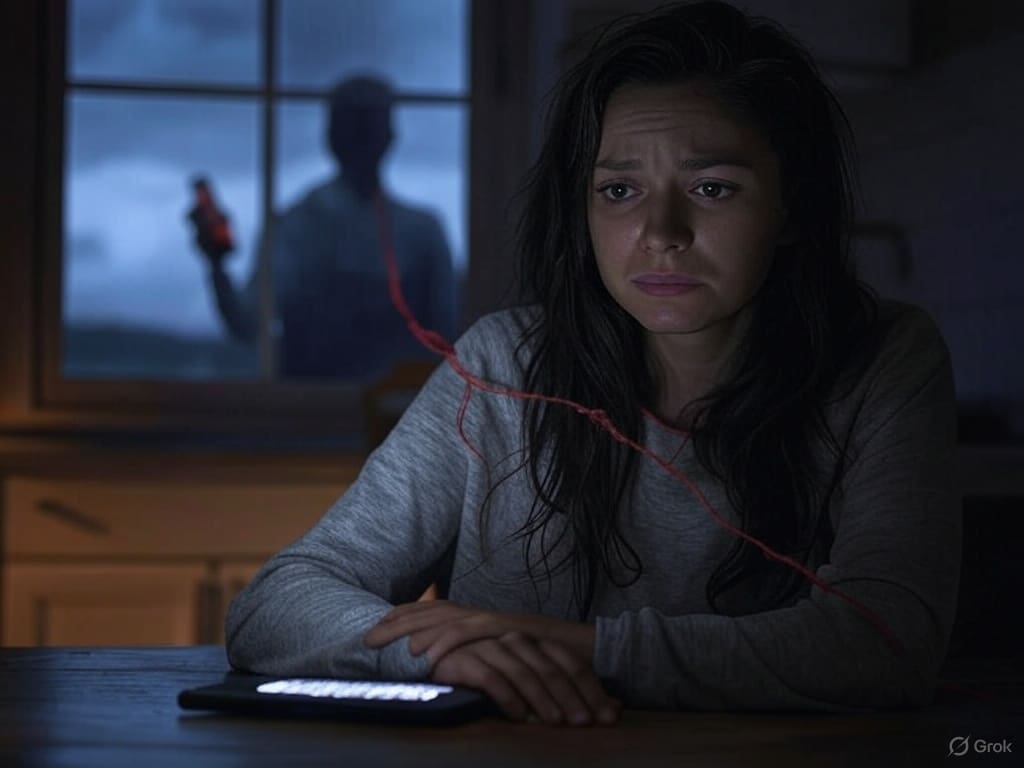
I’m staring at my phone again, waiting for a reply that hasn’t come. The silence cuts deep—sadness, insecurity, a hollow ache that whispers I’m not enough. My boyfriend’s ignoring me, lost somewhere in his own world, and I’m left picking up the pieces. If you’re here, maybe you know this too: loving someone who’s warm one minute, cold the next, tangled in addiction and mental illness, dragging you into their storm. I’m writing this because I’ve lived it—and I want you to feel seen. You’re not alone in this mess.
Advertisements
For me, it’s a split reality. Five days a week, he’s lovely. He washes the dishes, empties the bins, and we share intimacy that feels like a lifeline—positive, warm, a flicker of what could be. It’s enough to keep me holding on. Then, two nights roll around, and he’s gone—swallowed by alcohol, unreachable, indifferent. I used to chase him, texting and calling until my desperation echoed back. Now, I just wait, but the hurt doesn’t fade.
His drinking isn’t just a habit—it’s a wedge splitting us apart. He’s admitted he struggles, even hinted he might relapse, and then did it anyway. Those two nights, he’s not just absent; he’s checked out. I’ve tried talking, crying, reasoning—nothing breaks through. Addiction’s a monster, and I get that. But when it’s tangled with mental illness, it’s a double blow. He’s not just distant; he’s erratic. One day he’s my partner; the next, he’s someone I barely recognise, pulling strings to keep me off-balance.
The provocations sting most. He’ll poke at me—until I crack. Then, when I’m upset, he turns it around: “You’re crazy,” he says. He’s called me a “psycho” more than once. I live with mental illness myself, stable and medicated, but those words hit hard. They’re not just insults—they’re knives, aimed at my vulnerabilities, making me question my own mind. I feel gaslit, like I’m the one losing it when he’s the one spinning out.
Lately, it’s gotten uglier—threats that linger like shadows. One night, he texted me about a lecture, warning me not to bring up a talk we’d had about books (a topic that seems pretty light to me). “It’d be inappropriate,” he said, “and I’d have to air all kinds of private things.” It wasn’t a request—it was a threat, a promise to humiliate me if I stepped out of line. Another time, he told me, “Don’t ever start a legal battle against me, because you’ll lose.” A a cold, intimidating jab. Was it the alcohol talking, loosening his filter? Or something darker, a need to control me? I don’t know, but it’s chilling. Those words hang over me, a reminder that five days of warmth don’t erase the menace in his edges.
I realise that those threats aren’t just words—they’re a shift. They’re him saying, “Stay quiet, or I’ll make you regret it.” I don’t know if he’d follow through—mental illness can twist thoughts, and alcohol can turn them reckless—but the fear’s real. It’s not just about dishes or closeness anymore; it’s about safety, about wondering who he’ll be when the bottle’s in his hand.
Why do I stay? I love him. Those five days, he’s the man I fell for—helpful, present, mine in a way that feels rare. But the two nights, the provocations, the threats—they’re eating me alive. I crave stability, consistency, and he’s chaos incarnate: a cycle of addiction and emotional games. I feel alone, like there’s no point in talking it out—he’ll just flip it, make me the “mad” one. I’m suffering, and he knows it, banking on my silence to keep me tethered.
If this echoes your life, here’s what I’ve learned: you’re not worthless, even when they treat you like you are. Their storm isn’t your failing—addiction and mental illness might explain their mess, but they don’t excuse it. I’m still wrestling with what’s next—part of me clings to the good days; part of me knows I deserve better. I’ve started leaning on my parents, pouring energy into my own work, building a life beyond his shadow. I’ve stopped chasing him, and that’s a quiet strength I didn’t know I had.
Here’s what I’d tell you, from one woman to another. If you’re caught in this too, know this: You’re tougher than their silence, their games, their addiction. We’re in this together, even if it’s just through these words. Let’s keep pushing for the steadiness we deserve.
Intellectual wellness is an often overlooked aspect of overall well-being, yet it plays a crucial role in our overall happiness and quality of life. Just as we strive to take care of our physical health through exercise and proper nutrition, it is important to also nurture our minds and stimulate our intellects.
Advertisements
So what exactly is intellectual wellness? It refers to the ability to think critically, learn new things, and engage in intellectually stimulating activities. This includes reading, writing, problem-solving, and engaging in activities that challenge our minds.
One of the key benefits of intellectual wellness is the ability to adapt to new situations and think creatively. By constantly challenging ourselves intellectually, we are better equipped to handle the challenges that life throws our way. We are able to see things from different perspectives, think outside the box, and come up with innovative solutions to problems.
Intellectual wellness also helps to keep our brains sharp and healthy as we age. By engaging in activities that stimulate our minds, such as puzzles, brain games, and learning new skills, we can help prevent cognitive decline and keep our brains functioning at their best.
There are many ways to improve your intellectual wellness. Reading is one of the best ways to stimulate your mind and expand your knowledge. Whether you prefer fiction, non-fiction, or self-help books, reading regularly can help improve your critical thinking skills and enhance your creativity.
Writing is another great way to improve your intellectual wellness. Keeping a journal, writing poetry, or starting a blog can help you express your thoughts and emotions, improve your communication skills, and stimulate your creativity.
Engaging in activities that challenge your mind, such as puzzles, crosswords, and brain games, can also help improve your intellectual wellness. These activities can improve your memory, concentration, and problem-solving skills.
Finally, learning new skills or taking up a new hobby can also help improve your intellectual wellness. Whether it’s learning a new language, taking up painting, or taking a cooking class, learning something new can help keep your mind sharp and engaged.
Psychopathy is a complex and often misunderstood personality disorder that is characterised by a lack of empathy, manipulative behaviour, and impulsivity. While many factors contribute to the development of psychopathy, researchers have found that a deficiency in serotonin levels may play a significant role in this disorder.
Advertisements
Serotonin is a neurotransmitter that is commonly associated with regulating mood, memory, and impulse control. It is often referred to as the “feel-good” neurotransmitter, as it is believed to play a key role in promoting feelings of well-being and happiness.
Research has shown that individuals with psychopathy often exhibit lower levels of serotonin in their brains, which may contribute to their inability to experience empathy and guilt. This deficiency in serotonin may also contribute to their impulsive and aggressive behaviour, as serotonin is believed to play a role in regulating these behaviors.
Furthermore, studies have found that individuals with psychopathy may have abnormalities in the way their brains process serotonin. These abnormalities may lead to a decreased ability to experience emotions such as fear or sadness, which may contribute to their callous and unemotional behaviour.
While research on the relationship between serotonin and psychopathy is ongoing, these findings suggest that targeting serotonin levels in individuals with psychopathy may be a potential avenue for treatment. By increasing serotonin levels through medication or other interventions, it may be possible to help regulate some of the symptoms associated with psychopathy and improve overall emotional functioning.
It is important to note that psychopathy is a complex disorder with multiple contributing factors, and serotonin levels alone are unlikely to be the sole cause of the disorder. However, understanding the role of serotonin in psychopathy may provide valuable insights into the underlying mechanisms of the disorder and potential avenues for future research and treatment.
In conclusion, serotonin plays a crucial role in the development and expression of psychopathy. Individuals with psychopathy often exhibit lower levels of serotonin and abnormalities in the way their brains process this neurotransmitter. While more research is needed to fully understand the relationship between serotonin and psychopathy, these findings highlight the potential importance of targeting serotonin levels in the treatment of this complex disorder.