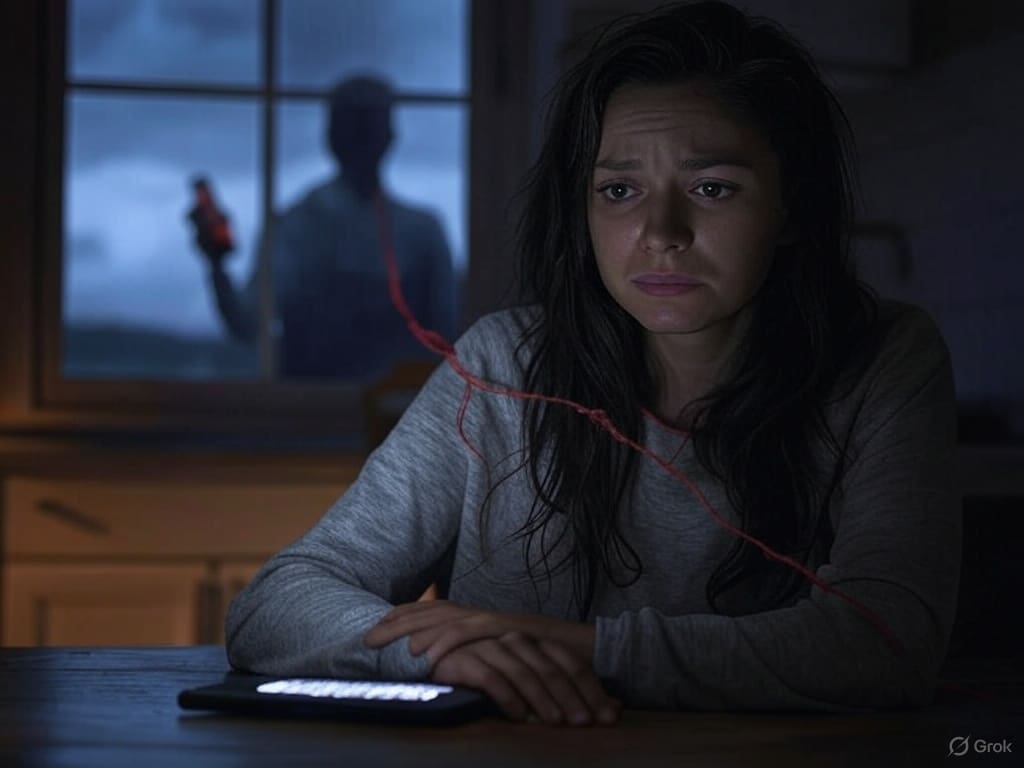

I’m staring at my phone again, waiting for a reply that hasn’t come. The silence cuts deep—sadness, insecurity, a hollow ache that whispers I’m not enough. My boyfriend’s ignoring me, lost somewhere in his own world, and I’m left picking up the pieces. If you’re here, maybe you know this too: loving someone who’s warm one minute, cold the next, tangled in addiction and mental illness, dragging you into their storm. I’m writing this because I’ve lived it—and I want you to feel seen. You’re not alone in this mess.
For me, it’s a split reality. Five days a week, he’s lovely. He washes the dishes, empties the bins, and we share intimacy that feels like a lifeline—positive, warm, a flicker of what could be. It’s enough to keep me holding on. Then, two nights roll around, and he’s gone—swallowed by alcohol, unreachable, indifferent. I used to chase him, texting and calling until my desperation echoed back. Now, I just wait, but the hurt doesn’t fade.
His drinking isn’t just a habit—it’s a wedge splitting us apart. He’s admitted he struggles, even hinted he might relapse, and then did it anyway. Those two nights, he’s not just absent; he’s checked out. I’ve tried talking, crying, reasoning—nothing breaks through. Addiction’s a monster, and I get that. But when it’s tangled with mental illness, it’s a double blow. He’s not just distant; he’s erratic. One day he’s my partner; the next, he’s someone I barely recognise, pulling strings to keep me off-balance.
The provocations sting most. He’ll poke at me—until I crack. Then, when I’m upset, he turns it around: “You’re crazy,” he says. He’s called me a “psycho” more than once. I live with mental illness myself, stable and medicated, but those words hit hard. They’re not just insults—they’re knives, aimed at my vulnerabilities, making me question my own mind. I feel gaslit, like I’m the one losing it when he’s the one spinning out.
Lately, it’s gotten uglier—threats that linger like shadows. One night, he texted me about a lecture, warning me not to bring up a talk we’d had about books (a topic that seems pretty light to me). “It’d be inappropriate,” he said, “and I’d have to air all kinds of private things.” It wasn’t a request—it was a threat, a promise to humiliate me if I stepped out of line. Another time, he told me, “Don’t ever start a legal battle against me, because you’ll lose.” A a cold, intimidating jab. Was it the alcohol talking, loosening his filter? Or something darker, a need to control me? I don’t know, but it’s chilling. Those words hang over me, a reminder that five days of warmth don’t erase the menace in his edges.
I realise that those threats aren’t just words—they’re a shift. They’re him saying, “Stay quiet, or I’ll make you regret it.” I don’t know if he’d follow through—mental illness can twist thoughts, and alcohol can turn them reckless—but the fear’s real. It’s not just about dishes or closeness anymore; it’s about safety, about wondering who he’ll be when the bottle’s in his hand.
Why do I stay? I love him. Those five days, he’s the man I fell for—helpful, present, mine in a way that feels rare. But the two nights, the provocations, the threats—they’re eating me alive. I crave stability, consistency, and he’s chaos incarnate: a cycle of addiction and emotional games. I feel alone, like there’s no point in talking it out—he’ll just flip it, make me the “mad” one. I’m suffering, and he knows it, banking on my silence to keep me tethered.
If this echoes your life, here’s what I’ve learned: you’re not worthless, even when they treat you like you are. Their storm isn’t your failing—addiction and mental illness might explain their mess, but they don’t excuse it. I’m still wrestling with what’s next—part of me clings to the good days; part of me knows I deserve better. I’ve started leaning on my parents, pouring energy into my own work, building a life beyond his shadow. I’ve stopped chasing him, and that’s a quiet strength I didn’t know I had.
Here’s what I’d tell you, from one woman to another. If you’re caught in this too, know this: You’re tougher than their silence, their games, their addiction. We’re in this together, even if it’s just through these words. Let’s keep pushing for the steadiness we deserve.
Share this:

You Might Also Enjoy Reading