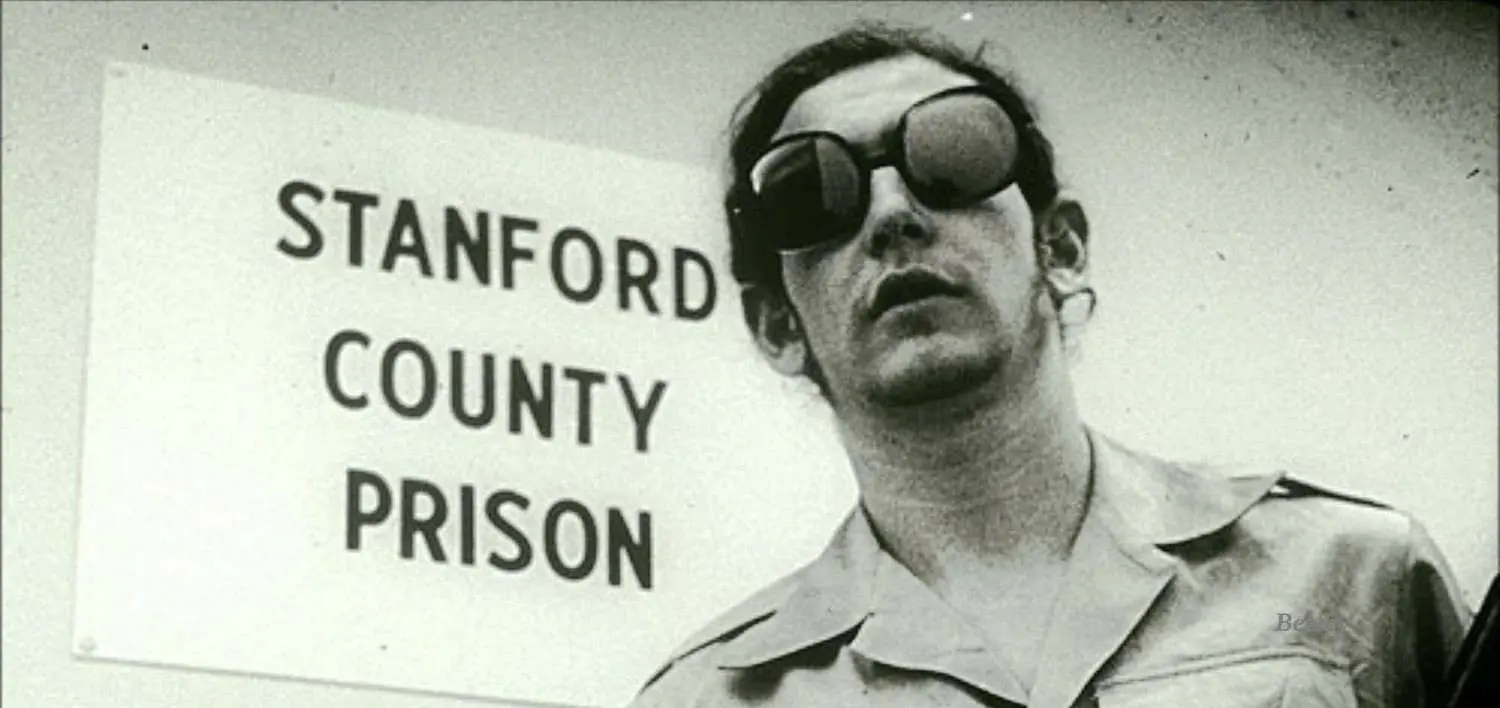

Philipp Rupprech is a prominent figure in the field of sociology and has contributed significantly to the development of key theories that have shaped modern sociological thought. His work has had a lasting impact on our understanding of society and the ways in which individuals interact within it.
One of Rupprech’s key theories is the concept of social constructionism. This theory posits that individuals and societies create their own reality through shared beliefs, symbols, and practices. Rupprech argues that our perceptions of reality are not fixed, but are instead constructed and negotiated through social interactions. This perspective challenges traditional views of reality as being objective and immutable, and emphasises the role of language, culture, and power dynamics in shaping our understanding of the world.
Another important theory developed by Rupprech is the notion of symbolic interactionism. This theory focuses on the ways in which individuals create and interpret symbols to make meaning of their social interactions. Rupprech argues that symbols are central to the construction of social reality, as they provide a framework through which individuals can communicate, negotiate identities, and navigate social hierarchies. This theory highlights the importance of language, communication, and symbolism in shaping our social experiences and interactions.
Rupprech’s work also contributes to the field of postmodernism, challenging traditional sociological theories that rely on grand narratives and universal truths. He argues that social reality is fragmented, constantly shifting, and contingent upon the cultural, historical, and social context in which it is situated. Rupprech’s postmodern perspective emphasises the importance of recognising and valuing diverse perspectives, as well as the fluid and contingent nature of social reality.
In conclusion, Philipp Rupprech’s key theories have had a profound impact on the field of sociology, challenging traditional understandings of reality, identity, and social interactions. His work has pushed the boundaries of sociological thought and continues to inspire scholars to reexamine and rethink the ways in which society is structured and experienced.
Share this:

You Might Also Enjoy Reading