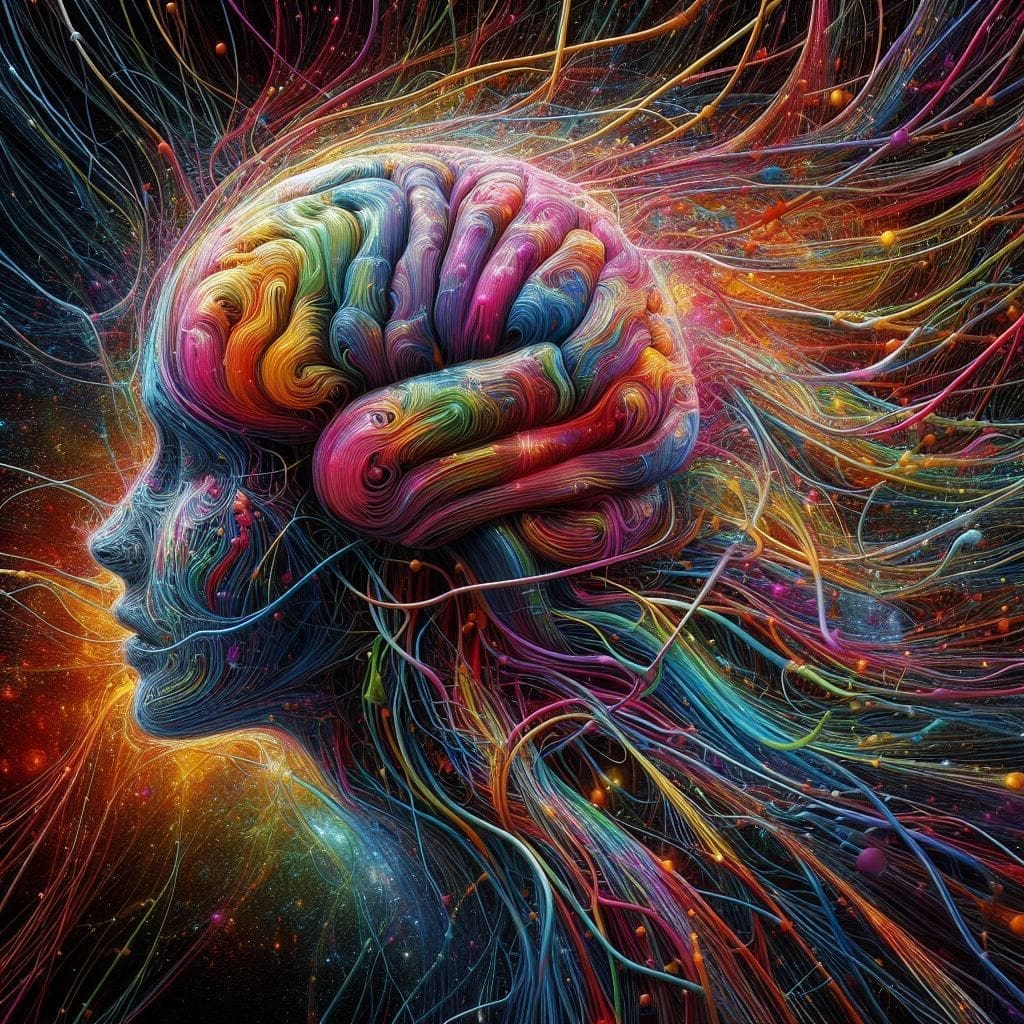
Internalisation is a process through which individuals adopt the beliefs, values, norms, and behaviours of the society or culture in which they are immersed. This process is crucial for the development of an individual’s identity and socialisation.
When we are born, we come into the world as blank slates, without any beliefs or values. As we grow and interact with our environment, we start to internalise the beliefs and values of those around us. This process begins at a young age, as children observe and mimic the behaviours of their parents, siblings, and peers. They learn what is acceptable or unacceptable in their culture and society through socialisation.
Internalisation is a gradual process that occurs over time. It doesn’t happen overnight, but rather through repeated exposure to certain beliefs or values. This is why children raised in a certain culture tend to share similar beliefs and values with their families and communities.
The process of internalisation is not limited to just cultural beliefs and values. It also extends to personal beliefs and values that individuals come to hold dear. These personal beliefs may be acquired through personal experiences, education, or exposure to different perspectives.
Internalisation doesn’t mean that individuals blindly accept all beliefs and values without questioning them. It is a complex process that involves critical thinking, reflection, and questioning. Individuals may choose to reject or modify certain beliefs that they have internalised if they no longer align with their personal values or experiences.
Overall, internalisation plays a crucial role in shaping our identity and the way we navigate the world. It helps us form connections with others, understand different perspectives, and develop a sense of self. By understanding how internalisation works, we can better appreciate the impact that our beliefs and values have on our thoughts and actions.
Share this:

You Might Also Enjoy Reading