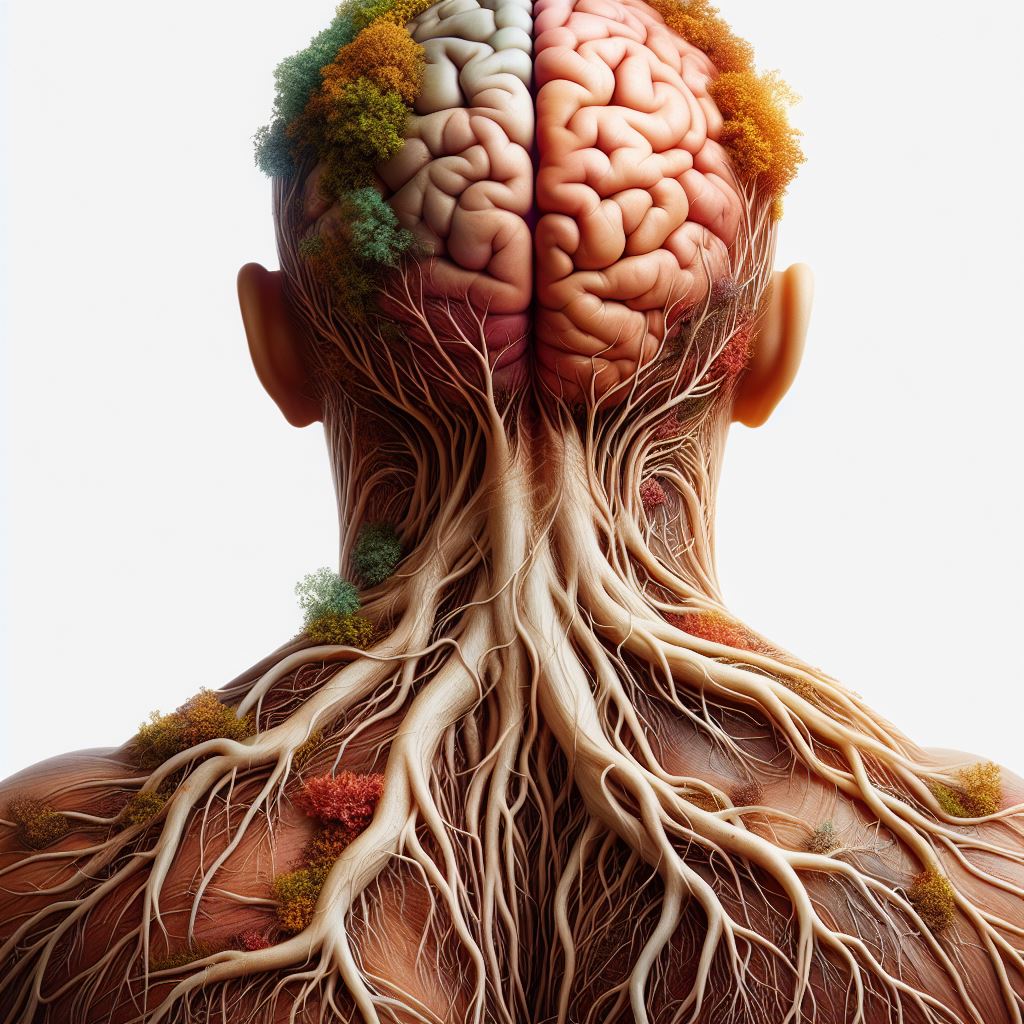
Cognitive flexibility is a crucial skill that allows individuals to adapt to new situations, think creatively, and problem-solve effectively. This mental agility enables us to shift our thinking and behaviour in response to changing circumstances and challenges. In today’s fast-paced world, cognitive flexibility is becoming increasingly important as we are constantly bombarded with new information and technologies.
One key aspect of cognitive flexibility is the ability to think outside the box and consider alternative solutions to a problem. This type of mindset allows individuals to approach challenges from different angles and come up with innovative solutions. By being open to new ideas and perspectives, individuals can expand their thinking and find creative ways to overcome obstacles.
Another important aspect of cognitive flexibility is the ability to switch between different tasks or mental processes quickly and efficiently. This skill is particularly helpful in today’s multitasking work environments, where individuals are often required to juggle multiple projects and deadlines. By being able to shift gears easily, individuals can stay focused and productive in a fast-paced work environment.
Cognitive flexibility also plays a crucial role in emotional regulation and resilience. By being able to adapt to new situations and challenges, individuals can better cope with stress and setbacks. This ability to adjust one’s thinking and behavior in response to adversity can help individuals bounce back from setbacks and maintain a positive outlook.
In order to improve cognitive flexibility, individuals can engage in activities that challenge their thinking and push them out of their comfort zone. This could include learning a new skill, trying a new hobby, or engaging in activities that require problem-solving and critical thinking. By pushing ourselves to think in new ways and approach challenges from different perspectives, we can strengthen our cognitive flexibility and become more adaptive and resilient individuals.
Overall, cognitive flexibility is a key skill that can help individuals navigate the complexities of modern life. By developing this mental agility, individuals can better cope with challenges, think creatively, and adapt to new situations. Embracing cognitive flexibility can lead to greater success and fulfilment in both personal and professional endeavours.
Share this:

You Might Also Enjoy Reading