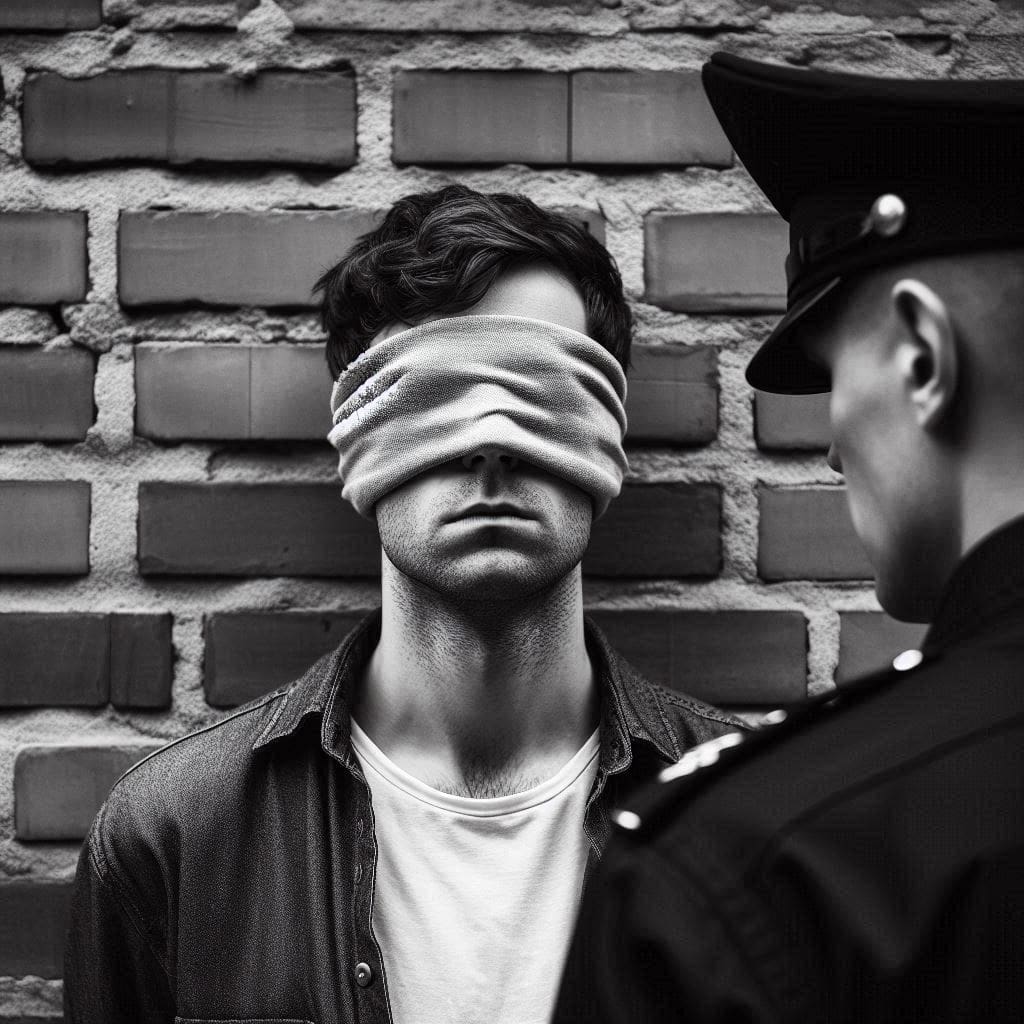
In countless cultures around the world, the concept of evil takes form in different ways. It may stem from mythical creatures, malevolent spirits, or even human behaviour. However, one specific fear has captivated the imaginations of many for centuries: Satanophobia. This intense apprehension towards Satan and all things associated with him has left an indelible mark on society, often shaping religious perspectives, cultural norms, and individual fears. In this blog post, we will delve into the roots of Satanophobia, examine its impact, and open up a conversation on how to address and overcome this deeply ingrained fear.
In various cultures and religions, the concept of Satan or the Devil has long been associated with fear, darkness, and evil forces. Many individuals grapple with the fear of Satan, often resulting from deep-rooted beliefs, cultural myths, or religious upbringing. However, it is imperative to understand that fear of Satan can be detrimental to one’s mental and emotional well-being, hindering personal growth, strength, and spiritual enlightenment.
Understanding the Origins
Satanophobia, at its core, is derived from fear of Satan, a prominent figure in various belief systems such as Christianity, Islam, and Judaism. Depicted as the personification of evil, Satan embodies malevolence, temptation, and chaos. Over millennia, Satan’s character has been adapted and magnified across religious texts, literature, movies, and art. This constant exposure has instilled a profound fear of the devil in the minds of believers and non-believers alike.
Impact on Religion and Cultural Traditions
Satanophobia has significantly influenced religious practices, manifesting in rituals, exorcisms, and prayers aimed at warding off evil. Fear-driven superstitions surrounding Satan have led to the perpetuation of strict moral codes, as people seek to avoid any actions that may be seen as aligning with the devil’s intentions. Furthermore, this fear has also given birth to various apocalyptic beliefs and conspiracy theories, causing distress among societies and fuelling extreme forms of religiosity.
Challenging Preconceptions
Satan, also referred to as the Devil, is often portrayed as a malevolent being whose sole purpose is to lead humans astray. However, when we delve deeper, we find that the fear of Satan is often based on misconceptions and exaggerated portrayals. Various religious scriptures describe Satan as a fallen angel or a symbol of temptation, rather than an all-powerful, omnipresent force. It is essential to distinguish between fear based on truth and fear based on myth.
[…] Whoever has Satan as his companion has an evil companion
Qur’an 4:38
Satanophobia in Contemporary Society
In recent times, Satanophobia has evolved with advancements in technology and the exchange of information. Movies, television shows, and music often explore themes of demonic possession and satanic rituals, creating a fertile ground for the fear to thrive. Social media platforms have enabled the spread of terrifying urban legends and challenges, driving a sense of heightened apprehension.

Addressing and Overcoming Satanophobia
To begin addressing Satanophobia, it is crucial to foster open dialogue and educate individuals about the origins and evolution of this fear. By understanding its cultural and religious context, people can separate fact from fiction and develop a more nuanced perspective. It is also important to encourage critical thinking, encouraging individuals to question and evaluate the information they encounter regarding satanic practices. Promoting inclusivity and acceptance, especially with regard to alternative belief systems, can help alleviate Satanophobia’s divisive impact.
Ultimately, overcoming Satanophobia requires a balance between respecting individual beliefs and promoting a more rational outlook. By encouraging a healthy scepticism and fostering a sense of community rather than fear, society can collectively combat the irrational dread that characterises Satanophobia.
Knowledge as a Shield
As the saying goes, knowledge is power. Educating ourselves about the origins, interpretations, and diverse cultural perspectives surrounding Satan can help dispel unwarranted fears. Engaging with religious texts, consulting knowledgeable scholars, and seeking clarifications from spiritual leaders can provide insight and a balanced view of Satan’s role.
5 Do not deprive each other except perhaps by mutual consent and for a time, so that you may devote yourselves to prayer. Then come together again so that Satan will not tempt you because of your lack of self-control.
1 Corinthians 7:5
Faith and Empowerment
One fundamental aspect of overcoming the fear of Satan lies in strengthening one’s own faith. Developing a strong belief system offers individuals a framework through which they can perceive evil forces as temporary and subordinate to a higher power. Faith bolsters the conviction that light and goodness will ultimately prevail, instilling a sense of hope and tranquillity amidst a fear-ridden world.
God knows your enemies best: God is enough to protect and to help you
Qur’an (4:45)
Recognise Positive Influences
Often, society fails to acknowledge that the majority of the world’s religious and spiritual teachings focus on love, compassion, and moral values. By centring our attention on these positive aspects, we can minimise the influence of fear and cultivate a more optimistic worldview. Recognising the potential for personal growth, enlightenment, and spiritual connection can help individuals transcend the confines of fear.
The Power of Personal Transformation
Conquering the fear of Satan does not solely rely on external factors or knowledge alone; it necessitates a personal transformation within oneself. By examining our own fears, insecurities, and weaknesses, we can confront and conquer the apprehension related to evil forces. Self-reflection, mindfulness, and affirmations can enable individuals to cultivate inner strength and resilience.
Embracing Love and Light
Rather than fixating on the fear of Satan, focus on cultivating positivity, kindness, and love in your heart. Practising forgiveness, offering help to those in need, and nurturing inner peace are powerful antidotes against fear. By embracing love and light, we empower ourselves to create a harmony that diminishes the influence of any negative energies around us.
3 Then Peter said, “Ananias, how is it that Satan has so filled your heart that you have lied to the Holy Spirit and have kept for yourself some of the money you received for the land?
Acts 5:3
Final Thoughts
The fear of Satan should not overshadow our journey towards personal growth, enlightenment, and spiritual fulfilment. By challenging preconceptions, seeking knowledge, embracing faith, and cultivating positivity, we can rise above fear and move towards a more empowered existence. Remember, it is through inner strength, love, and compassion that we are better equipped to face any adversity and live a life guided by light.
Satanophobia, born out of fear of Satan and the forces of evil, has profoundly impacted society, religious practices, and individual beliefs. Understanding its origins and recognising its influence enables us to address and ultimately overcome this fear. By promoting knowledge, critical thinking, and inclusivity, we can hope to loosen the grip of Satanophobia and foster a society that is more compassionate and rational in its approach to the concept of evil.

Share this:

You Might Also Enjoy Reading