
In recent years, research on brain imaging has uncovered fascinating insights into the complexities of the human brain. One intriguing discovery is the correlation between reduced grey matter volume and mental health disorders. Grey matter, the region responsible for processing information in the brain, has a vital role in cognitive functions, emotion regulation, and decision-making. This blog post aims to shed light on the implications of reduced grey matter volume and its connection to mental health conditions.
What is Grey Matter Volume?
Before diving into its potential implications, let’s understand what grey matter volume refers to. Grey matter is composed of nerve cell bodies, dendrites, and synapses, and is found in regions of the central nervous system, including the cerebral cortex, hippocampus, and amygdala. These areas play crucial roles in memory, sensory perception, and emotional processing, among others. Grey matter volume, therefore, relates to the amount and distribution of this critical brain tissue.
Exploring the Link to Mental Health
Research has indicated that various mental health conditions exhibit differences in grey matter volume compared to healthy individuals. These differences can play a significant role in understanding disease aetiology, symptom manifestation, and potential therapeutic interventions. Some notable correlations include:
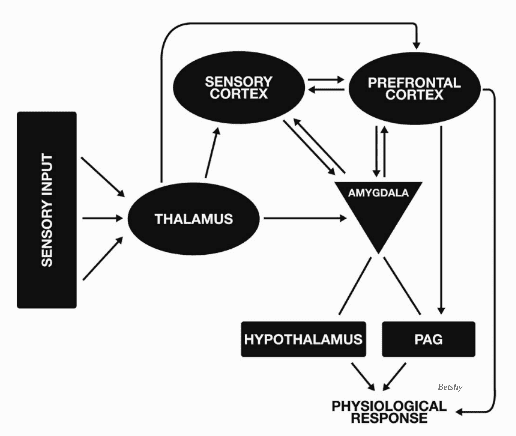
1. Depression and Anxiety Disorders: Studies have shown that individuals with depression often have reduced grey matter volume in the hippocampus and prefrontal cortex, regions responsible for emotion regulation and memory. Similarly, individuals with anxiety disorders may exhibit reduced grey matter volume in the amygdala, a brain region associated with the processing of fear and stress responses.
2. Schizophrenia: Schizophrenia is characterized by a disruption in perception and thinking. Researchers have found that individuals with schizophrenia have reduced grey matter volume in several brain regions, including the prefrontal cortex, thalamus, and hippocampus. These differences could contribute to cognitive impairments and the manifestation of psychotic symptoms.
3. Alzheimer’s Disease: In Alzheimer’s disease, progressive neurodegeneration leads to significant reductions in grey matter volume, particularly in regions associated with memory consolidation, such as the hippocampus and the temporal lobes. These structural changes parallel the cognitive decline observed in people with this devastating disease.
Understanding Implications and Therapy
While reduced grey matter volume is associated with various mental health conditions, it is crucial to remember that the brain is highly adaptable, constantly forming new connections and neuroplasticity. This understanding opens up possibilities for therapeutic interventions aimed at preserving, restoring, or compensating for reduced grey matter volume.
Cognitive training, mindfulness exercises, physical exercise, and certain medications have been shown to promote neuroplasticity and potentially counteract grey matter reductions. Psychotherapy, including cognitive-behavioural therapy, has also demonstrated positive outcomes in individuals with mental health conditions and reduced grey matter volume.
Conclusion
The correlation between reduced grey matter volume and mental health conditions provides valuable insights into the complexities of the human brain. While reduced volume is associated with various disorders, it is important to remember that the brain has an incredible capacity for change and adaptation. Continued research aimed at understanding the underlying mechanisms and developing effective interventions will undoubtedly shape the future of mental health treatment.
Bibliography
1. Schmaal, L., Veltman, D. J., van Erp, T. G., Sämann, P. G., Frodl, T., Jahanshad, N., … & Hibar, D. P. (2016). Subcortical brain alterations in major depressive disorder: findings from the ENIGMA Major Depressive Disorder working group. Molecular psychiatry, 22(6), 900-909.
2. Ellison-Wright, I., & Bullmore, E. (2009). Meta-analysis of diffusion tensor imaging studies in schizophrenia. Schizophrenia research, 108(1-3), 3-10.
3. Whitwell, J. L., Przybelski, S. A., Weigand, S. D., Knopman, D. S., Boeve, B. F., Petersen, R. C., … & Jack Jr, C. R. (2007). 3D maps from multiple MRI illustrate changing atrophy patterns as subjects progress from mild cognitive impairment to Alzheimer’s disease. Brain, 130(7), 1777-1786.
Share this:

You Might Also Enjoy Reading