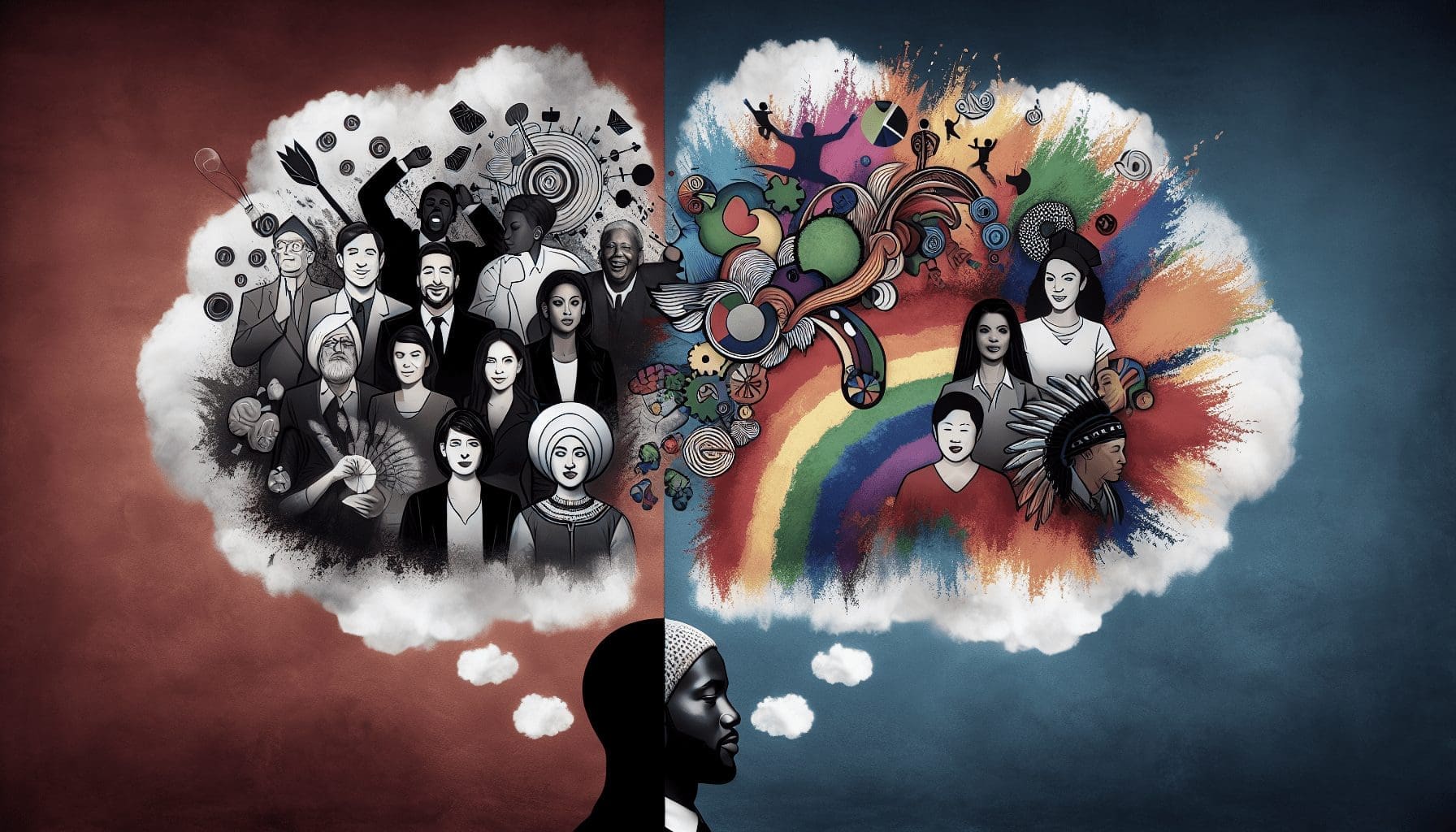


In our daily lives, we interact with countless individuals from diverse backgrounds, each with their own thoughts, emotions, and experiences. Navigating this complex network of relationships can be challenging, but by cultivating cognitive empathy, we can enhance our ability to understand and connect with others on a deeper level. In this blog post, we will explore the concept of cognitive empathy and its importance in fostering empathy and compassion.
Understanding Cognitive Empathy
Cognitive empathy, often referred to as perspective-taking, is one of the three types of empathy, alongside emotional empathy and compassionate empathy. While emotional empathy involves emotionally mirroring others’ feelings, and compassionate empathy compels us to take action to alleviate others’ suffering, cognitive empathy focuses on understanding and appreciating the perspectives, thoughts, and beliefs of others.
Why Cognitive Empathy Matters
1. Enhancing Communication: Understanding someone’s perspective allows us to communicate more effectively. By listening attentively and considering their views, we can respond in a way that acknowledges their feelings and ideas. This builds stronger connections and fosters open dialogue.
2. Strengthening Relationships: Cognitive empathy enables us to establish stronger and deeper connections with others. By truly grasping their point of view, we validate their experiences, making them feel heard and understood. This, in turn, creates a foundation of trust and strengthens relationships.
3. Resolving Conflicts: Conflict arises from differences in opinions, values, and beliefs. By actively engaging in cognitive empathy, we can approach conflicts with a better understanding of the underlying reasons for disagreement. This helps to develop empathy-based solutions and mitigates conflicts with more effective resolutions.
Cultivating Cognitive Empathy
1. Active Listening: Pay close attention to what others are saying, ensuring that our focus is on understanding rather than formulating our response. Show genuine curiosity and ask clarifying questions to gain a deeper understanding of their perspective.
2. Put Yourself in Their Shoes: Imagine yourself in their situation, considering their experiences, culture, beliefs, and emotions. This exercise allows us to step back from our own biases and see beyond our default responses.
3. Seek Diverse Perspectives: Surround yourself with people from diverse backgrounds, engage in conversations, and expose yourself to different viewpoints. Reflect on how these interactions broaden your understanding and challenge preconceived notions.
4. Practise Mindfulness: Embrace mindfulness techniques to increase present-moment awareness and improve non-judgemental observation. By being fully present, we can better understand the emotions and perspectives of others.
Conclusion
Cognitive empathy is an essential skill that, when honed, can profoundly enhance our interpersonal relationships, communication, and conflict-resolution abilities. As we strive to create a more compassionate and empathetic society, let us prioritise understanding others’ perspectives, demonstrating empathy, and fostering meaningful connections. By developing cognitive empathy, we embark on a journey of personal growth and contribute to a more inclusive and understanding world.
Share this:

You Might Also Enjoy Reading