Tag: Theology

  • Dante’s Vision of Hell: Inferno

    Dante’s Vision of Hell: Inferno

    Advertisements

    The first circle of Hell is Limbo, where unbaptised but virtuous pagans reside. The second circle is for the lustful, where they are punished by being blown around in a fierce wind. The third circle is for the gluttonous, who are forced to lie in a slushy mess of garbage and filth. Each circle of Hell is meticulously described by Dante, with grotesque and haunting imagery that serves to emphasise the severity of the sins being punished.

    One of the most iconic moments in “Inferno” is Dante’s encounter with Satan himself at the centre of Hell. Satan is depicted as a three-headed monster, each head chewing on a different sinner – Judas, Brutus, and Cassius. This image of Satan as the ultimate punisher of sinners is a powerful reminder of the consequences of one’s actions in life.

    Throughout the poem, Dante encounters various historical figures and individuals who have committed sins that have landed them in Hell. Each encounter serves as a lesson for Dante, as he learns about the consequences of sin and the importance of living a virtuous life.

    Ultimately, “Inferno” is a cautionary tale about the consequences of sin and the importance of living a moral and virtuous life. By vividly depicting the horrors of Hell, Dante creates a powerful reminder of the eternal consequences of one’s actions. The poem serves as a testament to the enduring power of literature to provoke thought and reflection on the human condition.

  • How Were Humans Created?

    How Were Humans Created?

    Advertisements

    One of the most widely known creation stories comes from the book of Genesis in the Bible. According to this creation myth, God created the first man, Adam, and the first woman, Eve, in his own image. They were placed in the Garden of Eden and given dominion over the Earth. However, after disobeying God’s command not to eat from the tree of knowledge, they were banished from the garden and forced to toil for their survival.

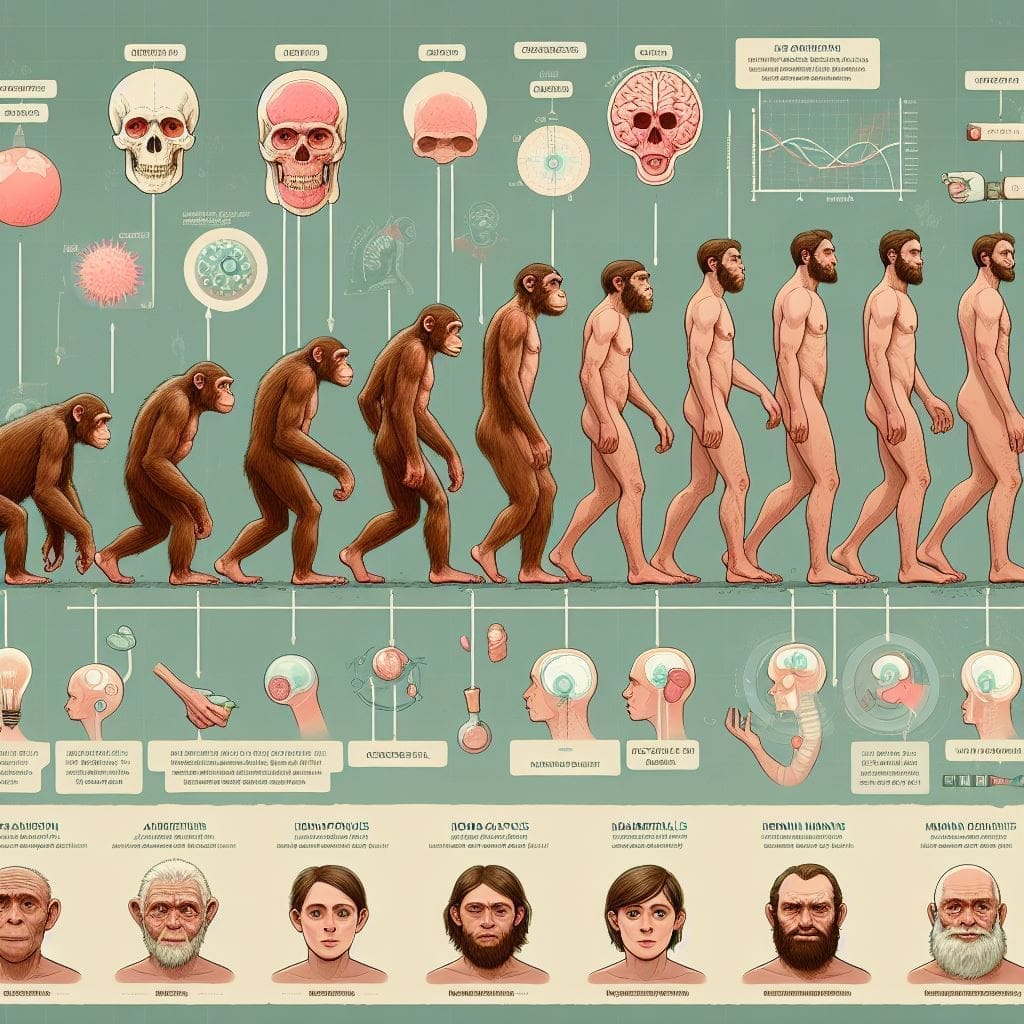
    On the other side of the spectrum, evolutionary biologists have provided a different explanation for the creation of humans. Through the process of evolution by natural selection, humans are said to have evolved from earlier primates over millions of years. This theory is supported by fossil evidence, genetic studies, and comparative anatomy, all of which point to a gradual development of human-like traits over time.

    The debate between creationism and evolution has been a contentious one, with each side passionately defending their beliefs. However, there are also those who believe in a combination of both explanations, known as theistic evolution. In this view, God is seen as the ultimate creator who used the process of evolution to bring about the diversity of life on Earth, including humans.

    Ultimately, the question of how humans were created may never have a definitive answer. It is a complex and multifaceted topic that touches on issues of faith, science, and philosophy. Regardless of one’s beliefs, it is clear that humans are a remarkable species with a history that is still being uncovered and understood. In the end, perhaps the most important thing is to continue exploring and seeking the truth about our origins, wherever that may lead us.

  • Exploring Religio-Military Concepts: The Intersection of Faith and Power

    Exploring Religio-Military Concepts: The Intersection of Faith and Power

    Advertisements

    One of the most notable examples of religio-military concepts in history is the Crusades. These series of religious wars fought between Christians and Muslims in the Middle Ages were grounded in the belief that God sanctioned the conquest of Holy Land. The Crusades not only led to significant loss of life and destruction, but also fuelled religious fervour and intolerance. The idea of fighting for one’s faith became a central tenet in the justification of war during this time.

    In Eastern cultures, religio-military concepts have also played a prominent role. In ancient Japan, for example, the samurai were not only skilled warriors but also deeply influenced by Zen Buddhism and other religious beliefs . The Bushido code, which emphasised loyalty, honour, and self-discipline, was heavily influenced by Buddhist and Confucian teachings. The combination of religious and military values shaped the way samurai conducted themselves on and off the battlefield.

    In the modern era, religio-military concepts can still be seen in various conflicts and wars around the world. For example, Islamic extremist groups such as ISIS have used religious ideology to justify acts of terrorism and violence. The idea of fighting for a higher cause, of engaging in a holy war, has become a central tenet in the recruitment and radicalisation of individuals.

    However, religio-military concepts are not always associated with violence and conflict. In many cases, religious beliefs have been used to promote peace, justice, and compassion in times of war. The idea of a just war, one fought with moral principles and ethical guidelines, has been a central concept in many religious traditions. The Quakers, for example, have long been advocates for non-violence and pacifism, rooted in their Christian beliefs.

    In conclusion, religio-military concepts have been a significant aspect of human history, shaping the way wars are fought, conflicts are resolved, and societies are governed. While the combination of religion and military power can sometimes lead to violence and intolerance, it can also be a source of moral guidance, spiritual strength, and social justice. Understanding the complexities of religio-military concepts can help us navigate the ethical dilemmas and moral challenges of our time.

  • Exploring Near-Death Experiences: Crossing the Threshold

    Exploring Near-Death Experiences: Crossing the Threshold

    Advertisements

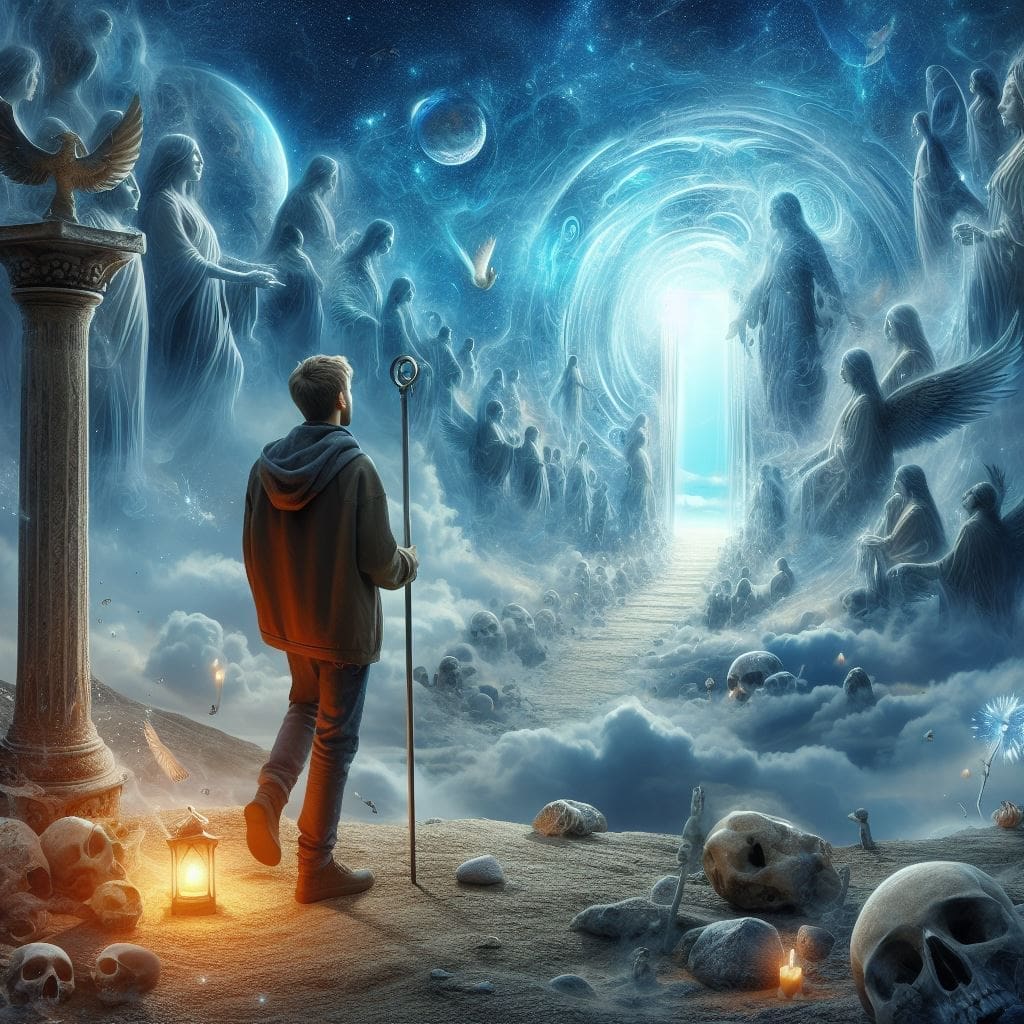
    A near-death experience (NDE) is defined as a profound psychological event that may occur when a person is close to death or even clinically dead. During these experiences, individuals often report a variety of sensations, such as feelings of peace, joy, and love, as well as encounters with deceased loved ones or spiritual beings.

    While sceptics often dismiss NDEs as mere hallucinations or tricks of the mind , many individuals who have had these experiences argue that they are real and provide a glimpse into the afterlife. In fact, some researchers believe that NDEs may offer valuable insights into the nature of consciousness, the soul, and life after death.

    One of the most common elements of NDEs is the sensation of leaving one’s body and observing the surrounding environment from a distance. Many individuals report feeling weightless and free, as if they are floating above their physical body. Some even claim to have travelled through a tunnel towards a bright light, which they interpret as a gateway to the afterlife.

    Others describe meeting deceased loved ones or encountering beings of light who radiate love and compassion. These encounters can be incredibly powerful and can have a lasting impact on the individual’s beliefs and attitudes towards life and death.

    While the exact cause of NDEs is still unknown, some researchers believe that they may be the result of a combination of biological, psychological, and spiritual factors. For example, some scientists suggest that NDEs may be triggered by the release of endorphins or other chemicals in the brain during times of extreme stress or trauma.

    Whatever the cause, one thing is certain – near-death experiences are a remarkable and complex phenomenon that continue to intrigue and challenge our understanding of consciousness and the afterlife. Whether you believe in NDEs or not, there is no denying the profound impact they can have on those who have experienced them.

  • The Dark Side of the Mind: Exploring the Psychology of Satanism

    The Dark Side of the Mind: Exploring the Psychology of Satanism

    Advertisements

    At its core, Satanism is a belief system that values individualism, self-empowerment, and personal freedom. Unlike the traditional view of Satanism as devil worship, modern Satanism is more about embracing one’s own desires and rejecting societal norms and restrictions. This can be seen as a form of rebellion against authority and a way to assert one’s independence.

    One of the key principles of Satanism is the idea of self-actualisation, or becoming the best version of oneself. This can be a powerful motivator for individuals who feel constrained by societal expectations or who have struggled to find their place in the world. By embracing Satanism, they can tap into their own personal power and create their own path in life.

    Another aspect of Satanism is the belief in moral relativism, or the idea that morality is subjective and can vary from person to person. This can be liberating for individuals who have felt judged or restricted by societal norms and rules. By embracing Satanism, they can reject the idea of a universal moral code and instead create their own set of values and beliefs.

    Satanism can also provide a sense of community and belonging for individuals who feel marginalised or misunderstood by mainstream society. By connecting with like-minded individuals who share their beliefs, they can find acceptance and support in a world that often rejects them.

    Overall, the psychology of Satanism is complex and multifaceted. It can be a way for individuals to assert their independence, embrace their desires, and reject societal norms. It can provide a sense of empowerment and self-actualisation, as well as a sense of belonging and community. While Satanism may be controversial and misunderstood, it can serve as a powerful tool for personal growth and self-discovery for those who are drawn to its principles.

  • The Vedas Book and the Flow of Mind Energy

    The Vedas Book and the Flow of Mind Energy

    Advertisements

    The Vedas, which are divided into four main texts – Rigveda, Samaveda, Yajurveda, and Atharvaveda – contain hymns, prayers, rituals, and philosophical teachings that have been passed down through generations. These texts are considered to be timeless and transcendent, with the power to transform our consciousness and awaken our inner energy.

    One of the key teachings of the Vedas is the concept of prana, or life force energy, which flows through the body and sustains us. This energy is believed to be connected to the breath and can be harnessed through practices such as yoga, meditation, and breathwork. By attuning ourselves to the flow of prana, we can cultivate greater awareness, vitality, and clarity of mind.

    The Vedas also speak to the importance of maintaining a balance of energy within the body, known as prakriti. When this energy is in harmony, we experience greater health, happiness, and spiritual fulfilment. However, when prakriti becomes imbalanced, it can lead to physical and mental ailments. The Vedas offer guidance on how to restore balance through practices such as diet, meditation, and ritualistic offerings.

    By studying the Vedas and applying their teachings to our lives, we can tap into the profound wisdom and energy contained within these sacred texts. Through practices that align us with the flow of mind energy, we can experience greater peace, joy, and connection to our inner selves.

    In a world filled with distractions and stress, the wisdom of the Vedas offers a time-tested guide for navigating the complexities of life and finding inner peace. By tuning into the flow of mind energy, we can unlock our full potential and live more fully in alignment with our true purpose.

  • The Cycle of Rebirth: Exploring Metempsychosis

    The Cycle of Rebirth: Exploring Metempsychosis

    Advertisements

    The idea of metempsychosis has roots in ancient Greek philosophy, particularly in the teachings of Pythagoras and Plato. Pythagoras believed that the soul goes through a cycle of reincarnation, moving from one body to another until it reaches a state of purity and enlightenment. Plato also discussed the concept of metempsychosis in his dialogues, suggesting that the soul is constantly on a journey of self-improvement and enlightenment through multiple lifetimes.

    Metempsychosis has also been an important concept in Hinduism and Buddhism. In Hinduism, the belief in reincarnation and karma go hand in hand with metempsychosis, as the soul goes through a series of births and rebirths based on its actions in past lives. Similarly, in Buddhism, the cycle of samsara involves the constant cycle of birth, death, and rebirth until one reaches enlightenment and breaks free from the cycle .

    The concept of metempsychosis raises questions about the nature of the soul, the purpose of life, and the idea of personal identity. It invites us to consider the possibility of multiple lifetimes and the idea that we may have lived before and will live again.

    While metempsychosis may seem like a far-fetched or mystical idea to some, it’s a concept that has fascinated philosophers, theologians, and thinkers for centuries. It offers a new perspective on the nature of existence and invites us to ponder the mysteries of life and death.

    Whether you believe in metempsychosis or not, it’s a thought-provoking concept that invites us to consider the eternal nature of the soul and the possibility of multiple lifetimes. It’s a reminder that our existence may be more complex and interconnected than we can possibly imagine.