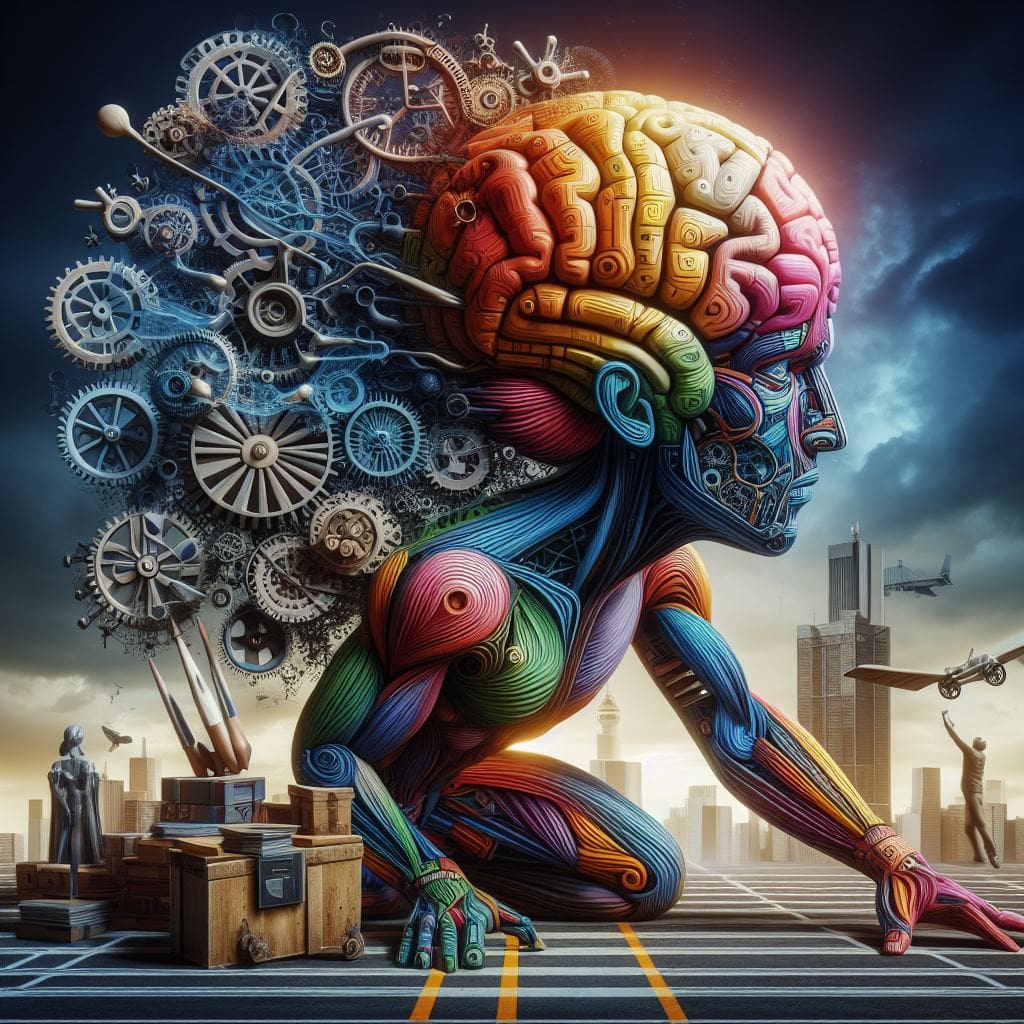

Since the earliest days of civilisation, humans have been grappling with the question of their own existence and origins. Countless creation myths and scientific theories have been proposed to explain how humans came to be. From religious beliefs to evolutionary biology, there are a multitude of ways that humans have attempted to answer the age-old question: how were humans created?
One of the most widely known creation stories comes from the book of Genesis in the Bible. According to this creation myth, God created the first man, Adam, and the first woman, Eve, in his own image. They were placed in the Garden of Eden and given dominion over the Earth. However, after disobeying God’s command not to eat from the tree of knowledge, they were banished from the garden and forced to toil for their survival.
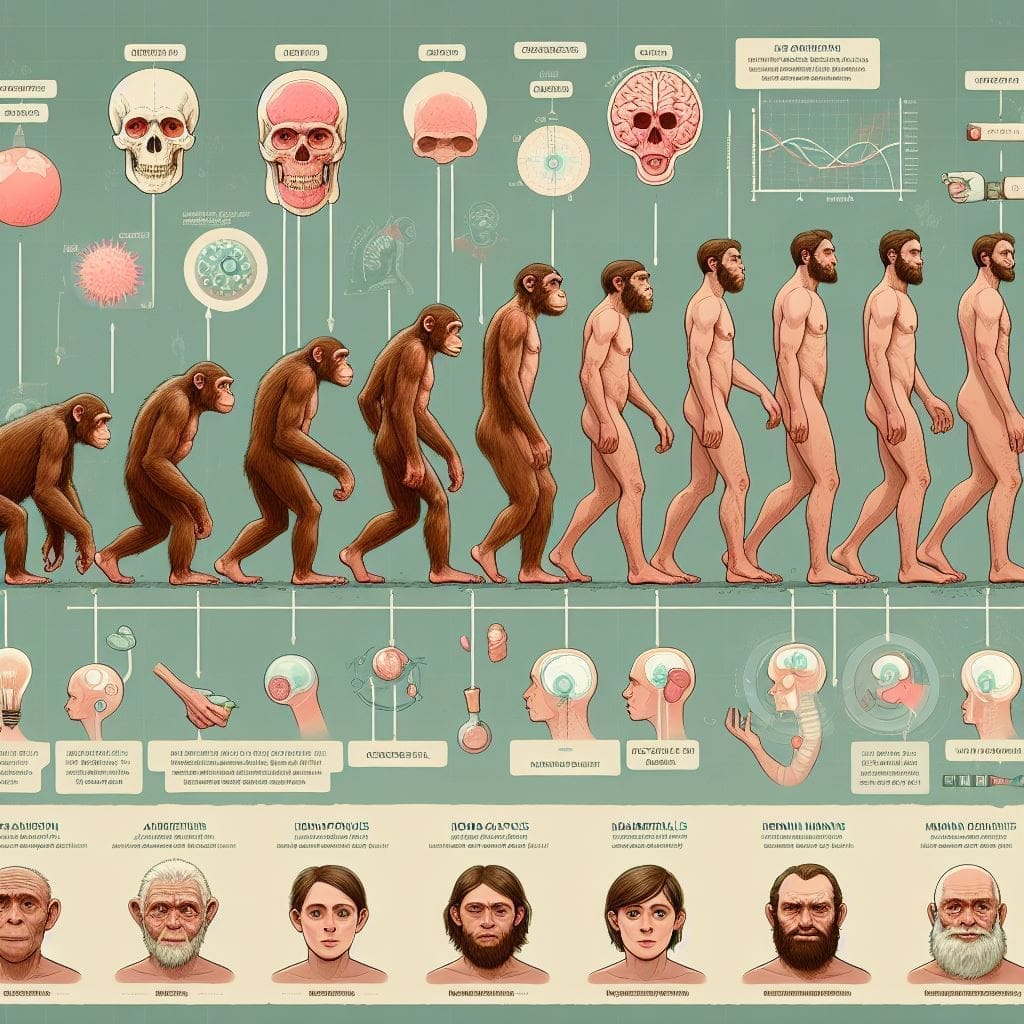
On the other side of the spectrum, evolutionary biologists have provided a different explanation for the creation of humans. Through the process of evolution by natural selection, humans are said to have evolved from earlier primates over millions of years. This theory is supported by fossil evidence, genetic studies, and comparative anatomy, all of which point to a gradual development of human-like traits over time.
The debate between creationism and evolution has been a contentious one, with each side passionately defending their beliefs. However, there are also those who believe in a combination of both explanations, known as theistic evolution. In this view, God is seen as the ultimate creator who used the process of evolution to bring about the diversity of life on Earth, including humans.
Ultimately, the question of how humans were created may never have a definitive answer. It is a complex and multifaceted topic that touches on issues of faith, science, and philosophy. Regardless of one’s beliefs, it is clear that humans are a remarkable species with a history that is still being uncovered and understood. In the end, perhaps the most important thing is to continue exploring and seeking the truth about our origins, wherever that may lead us.
Share this:

You Might Also Enjoy Reading