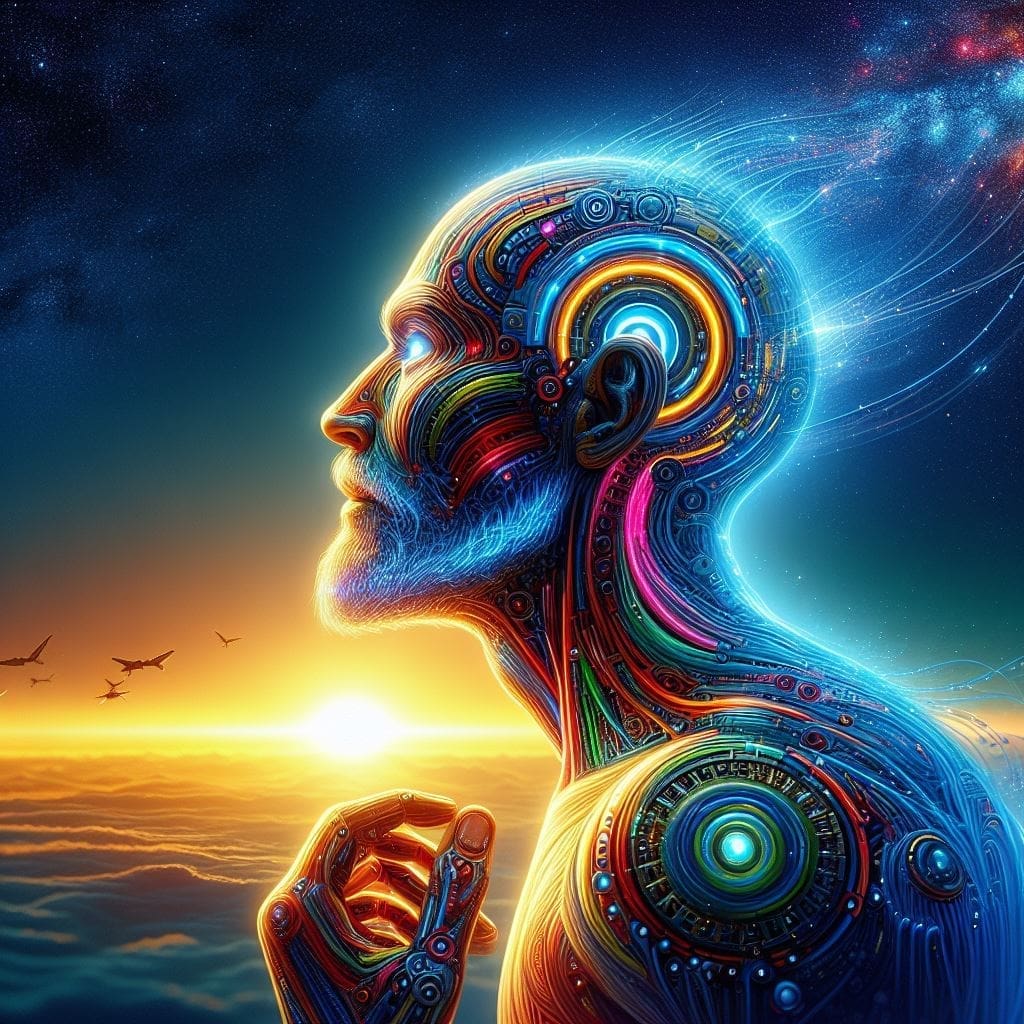

The Transhumanist Movement is a rapidly growing intellectual and cultural movement that advocates for the use of technology to enhance human capabilities and transcend the limitations of our biology. This movement seeks to push the boundaries of what it means to be human, through advancements in fields such as genetic engineering, artificial intelligence, and nanotechnology.
At the core of the Transhumanist Movement is the belief that technology can be used to augment human intelligence, extend human lifespan, and eradicate disease and disability. Proponents of transhumanism envision a future where humans can enhance their physical, cognitive, and emotional capacities beyond what is currently possible. This could include abilities such as increased strength, heightened senses, and improved memory and reasoning skills.
One of the key principles of transhumanism is the concept of radical life extension, which envisions the possibility of indefinitely extending the human lifespan through technological means. Advocates argue that preventing ageing and disease could lead to a world where humans can live longer, healthier lives, and potentially even achieve immortality.
However, the Transhumanist Movement is not without its critics. Some argue that pursuing enhancements of our physical and mental capabilities could create a divide between those who can afford such enhancements and those who cannot, leading to social inequality and discrimination. Additionally, the ethical implications of manipulating human biology and creating artificial intelligence raise concerns about the potential risks and consequences of these advancements.
Despite these criticisms, the Transhumanist Movement continues to gain momentum and influence in the fields of science, technology, and philosophy. Proponents of transhumanism argue that the potential benefits of using technology to enhance human abilities far outweigh the potential risks, and that embracing these advancements could lead to a brighter and more prosperous future for humanity.
As we continue to grapple with the ethical and philosophical implications of the Transhumanist Movement, it is clear that this movement has the potential to revolutionise the way we think about what it means to be human. By pushing the boundaries of our biology and embracing the possibilities of technology, transhumanists believe that we can unlock the full potential of human existence and usher in a new era of progress and innovation.
Share this:

You Might Also Enjoy Reading