Tag: Theology

  • Psychological Profile of Scientology Founder L. Ron Hubbard

    Psychological Profile of Scientology Founder L. Ron Hubbard

    Advertisements

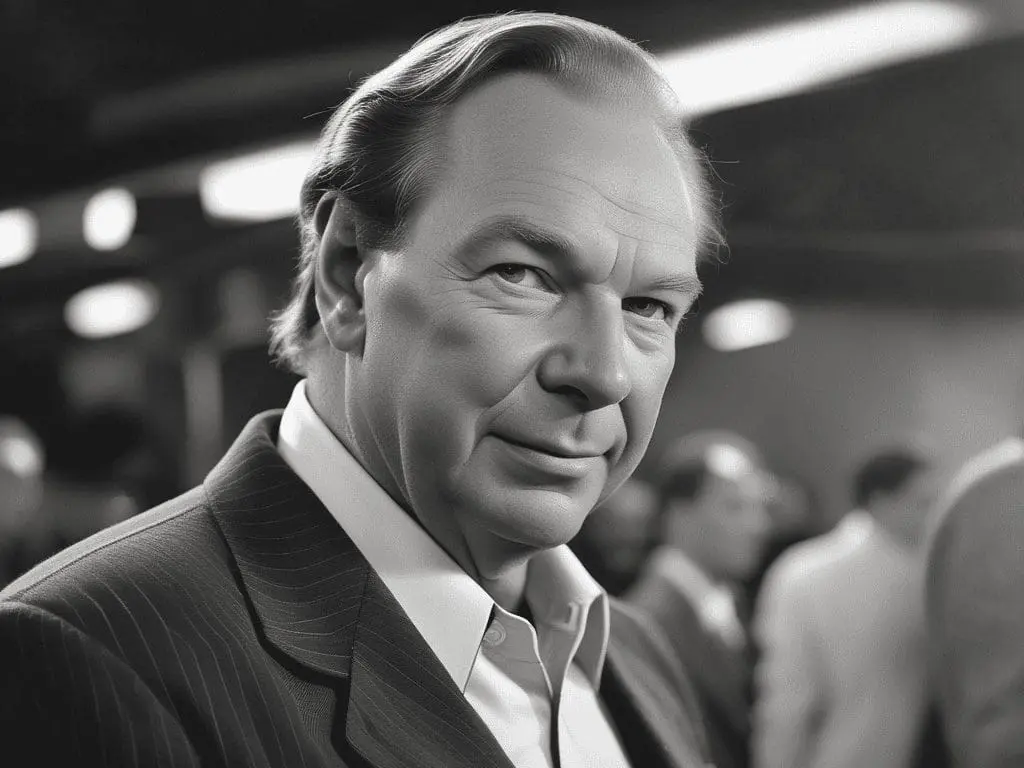
    One of the key aspects of Hubbard’s character was his charisma and ability to captivate others with his ideas and teachings. He was a charismatic leader who attracted a dedicated following of followers who believed in his vision of spiritual enlightenment and personal growth. Hubbard was known for his commanding presence and charismatic personality, which helped him build a worldwide organisation that continues to thrive to this day.

    However, Hubbard’s psychological profile also revealed a darker side to his character. He was known to be manipulative and controlling, using his influence to maintain a tight grip on his followers and those close to him. Hubbard was also known to have a volatile temper and was quick to anger when things did not go his way. This combination of charm and manipulation made him a formidable leader who was able to maintain control over his followers and keep them loyal to him and his teachings.

    In addition to his charismatic persona, Hubbard also exhibited signs of narcissism and megalomania. He believed himself to be a unique and special individual with a unique insight into the human psyche and spiritual realm. This belief in his own superiority led him to create a doctrine that placed him at the centre of the Scientology movement, with followers believing that he was the sole source of spiritual wisdom and guidance.

    Hubbard’s psychological profile also revealed a deep-seated need for validation and approval from others. He craved recognition and adoration from his followers and sought to build an empire that would cement his legacy and ensure his place in history. This drive for validation led Hubbard to push his followers to their limits and demand unwavering loyalty and devotion to his cause.

    Overall, L. Ron Hubbard’s psychological profile is a complex and multifaceted one that sheds light on the motivations and behaviours of a man who remains a divisive figure in the world of religion and spirituality. While his charisma and charm drew many followers to him, his manipulative and controlling nature also alienated others and raised questions about his true intentions and motives. Understanding Hubbard’s psychological profile can help shed light on the enigmatic figure behind Scientology and the lasting impact of his teachings on the world today.

  • Unveiling the Mysteries of English Witchcraft: From the Past to Modern Practitioners

    Unveiling the Mysteries of English Witchcraft: From the Past to Modern Practitioners

    Advertisements

    One of the most well-known aspects of English brujeria is the practice of witchcraft. During the witch hunts of the 16th and 17th centuries, many individuals , primarily women, were accused of practising witchcraft and were often persecuted and executed as a result. However, despite these dark times, the tradition of witchcraft in England has persisted and continues to thrive in modern times.

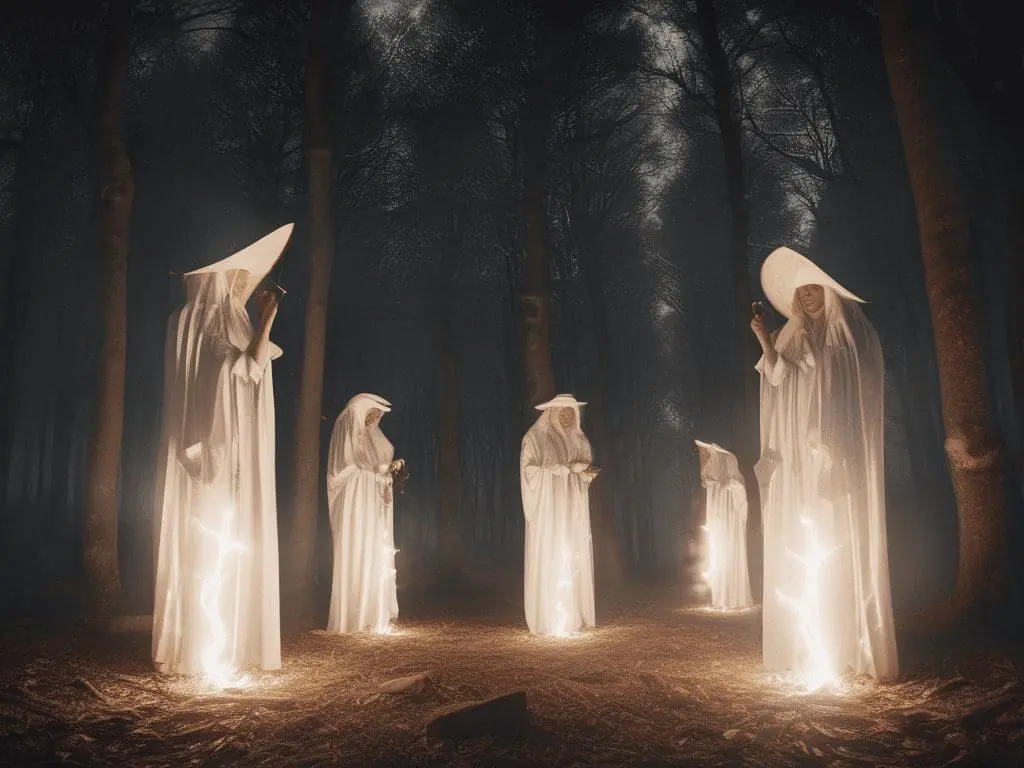
    In England, there are numerous covens and Wiccan groups that practise various forms of witchcraft and brujeria. These groups often come together to celebrate the cycles of the moon and the changing of the seasons through rituals and ceremonies. Many of these practices are rooted in the ancient traditions of pre-Christian England, when witchcraft was seen as a way to connect with nature and the elements.

    One of the most famous examples of English brujeria is the legend of Merlin, the wizard who aided King Arthur in his quest for the Holy Grail. Merlin is said to have possessed great powers of magic and was able to see into the future. His story has inspired countless tales and has become a symbol of English witchcraft.

    In more recent times, there has been a resurgence of interest in brujeria in England, with many individuals turning to witchcraft as a way to connect with their spirituality and the natural world. Books on witchcraft and spells have become increasingly popular, and there are now many shops and websites dedicated to selling tools and supplies for practising witchcraft.

    Despite its dark past, brujeria in England continues to be a vibrant and thriving tradition that connects individuals to nature and the mysteries of the universe. Whether you are a seasoned practitioner or simply curious about the world of witchcraft, England offers a rich history and tradition that is sure to captivate and inspire. So why not delve into the world of English brujeria and discover the magic that lies within?

  • The Great Architect of the Universe: Finding Comfort and Purpose

    The Great Architect of the Universe: Finding Comfort and Purpose

    Advertisements

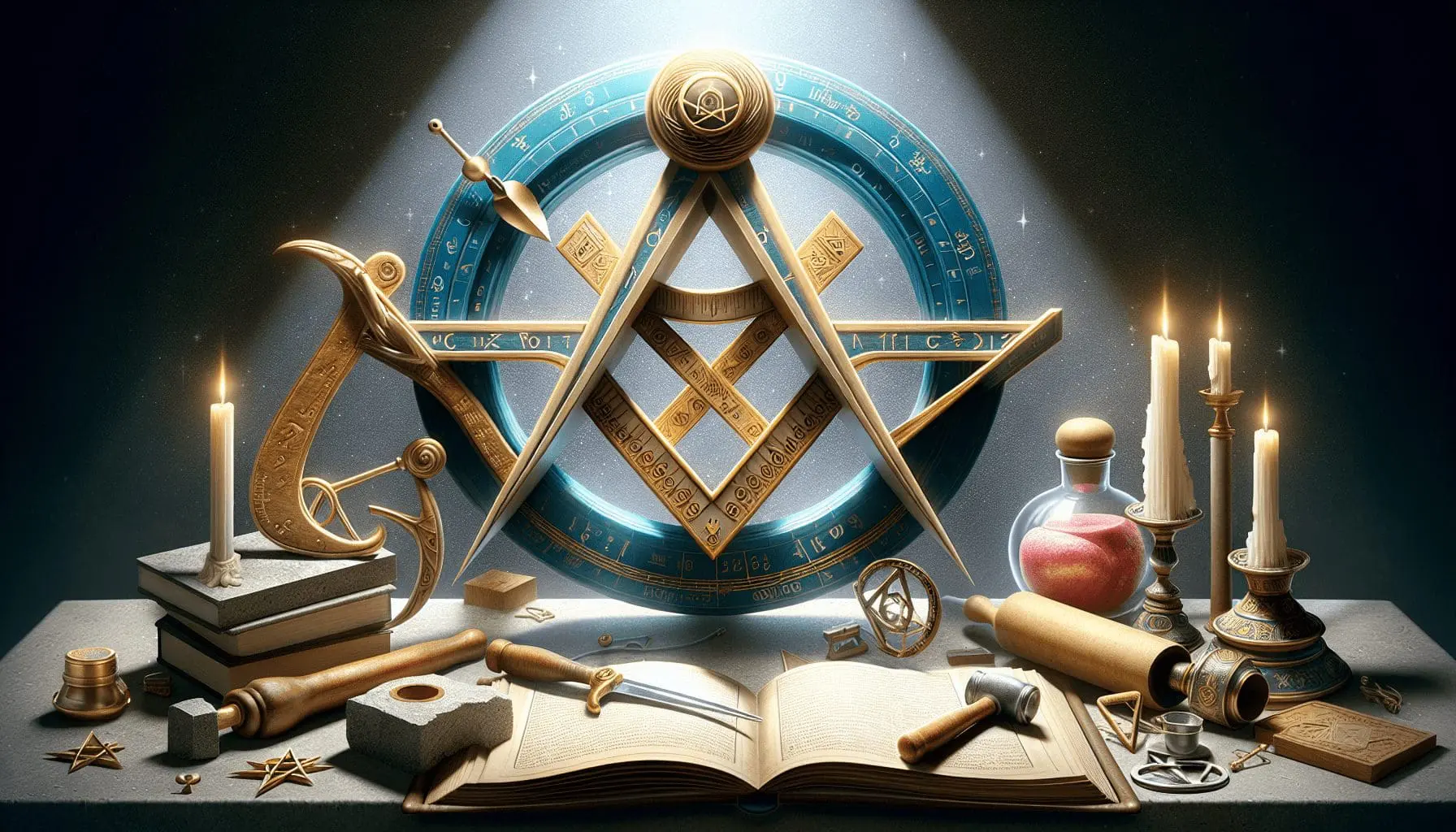
    In Freemasonry, the Great Architect of the Universe is often used as a term to refer to God, the creator of all things. The belief is that just as a skilled architect carefully plans and designs a building before constructing it, so too did the Great Architect of the Universe carefully plan and design our world and our existence.

    The concept of the Great Architect of the Universe can also be found in other religions and spiritual traditions. In Christianity, God is often seen as the ultimate creator and architect of the universe. In Hinduism , the deity Brahma is often referred to as the creator and architect of the world. In Taoism, the concept of the Tao as the underlying principle of the universe can be seen as a form of the Great Architect of the Universe.

    Regardless of the specific religious or spiritual tradition, the concept of the Great Architect of the Universe serves as a reminder of the beauty and complexity of the world around us. It encourages us to contemplate the mysteries of the universe and to recognise the presence of something greater than ourselves.

    Whether you believe in a specific deity or a more abstract concept of a higher power, the idea of the Great Architect of the Universe can be a source of inspiration and wonder. It reminds us that there is order and purpose in the world, and that there is a grand design to our existence.

    As we navigate the ups and downs of life, it can be comforting to believe that there is a higher power looking out for us, guiding us along our journey. The concept of the Great Architect of the Universe can provide a sense of comfort and reassurance in the face of uncertainty and challenges.

    In conclusion, the Great Architect of the Universe is a powerful and thought-provoking concept that has been a part of human belief systems for centuries. Whether you believe in a specific deity or a more abstract higher power, the idea of a divine creator can bring a sense of awe and wonder to our understanding of the universe. Take a moment to reflect on the mysteries of existence and contemplate the idea of the Great Architect of the Universe, and let it inspire you to see the beauty and complexity of the world around you.

  • Allan Kardec: Key Theories

    Allan Kardec: Key Theories

    Advertisements

    One of the key theories proposed by Allan Kardec is the idea of reincarnation. According to Kardec, the soul is eternal and goes through a cycle of multiple lives in different bodies in order to learn and grow spiritually . This belief in reincarnation is central to the Spiritist belief system and is a key aspect of understanding the purpose of life and the process of evolution of the soul.

    Another central theory put forth by Kardec is the idea of the spirit world and the existence of spirits who have passed on to the afterlife. Kardec believed that communication with these spirits is possible through mediums who have the ability to connect with the spiritual realm. This belief in communication with spirits has led to the development of practices such as mediumship and séances in the Spiritist community.

    Kardec also emphasised the importance of moral and ethical development in spiritual growth. He believed that humans have a responsibility to cultivate virtues such as love, compassion, and humility in order to progress on the spiritual path. Kardec’s teachings emphasise the importance of living a life of service to others and following a code of conduct that aligns with spiritual values.

    Overall, Allan Kardec’s key theories have had a lasting impact on the spiritual community and continue to influence spiritual seekers around the world. His emphasis on reincarnation, communication with spirits, and ethical development have inspired countless individuals to explore the deeper dimensions of life and the mysteries of the afterlife. Allan Kardec’s teachings remind us of the potential for personal growth and spiritual evolution that exists within each of us, and encourage us to strive towards a higher state of consciousness and understanding.

  • The Psychology of Numerology

    The Psychology of Numerology

    Advertisements

    The psychology behind numerology is rooted in the idea that numbers affect our subconscious mind on a deep level. Just like how we are influenced by the colours we see or the music we hear, numbers also have the power to shape our thoughts, emotions, and behaviours.

    One of the key principles of numerology is the idea that each number has a specific vibration and energy associated with it. For example, the number 1 is often associated with leadership, independence, and new beginnings, while the number 7 is linked to spirituality, introspection, and intuition. By understanding the energies of these numbers and how they interact with each other, we can gain a deeper understanding of ourselves and the world around us.

    Another important concept in numerology is the idea of cycles and patterns. Just as we can observe recurring themes in our dreams or relationships, numerology suggests that certain numbers may appear in our lives at specific times to bring us important messages or lessons. By recognising these patterns, we can navigate our life path with greater clarity and purpose.

    Numerology can also offer valuable insights into our relationships with others. By comparing and contrasting our numbers with those of our family, friends, or romantic partners, we can gain a better understanding of our compatibility and potential conflicts. This can help us build stronger, more harmonious relationships based on mutual understanding and respect.

    Overall, the psychology of numerology offers a unique and intriguing perspective on the power of numbers in shaping our lives. By exploring the meanings and symbolism behind the numbers that appear in our lives, we can gain valuable insights into our personalities, relationships, and life path. Whether you are a sceptic or a believer, numerology can be a powerful tool for self-discovery and personal growth.

  • The Interrelationship Between Masonry and Rosicrucianism

    The Interrelationship Between Masonry and Rosicrucianism

    Advertisements

    One of the key connections between Masonry and Rosicrucianism is their shared focus on spiritual enlightenment and self-improvement. Both traditions emphasise the importance of inner transformation and the pursuit of higher knowledge and wisdom. Masonic rituals, which often involve symbolic initiations and ceremonies, are designed to guide members on a journey of self-discovery and spiritual growth. Similarly, Rosicrucian teachings encourage seekers to strive for spiritual evolution through meditation, contemplation, and alchemical processes.

    Another commonality between Masonry and Rosicrucianism is their emphasis on secrecy and confidentiality. Both traditions have long been shrouded in mystery and mystique, with certain teachings and practices reserved for initiates only. This air of secrecy serves to create a sense of exclusivity and reverence for the knowledge passed down through the generations.

    Despite their similarities, Masonry and Rosicrucianism are distinct in their origins and philosophical underpinnings. Masonry is believed to have originated from the medieval guilds of stonemasons, who used symbolic tools and ceremonies to impart moral lessons to their members. On the other hand, Rosicrucianism traces its roots to a series of anonymous manifestos published in Europe in the early 17th century, which espoused a blend of alchemy, astrology, and Christian mysticism.

    Despite their differences, Masonry and Rosicrucianism have long coexisted and influenced each other. Many prominent figures in both traditions, such as Sir Francis Bacon and Manly P. Hall, have explored the connections between Masonry and Rosicrucianism in their writings and teachings. Today, many Masonic lodges and Rosicrucian orders continue to uphold the shared principles of spiritual enlightenment, self-improvement, and esoteric knowledge.

    In conclusion, the interrelationship between Masonry and Rosicrucianism is a fascinating and complex one that has endured for centuries. Both traditions offer seekers a path to higher knowledge and spiritual enlightenment, drawing on ancient wisdom and symbolism to guide their members on a journey of self-discovery. By exploring the connections between Masonry and Rosicrucianism, we can gain a deeper understanding of the rich tapestry of esoteric teachings that have shaped Western spirituality for centuries.

  • Compelling Reasons to Believe God Exists: Design, Morality, and Comfort

    Compelling Reasons to Believe God Exists: Design, Morality, and Comfort

    Advertisements

    One of the most common arguments for the existence of God is the design argument. This argument suggests that the complexity and order of the universe, as well as the intricate details of living organisms, point towards an intelligent designer. The idea that the universe simply came into being by random chance seems implausible when considering the intricacy and precision of the natural world.

    Another argument for the existence of God is the moral argument. Humans possess a sense of morality and conscience, which guide our actions and decisions. This moral compass suggests that there is a higher source of goodness and justice that governs our behaviour. Without a divine being to set the standard for what is right and wrong, morality becomes subjective and arbitrary.

    Additionally, the concept of God provides comfort and hope to many people in times of difficulty and suffering. Believers find solace in the idea that there is a higher power watching over them and guiding them through life’s challenges. The belief in God can also offer a sense of purpose and meaning to our existence, as it provides a framework for understanding our place in the world.

    While the existence of God cannot be proven through empirical evidence, the belief in a higher power offers solace, guidance, and purpose to believers. Whether through the design of the universe, the existence of morality, or the comfort and hope provided in times of struggle, there are compelling reasons to believe that God does indeed exist. Ultimately, the existence of God is a deeply personal and individual belief. Whether or not one chooses to believe in a higher power is a decision that each person must make for themselves. But for many, the belief in God provides a sense of comfort, purpose, and hope in an uncertain and often challenging world.