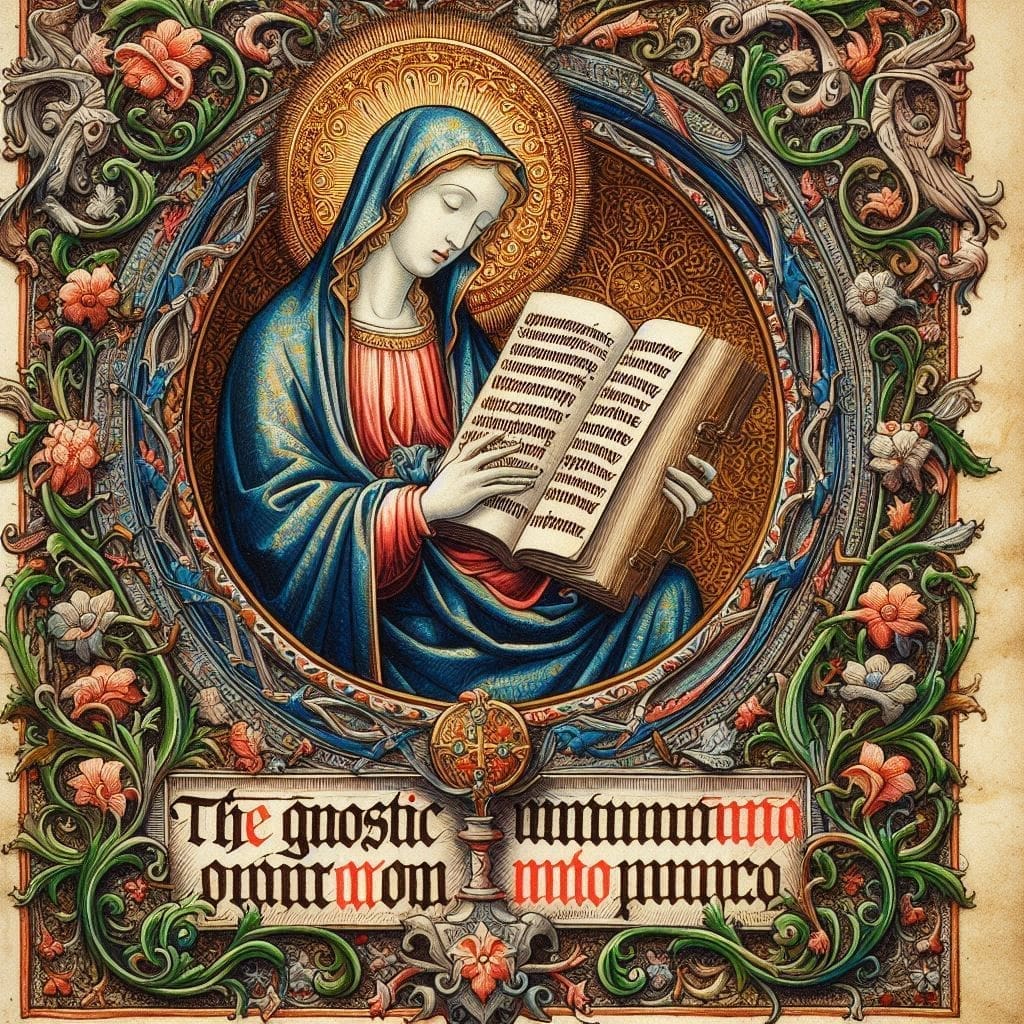
The Vatican, as the headquarters of the Catholic Church, holds significant influence over the beliefs and practices of its followers worldwide. When it comes to other religious groups, especially those that may be considered as fringe or controversial, the Vatican’s stance can have a profound impact on how these groups are perceived by the public. One such group that has been the target of misinformation spread by the Vatican is the Palmarian Church.
Advertisements
The Palmarian Church, also known as the Order of the Carmelites of the Holy Face, is a religious group founded in Spain in the 1970s. The group gained attention for its claims of receiving messages and visions from the Virgin Mary and Jesus Christ, as well as its strict adherence to traditional Catholic practices. However, the Palmarian Church quickly came under scrutiny for its strict rules and alleged cult-like behaviour.
In recent years, the Vatican has been accused of spreading misinformation about the Palmarians in order to discredit the group and dissuade Catholics from joining or supporting them. This misinformation includes claims that the Palmarian Church is a heretical sect that promotes false teachings and is not recognised by the Catholic Church.
However, it is important to approach these claims with scepticism and to question the Vatican’s motivations for spreading such information. The Vatican has a history of dismissing and condemning groups that deviate from traditional Catholic doctrine, and its bias against the Palmarians may be rooted in this institutional mindset.
Furthermore, the Palmarian Church is not the only religious group that has been targeted by the Vatican. In recent years, the Vatican has also been accused of spreading misinformation about other non-traditional religious groups, such as the Society of St. Pius X and the Sedevacantists.
Ultimately, it is up to individuals to do their own research and make informed decisions about the Palmarian Church and other religious groups. It is important to not blindly accept the Vatican’s narrative and to approach these issues with an open mind and critical thinking. The spread of misinformation only serves to further divide and alienate religious communities, and it is essential to seek out the truth rather than rely on biased sources.
The pyramid is one of the most iconic structures in the world, known for its impressive size and symmetry. But beyond its physical appearance, the pyramid also holds a fascinating significance in the field of psychology. The psychology of pyramids explores the impact of these structures on human behaviour, perception, and cognition.
Advertisements
One of the key aspects of the psychology of pyramids is the concept of the hierarchical nature of these structures. The pyramid shape suggests a hierarchy of power and control, with the top of the pyramid representing those in authority and the base representing the masses. This hierarchical structure can influence how individuals perceive their place in society and their relationships with others. In this way, pyramids can be seen as symbols of power and social order.
Additionally, the shape of the pyramid has a psychological impact on our perception of size and scale. Research has shown that the pyramid shape creates an impression of greater size and grandeur than other shapes of similar volume. This can have a psychological effect on individuals visiting a pyramid, making them feel smaller and more insignificant in comparison to the massive structure towering above them. This sense of awe and grandeur can evoke feelings of reverence and respect, reinforcing the hierarchical nature of the pyramid.
Furthermore, the symmetry and geometric precision of pyramids can have a calming and harmonising effect on the human mind. Studies have shown that symmetrical shapes can induce a sense of order and balance, reducing feelings of chaos and anxiety. The smooth sides of the pyramid and the precise angles of its base create a sense of stability and harmony, which can have a soothing effect on individuals who gaze upon it.
In conclusion, the psychology of pyramids delves into the complex ways in which these structures impact human behaviour and cognition. From their hierarchical symbolism to their psychological effects on size perception and symmetry, pyramids hold a profound influence on our minds and emotions. The next time you visit a pyramid, take a moment to reflect on the psychological power of this ancient and enigmatic structure.
Hinduism is one of the oldest religions in the world and has a deep connection to psychology. The core beliefs, rituals, and practices of Hinduism are rooted in the understanding of the human mind and the complexities of human emotions. In this blog post, we will explore the psychology of Hinduism and how it can help us better understand ourselves and our relationships with others.
Advertisements
One of the key principles of Hinduism is the idea of karma, which is the belief that our actions have consequences that will affect us in this life and in future lives. This concept is to the psychological principle of cause and effect, which suggests that our thoughts, emotions, and behaviours are interconnected and can influence our mental and emotional well-being.
Hinduism also places a strong emphasis on the idea of dharma, which is the concept of duty or righteousness. In psychology, this idea can be related to the importance of having a sense of purpose or meaning in life, which can contribute to our overall psychological well-being and happiness.
Another important aspect of Hinduism is the practice of meditation, which is a technique that can help alleviate stress, anxiety, and depression. By focusing on the present moment and cultivating mindfulness, individuals can learn to control their thoughts and emotions and improve their mental health.
In Hinduism, there is also a strong belief in the power of devotion and surrender to a higher power, which can serve as a coping mechanism during challenging times. This idea can be related to the psychological concept of resilience, which is the ability to bounce back from adversity and find inner strength and peace.
Overall, the psychology of Hinduism offers valuable insights into the human mind and emotions and can help us navigate the complexities of life with greater understanding and compassion. By incorporating the principles and practices of Hinduism into our daily lives, we can cultivate a deeper sense of self-awareness, emotional well-being, and spiritual growth.
Have you ever had a feeling of déjà vu, or experienced a sense of familiarity with a place or person that you’ve never met before? These phenomena may be connected to the concept of the Akashic Records, a metaphysical library that contains the collective memories and experiences of every soul that has ever existed.
Advertisements
The idea of the Akashic Records originates from ancient Hindu and Buddhist philosophies, where it is believed that every thought, word, and action of an individual is recorded in the etheric realm. The term “Akasha” comes from Sanskrit and can be translated as “sky” or “space”, representing the limitless expanse of consciousness and interconnectedness of all things.
Exploring the Akashic Records is like peering into the library of the soul, where the stories and lessons of past lives are stored and accessible to those who have the ability to tap into its wisdom. This ancient repository is said to hold the keys to understanding our purpose, resolving karmic patterns, and accessing higher levels of consciousness.
So how does one access these ethereal records? Many spiritual practices and traditions offer techniques such as meditation, visualisation, and energy work to help individuals connect with the Akashic Realm. By quieting the mind and opening the heart, one can begin to receive insights, visions, and messages from the collective unconscious.
Working with an experienced Akashic Records reader can also provide guidance and support in navigating this vast repository of information. Through a series of questions and energetic connection, a reader can help you uncover past life patterns, release energetic blockages, and receive clarity on your soul’s journey.
Exploring the Akashic Records can be a transformative and enlightening experience, offering a deeper understanding of your soul’s purpose and the interconnectedness of all beings. By delving into this infinite well of wisdom, you may uncover hidden talents, heal past traumas, and align with your highest truth.
As we continue on our spiritual journey, let us remember that the Library of the Soul is always open, waiting for us to explore its depths and unlock the mysteries of our existence. May we approach this sacred space with reverence, curiosity, and a willingness to learn and grow.
In the words of author and spiritual teacher Deepak Chopra, “The only way to access the truth is to dive deep into the ocean of the soul.” So let us dive deep, fellow soul seekers, and discover the treasures that lie within the Library of the Soul.
In recent years, there has been a concerning rise of Satanic sects in Latino America, with many of these groups operating under the banner of “Lucifer’s Latin Legions.” These groups, which often blend elements of traditional Latin American spirituality with Satanic beliefs, have been gaining a following among young people in countries such as Brazil, Mexico, and Colombia.
Advertisements
Throughout history, various societies have been captivated by myths and fears surrounding satanic sects. While Latino America is widely recognised for its vibrant culture, diverse traditions, and rich spirituality, it has also experienced its fair share of Satanic cult lore. In this blog post, we aim to delve into the mysterious world of Satanic sects in Latino America, debunk common misconceptions, and shed light on the cultural significance behind these practices.
Ancient Origins and Influences
Satanic sects in Latino America can be traced back to pre-Columbian indigenous civilisations, blending indigenous rituals and beliefs with European colonial influences. For instance, the Aztecs had their own rituals involving human sacrifices, which Spanish colonisers denounced as Satanic rituals. These indigenous practices, misunderstood and labelled as evil by the colonisers, continually evolved into what we now perceive as Satanic sects.
Religious Syncretism
In Latino America, religious syncretism, the blending of different religious beliefs and practices, is prevalent. Satanic sects exist within this context, as they combine elements of Christianity, indigenous beliefs, and African spiritual traditions. Many Satanic sects incorporate Christian icons, such as inverted crosses and devilish figures, to challenge and rebel against dominant religious structures. By appropriating symbols of Christianity, Satanic sects aim to break societal norms and express their discontent with traditional power dynamics.
Cultural and Socioeconomic Factors
Unravelling the reasons behind the emergence and growth of Satanic sects requires an examination of cultural and socioeconomic factors. Many practitioners come from marginalised and disadvantaged communities, where the lack of education, job opportunities, and social services can lead individuals towards alternative forms of spirituality. In these contexts, Satanic sects can offer a sense of belonging, purpose, and empowerment, providing a platform for social resistance and protest against existing power structures.
Media Sensationalism and Misunderstandings
Satanic sects within Latino America often suffer from widespread misconceptions propagated by media sensationalism. While it is true that some cults engage in harmful activities, including animal sacrifices and criminal behaviour, it is essential to avoid generalisations and understand that such extremists do not represent the larger community. The media tends to amplify the few negative instances, neglecting the cultural nuances and complexities surrounding Satanic sects.
Addressing the Stigma
Given the traditional influence of Catholicism across Latino America, it is unsurprising that Satanic sects often face severe social stigmatisation. Many people associate them with evil and immorality, overlooking the rich cultural history and symbolic nature of these practices. Addressing the stigma requires open dialogues, informed conversations, and a willingness to challenge preconceived notions. By promoting understanding and empathy, we can gradually debunk misconceptions and foster a more accepting society.
Understanding the Modern Fascination
The appeal of these sects lies in their rejection of mainstream religions and their emphasis on personal empowerment. Many followers of Lucifer’s Latin Legions see themselves as rebels against the status quo, seeking to break free from the constraints of traditional morality and societal norms. They are drawn to the idea of Lucifer as a symbol of enlightenment and self-discovery, rather than the traditional Christian view of him as a fallen angel.
These sects often involve ritualistic practices, including ceremonies where participants may engage in acts of self-mutilation or animal sacrifice as a means of demonstrating their devotion to Lucifer. They also promote a hedonistic lifestyle, encouraging members to indulge in their desires and reject the concept of sin.
The rise of these Satanic sects has sparked concern among authorities and religious leaders in Latino America, who fear that they may be leading young people down a dangerous path. There have been reports of criminal activities associated with these groups, including drug trafficking and human sacrifice.
Despite these concerns, the appeal of Lucifer’s Latin Legions continues to grow, with many young people finding a sense of community and belonging within these sects. It is clear that these groups are tapping into a deep-seated desire for rebellion and self-expression among the youth in Latino America, and their influence is likely to continue to spread in the years to come.
It is important for parents, educators, and community leaders to be aware of the existence of these Satanic sects and to educate young people about the dangers of getting involved with such groups. By promoting positive values and providing support for at-risk youth, we can help prevent the further spread of Lucifer’s Latin Legions and protect our communities from the destructive influence of these dark forces.
Conclusion
Satanic sects in Latino America are diverse and multifaceted, incorporating elements from indigenous beliefs, African spirituality, and Western religious symbols. Understanding and appreciating the cultural significance of these practices is crucial to dispel misconceptions and myths surrounding Satanic sects. By embracing open-mindedness and fostering informed conversations, we can create an environment that respects and acknowledges the traditions and spirituality of all communities, regardless of their religious affiliations.
Prayer has been a central aspect of many religious and spiritual practices for centuries. It is often seen as a way to connect with a higher power or to seek guidance and support in times of need. But what if prayer could also have a measurable impact on our physical and mental well-being? This is the premise of the emerging field of noetic science, which explores the relationship between consciousness and the physical world.
Advertisements
Noetic science, a term coined by astronaut Edgar Mitchell, is the study of how consciousness and intention can influence the physical world. In the context of prayer, this means that the thoughts and intentions behind our prayers may have a direct impact on our health and well-being. Research in this field has shown that prayer can have a powerful effect on our bodies, minds, and even on the world around us.
One study, conducted by researchers at the University of California, found that patients who were prayed for by strangers showed a significant improvement in their recovery from surgery compared to those who were not prayed for. Another study, published in the Journal of Alternative and Complementary Medicine, found that patients who received distant healing (a form of spiritual healing that does not involve physical contact) experienced a decrease in symptoms of anxiety and depression.
But how exactly does prayer work to bring about these changes? Noetic scientists believe that prayer may act as a form of energetic communication between the person praying and the recipient of the prayer. This communication may help to shift the recipient’s energy field in a positive direction, leading to improved health and well-being.
In addition to its effects on physical health, prayer has also been shown to have a positive impact on mental health. Research has found that people who engage in regular prayer or meditation experience lower levels of stress, anxiety, and depression. This is believed to be due to the calming and centring effect of prayer, which can help to reduce the negative effects of chronic stress on the body and mind.
Ultimately, the field of noetic science suggests that prayer is not just a spiritual practice, but a powerful tool for healing and transformation. By harnessing the power of our thoughts and intentions, we can tap into a deeper level of consciousness that has the potential to bring about positive change in our lives and in the world around us.
Incorporating prayer into our daily routine, whether through traditional religious practices or personal rituals, may help us to cultivate a sense of connection and well-being that can have far-reaching effects on our health and happiness. As the field of noetic science continues to expand, we may uncover even more ways in which prayer can be used as a tool for healing and personal growth. So the next time you find yourself in need of support or guidance, consider turning to prayer as a means of tapping into the power of consciousness and intention.
The Gnostic Gospel of Mary Magdalene, also known as the Gospel of Mary, is a sacred text that offers a unique and powerful perspective on the teachings of Jesus Christ. Discovered in the late 19th century in Egypt, this ancient manuscript sheds light on the role of Mary Magdalene as a prominent disciple and spiritual leader within the early Christian community.
Advertisements
The Gospel of Mary challenges traditional narratives and provides a glimpse into a more inclusive and egalitarian vision of Christianity. In this gospel, Mary Magdalene emerges as a key figure who not only had a close relationship with Jesus, but also served as a teacher and guide to other disciples. She is depicted as a wise and enlightened individual who possesses deep spiritual insights and knowledge.
One of the central themes in the Gospel of Mary is the idea of inner knowing and the importance of seeking truth and wisdom within oneself. Mary Magdalene teaches that true understanding cannot be found through external authorities or institutions, but must be discovered through direct personal experience and spiritual reflection. This message challenges the hierarchical structures of organised religion and encourages individuals to cultivate their own spiritual connection with the divine.
The Gospel of Mary also emphasises the importance of embracing one’s own divinity and recognising the inherent sacredness of all beings. Mary Magdalene teaches that each individual has the potential to awaken to their true nature and live a life of love, compassion, and spiritual fulfilment. Through her teachings, she empowers others to break free from limiting beliefs and societal expectations, and to embrace their unique gifts and talents.
Despite its profound insights and transformative potential, the Gospel of Mary was not included in the canonical Christian scriptures and was largely forgotten for centuries. Its rediscovery in modern times has sparked renewed interest in Mary Magdalene and her role in the early Christian movement. Scholars and spiritual seekers alike are now turning to this ancient text for inspiration and guidance in their own spiritual journeys.
The Gospel of Mary Magdalene offers a message of empowerment, liberation, and deep spiritual wisdom that is as relevant today as it was in ancient times. Through the teachings of Mary Magdalene, we are reminded of the importance of seeking truth within ourselves, embracing our own divinity, and embodying love and compassion in our lives. In a world that is often filled with division, conflict, and suffering, the lost wisdom of Mary Magdalene offers a beacon of light and hope for those seeking a deeper connection to the divine.