Tag: Theology

  • The Structure of the Perispirit

    The Structure of the Perispirit

    Advertisements

    The perispirit is often described as a spiritual body or energy field that surrounds and interacts with the physical body. In some belief systems, it is seen as a bridge between the physical and spiritual worlds, allowing communication and connection between the two. The perispirit is said to be composed of subtle energy vibrations, beyond the physical realm but still intimately connected to it.

    The structure of the perispirit is thought to be complex and multi-layered. Some traditions describe it as having several different layers or bodies, each with its own purpose and function. For example, some belief systems posit the existence of an etheric body, which relates to physical health and vitality, as well as a mental or emotional body, which influences thoughts and emotions.

    In addition to these layers, the perispirit is said to be composed of various energy centres or chakras, which correspond to different aspects of human experience and consciousness. These chakras are believed to spin and move energy throughout the perispirit, influencing everything from physical health to spiritual growth.

    The structure of the perispirit is thought to be dynamic and constantly changing, influenced by a variety of factors including thoughts, emotions, and spiritual practices. Some traditions suggest that by cultivating awareness and working with the perispirit, individuals can improve their physical, mental, and spiritual well-being.

    In conclusion, the structure of the perispirit is a complex and multifaceted concept that plays a crucial role in many spiritual and religious traditions. Understanding the nature of the perispirit can provide valuable insights into the relationship between the physical body and the spiritual realm, as well as offer guidance for personal growth and transformation. Whether seen as a bridge between worlds or a vehicle for consciousness, the perispirit remains a powerful and mysterious force within the human experience.

  • The Most Difficult Thing After Death

    The Most Difficult Thing After Death

    Spirits report that the most difficult aspect of dying is the decomposition process that the body goes through. Many spirits become ‘trapped’ in this confusing and upsetting experience. Yes, attachments transcend the physical world, and there are spiritual laws in place which intend to bring about a social order between spirit and human world. These spiritual laws have been redacted between spirits and humans such as Allan Kardec; but as humanity is evolving into a more spiritually conscious ecosystem, it is proper to deter any outdated laws which could further create confusion.

    According to the opinion of the ignorant, science works miracles every day. That is why, in ancient times, those who knew more than the common people were considered sorcerers; and since at that time it was believed that all superhuman science came from the devil, they were burned. Today we are much more civilised, so we are content to send them to institutions for the insane (Kardec, El Libro De Los Mediums, 2009 ).

  • Confronting Misinformation and Systemic Discrimination: The Reality of Modern Witch Hunts

    Confronting Misinformation and Systemic Discrimination: The Reality of Modern Witch Hunts

    Advertisements

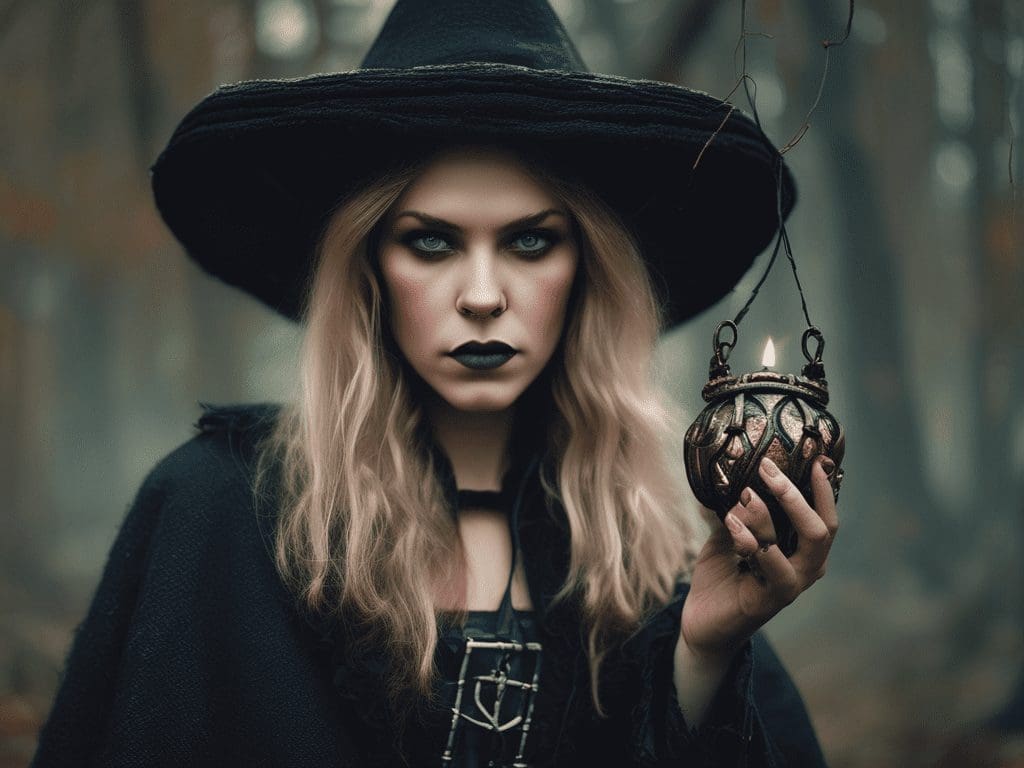
    While witch hunts may seem like a relic of the past, the sad truth is that they still exist in modern society . Though they may not involve accusations of casting spells or worshipping the devil, modern witch hunts take on different forms, often targeting marginalised groups, minorities, and individuals who do not conform to societal norms.

    One of the most prevalent forms of modern witch hunts is the spread of misinformation and conspiracy theories. In the age of social media, false information can quickly spread like wildfire, leading to the vilification and persecution of individuals who are deemed as enemies or threats. This can be seen in the rise of online harassment and the spread of hate speech against certain groups, such as immigrants, religious minorities, and members of the LGBTQ+ community.

    Another form of modern witch hunts can be seen in the criminal justice system. People of colour, particularly Black and Indigenous individuals, are disproportionately targeted and subjected to harsher punishments for crimes compared to their white counterparts. This systemic racism leads to the dehumanisation and demonisation of certain groups, perpetuating a culture of fear and suspicion.

    In some cases, modern witch hunts can also take the form of political persecution. Dissenters, activists, and journalists who speak out against injustices and corruption are often targeted by authoritarian regimes and labelled as enemies of the state. These individuals are subjected to harassment, intimidation, and even violence in an effort to silence their voices and suppress dissent.

    It is important to recognise the implications of modern witch hunts and the harm they cause to individuals and society as a whole. We must challenge misinformation, combat systemic discrimination, and stand up against injustices in order to prevent the persecution of innocent individuals. By promoting empathy, understanding, and solidarity, we can work towards a more just and equitable society where witch hunts have no place.

  • Real Cases of Witchcraft: From Salem to Modern Times

    Real Cases of Witchcraft: From Salem to Modern Times

    Advertisements

    One such case dates back to the infamous Salem Witch Trials in the late 17th century. In 1692, several young girls in Salem Village, Massachusetts, claimed to be possessed by evil spirits and accused several women in the community of practising witchcraft. This led to the arrest and trial of dozens of individuals , with 19 ultimately being executed by hanging.

    While the Salem Witch Trials are perhaps the most well-known case of witchcraft hysteria in American history, similar instances have occurred in other parts of the world as well. In Europe, during the witch hunts of the early modern period, thousands of people, mostly women, were accused of being witches and subjected to brutal interrogations and executions.

    In more recent times, there have been cases of alleged witchcraft in places like Africa, where belief in witchcraft is still widespread. In some communities, individuals accused of being witches have been subjected to violent attacks, including beatings, torture, and even murder.

    In India, witchcraft accusations have also led to horrific acts of violence against those accused. In some cases, women have been branded as witches and subsequently stripped, beaten, and paraded naked through the streets.

    These cases serve as a grim reminder of the very real consequences of superstition and belief in the supernatural. While many may dismiss witchcraft as a thing of the past, the fact remains that accusations of witchcraft continue to have serious implications for those accused.

    It is important to remember that witchcraft is not a legitimate form of supernatural power, but rather a cultural belief system that has been used to justify acts of violence and persecution against marginalised individuals. As we strive to build a more inclusive and equitable society, it is crucial that we educate ourselves about the dangers of witchcraft accusations and work towards eradicating this harmful belief from our communities.

  • Satanic Sects in the UK: Separating Fact from Fiction

    Satanic Sects in the UK: Separating Fact from Fiction

    Advertisements

    Firstly, it’s important to distinguish between genuine Satanic sects and the exaggerated portrayals often seen in the media. While there have been incidents of individuals or small groups engaging in Satanic rituals or activities, these are typically isolated cases rather than part of a widespread and organised network.

    In recent years, there have been reports of Satanic sects allegedly involved in criminal activities, such as ritual abuse and human sacrifice. However, these claims have largely been debunked by law enforcement agencies and experts in the field of cults and occultism. The vast majority of Satanic groups are peaceful and do not engage in criminal behaviour.

    In fact, many self-professed Satanists argue that their belief system is based on individualism, personal freedom, and scepticism rather than on harming others. While their rituals and symbolism may be unsettling to some, it is important to respect their right to practise their religion in a legal and non-harmful manner.

    So if Satanic sects are not the criminal organisations they are often portrayed as, why do they continue to capture the public imagination? Part of the allure may lie in the transgressive nature of Satanism, which challenges traditional notions of morality and spirituality. This rebellious and provocative image can attract individuals seeking to break free from societal norms and embrace a darker and more unconventional path.

    In conclusion, while Satanic sects do exist in the UK, they are not the dangerous and malevolent forces that are often portrayed in the media. It is important to separate fact from fiction and not demonise individuals based on their beliefs. Instead, we should strive to understand and engage with different belief systems in a spirit of tolerance and respect.

  • What Are the World’s Newest Religions?

    What Are the World’s Newest Religions?

    Advertisements

    One of the newest religions to gain attention is Pastafarianism. This satirical religion, also known as the Church of the Flying Spaghetti Monster, was created in 2005 as a response to the teaching of intelligent design in schools. Pastafarians believe in a deity made of spaghetti and meatballs, and their main goal is to promote the separation of church and state.

    Another recent religion is Jedism, inspired by the Jedi Order in the Star Wars franchise. Followers of Jedism believe in the Force, a mystical energy that binds the universe together. They follow the teachings of the Jedi Code and strive for peace, harmony, and self-improvement.

    The Order of the Satanic Temple is a modern religious movement that advocates for secularism and social justice. While often misunderstood as worshipers of the devil, members of the Satanic Temple do not believe in a literal Satan but rather use it as a symbol of rebellion against traditional religious institutions.

    Other new religions include Raelism, a UFO religion founded in the 1970s by Claude Vorilhon, who claims to have been contacted by extraterrestrial beings, and the Church of Euthanasia, which promotes voluntary population control and environmental sustainability.

    These new religions offer alternative perspectives and beliefs in a rapidly changing world. While some may view them as controversial or unconventional, they provide a platform for individuals to explore and express their spirituality in a way that resonates with them. As the world continues to diversify, it will be interesting to see how these new religions evolve and shape the religious landscape in the years to come.

  • Exploring Colombian Brujeria: From Traditional Shamans to Modern Spells

    Exploring Colombian Brujeria: From Traditional Shamans to Modern Spells

    Advertisements

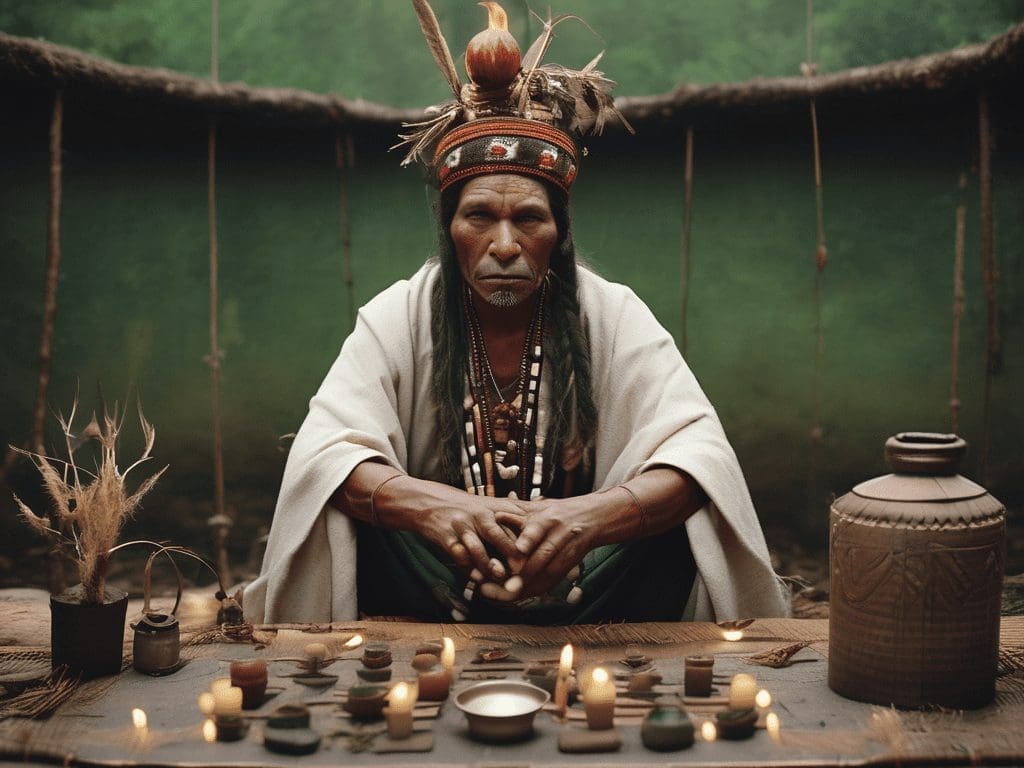
    Colombia, with its rich indigenous traditions, has a deep-rooted connection to spirituality and the supernatural. Many Colombians still seek out the services of brujos and brujas (witches) for healing, guidance, and protection. These traditional healers often use herbs, rituals, and spells to help their clients navigate through life’s challenges.

    However, there is also a darker side to brujeria in Colombia. Some practitioners use their powers for malicious purposes, such as casting spells to harm others or gain wealth and power. These dark witches, known as brujos negros, are feared and often shunned by society.

    In recent years, there has been a resurgence of interest in brujeria in Colombia, fuelled in part by the popularity of shows and movies featuring witches and magic. Modern practitioners of brujeria have adapted traditional practices to suit contemporary lifestyles, offering services such as love spells, prosperity rituals, and protection charms.

    Despite the ongoing stigma surrounding brujeria, many Colombians continue to seek out the services of witches and healers for guidance and support. Whether seeking a solution to a problem or simply looking for spiritual guidance, brujeria remains an important part of Colombian culture and heritage.

    In conclusion, brujeria in Colombia is a complex and multifaceted phenomenon that reflects the country’s rich spiritual traditions and cultural diversity. Whether practised for healing, harm, or simply out of curiosity, witchcraft continues to play a significant role in Colombian society. As long as there are people seeking answers and solutions to life’s challenges, brujeria will continue to thrive in Colombia.