Tag: Neuropsychology

  • The Mirror Neuron System: A Window into Empathy and Connection

    The Mirror Neuron System: A Window into Empathy and Connection

    Advertisements

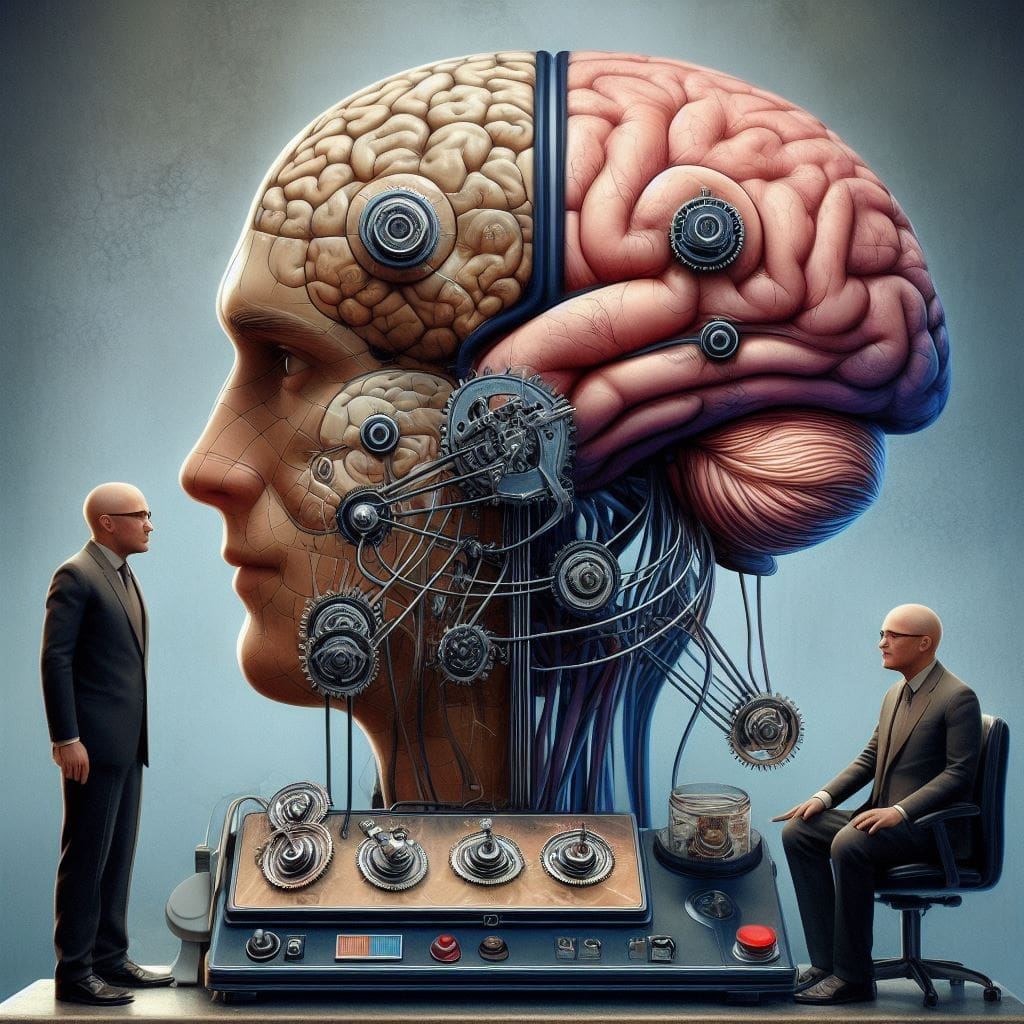
    One key component that scientists have identified is the mirror neuron system. This system, which was discovered in the early 1990s, consists of a network of neurons located in the brain that fire both when we perform an action and when we observe someone else performing the same action. In other words, these neurons “mirror” the actions and emotions of others, allowing us to understand and resonate with their experiences.

    For example, imagine watching a close friend laugh and smile during a funny movie. The mirror neuron system in your brain would activate, causing you to not only see their expression but also feel a sense of joy and amusement yourself. This shared emotional experience forms the basis of empathy and connection, as it allows us to truly understand and connect with the people around us.

    Recent research has shown that the mirror neuron system plays a crucial role in a wide range of social behaviours, from understanding others’ intentions and emotions to developing a sense of empathy and compassion. Studies have also linked dysfunction in this system to conditions such as autism, where individuals may struggle with social interactions and understanding others’ emotions.

    But the mirror neuron system is not just about empathy—it also plays a role in learning, imitation, and even language development. By observing and imitating others, we can learn new skills and behaviours, as well as understand the intentions and motivations behind their actions.

    So how can we harness the power of the mirror neuron system to enhance our empathy and connection with others? One key strategy is to practise active listening and observation, truly paying attention to others’ words, body language, and emotions. By tuning into these cues, we can better understand and resonate with their experiences, fostering deeper connections and relationships.

    Another way to boost empathy is through activities that promote social interaction and collaboration, such as volunteering, joining a club or group, or simply spending time with friends and loved ones. These experiences can help us strengthen our mirror neuron system and cultivate a sense of empathy and connection with those around us.

    In conclusion, the mirror neuron system provides a fascinating window into the mechanisms of empathy and connection in the human brain. By understanding and harnessing this system, we can deepen our relationships, enhance our communication skills, and build a more empathetic and compassionate world. So next time you find yourself feeling a strong connection with someone, remember that it may just be your mirror neurons at work.

  • Impairment of the Ventromedial Prefrontal Cortex (vmPFC)

    Impairment of the Ventromedial Prefrontal Cortex (vmPFC)

    Advertisements

    Impairment of the vmPFC can result from various factors, including traumatic brain injury, stroke, or neurodegenerative diseases such as frontotemporal dementia. When this region is damaged, individuals may experience difficulties in evaluating risks and rewards, regulating emotions, and understanding social cues.

    One of the most notable effects of vmPFC impairment is a phenomenon known as “acquired sociopathy.” Individuals with damage to this region may display a lack of empathy, moral reasoning, and remorse for their actions. This can lead to antisocial behaviour, impulsivity, and a disregard for social norms.

    In addition to changes in social behaviour, impairment of the vmPFC can also impact decision-making abilities. Individuals may struggle to weigh the potential outcomes of their choices, leading to poor judgement and impulsive decision-making. This can have far-reaching consequences in various aspects of their lives, from personal relationships to financial management.

    Furthermore, damage to the vmPFC can hinder emotional regulation, leading to heightened emotional reactivity and difficulty in controlling one’s emotions. This can manifest as mood swings, irritability, and difficulty in managing stress. This can have a significant impact on an individual’s overall well-being and quality of life.

    Treatment for impairment of the vmPFC is challenging, as this region of the brain is highly interconnected with other areas involved in cognition and emotion. However, cognitive-behavioral therapy, medication, and social support can help individuals cope with the behavioral and emotional changes associated with vmPFC damage.

    In conclusion, impairment of the ventromedial prefrontal cortex can have profound effects on an individual’s social behaviour, decision-making abilities, and emotional regulation. Understanding the impact of vmPFC damage is crucial in providing support and intervention for those affected by this condition. Further research into the functioning of this region of the brain is essential for developing effective treatments and interventions for individuals with vmPFC impairments.

  • Navigating the Stress-Immune Axis: The Resilience Factor

    Navigating the Stress-Immune Axis: The Resilience Factor

    Advertisements

    The stress-immune axis refers to the complex relationship between our stress response and the functioning of our immune system. When we experience stress, our body releases stress hormones like cortisol, which can have both positive and negative effects on our immune system. In the short term, stress hormones can enhance our immune response, helping us to fight off infections and heal wounds faster. However, chronic stress can weaken our immune system, making us more susceptible to illnesses and diseases.

    One of the key mechanisms through which stress affects our immune system is through inflammation. Chronic stress can lead to a state of low-grade inflammation in the body, which has been linked to a wide range of chronic conditions such as heart disease, diabetes, and autoimmune disorders. This chronic inflammation can suppress the activity of immune cells, making it harder for our body to fight off infections and heal from injuries.

    On the flip side, a healthy immune system can help to protect us from the negative effects of stress. Research has shown that a strong immune system can help to buffer the impact of stress on our body, reducing inflammation and improving our overall health and well-being. In fact, studies have found that people with stronger immune systems tend to cope better with stress and have lower rates of stress-related illnesses.

    So, what can we do to strengthen our stress-immune axis and improve our resilience to stress? The key lies in adopting healthy lifestyle habits that support both our immune system and our stress response. This includes getting regular exercise, eating a balanced diet, practising relaxation techniques like meditation and yoga, and getting an adequate amount of sleep. Additionally, seeking support from friends, family, or a therapist can also help us to better cope with stress and reduce its negative impact on our health.

    By understanding the intricate relationship between stress and our immune system, we can take proactive steps to protect our health and well-being. By nourishing our body with the right nutrients, engaging in stress-reducing activities, and fostering strong social connections, we can build a strong stress-immune axis that helps us to thrive in the face of life’s challenges.

  • The Brain’s Bodyguard: Exploring the Role of the Cerebellum

    The Brain’s Bodyguard: Exploring the Role of the Cerebellum

    Advertisements

    One of the primary functions of the cerebellum is to integrate sensory information from the body with signals from the cerebral cortex to produce smooth and coordinated movements. For example, when we reach out to grab a cup of coffee, the cerebellum helps to ensure that our hand moves smoothly and accurately towards the cup without any jerky or irregular movements. It also helps to maintain posture and balance, allowing us to stand upright and walk without falling over.

    In addition to its role in motor control, the cerebellum is also involved in cognitive functions such as attention, language, and emotional regulation. Studies have shown that damage to the cerebellum can result in problems with executive function, memory, and impulse control. This highlights the complex and interconnected nature of brain function, with different regions working together to ensure that we can navigate the world around us effectively.

    Interestingly, the cerebellum has also been linked to conditions such as autism, ADHD, and dyslexia. Researchers have found that individuals with these disorders often have abnormalities in the structure and function of the cerebellum, suggesting that it may play a role in the development of these conditions. Understanding the role of the cerebellum in these disorders could potentially lead to new treatments and interventions to help improve outcomes for affected individuals.

    In conclusion, the cerebellum plays a vital role in our daily lives, helping us to move, balance, and coordinate our actions. Its involvement in cognitive functions further highlights its importance in ensuring that we can navigate the world effectively. While often overshadowed by the cerebral cortex, the cerebellum is a key player in the complex orchestra of brain function, and its role should not be overlooked.

  • The Role of the Orbitofrontal Cortex (OFC)

    The Role of the Orbitofrontal Cortex (OFC)

    Advertisements

    One of the key functions of the OFC is its involvement in decision-making and reward processing. Studies have shown that damage to the OFC can result in impaired decision-making abilities, leading to difficulties in predicting future outcomes and making appropriate choices. The OFC is also involved in evaluating the potential rewards and risks associated with a particular decision, helping us weigh the pros and cons before making a choice.

    In addition to decision-making, the OFC is also critical for regulating emotions and social behaviour. Research has shown that the OFC is implicated in emotional processing, including the recognition and interpretation of facial expressions and body language, as well as the experience of emotions such as happiness, fear, and disgust. Damage to the OFC can result in difficulties in understanding and responding to social cues, leading to deficits in social interactions and relationships.

    Furthermore, the OFC plays a role in impulse control and self-regulation. Studies have shown that individuals with damage to the OFC may exhibit impulsive behaviour, including difficulties in inhibiting inappropriate responses and controlling their emotions. This may manifest in impulsive decision-making, risky behaviours, and difficulties in controlling emotions such as anger and aggression.

    Overall, the orbitofrontal cortex plays a critical role in a wide range of cognitive, emotional, and behavioral functions. Understanding the functions of the OFC can help us better understand the underlying mechanisms of decision-making, emotional regulation, and social behaviour, and may provide insights into the development of treatments for disorders that involve dysfunction of the OFC, such as addiction, depression, and impulse control disorders.

  • The Drama Queen: A Neuropsychological Exploration of Histrionic Personality Disorder

    The Drama Queen: A Neuropsychological Exploration of Histrionic Personality Disorder

    Advertisements

    One of the key aspects of HPD is the heightened emotional reactivity and reactivity of individuals with this disorder. Neuroimaging studies have shown that individuals with HPD may have abnormalities in the structure and function of the brain regions responsible for emotion regulation, such as the amygdala and prefrontal cortex. This dysregulation of emotional processing may contribute to the intense emotional responses and dramatic behaviour seen in individuals with HPD.

    Furthermore, individuals with HPD may also have difficulties in regulating their attention and impulse control. Studies have shown that individuals with HPD may have deficits in the executive functioning of the brain, which can manifest as impulsivity, distractibility, and difficulty in maintaining focus on tasks. This may contribute to the attention-seeking behaviour and constant need for stimulation that is often observed in individuals with HPD.

    In addition, research has also suggested that there may be genetic factors that predispose individuals to developing HPD. Studies have shown that individuals with a family history of mental health disorders, particularly personality disorders, may be at a higher risk of developing HPD themselves. This genetic vulnerability, combined with environmental factors such as early childhood trauma or neglect, can increase the likelihood of developing HPD.

    Overall, the neuropsychology of Histrionic Personality Disorder is a complex and multifaceted area of study that continues to be explored by researchers in the field. Understanding the underlying neurological mechanisms of HPD can help clinicians better diagnose and treat individuals with this disorder, as well as develop more targeted and effective interventions. By gaining a better understanding of the neuropsychological factors contributing to HPD, we can improve our ability to support and care for individuals living with this challenging mental health condition.

  • The Neuropsychology of Moral Decision-Making

    The Neuropsychology of Moral Decision-Making

    Advertisements

    One key brain region involved in moral decision-making is the prefrontal cortex. This area of the brain is responsible for higher-order thinking, such as reasoning, decision-making, and impulse control. Studies have shown that damage to the prefrontal cortex can lead to impaired moral reasoning and decision-making, highlighting its importance in this process.

    Another important brain region involved in moral decision-making is the amygdala. This almond-shaped structure is responsible for processing emotions, particularly negative emotions such as fear and disgust. When faced with moral dilemmas, the amygdala plays a role in processing our emotional responses and influencing our decision-making.

    Neuroimaging studies have also shed light on the neural networks involved in moral decision-making. For example, the ventromedial prefrontal cortex has been identified as a key region involved in integrating emotional and cognitive information to make moral decisions. The insula, a region involved in processing interoceptive signals and emotional awareness, has also been implicated in moral decision-making.

    Interestingly, research has shown that our moral decisions can be influenced by various factors, such as emotional arousal, cognitive load, and social context. For example, when under stress, our ability to make moral decisions may be compromised as our cognitive resources are diverted to coping with the immediate threat.

    Overall, the neuropsychology of moral decision-making is a complex and multifaceted process involving a network of brain regions that work together to integrate emotional and cognitive information. By understanding the neural mechanisms involved in moral decision-making, we can gain a deeper insight into how and why we make the choices we do, and potentially develop interventions to improve our moral reasoning and decision-making abilities.