Michel Foucault was a prominent French philosopher and social theorist known for his work on power, knowledge, and institutions. One of his most influential concepts is the idea that power is not just something that is held by a few individuals or institutions, but is rather something that permeates all aspects of society and is exercised in various ways.
Advertisements
Foucault argued that power is not just about coercion or force, but is also about the ability to define and shape reality. In other words, power is about controlling what is considered to be true or false, normal or abnormal, acceptable or unacceptable. This means that those who have power can impose their own views and values on society, shaping how people think and behave.
Knowledge plays a crucial role in this process. Foucault believed that knowledge is always intertwined with power, as those who have the ability to produce and disseminate knowledge also have the ability to shape how society understands itself. Institutions, such as schools, hospitals, and prisons, are key sites where knowledge and power intersect, as they are where certain forms of knowledge are produced and used to control and regulate individuals.
In this way, institutions become mechanisms for the exercise of power, as they shape the way people think and act. For example, in a prison, knowledge about criminality and punishment is produced and used to control the behaviour of inmates. Similarly, in a school, knowledge about subjects such as history and science is used to shape the minds of students and define what is considered to be important or valuable.
Foucault’s concept of power and its relationship to knowledge and institutions has profound implications for how we understand society and the ways in which power operates. It challenges us to look beyond overt displays of power and to consider the more subtle ways in which power is exercised in our everyday lives. By recognising the interconnectedness of power, knowledge, and institutions, we can begin to critique and challenge the systems of control that shape our society and work towards a more just and equitable world.
Espionage in Russia has a long and storied history, dating back to the time of the tsars and continuing through the Soviet era and into the present day. The Russian intelligence services, most notably the KGB and its successor the FSB, have a well-earned reputation for being among the most effective and ruthless in the world.
Advertisements
One of the most infamous episodes of Russian espionage was the case of the Cambridge Five, a group of British spies who were recruited by the Soviet Union during World War II. The most well-known member of the group was Kim Philby, a high-ranking MI6 officer who was exposed as a double agent in the 1960s. The Cambridge Five were able to pass on valuable secrets to the Soviets for years, causing significant damage to Western intelligence operations.
In more recent years, Russia has been accused of carrying out a number of high-profile espionage operations against Western countries. One of the most notable incidents was the poisoning of former Russian spy Sergei Skripal and his daughter Yulia in Salisbury, England in 2018. The UK government blamed the Russian government for the attack, which they claimed was carried out using a nerve agent developed by the Soviet Union.
The Russian intelligence services have also been implicated in cyber espionage operations, with Russian hackers targeting government agencies, political parties, and businesses in the United States and Europe. The 2016 US presidential election was marred by allegations of Russian interference, with the US intelligence community concluding that Russia had conducted a coordinated campaign to undermine the democratic process.
Despite the risks involved, espionage remains a vital tool of statecraft for Russia, allowing the country to gather intelligence on its adversaries and advance its national interests. The Russian government has a long history of using espionage to maintain its strategic advantage in the international arena, and shows no signs of relenting in its pursuit of intelligence-gathering activities. However, there is no evidence to confirm these allegations.
In conclusion, espionage in Russia is a complex and multifaceted phenomenon that has played a significant role in shaping world events throughout history. While the tactics and technologies may have evolved over time, the underlying motivations and goals of Russian espionage remain constant – to gather information, exert influence, and advance the interests of the Russian state.
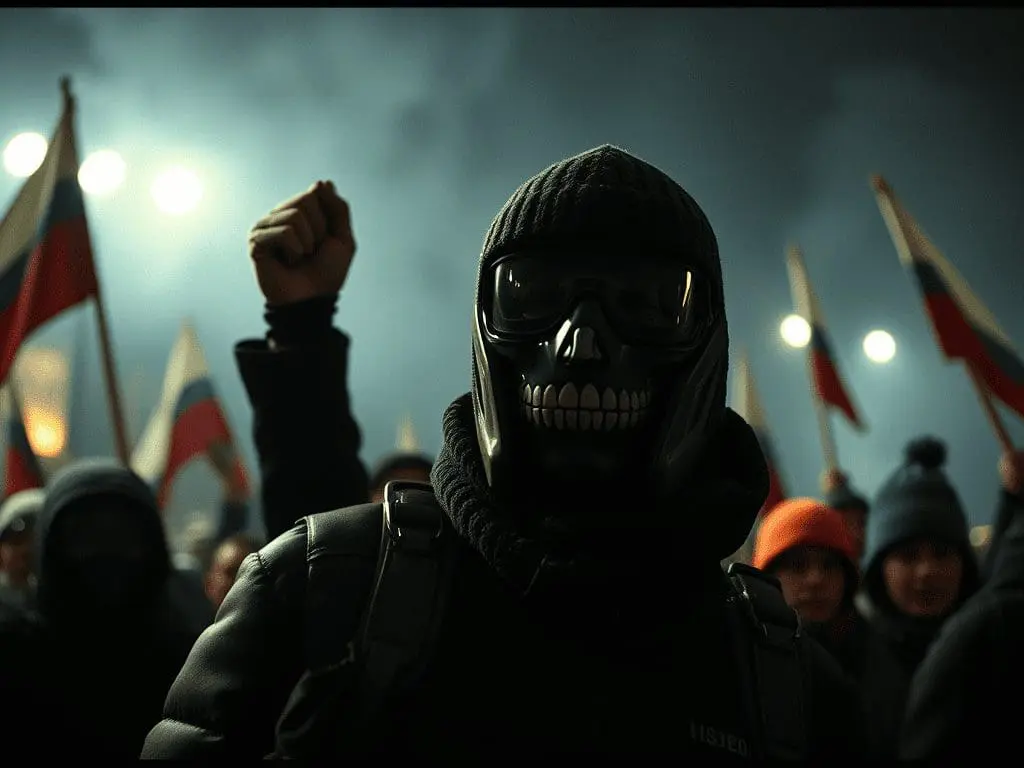
In recent years, Russia has been under the tight grip of President Vladimir Putin and his authoritarian regime. Many Russians claim that dissent and opposition are routinely silenced, and any form of criticism is met with severe repercussions. However, despite the ever-present threat of government crackdown, there is a growing underground movement of anti-Putin activists and intellectuals who are working tirelessly to resist the oppressive regime.
Advertisements
These individuals operate in the shadows, sharing information, organising protests, and speaking out against Putin’s authoritarian rule. One such group is the “Open Russia” movement, which was founded by exiled Russian oligarch Mikhail Khodorkovsky. The group aims to promote democracy and human rights in Russia, and its members face constant harassment and intimidation from the authorities.
The underground resistance movement is not limited to political activists; artists, musicians, and journalists are also using their platforms to speak out against Putin’s regime. Pussy Riot, a feminist punk rock protest group, gained international attention in 2012 when they staged a performance in Moscow’s Cathedral of Christ the Savior, denouncing the close ties between the Russian Orthodox Church and Putin’s government.
In addition to activism, the underground resistance in Russia also extends to the realm of journalism. Independent media outlets such as Meduza and The Bell provide a platform for critical and investigative journalism, despite facing constant threats of censorship and harassment.
The anti-Putin underground in Russia is a beacon of hope in the face of oppression and suppression. These brave individuals continue to fight for freedom, democracy, and human rights, despite the risks and dangers they face. The world must stand in solidarity with these courageous activists and support their efforts to bring about positive change in Russia. Putin’s grip on power may be strong, but the voices of the underground resistance are even stronger.
Kleptocracy, a term derived from the Greek words kleptēs, meaning thief, and kratos, meaning power or rule, refers to a system of government in which those in power use their positions to steal and exploit the resources of a country for their own benefit. In a kleptocracy, corruption and embezzlement are rampant, and the ruling elite amass vast wealth at the expense of the general population.
Advertisements
One of the defining features of a kleptocracy is the absence of accountability and transparency. Those in power use their control over the government and its institutions to ensure that their actions go unchecked and unpunished. This allows for the unchecked accumulation of wealth and power, as well as the stifling of dissent and opposition.
The consequences of kleptocracy are devastating for the country and its people. Resources that could be used for the public good, such as education, healthcare, and infrastructure, are instead siphoned off for the benefit of the ruling elite. As a result, the general population suffers from poverty, lack of access to basic services, and a lack of opportunities for advancement.
The effects of kleptocracy can be seen in countries around the world, from Africa to Asia to Latin America. In some cases, the ruling elite have amassed fortunes that rival those of the wealthiest individuals in the world, while their people live in squalor and deprivation.
Tackling kleptocracy requires a concerted effort from both domestic and international actors. Governments must hold their leaders accountable for their actions, ensure transparency and accountability in governance, and empower civil society to play a role in monitoring and holding those in power to account.
At the international level, greater cooperation is needed to combat the flow of illicit funds and assets that enable kleptocracy to thrive. Measures such as anti-money laundering regulations, asset recovery mechanisms, and cooperation between law enforcement agencies can help to stem the flow of stolen assets and hold kleptocrats accountable for their actions.
In conclusion, kleptocracy is a scourge that undermines the rule of law, democracy, and development in countries around the world. By shining a light on the practices of those in power and holding them accountable for their actions, we can work towards a more just and equitable world for all.
Centralism is a political ideology that advocates for a strong central government that holds the majority of power and decision-making authority. In a centralist system, the central government is responsible for making national policies and laws, while local governments have limited power and autonomy. This ideology stands in contrast to decentralism, which promotes the distribution of power among multiple levels of government.
Advertisements
One of the key principles of centralism is the belief that a strong central government is necessary to maintain order and stability within a country. Proponents argue that a centralised government can more effectively address national issues and ensure consistent policies across all regions. Additionally, centralism can help prevent fragmentation and disunity within a country by promoting a sense of national identity and unity.
Centralism can take many forms, ranging from unitary systems where all power is held by the central government, to federal systems where power is shared between the central government and regional governments. In unitary systems, the central government has the authority to create and enforce laws, collect taxes, and make decisions on behalf of the entire nation. In federal systems, the central government shares power with regional governments, which may have their own legislative bodies and authority over certain areas such as education or healthcare.
Critics of centralism argue that it can lead to the concentration of power in the hands of a few individuals or groups, potentially leading to authoritarian rule and suppression of democratic principles. They also point out that centralism can stifle innovation and diversity, as decisions are made at the national level rather than being tailored to the specific needs and preferences of each region.
Despite these criticisms, centralism has been embraced by many countries around the world, including China, Russia, and France. These countries believe that a strong central government is necessary to maintain order and stability, particularly in large and diverse nations. Centralist policies can help ensure national security, economic growth, and social cohesion.
In conclusion, centralism is a political ideology that advocates for a strong central government with the power to make decisions on behalf of the entire nation. While centralism has its advantages in terms of national unity and stability, it also presents challenges in terms of democracy and diversity. As countries continue to grapple with issues of governance and power distribution, the debate between centralism and decentralism is likely to continue.
There is a certain ‘mystery’ with the numbers. For instance, the GOV.UK’s (2020a) dashboard has not been updating the recovery section of its spreadsheet since the 22nd March. This has led to much confusion, and many people are suspicious of the numbers being provided. For instance, the media (Merrick, 2020) announced that health secretary Matt Hancock tested positive for coronavirus on the 27th March, 2020. Then on the 2nd April, 2020 he was back to work (Matt Hancock gives first coronavirus briefing since coming out of isolation, 2020) and was looking healthy. Nevertheless, the historic record spreadsheet did not register his recovery, indicating that maybe only those admitted to hospital are being registered in the records.
Another odd discrepancy is the fact that even though Worldometers (2020) updated for the first time this month the number of recovered patients yesterday to 344, the historic record document mentioned above- which is available on the GOV.UK’s (2020a) dashboard- continues to show 135 as the number of recoveries. This is worrisome as it gives an impression of misinformation and it elicits uncertainty. No wonder many people are having a gut feeling of ‘deception’ at the hands of the GOV.
What is the government’s plan?
As of the date of this writing, the GOV.UK’s (2020b) coronavirus action plan is full of misinformation and inaccuracies. I wrote to the Department of Health & Social Care (GOV.UK, 2020c) on the 1st April in order to communicate my concerns in regards to their published document and to request more frequent reviews of it. Nevertheless, nothing has been done about it, and the file continues to create feelings of confusion and uncertainty. Here you can download the analysis I conducted. You will be able to understand the discrepancies better after reading it.
I attended the World Health Organization’s (2020) press briefing yesterday (10th April). Dr. Tedros Adhanom Ghebreyesus, Director-General stated: “When health workers are at risk, we are all at risk”. There were many important calls to action, such as ensuring that medical staff are able to have adequate rest periods instead of long, exploitative shifts; the development of an immune response; and the clarification of the severity of the disease. For instance, so far we have heard about patients who are in mild, and critical conditions. It was mentioned in the conference that an explanation of the moderate condition would be helpful, as there are confirmed cases of pneumonia which have not required hospitalization.
Another important point discussed was that the death of health workers has become a ‘tragic’ stimulus to action. The health environment was spoken about as a double-edged sword. It was also raised that personal protective equipment (PPE) is therefore a must have in hospitals in order to reduce the exposure of health workers to infectious hazards. This reminds us of the importance of staying at home and protecting the NHS. Furthermore, it was also suggested that psychosocial support for front-line and health workers should be made readily available, and reasonable adjustments should also be made by administrative staff in order to prevent doctors and nurses from developing fatigue as a result of extremely long shifts.
What can psychologists do to help the coronavirus crisis?
The coronavirus (COVID-2019) impacts on different people in different ways. Psychologically speaking, this requires an ongoing decision-making process based on the likelihood of catching the virus, and the perceived severity of the consequences.
“The barriers component may comprise both physical limitations on performing a behaviour (e.g. expense) and psychological costs associated with its performance (e.g. distress)”.
Abraham and Sheeran (1996, p. 33)
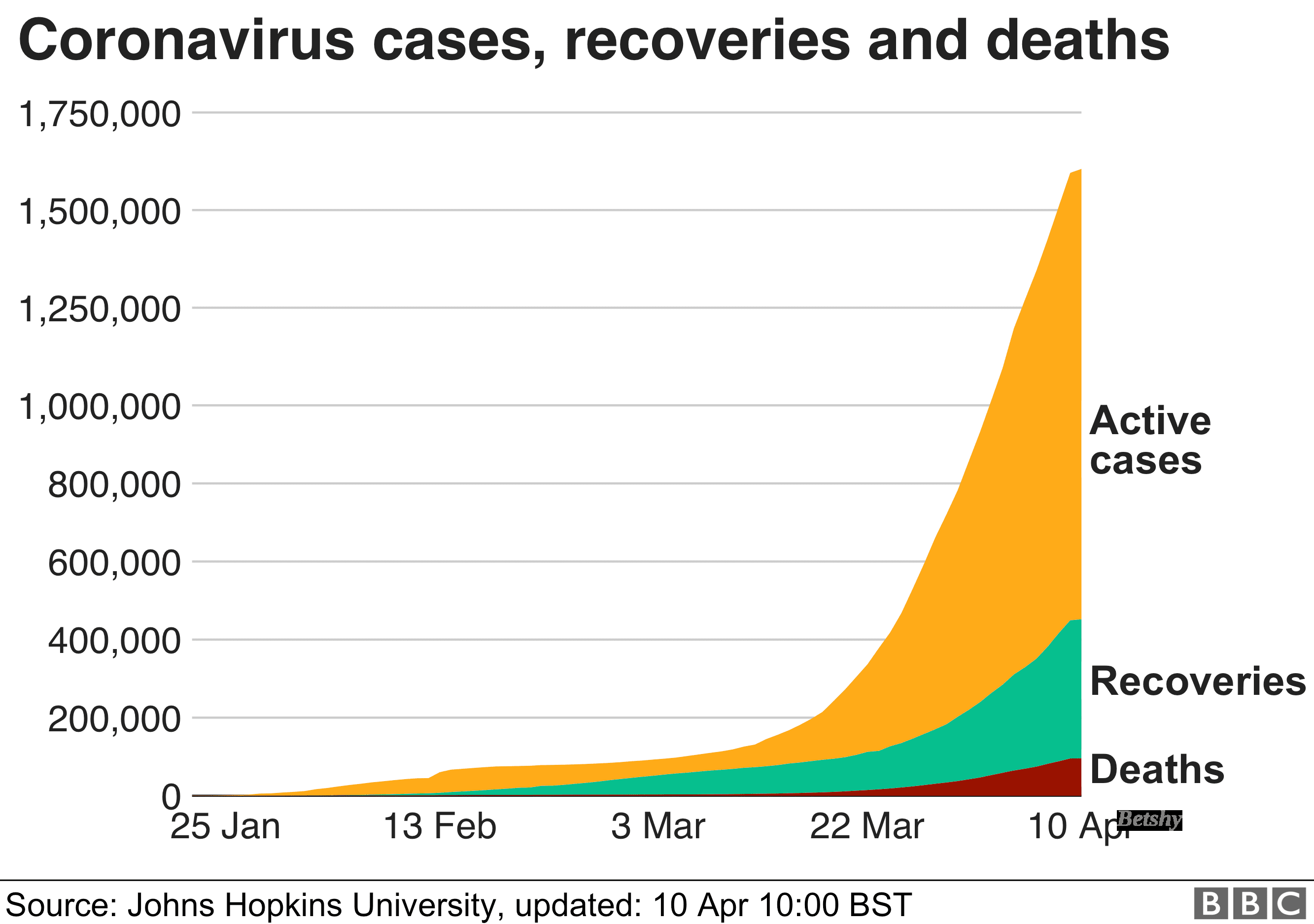
The outbreak is by all means a stress-generative situation. Exploring the psychopathology of the coronavirus pandemic, such as the negative and positive symptoms it causes (e.g. confusion, neurosis, and psychosis) would help both, professionals and students to feel more efficient in their preparedness for what is to come next. For example, the concept of normal distribution and the curve as illustrated by The Visual and Data Journalism Team (2020) would help people understand what is meant by “the peak” of the outbreak that so many sources are expecting and talking about.
Psychologists are also encouraged to help people understand the serious challenge at hand, and the levels of vulnerability in individual differences. Moreover, it would also be helpful to stimulate the GOV so they respond quicker without the need for the tragic stimulus of death explained above. Furthermore, exploring the cycle of panic and neglect that manifests as response to the threat would help soothe emotionally vulnerable human beings. Advice about how to strengthen the system is welcome. When it comes to forensic psychologists, it would be useful to elucidate how data formulates policy, and why it is important to have accurate data in order to prevent confusion at subnational levels, including criminal justice settings.
How can I check the coronavirus numbers for myself?
There are two ways you can check the coronavirus statistics. For global numbers go to Worldometers.info/coronavirus.
Please note that GOV staff have neglected the recovery section in the official spreadsheet since 22nd March, 2020. If you are concerned about the numbers, please contact the Department of Health & Social Care on https://contactus.dhsc.gov.uk/ and explain to them your concerns.
References
Abraham, C. and Sheeran, P. (1996) ‘The health belief model’, in Conner, M. and Norman, P. (eds) Predicting Health Behaviour, Buckingham, Open University Press, pp. 23-61.
Matt Hancock gives first coronavirus briefing since coming out of isolation (2020), Youtube video, added by The Sun [Online]. Available at https://www.youtube.com/watch?v=qrF6Z8s5dmw (Accessed 10 April 2020).
The Visual and Data Journalism Team (2020) ‘Coronavirus pandemic: tracking the global outbreak’, BBC News, 10 April [Online]. Available at https://www.bbc.co.uk/news/world-51235105 (Accessed 11 April 2020).
We have heard the advice, but how can we interpret the information? Why follow the lockdown protocols? This article will clarify the coronavirus’ status quo.
What’s the difference between the coronavirus and COVID-19?
The coronavirus is what people catch, and the COVID-19 is the respiratory disease that can develop. A good analogy for understanding the differences between the two terms is HIV and AIDS. Whilst not all people who test positive for HIV develop AIDS, those who do develop it become severely ill. Similarly, not everyone testing positive for the coronavirus develops COVID-19, but those who do develop it are hospitalised and become severely ill. This is why preventing catching the coronavirus is just as important as preventing catching HIV.
What is the likelihood of catching the coronavirus?
As of the date of this writing, and according to Worldometers (2020a), there have been 47,806 confirmed cases in the UK, which has a population of 67,802,457 (Worldometers, 2020b). This means that the total number of hospital admissions per 1 million population is approximately 704, and the number of deaths per 1 million population is 73. Furthermore, Plymouth (the city where I live) had a population of 264,200 as of February (World Population Review, 2020), and as of the date of this writing it has had a total of 102 hospital admissions (GOV.UK, 2020b), out of which 13 (approximately 12.8%) patients have died (O’Leary, 2020); which means that even though there is a low risk of catching the virus, those who do catch it and develop COVID-19 are at high risk of dying.
Why should I stay at home?
Because you do not know whether you are infected or not, and if you are coronavirus positive but you have not developed COVID-19; you could still pass the virus onto other people who might be more vulnerable than you and who might develop COVID-19. Alternatively, you could catch the virus and in the worst case scenario die.
How is staying at home protecting the NHS?
When you prevent catching the coronavirus, you also prevent spreading it around. This means that you are doing everything you can to make sure that the NHS does not become overwhelmed with patients.
What preventive action can be taken?
You could self-educate on the topic in order to feel confident that you know what’s going on, and how to survive the crisis.
You could stay home in order to prevent becoming a patient, or spreading the virus (creating patients). This means that the NHS will have more supplies to deal with the overwhelming number of cases, and those severely ill will have a higher chance of getting the medical attention and equipment that they need.
You could share the information with your friends and family.
What reliable advice is available?
The World Health Organization (WHO; 2020a) has a section dedicated to the coronavirus pandemic with all available scientific information.
The NHS.UK (2020) has a section also dedicated to the disease.
The GOV.UK (2020a) also has a section dedicated to the lockdown in relation to the pandemic.
How is the virus transmitted?
According the World Health Organization (WHO; 2020b) “COVID-19 virus is primarily transmitted between people through respiratory droplets and contact routes […] transmission of the COVID-19 virus can occur by direct contact with infected people and indirect contact with surfaces in the immediate environment or with objects used on the infected person […] Airborne transmission is different from droplet transmission […]can remain in the air for long periods of time and be transmitted to others over distances greater than 1 m”.
References
GOV.UK (2020a) ‘Coronavirus (COVID-19): what you need to do’ [Online]. Available at https://www.gov.uk/coronavirus (Accessed 5 April 2020).