Tag: Emotions

  • Neurotransmitter Balance and Emotional Regulation: The Key to Mental Well-being

    Neurotransmitter Balance and Emotional Regulation: The Key to Mental Well-being

    Advertisements

    Understanding Neurotransmitters

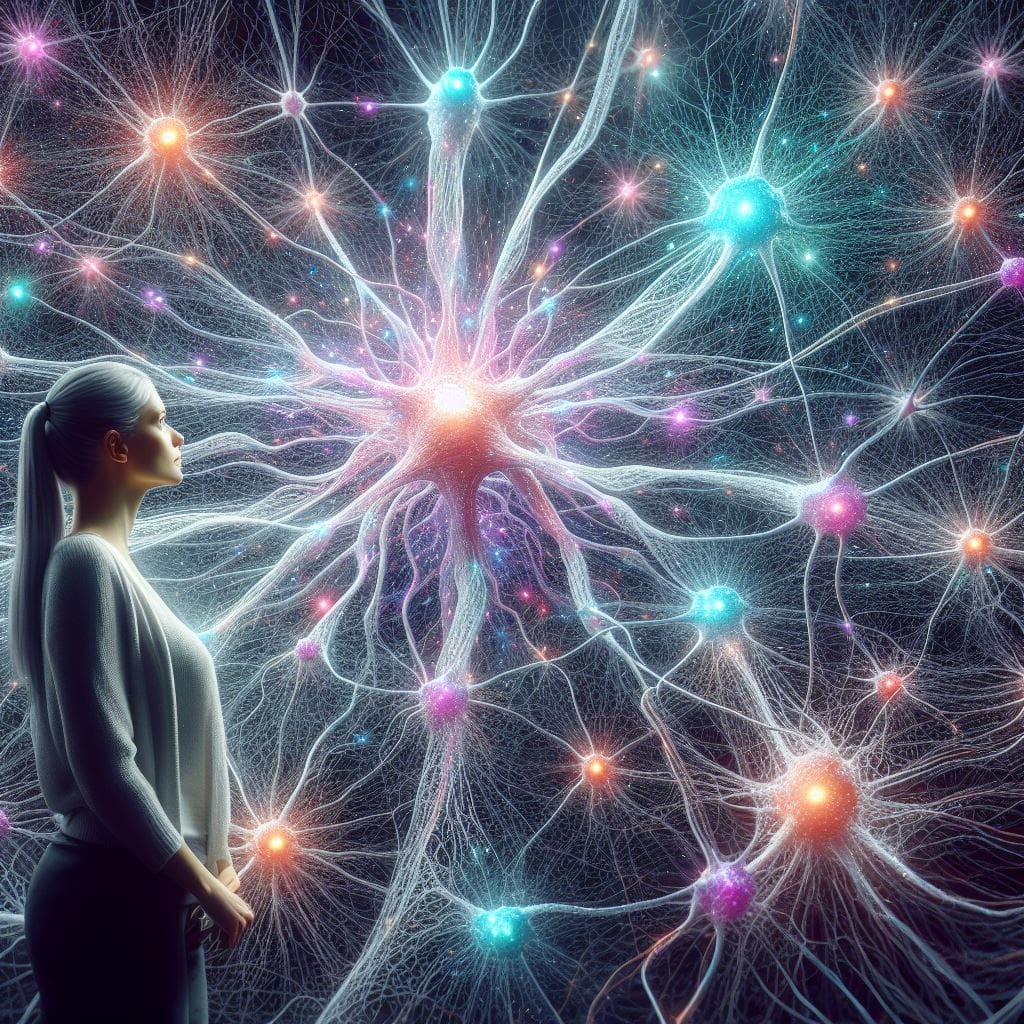
    Neurotransmitters are chemical messengers that facilitate communication between nerve cells in our brain, known as neurons. These chemical messengers are responsible for transmitting signals across synapses, the junctions between neurons. There are several neurotransmitters involved in regulating emotions, including serotonin, dopamine, norepinephrine, and gamma-aminobutyric acid (GABA), among others.

    Importance of Neurotransmitter Balance

    Neurotransmitter balance is essential for maintaining emotional stability and overall mental health. When these chemical messengers are in equilibrium, they help regulate mood, prevent excessive anxiety or depression, and promote a general sense of well-being. However, imbalances in neurotransmitter levels can lead to emotional dysregulation, causing disturbances in mental health and leading to conditions such as depression, anxiety disorders, bipolar disorder, and more.

    Serotonin: The “Feel-Good” Neurotransmitter

    Serotonin is often referred to as the “feel-good” neurotransmitter due to its role in regulating mood, sleep, and appetite. Low serotonin levels are commonly associated with depression, while medications such as selective serotonin reuptake inhibitors (SSRIs) are used to increase serotonin availability and alleviate symptoms of depression.

    Dopamine: The Reward and Pleasure Neurotransmitter

    Dopamine plays a crucial role in the brain’s reward and motivation system. It is responsible for the feelings of pleasure and reward we experience in response to various stimuli, such as accomplishing a goal or engaging in enjoyable activities. Imbalances in dopamine levels are associated with conditions such as addiction, ADHD, and Parkinson’s disease.

    Norepinephrine: The Fight-or-Flight Neurotransmitter

    Norepinephrine helps regulate the body’s response to stress and is involved in the fight-or-flight response. It boosts alertness, focus, and arousal. An imbalance in norepinephrine levels can contribute to anxiety disorders and conditions like post-traumatic stress disorder (PTSD).

    GABA: The Calming Neurotransmitter

    GABA is an inhibitory neurotransmitter that helps calm and relax the mind. It counters the effects of excitatory neurotransmitters, promoting feelings of tranquillity and reducing anxiety. Reduced GABA levels are linked to anxiety disorders and may lead to an inability to regulate emotions effectively.

    Tips for Maintaining Neurotransmitter Balance

    1. Engage in regular exercise and physical activity, as it boosts the production of endorphins and can help increase levels of serotonin and dopamine.

    2. Make healthy dietary choices by consuming nutrient-rich foods that provide the necessary building blocks for neurotransmitter synthesis.

    3. Prioritise quality sleep, as lack of sleep can disrupt neurotransmitter levels and lead to emotional instability.

    4. Consider stress-management techniques, such as meditation, deep breathing, or mindfulness, to help regulate norepinephrine and cortisol levels.

    5. Explore therapy and counselling options, as professional guidance can assist in identifying and addressing any neurotransmitter imbalances or emotional regulation difficulties.

    Conclusion

    Achieving a harmonious balance of neurotransmitters is essential for emotional regulation and overall mental well-being. By understanding how neurotransmitters like serotonin, dopamine, norepinephrine, and GABA influence our emotions, we can take proactive steps to maintain balance. By prioritising lifestyle choices, seeking appropriate interventions, and adopting stress-reducing practices, we can enhance our emotional regulation capacities and experience a more stable and healthier emotional state. Remember, investing in our mental health is a lifelong endeavour that reaps invaluable rewards.

    Advertisements
  • The Power of Emotional Regulation Skills: Nurturing Inner Harmony

    The Power of Emotional Regulation Skills: Nurturing Inner Harmony

    Advertisements

    Understanding Emotional Regulation

    Emotional regulation refers to the ability to recognise, understand, and manage our emotions in a healthy and adaptive manner. It involves being aware of our emotional state, assessing its impact on our thoughts and behaviours, and responding appropriately. Emotional regulation skills empower us to cope with stressful situations, maintain positive relationships, and make rational decisions even during challenging times.

    The Benefits of Emotional Regulation

    1. Improved Mental Health: The ability to regulate one’s emotions is directly linked to mental health. By developing these skills, individuals can reduce symptoms of anxiety, depression, and other emotional disorders. It enables us to respond constructively to negative emotions, preventing them from spiralling out of control.

    2. Enhanced Relationships: Effective emotional regulation fosters better interpersonal connections. By managing our emotions, we can avoid impulsive reactions that may damage relationships. Instead, we can respond with empathy, active listening, and kindness, which promotes understanding, trust, and healthier communication patterns.

    3. Increased Resilience: Emotional regulation enhances resilience, allowing individuals to bounce back from setbacks and adapt to challenging situations. By developing emotional agility, we can maintain a clearer perspective and remain focused on finding solutions, rather than getting overwhelmed by obstacles.

    Practical Strategies for Cultivating Emotional Regulation Skills

    1. Mindfulness Practice: Engaging in mindfulness activities, such as meditation or deep breathing exercises, can help us become more self-aware and attuned to our emotions. This enables us to recognise and acknowledge our feelings without judgement, leading to greater emotional regulation.

    2. Developing Emotional Vocabulary: Expanding our emotional vocabulary allows for a more nuanced understanding of our emotions. By labelling and articulating our feelings, we can gain a sense of control over them, effectively navigating their impact on our thoughts and behaviours.

    3. Stress Management Techniques: Finding healthy outlets for stress, such as regular exercise, engaging hobbies, or journalling, promotes emotional regulation. These activities promote relaxation and serve as release valves for pent-up emotions.

    4. Seeking Support: Talking to a trusted friend, family member, or therapist can provide valuable insights and guidance in developing emotional regulation skills. Professional support can help identify triggers, explore coping strategies, and facilitate personal growth.

    Conclusion

    Emotional regulation skills are a vital component of maintaining mental well-being in today’s ever-changing world. By nurturing the ability to acknowledge and manage our emotions effectively, we unlock the potential to cultivate resilience, build healthier relationships, and improve our overall quality of life. Embracing the power of emotional regulation equips us with invaluable tools to face life’s challenges with grace and inner harmony. Let us make a commitment to prioritise our emotional well-being and empower ourselves to live a more fulfilling, balanced life.

    Advertisements
  • How to Appropriately Express Emotions: The Key to Healthy Communication

    How to Appropriately Express Emotions: The Key to Healthy Communication

    Advertisements

    1. Recognise and label your emotions

    The first step to appropriately expressing emotions is developing self-awareness. Identifying and acknowledging the specific emotions you are experiencing will help you understand yourself better. Give names to your emotions, such as happiness, frustration, or disappointment. This self-labelling process can provide a foundation for healthier emotional expression.

    2. Understand the triggers

    Identify the triggers that cause particular emotions to surface. Once you recognise the circumstances or situations that ignite strong feelings, you’ll have a better chance of managing and expressing them more constructively. Understanding your triggers will enable you to anticipate emotional responses and prepare yourself to react in a healthier and calmer manner.

    3. Create a safe space for emotional expression

    Build an environment where both you and others feel comfortable expressing emotions openly and honestly. Encourage open dialogue and active listening, fostering a foundation of empathy and understanding. By cultivating a safe space, you can create a supportive network that allows for the appropriate expression of emotions without fearing judgement or criticism.

    4. Practice active listening

    When listening to others express their emotions, pay attention to their words, tone, and non-verbal cues. Offering your undivided attention demonstrates respect and shows that you value their emotions and perspective. By actively listening, you can gain a deeper understanding of their feelings, fostering better communication and empathy.

    5. Choose appropriate communication channels

    Consider the appropriate channel for expressing emotions based on the context. Sometimes it may be more effective to communicate face-to-face, while other situations warrant written communication (e.g., email or letter) to express emotions thoughtfully. Reflect on the situation, the impact your emotions may have, and choose the method that allows for the clearest understanding while minimising any potential negative consequences.

    6. Use “I” statements

    When expressing your own emotions, focus on using “I” statements instead of “you” statements. For instance, say “I feel frustrated when…” instead of “You always make me frustrated when…”. By using “I” statements, you take ownership of your emotions and avoid blaming or attacking others, which can lead to defensiveness and unproductive conflicts.

    7. Seek constructive outlets for emotional expression

    Channel your emotions into positive outlets such as writing, painting, exercise, or speaking with a trusted friend or therapist. Engaging in activities that allow for emotional release can prevent emotions from building up or turning into destructive behaviours. Finding healthy outlets will provide you with a sense of relief and clarity.

    Conclusion

    Appropriately expressing emotions is an essential aspect of healthy communication and personal growth. By recognising and labelling our emotions, understanding triggers, fostering a safe space for expression, practising active listening, choosing communication channels wisely, utilising “I” statements, and seeking constructive outlets, we can achieve a more harmonious emotional expression. Remember, embracing our emotions and expressing them appropriately empowers us to deepen our connections, enhance interpersonal relationships, and navigate life’s emotional challenges with resilience and grace.

    Advertisements
  • Mood Regulation: Taking Charge of Your Emotional Well-being

    Mood Regulation: Taking Charge of Your Emotional Well-being

    Advertisements

    Why Mood Regulation Matters

    Mood regulation is crucial for our mental and physical health, impacting every aspect of our lives. Here are a few reasons why mood regulation is so important:

    1. Enhanced Relationships: By regulating our moods, we can communicate more effectively with others, express empathy, and maintain healthier connections. Developing emotional intelligence allows us to respond rather than react, leading to improved relationships with loved ones, co-workers, and even strangers.

    2. Reduced Stress: Unregulated emotions can result in heightened stress levels. Understanding and managing our moods can help us cope with stress more effectively and prevent it from overpowering our daily lives.

    3. Improved Mental Health: Mood regulation is closely linked to mental health. By recognising and regulating our emotions, we can minimise depressive or anxious thoughts, promoting a more positive and balanced state of mind.

    Effective Strategies for Mood Regulation

    Now that we understand the importance of mood regulation, let’s explore a few strategies that can help us maintain emotional balance:

    1. Self-awareness: Cultivating self-awareness is key to understanding our emotions. Take time to identify and acknowledge your feelings without judgement. This awareness allows you to respond to situations more effectively.

    2. Coping Mechanisms: Develop healthy coping mechanisms that soothe and uplift your mood. Engaging in activities such as exercise, mindfulness, journalling, or connecting with loved ones can help regulate your emotions and provide a sense of calm.

    3. Cognitive Restructuring: Our thoughts often contribute to our emotional state. Identifying and challenging negative or irrational thoughts through cognitive restructuring can help us shift our mood. Replace negative thoughts with positive affirmations or realistic reassurances.

    4. Seeking Support: When feelings become overwhelming, reaching out to a trusted friend, family member, or therapist can prove invaluable. They can provide support, guidance, and an objective perspective to help us navigate our emotions and develop healthy coping mechanisms.

    5. Maintaining a Healthy Lifestyle: Prioritising good sleep, balanced nutrition, and regular exercise greatly influences our mood regulation. A well-rested body and mind are better equipped to manage stress and maintain emotional balance.

    Conclusion

    Mood regulation is an essential skill that empowers us to navigate our emotions effectively, maintain healthier relationships, and nurture our mental well-being. By developing self-awareness, practising healthy coping mechanisms, challenging negative thoughts, seeking support, and maintaining a healthy lifestyle, we can take charge of our emotional well-being and experience a more content and fulfilling life. Remember, mood regulation is a lifelong journey that requires patience and commitment, but the rewards are well worth the effort.

    Advertisements
  • Epigenetics and Emotional Imprints: Unravelling the Secrets of Our Past

    Epigenetics and Emotional Imprints: Unravelling the Secrets of Our Past

    Advertisements

    Epigenetics refers to the study of changes in gene expression or cellular phenotype that do not involve alterations in the DNA sequence itself. In simpler terms, it explores how our genes are regulated and influenced by external factors during our lifetime. Emotional imprints, one integral aspect of our life experiences, have been found to play a significant role in these changes.

    Research on epigenetics has shown that emotions can impact gene expression by modifying the structure of DNA or the proteins that surround it, ultimately influencing how our cells function. This emerging field challenges the long-held belief that our genetic makeup is fixed and unchangeable, instead suggesting that our experiences can alter the way our genes are activated or silenced.

    One remarkable finding is that emotional imprints can be inherited across generations. Scientists have found that traumatic experiences endured by our ancestors can leave profound marks on our genes, influencing our susceptibility to certain diseases or mental health conditions. For example, studies have shown that offspring of Holocaust survivors have higher levels of stress hormones and display different stress responses compared to individuals without such family history.

    But how exactly do these emotional imprints get passed down from one generation to the next? One proposed mechanism is through the process of DNA methylation, where methyl groups are added to genes, affecting their activity. These changes can be long-lasting, meaning that the effects of emotional imprints can persist for multiple generations.

    Epigenetics not only explains how emotional imprints affect our own health but also offers hope for breaking cycles of trauma. By understanding the molecular mechanisms involved, scientists are developing innovative therapeutic interventions to reverse these genetic modifications and promote healing. The potential impact of such interventions is immense, as they open doors for preventing the transmission of negative emotional imprints to future generations.

    However, it’s important to acknowledge that while epigenetic changes can be powerful, they are not entirely deterministic. The interplay between genetics and environment is complex, and not everyone with a traumatic past will develop related health conditions. Our genes are merely predispositions, and the choices we make, the support we receive, and the resilience we cultivate can all influence the outcome.

    Emotional imprints are an essential part of our human experience, shaping our relationships, responses to stress, and overall well-being. The emerging field of epigenetics helps us understand the profound impact of these imprints on our genetics. It invites us to reflect on the importance of healing generational trauma, fostering emotional well-being, and promoting resilient communities.

    As research in epigenetics progresses, we have the opportunity to unravel the secrets of our past and build a better future. By shedding light on how emotional imprints are inherited, we can develop interventions that facilitate healing, promote mental health, and break the cycle of intergenerational trauma. Let us embrace this promising field and pave the way for a brighter, more compassionate world.

    Advertisements
  • Understanding Emotional Reasoning: The Power and Pitfalls

    Understanding Emotional Reasoning: The Power and Pitfalls

    Advertisements

    What is Emotional Reasoning?

    Emotional reasoning is a cognitive bias in which people rely solely on their emotions to determine the truth or validity of a situation. It involves making assumptions or conclusions based on how one feels, rather than on objective evidence or rational thinking. In this thought process, one could mistakenly perceive their emotions as undeniable evidence, leading to distorted beliefs and problematic decisions.

    The Power of Emotional Reasoning

    Emotions are a natural aspect of being human, and they can serve as a valuable source of insight and instinct. Emotional reasoning can sometimes offer us unique perspectives and allow us to tap into our intuition. For example, when we experience a gut feeling of danger or unease in certain situations, it can be a helpful signal to consider. Emotional reasoning can also be a tool for empathy, as it enables us to connect and understand others’ feelings on a deeper level.

    The Pitfalls of Emotional Reasoning

    However, relying solely on emotional reasoning can lead us astray. Emotions are subjective and can be influenced by past experiences, biases, or temporary states of mind. When we let our feelings control our judgements, we may misinterpret reality or make choices that aren’t grounded in facts. For example, assuming someone is angry at us solely because we feel anxious or upset, without any concrete evidence to support this belief, is an example of emotional reasoning.

    Overcoming Emotional Reasoning

    Overcoming emotional reasoning requires conscious effort and the development of critical thinking skills. Here are a few strategies to handle emotional reasoning:

    1. Recognise your emotions: Start by becoming aware of your emotions and the potential impact they may have on your reasoning process. Acknowledge that emotions are valuable data points but not necessarily the whole truth.

    2. Seek evidence: Actively search for objective evidence or alternative explanations to confirm or question your emotional interpretations. Ensure you’re making decisions based on facts and logical reasoning, not solely on your feelings.

    3. Challenge your beliefs: Analyse the underlying beliefs or assumptions that fuel your emotional reasoning. Ask yourself whether there are alternative explanations or perspectives that might contradict or better explain the situation.

    4. Balance emotions with reason: Strive to strike a balance between your emotions and rational thinking. Decision-making should involve both your gut feelings and objective analysis.

    Conclusion

    While emotions provide us with valuable insights, it’s crucial to be mindful of emotional reasoning. Our feelings should not become the sole source of truth or dictate our responses. By recognising and challenging our emotional reasoning tendencies, we enable ourselves to make more informed decisions based on a blend of emotions and rational thinking. Embracing a balanced approach will help us navigate the complexities of life more effectively and lead to better outcomes.

    Advertisements
  • The Prefrontal Cortex and the Limbic System: Understanding Our Brain’s Emotional Control Centre

    The Prefrontal Cortex and the Limbic System: Understanding Our Brain’s Emotional Control Centre

    Advertisements

    The prefrontal cortex, located in the front part of the brain, is responsible for higher cognitive functions such as planning, reasoning, and problem-solving. It is often referred to as the “thinking brain” or the brain’s CEO. On the other hand, the limbic system, located deep within the brain, is responsible for processing emotions, memories, and responses to stimuli. It is often called the “emotional brain” or the brain’s amygdala.

    The prefrontal cortex and the limbic system are connected through a series of neural pathways that transmit information between them. One key connection is the amygdala, a small almond-shaped structure within the limbic system. The amygdala plays a crucial role in processing emotions, particularly fear-related responses. When we encounter a threatening situation, the amygdala sends signals to the prefrontal cortex, prompting a coordinated response.

    However, it is the prefrontal cortex that helps modulate and regulate the kind of response we give. For example, if we encounter a snake, our amygdala may trigger a fear response, causing us to run away. But the prefrontal cortex steps in, evaluating the situation and considering other factors, such as the snake’s potential danger or whether it is even a snake at all. It then helps us make a more reasoned decision, possibly leading to a less exaggerated response like calmly stepping away or seeking help.

    This interaction between the prefrontal cortex and the limbic system is crucial for maintaining emotional balance. When functioning properly, the prefrontal cortex helps regulate the limbic system’s impulses, preventing us from being overwhelmed by emotions. It helps us control our emotional responses to various situations and make rational decisions rather than acting solely out of instinct.

    However, the prefrontal cortex and the limbic system do not always work in perfect harmony. Stress, trauma, and certain mental health disorders can disrupt this delicate balance, leading to emotional dysregulation and impulsive behaviour. In individuals with conditions like post-traumatic stress disorder (PTSD), the amygdala may become overactive, resulting in exaggerated fear responses that can impair daily functioning.

    Understanding how these brain regions function and interact can help us comprehend our emotional responses better. It sheds light on why we sometimes react strongly to certain situations and struggle to control impulsive behaviours. It also emphasises the importance of maintaining a healthy prefrontal cortex and limbic system balance through practices like stress reduction, mindfulness, and therapy.

    Moreover, research suggests that we can enhance the functioning of the prefrontal cortex through activities such as meditation, exercise, and thoughtful decision-making exercises. Engaging in these activities helps strengthen the neural connections within the prefrontal cortex and improve its ability to regulate emotional responses. By training our prefrontal cortex, we cultivate emotional resilience, better decision-making skills, and improved overall well-being.

    How The PFC and the Limbic System Interact

    1. The prefrontal cortex receives and processes sensory information.

    2. The prefrontal cortex regulates emotions and thoughts.

    3. The prefrontal cortex makes decisions and plans actions.

    4. The prefrontal cortex sends signals to the limbic system.

    5. The limbic system interprets the signals and generates emotional responses.

    6. The limbic system influences behaviour and physiological functions.

    7. The prefrontal cortex and limbic system work together to coordinate cognitive and emotional processes.

    Conclusion

    In conclusion, the prefrontal cortex and the limbic system are key players in our brain’s emotional control centre. While the limbic system processes emotions, it’s the prefrontal cortex that helps modulate and regulate our emotional responses. Understanding their interaction and implementing strategies to maintain a healthy balance can lead to improved emotional regulation, better decision-making, and a greater sense of well-being.

    Advertisements