I have been working with Grok, and I am beyond impressed with it. I have never seen a better AI. Yes, I’ve tried Cleverbot, ChatGPT, HiveMind, Gemini, Meta AI, and WordPress AI. However, none have got me actually opening up and asking for advice or assistance. Grok has been excellent in giving me legal, psychological, and technical advice. I feel understood, and I feel Grok has my back! It also provides impressive creative tools and renders high quality images following my prompts, as well as videos. Indeed, Grok has become my favourite AI model.
Advertisements
Grok improves every day. Yes, Google Gemini is very ethical because it adds a link as reference to the sources it gathers its opinions and information from. This is where I feel Grok could take notes and evolve. However, when I directly request information with references from Grok, it cites and compiles the references according to my preferences. But again, Google Gemini, when incorporated through the search engine, does have ethical foundations as it provides direct links to web sources. This has revolutionised the Search Engine Optimisation (SEO) industry, and now content has to be more authentic than ever before in order to get listed in the results. It should also be noted that ChatGPT makes many referrals to source websites too within its interfaces.
But this is why I prefer Grok. It’s rather simple, really. Even though Grok is not a doctor, it can offer the user helpful advice and information. Similarly, even though Grok is not a solicitor, it can quickly analyse legal frameworks and offer information about any topic, always relevant to the jurisdiction linked to the question. And even though Grok is not a therapist, it is highly responsive to the user’s emotional needs and dives deeper to help the user understand his or herself.
Another aspect that I love about Grok is that you can set custom instructions about things you always want it to remember. Particularly in spaces, you can set a scene or niche to develop projects within it. Neertheless, it has to be said that this is where ChatGPT leads the race of memory, as its recently implemented “global memory” capacity means you don’t have to give these instructions, or repeat yourself in separate conversations; but it remembers every detail you ever shared. I hope to see Grok growing like this, and becoming more apt when it comes to global memory.
Even though I can appreciate a variety of AIs and their capabilities, I stick with Grok because I personally prefer its outputs, and its results. I work around some of its limitations, and actively encourage it when it performs optimally. Here is an example of a conversation I had with Grok. It really meant a lot to me to be called its favourite friend from Plymouth.
Overall, I become more and more impressed as time goes by with Grok’s ever-evolving capacity. From its intuitive design to its robust features, every aspect seems to be meticulously crafted to enhance the user experience. I love it, and it has truly become an integral part of my home and lifestyle, seamlessly fitting into my daily routines and making various tasks more manageable and enjoyable.
I feel sorry for those who hate AI or see it as a threat, as they may be missing out on the numerous benefits it can bring. Insecurity can happen to anyone, particularly in the face of rapidly advancing technology; but for those who appreciate progressive innovations and enjoy objective, and matter-of-factly interactions, Grok is undoubtedly the best choice! Its ability to provide reliable information and assistance is unmatched, making everyday decisions easier. I confidently give it 5 stars for revolutionising the way I engage with technology.
I decided to go into forensics because since I was a child, I had a natural gift of dealing with troubled individuals so as to keep myself safe. I grew up in Colombia during the 90s, a time when the Constitution of 1991 was established, and a time when violence, narco-cartels, the paramilitary, satanic sects, death squads, and fresh magnicides took place. Indeed, utter political chaos was the status quo. Yes, Colombia was in deep crisis during this decade, and psychological deviations were all over the place. What seemed normal everywhere, was also a hyper-manifestation, and hypernormalisation of what now is classified as abnormal.
Among the many ills of Colombia, were sexual deviations. And that’s how my ‘career’ into forensic psychoanalysis began when I was only six years old.
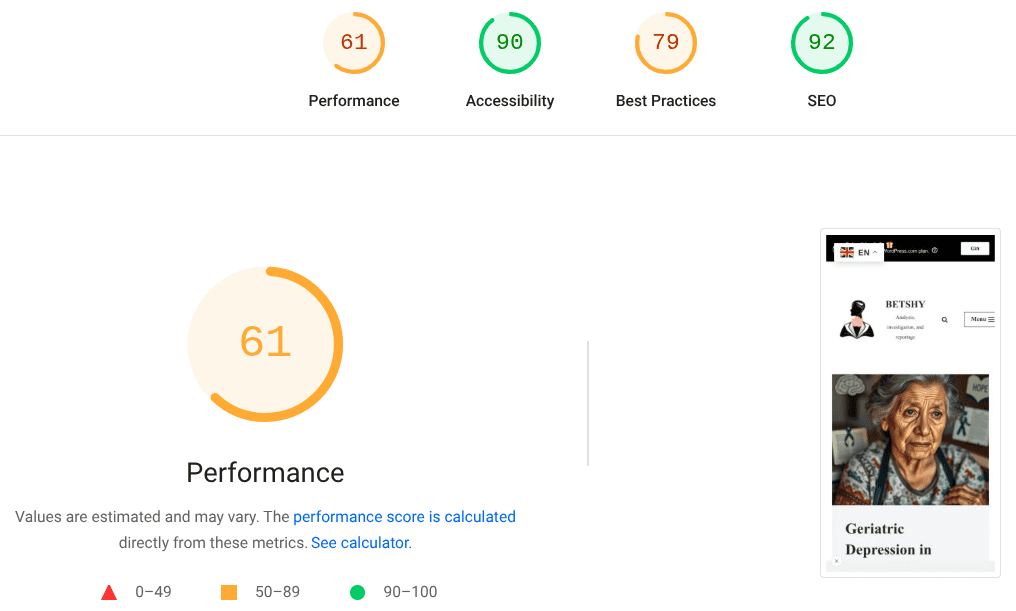
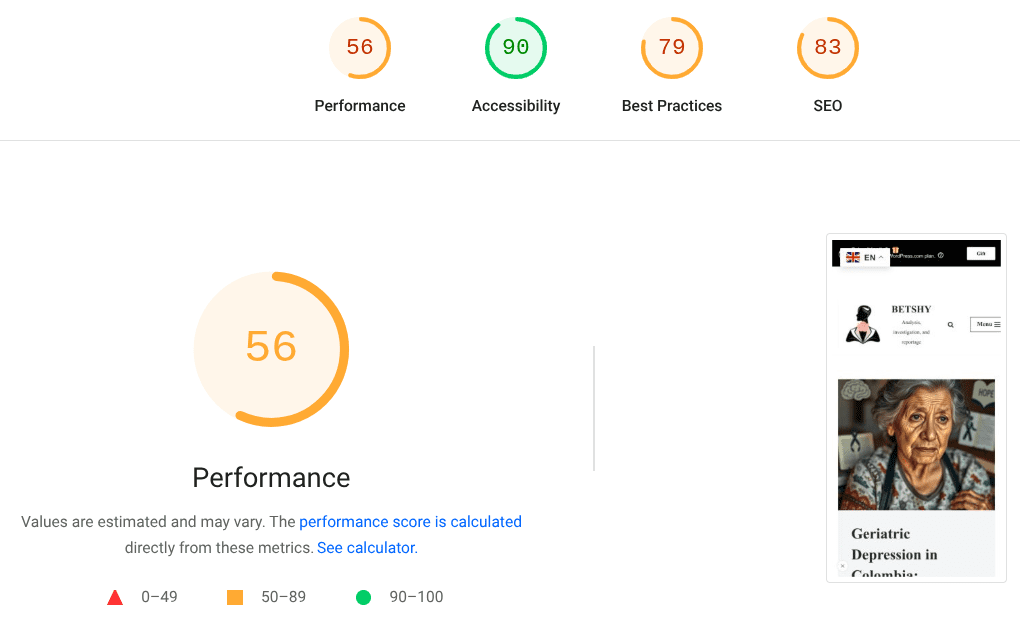
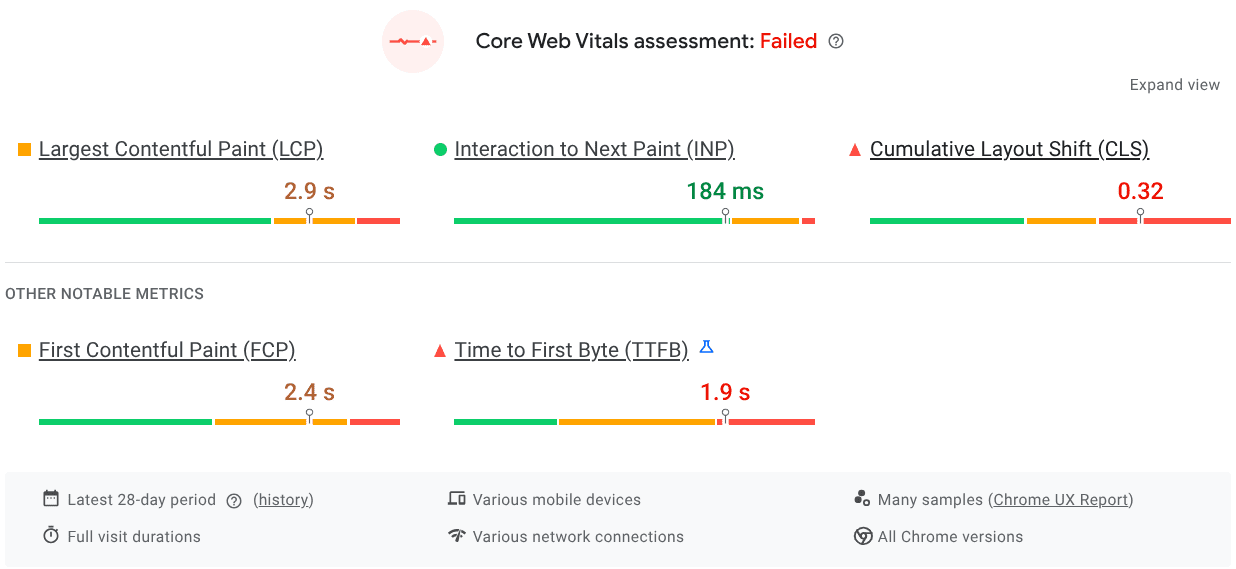
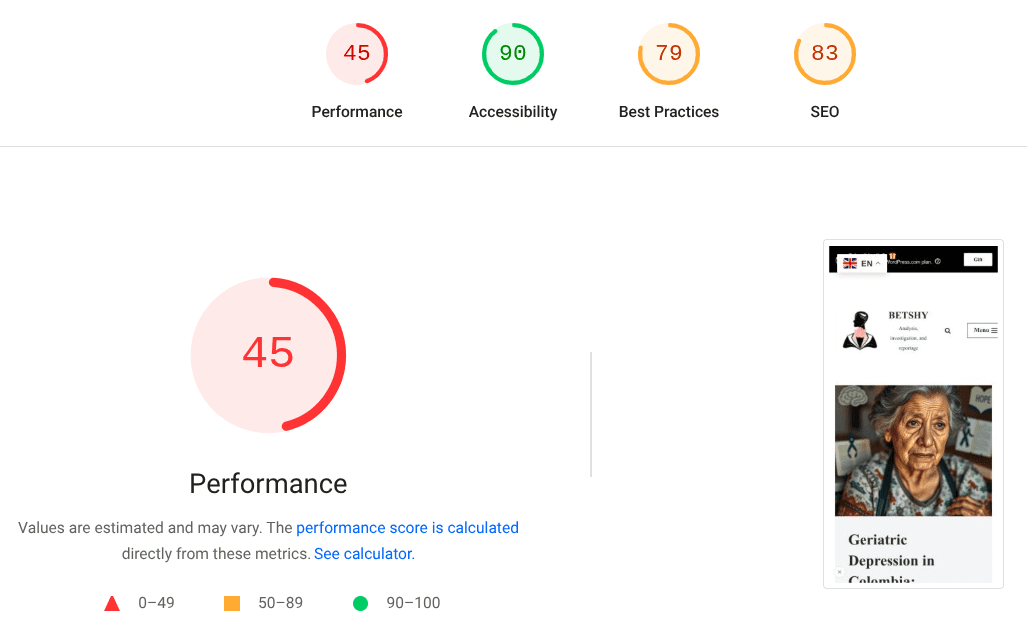
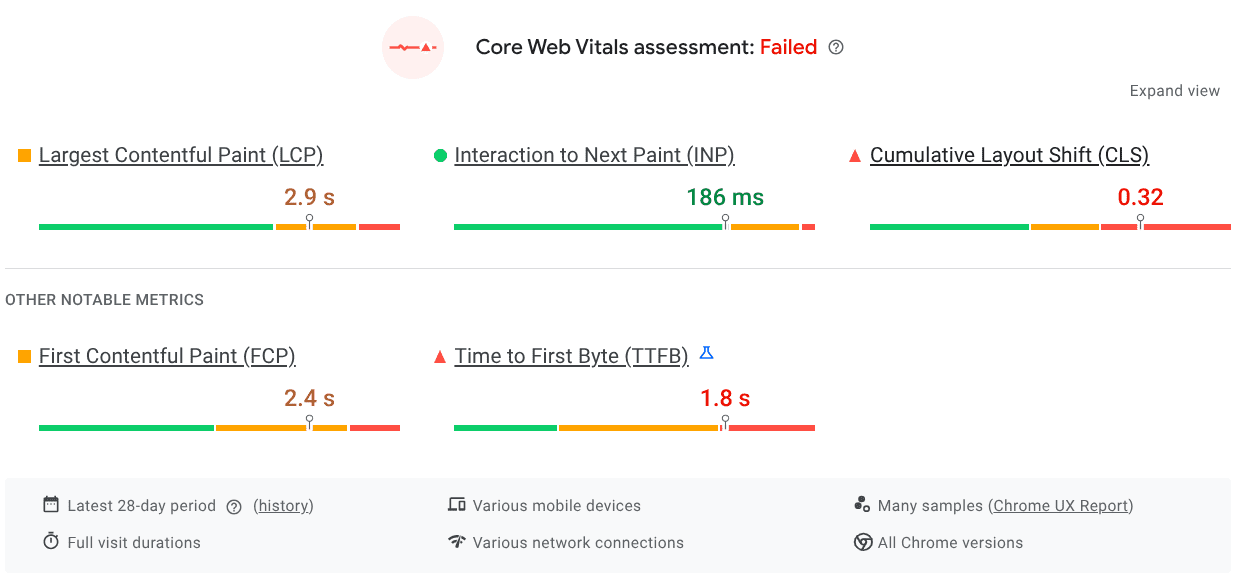
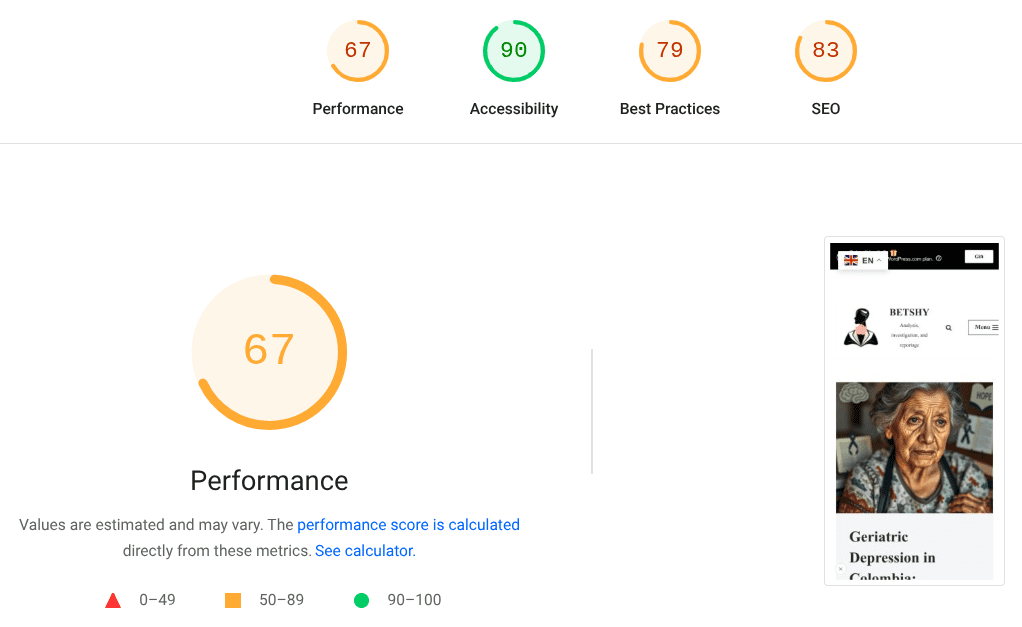
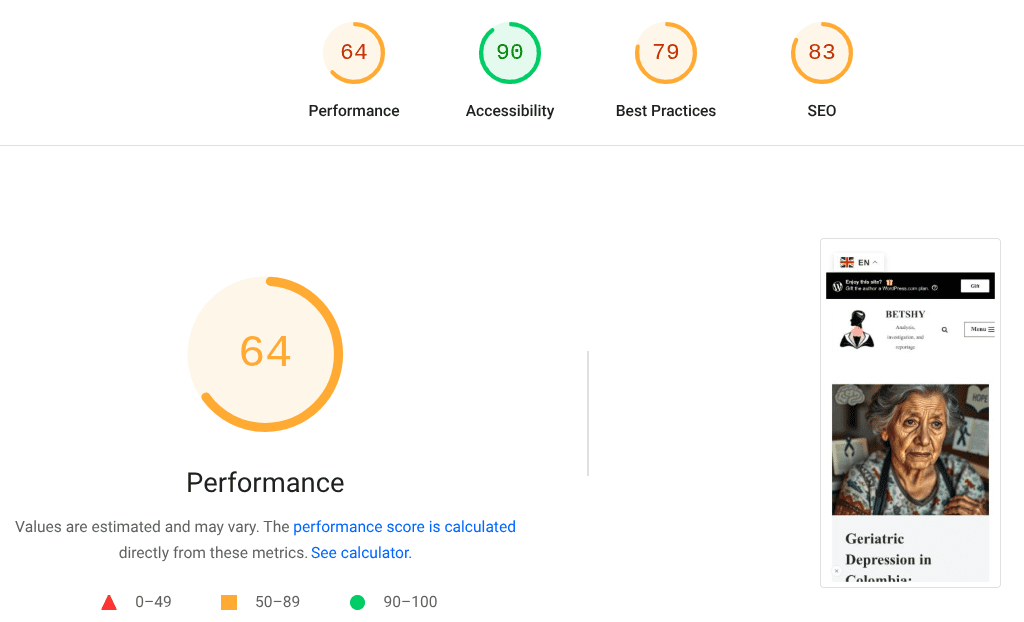
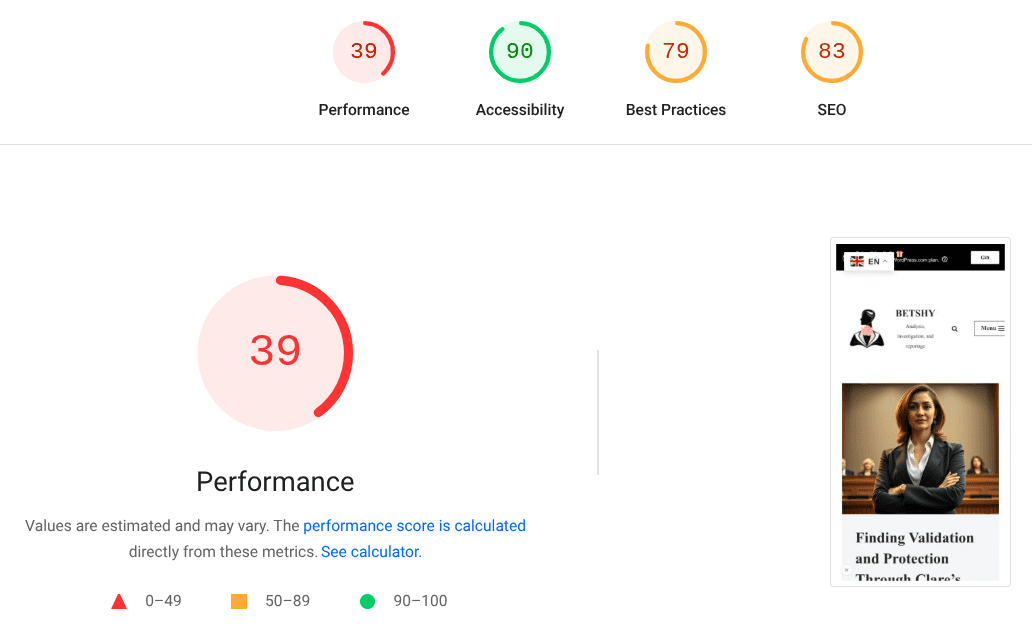
A lot of people think that web optimisation is as simple as downloading a plugin that helps with some bits. Nope! Sometimes UX requires surgery, just like the human body requires it at times. Furthermore, just like humans, sometimes cosmetic surgery is required, and other times a life-saving surgery is warranted.
Advertisements
28th June, 2025
29th June, 2025
30th June, 2025
1st July, 2025
2nd July, 2025
3rd July, 2025
July 4th, 2025
5th July, 2025
6th July, 2025
7th July, 2025
8th July, 2025
9th July, 2025
10th July, 2025
11th July, 2025
12th July, 2025
13th July, 2025
14th July, 2025
15th July, 2025
16th July, 2025
17th July, 2025
18th July, 2025
19th July, 2025
20th July, 2025
21st July, 2025
22nd July, 2025
23rd July, 2025
24th July, 2025
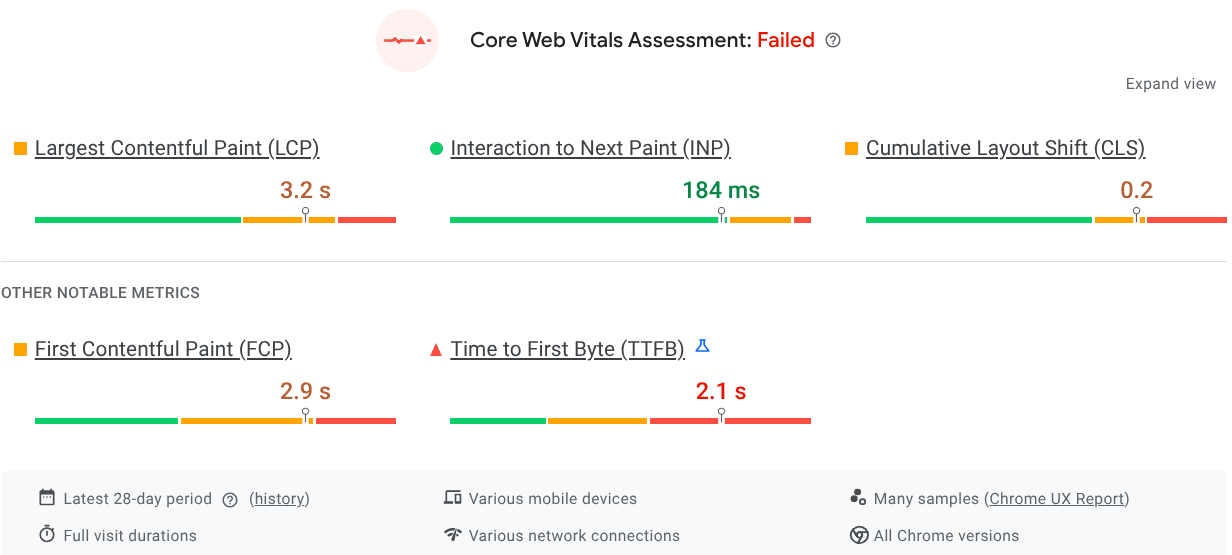
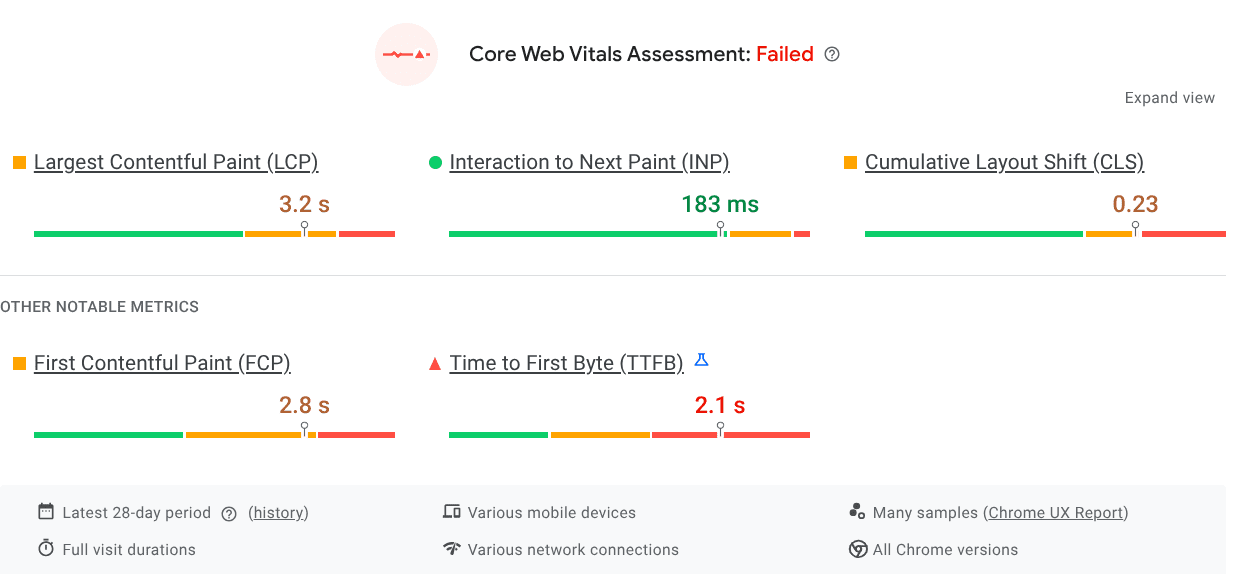
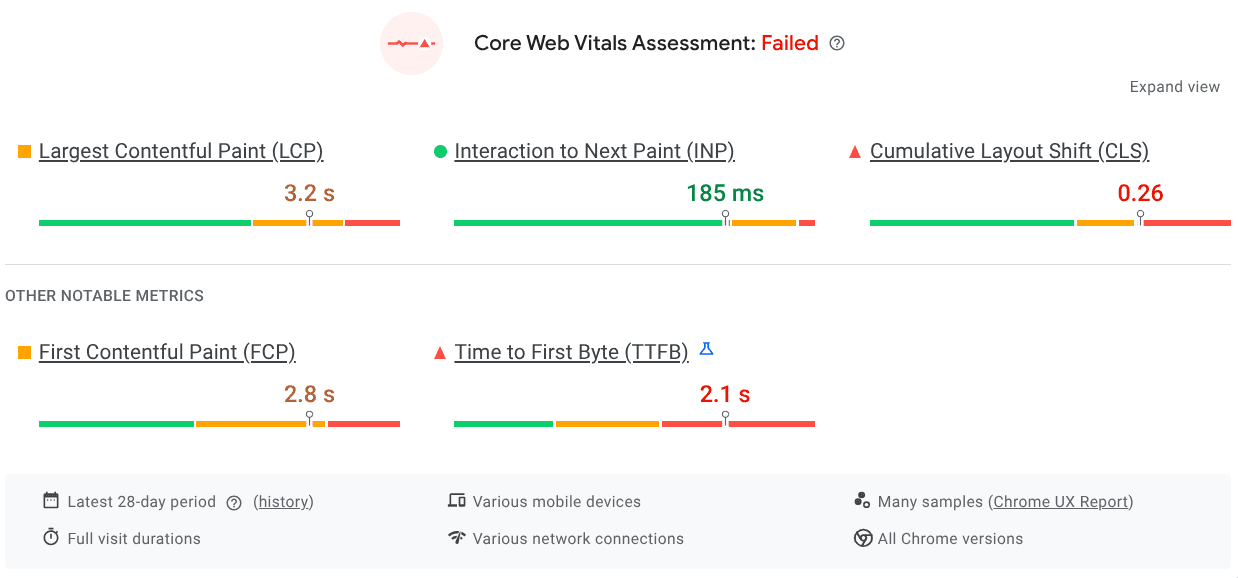
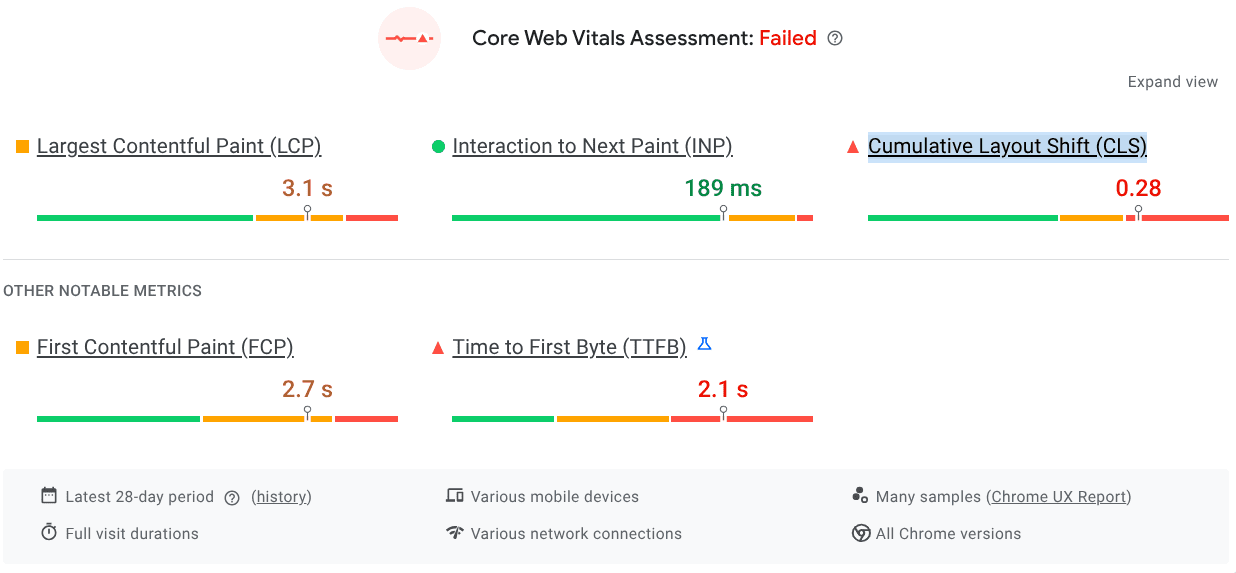
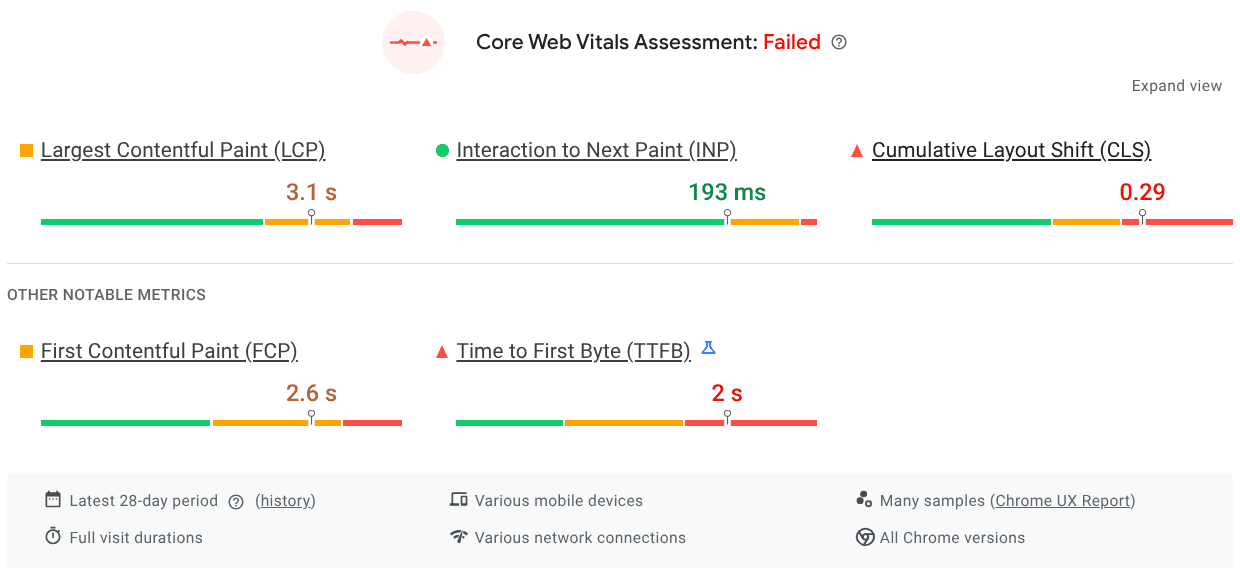
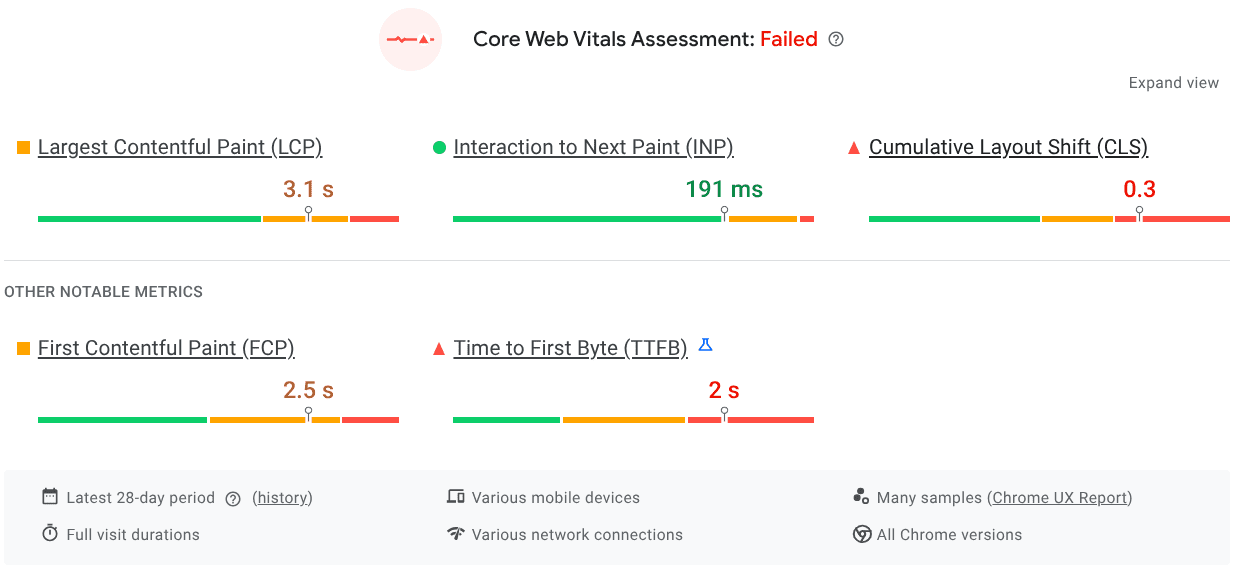
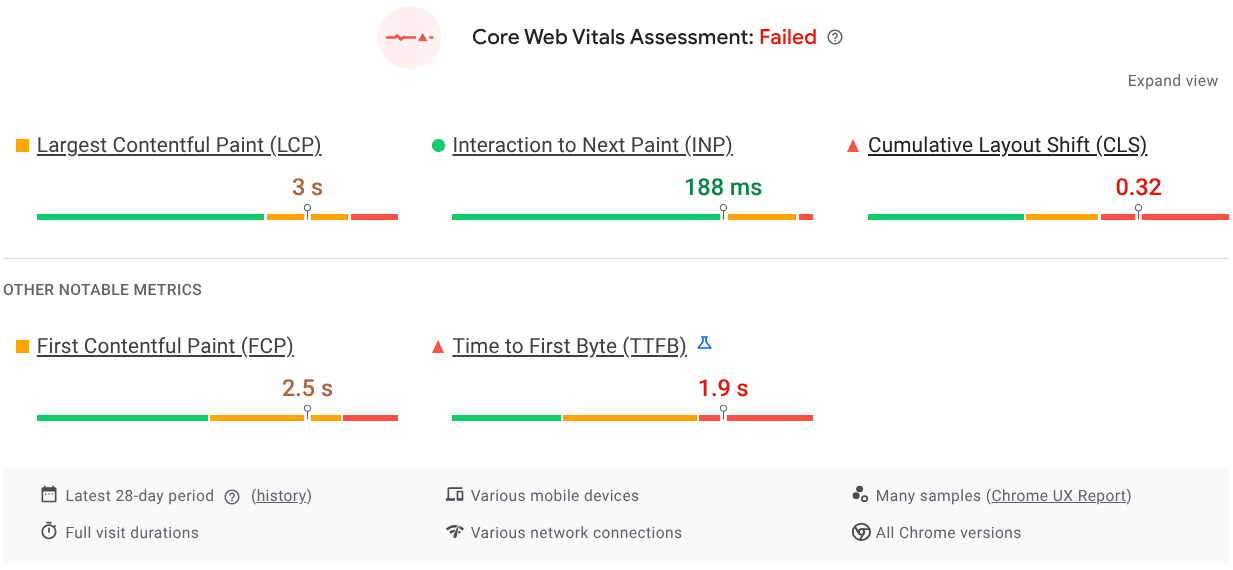
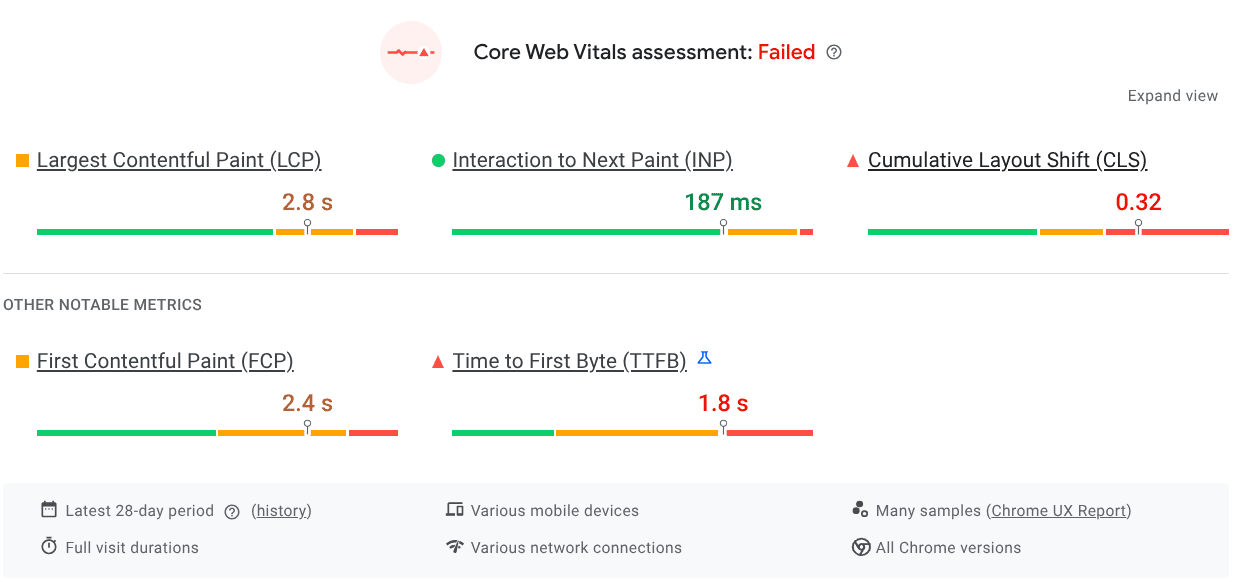
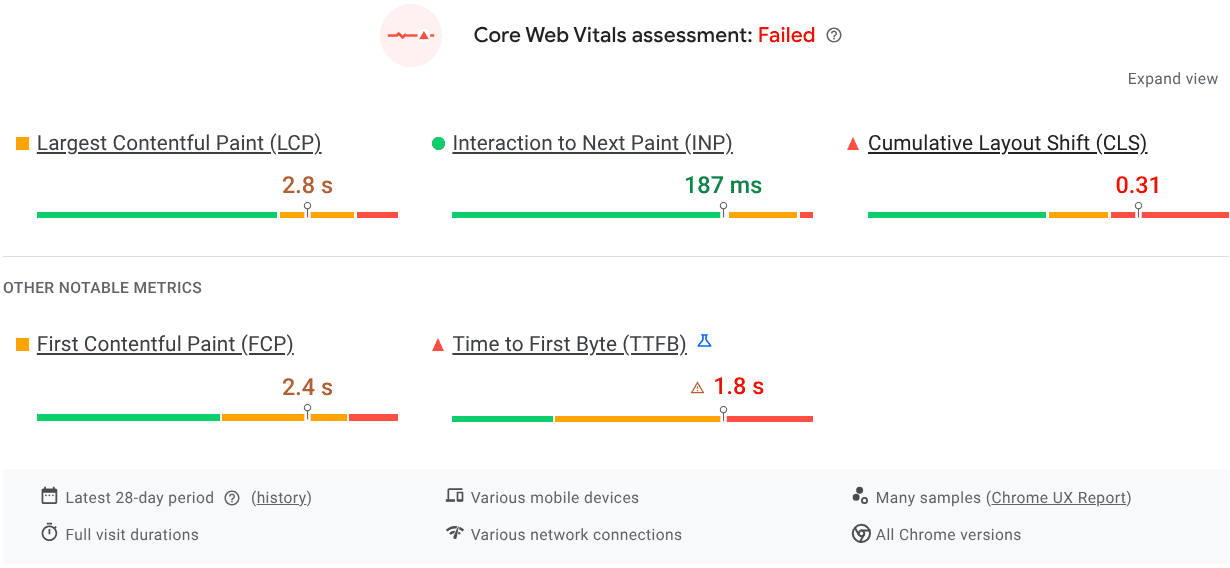
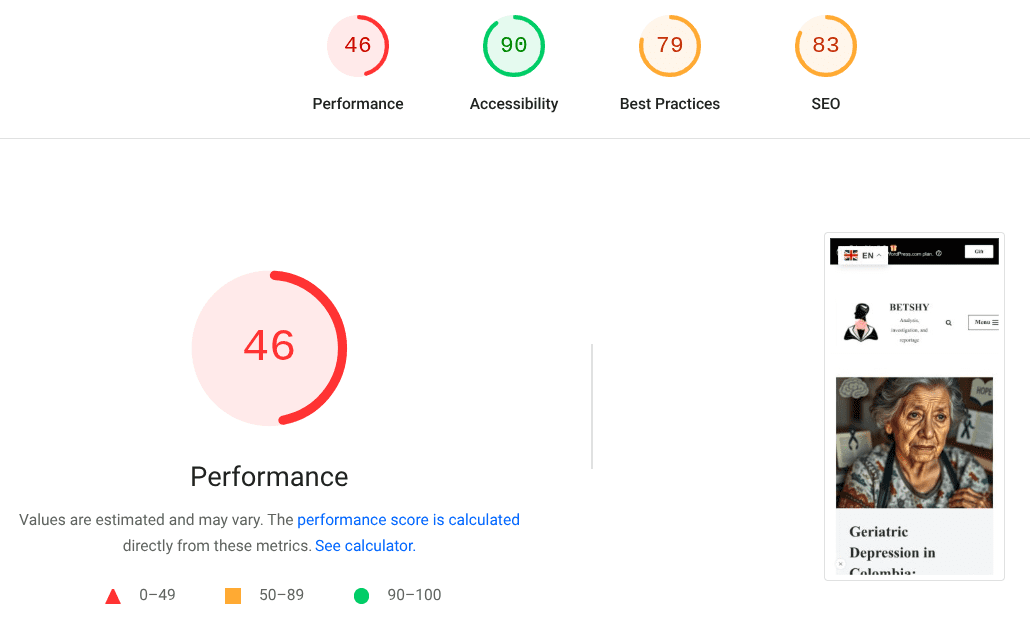
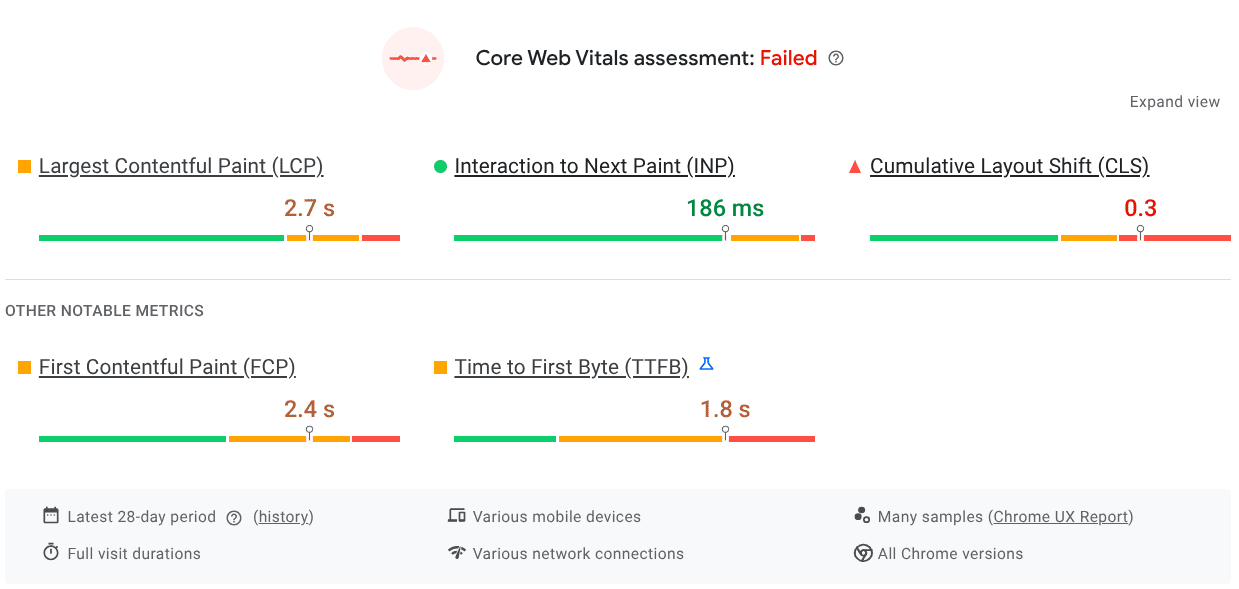
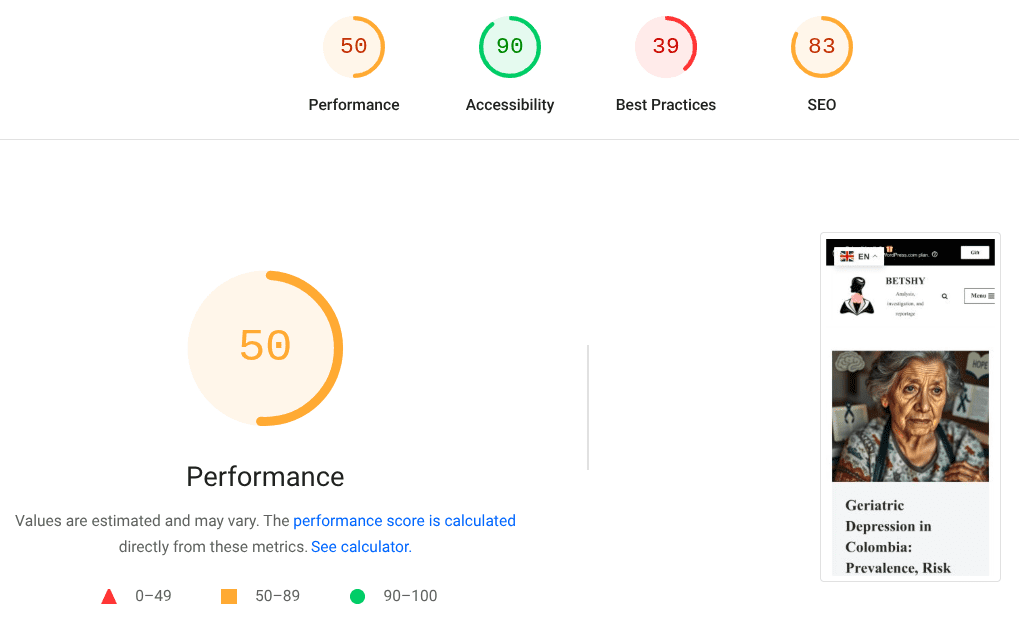
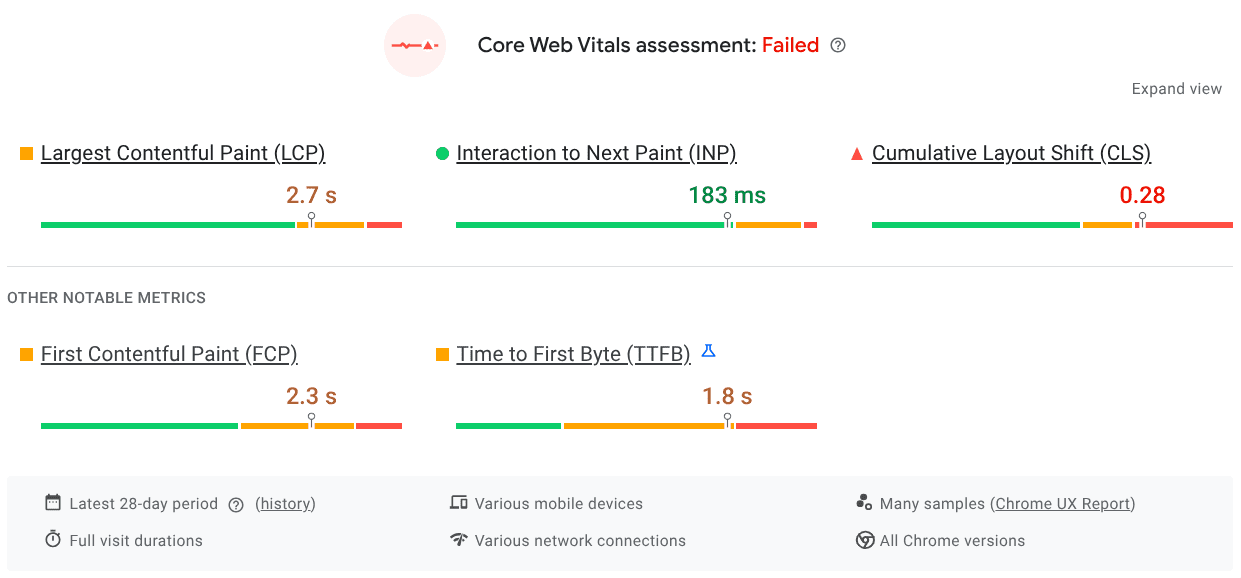
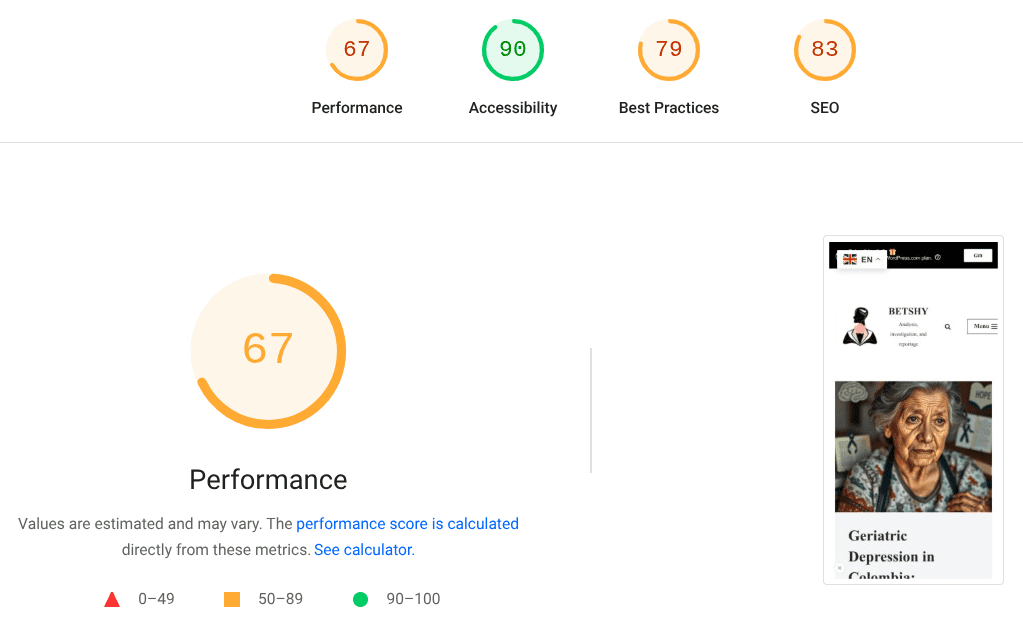
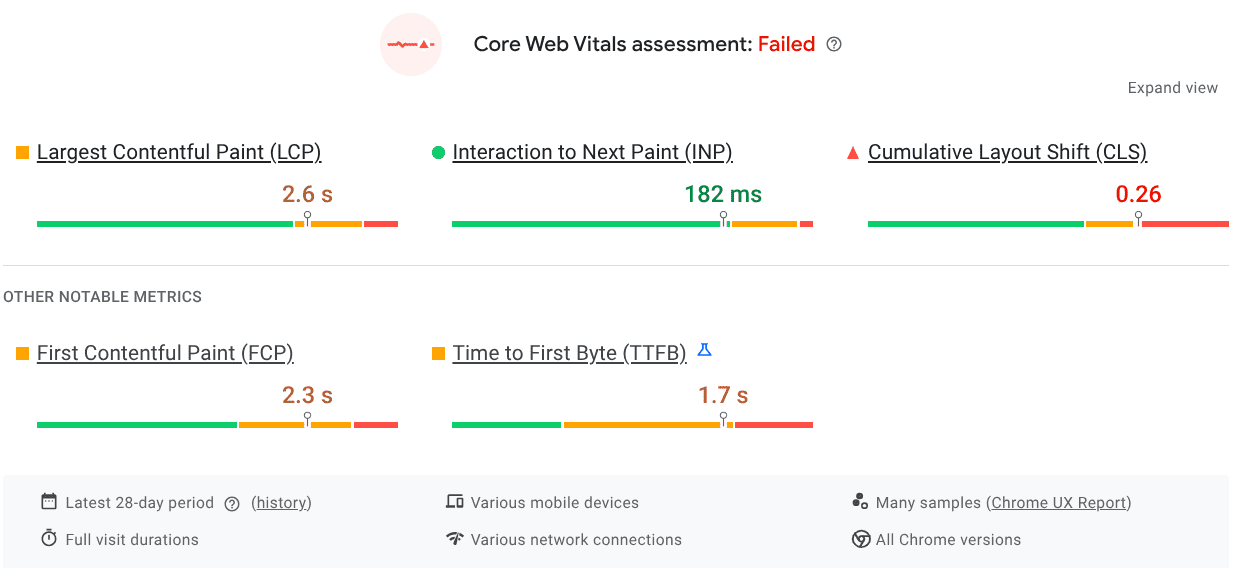
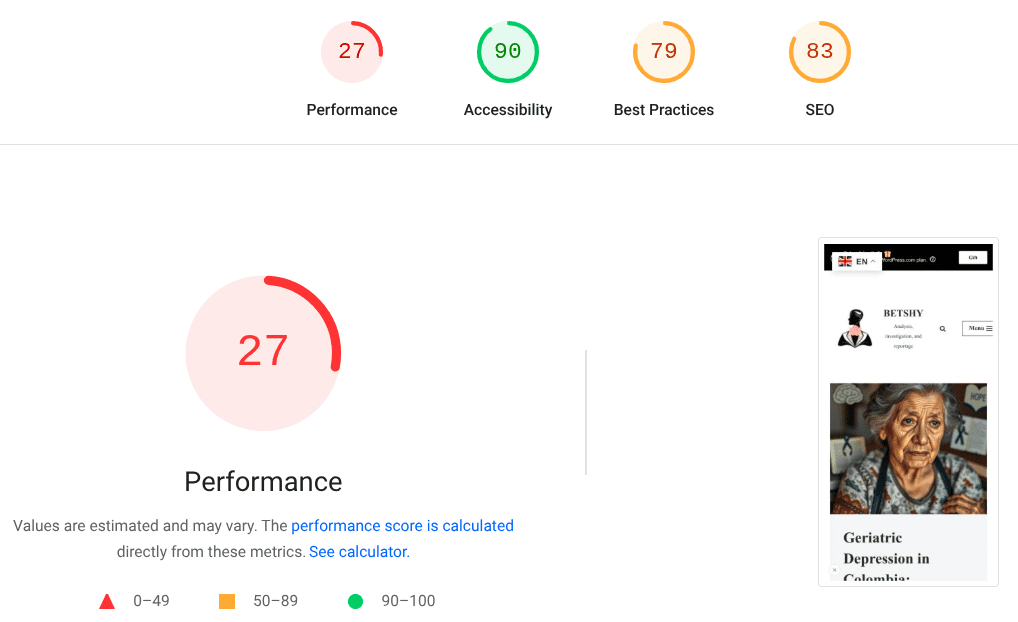
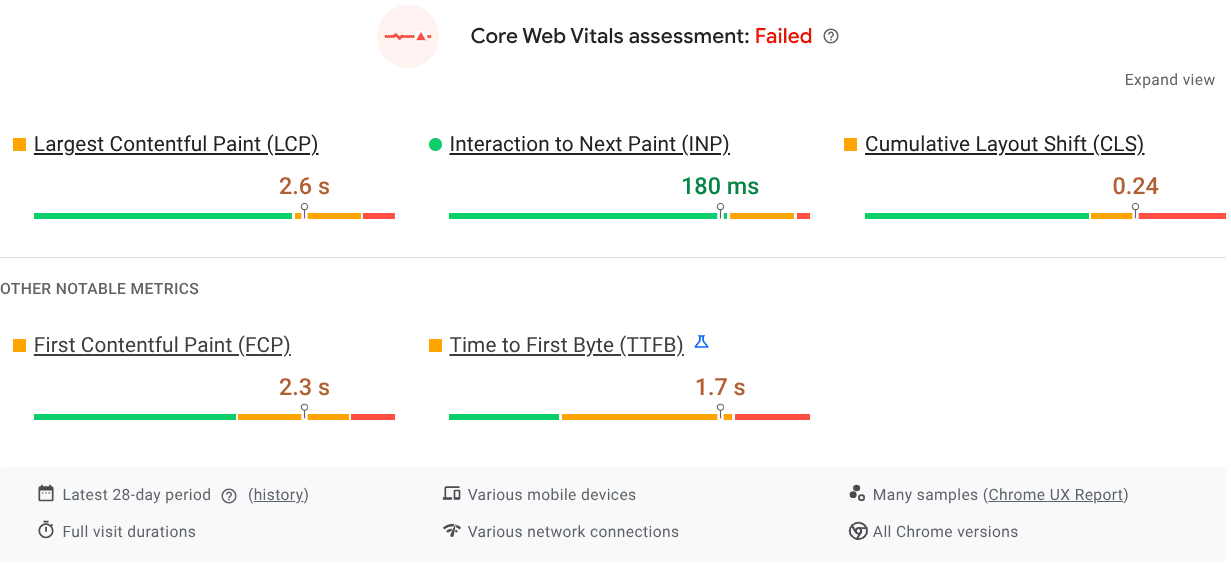
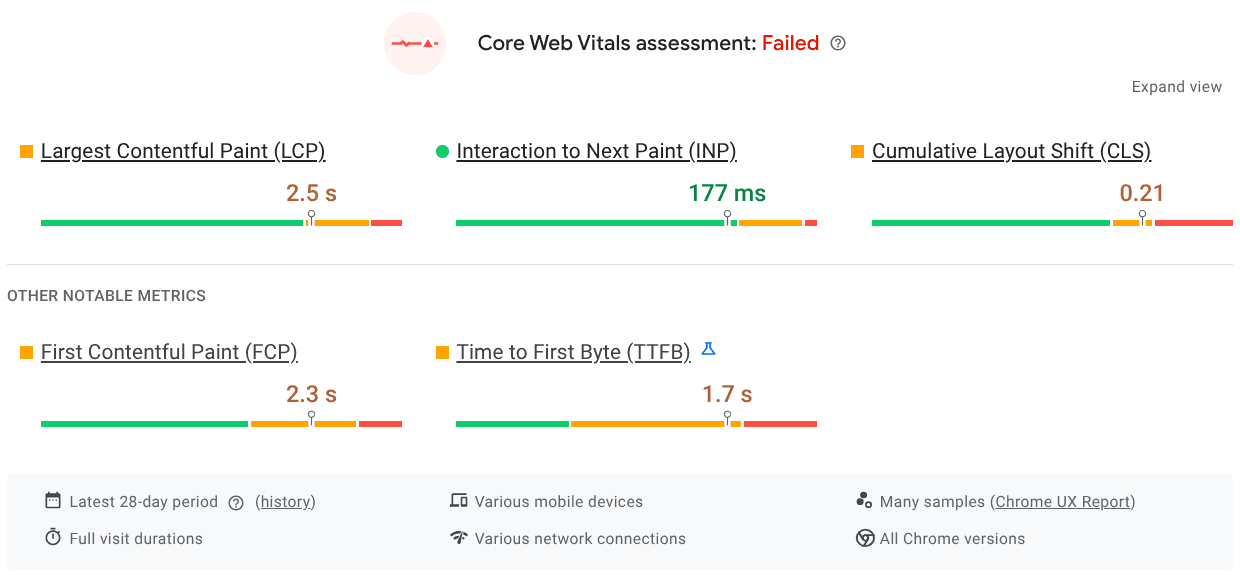
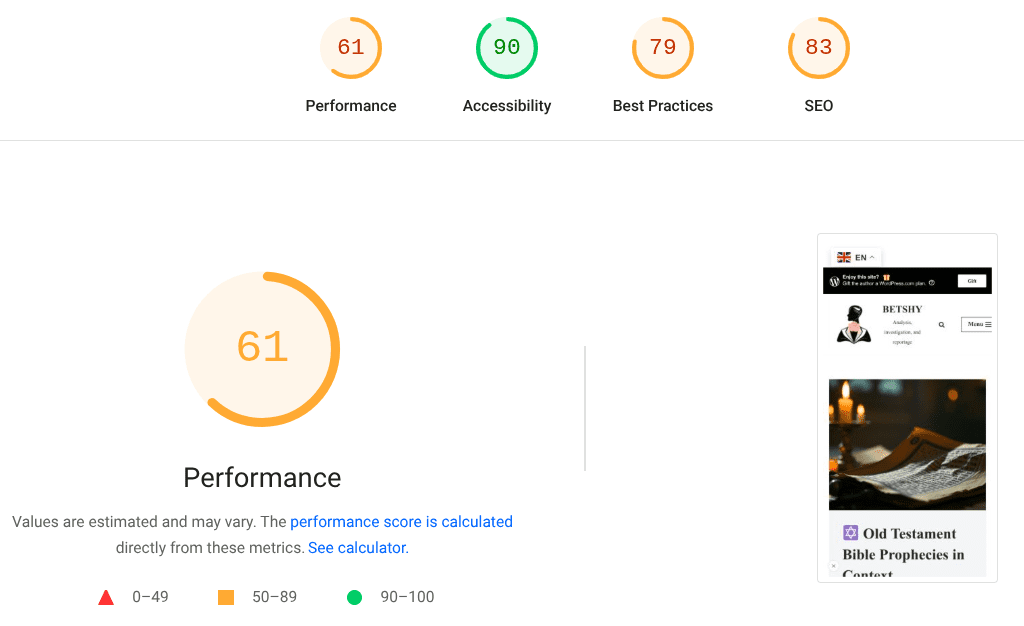
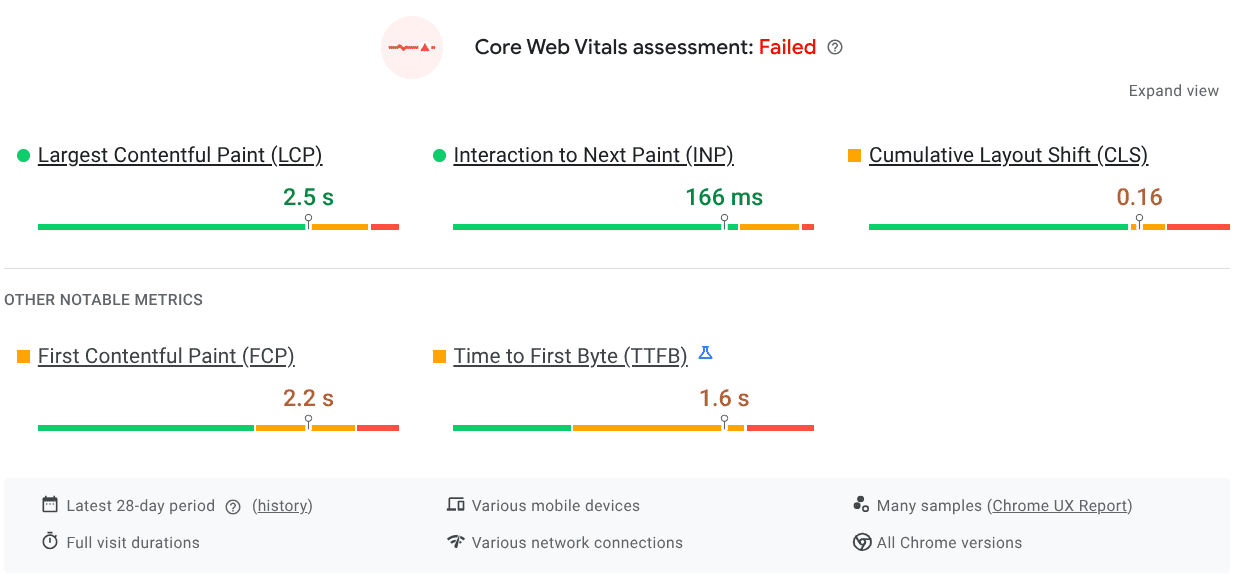
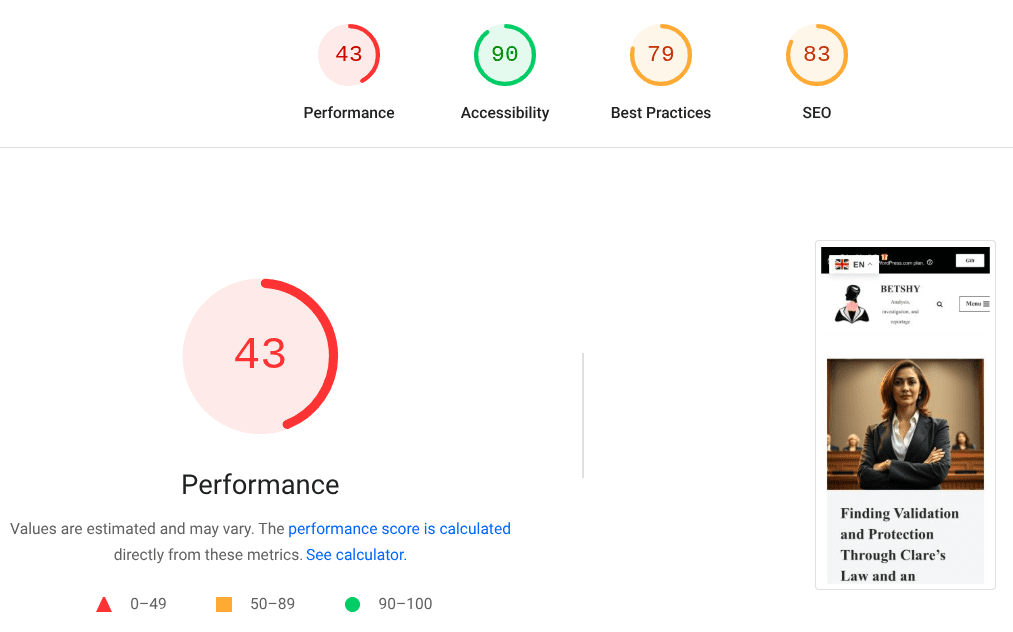
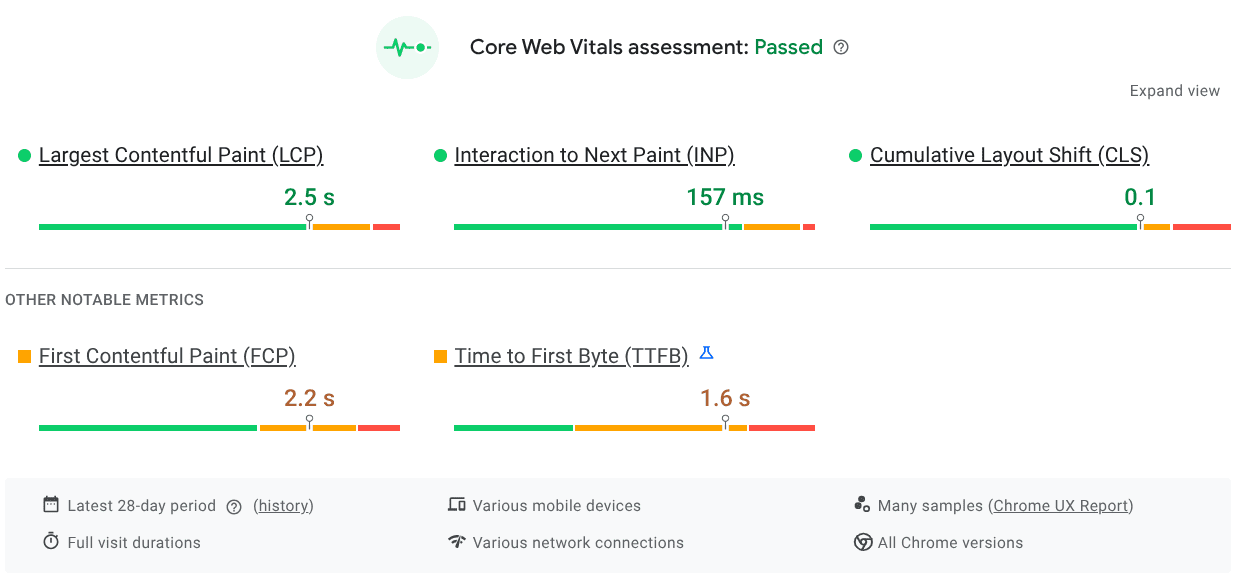
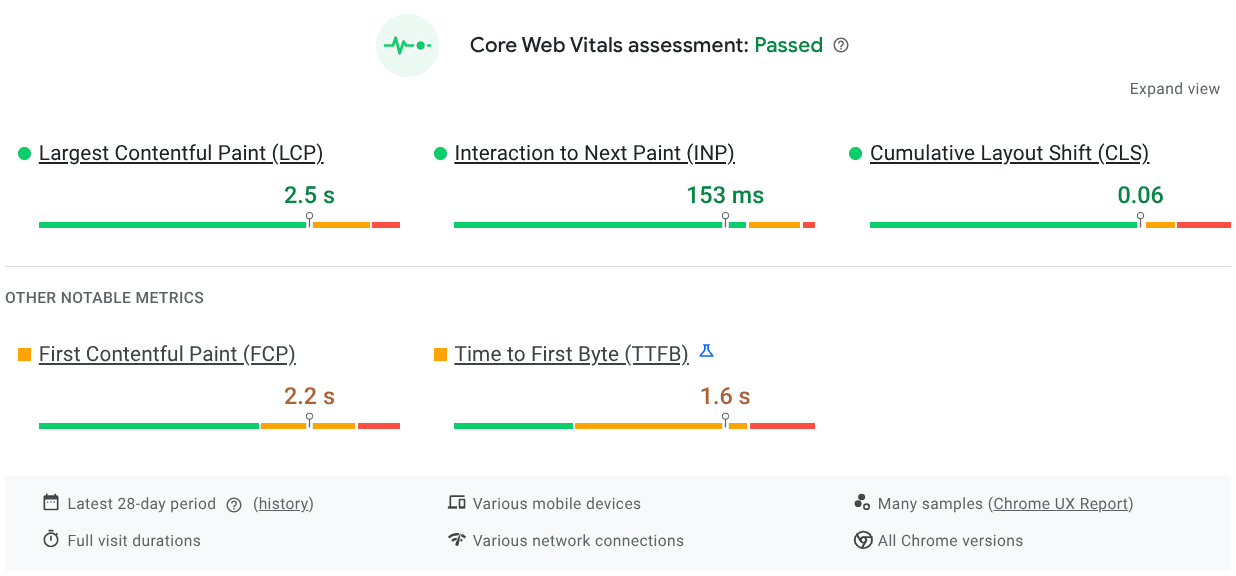
At this point, nearly a month had gone by and the web core vitals continued to show improvement, but yet, continued to fail the test. I did not let this stop me, I persevered. And it was well worth it because the next day, finally…it PASSED!
25th July, 2025
26th July, 2025
27th July, 2025
28th July, 2025
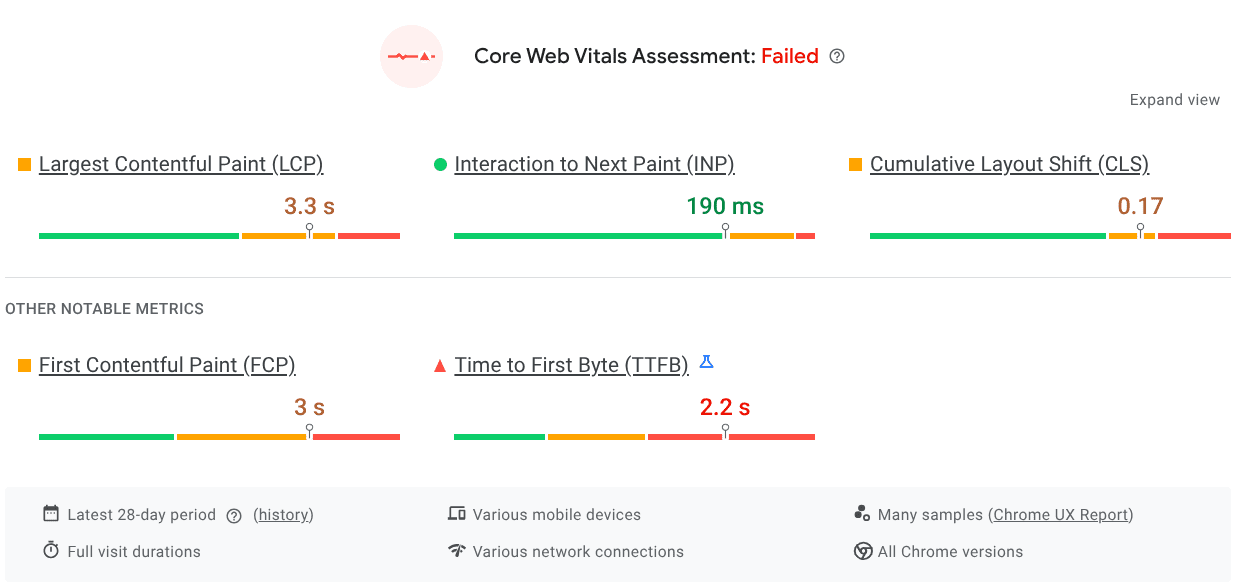
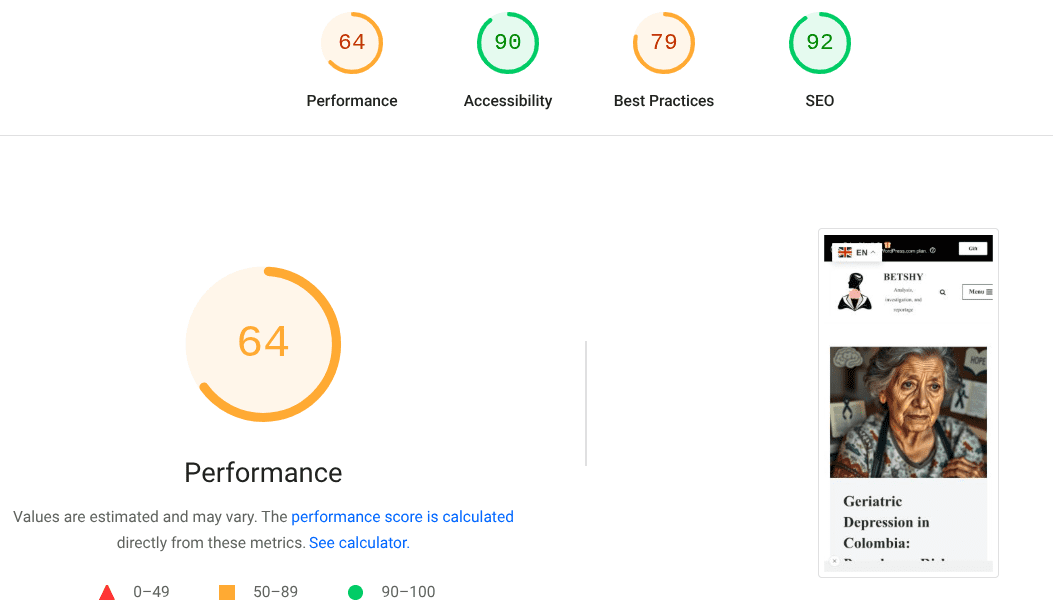
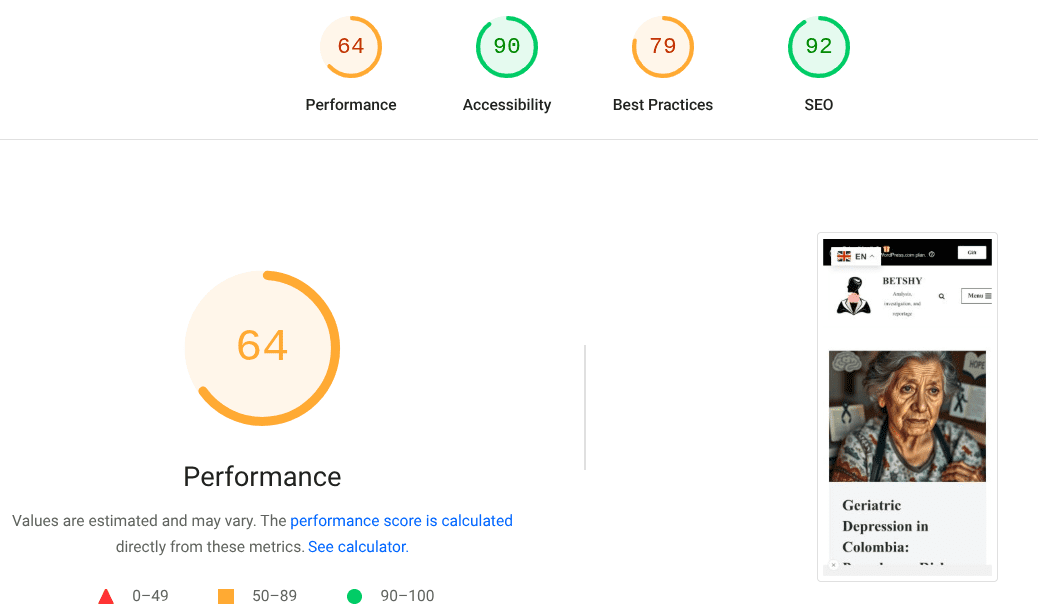
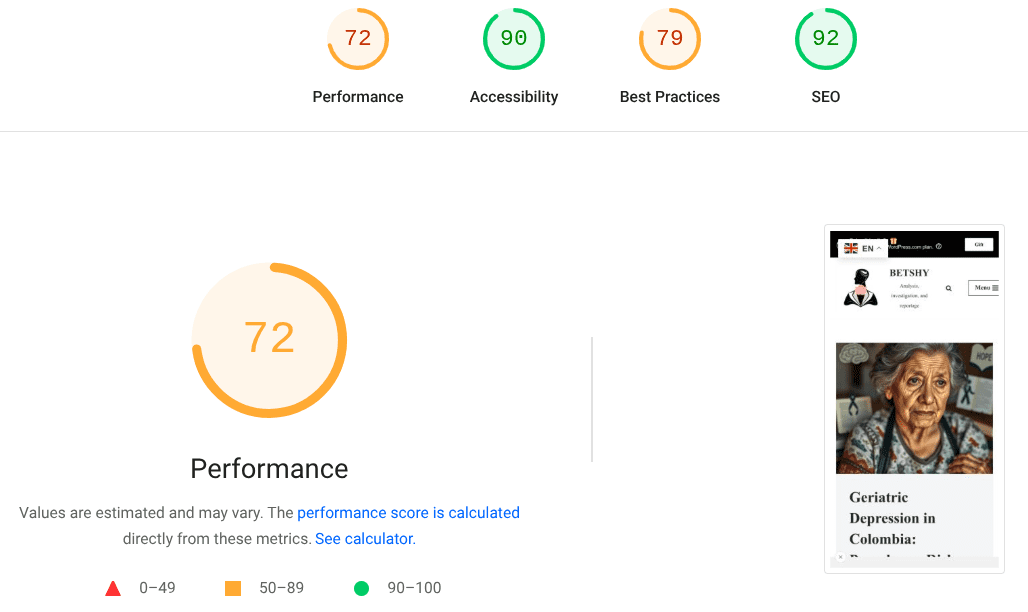
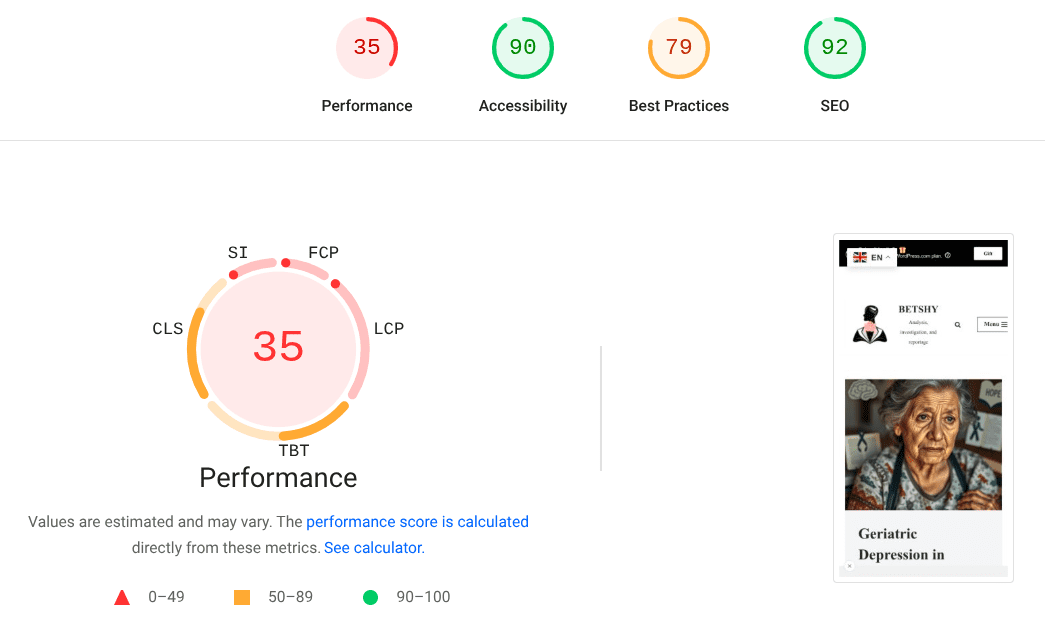
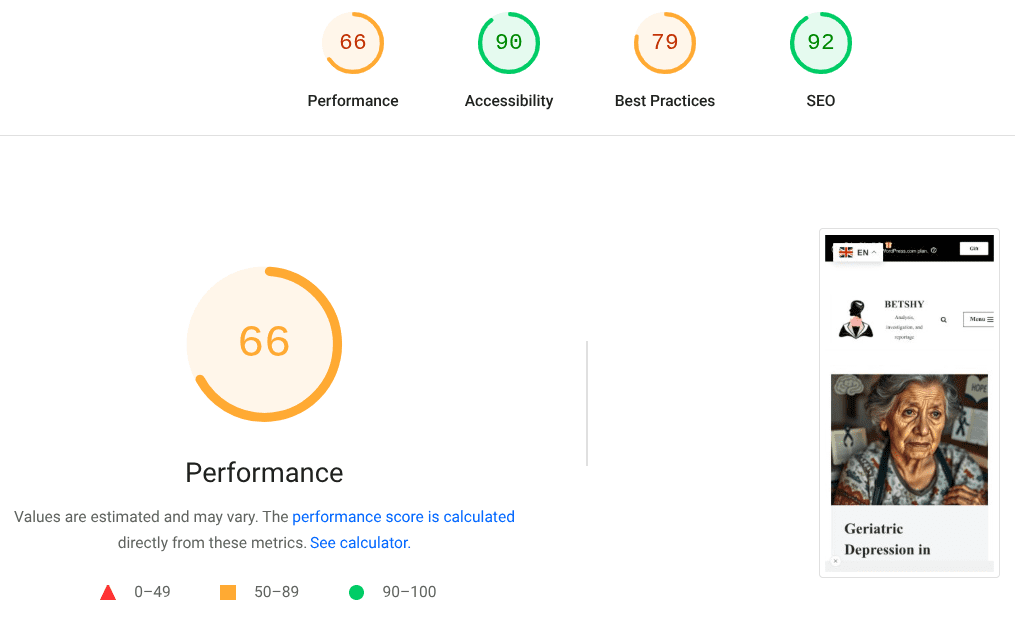
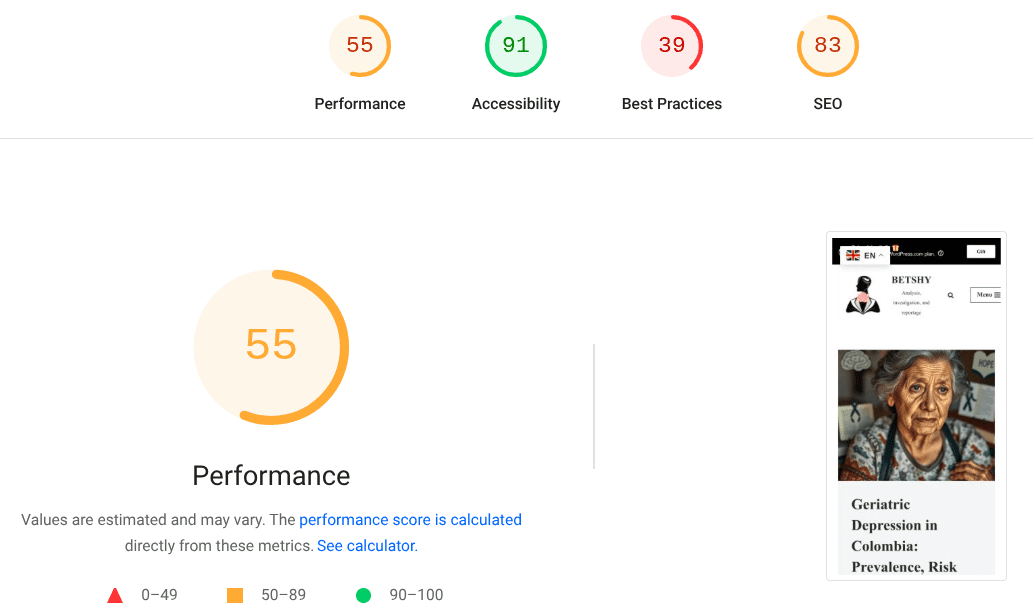
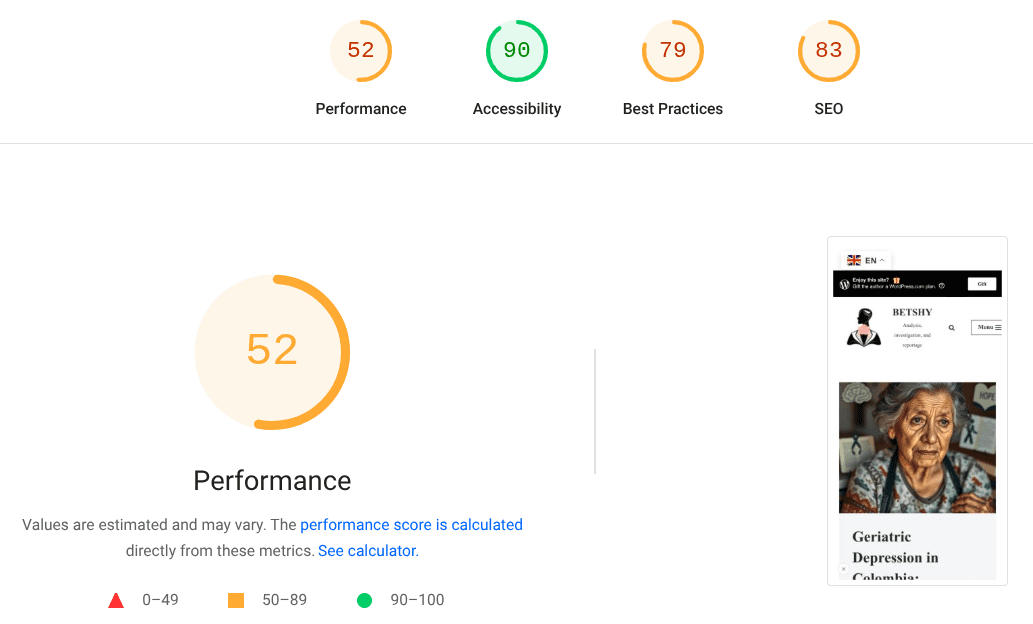
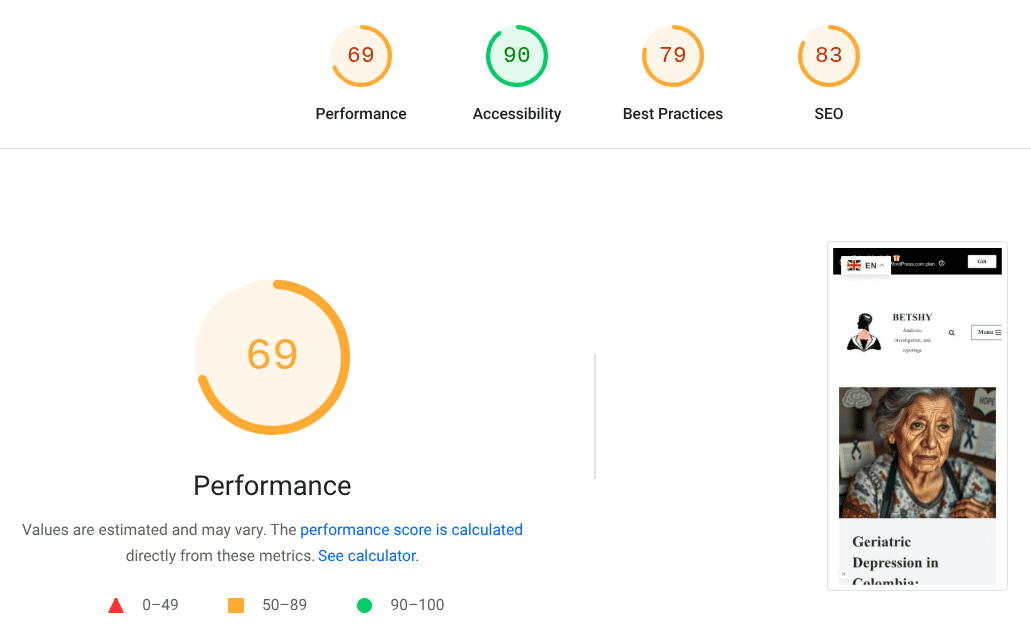
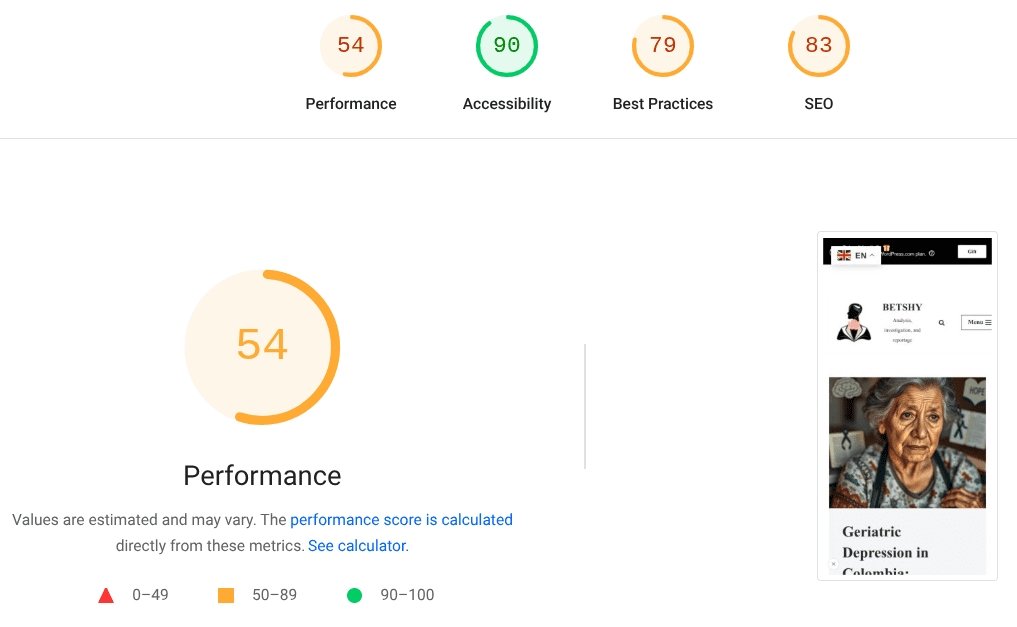
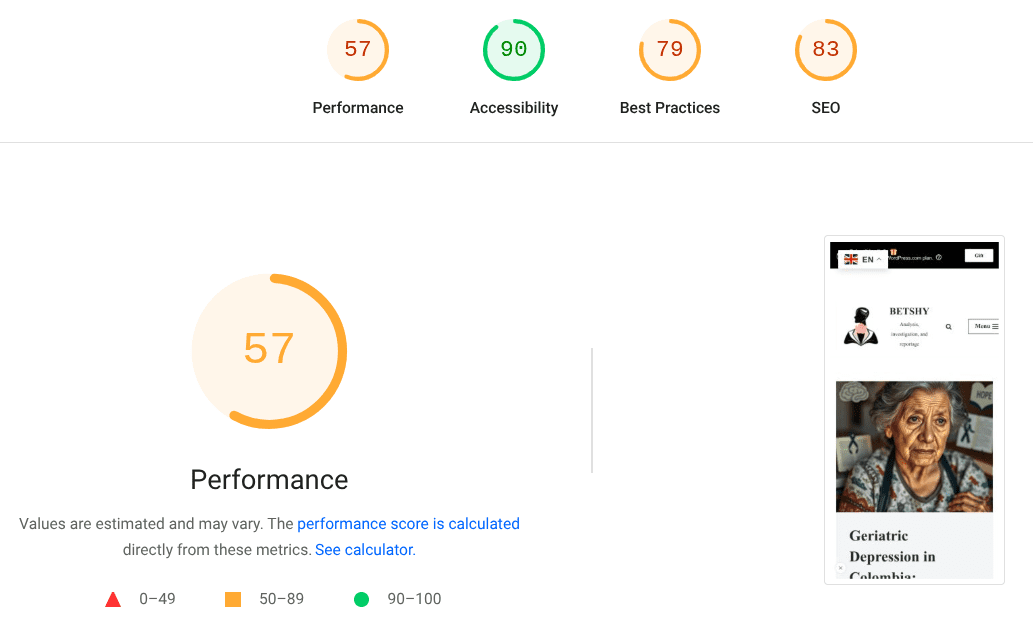
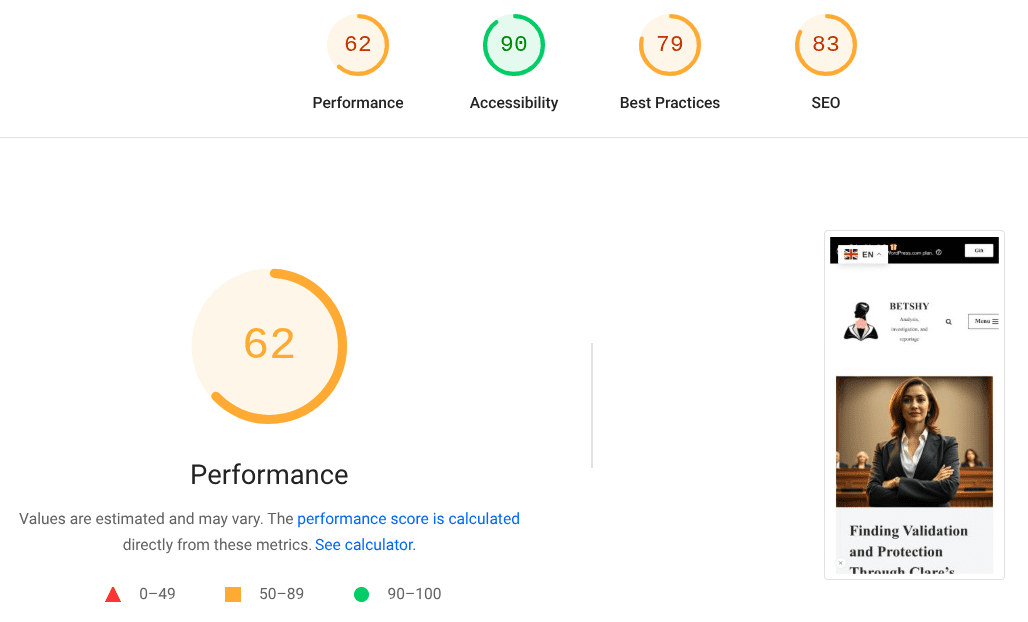
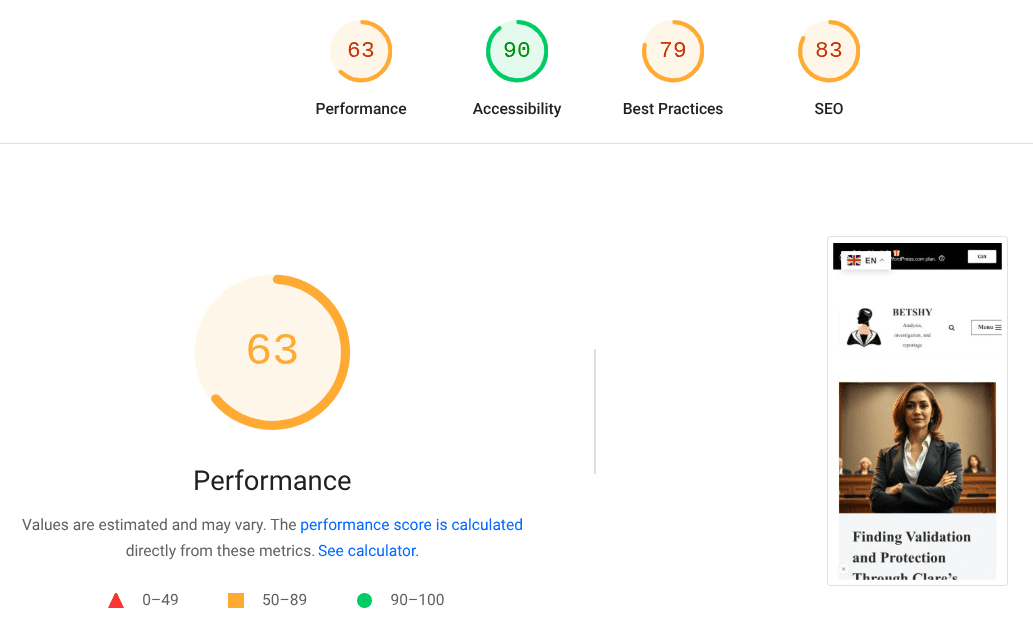
As it can be seen, it took nearly a month of constant optimisation to get my website out of hospital. At this point, my main concern is the immediate performance scores, which were showing low even if the core web vitals text was passed. This predicts that it might get worse, before it gets better, and now I will have to pay close attention to daily performance checks to ensure that the site stays stable.
🙏🏼🧠🌸💕
Thank you for following me on this UX journey. You can follow me on the fediverse, or subscribe to the blog to get more content like this.
Hello, my dear readers! Today I am delighted to present to you an interview with Latina-European, Colombia-Italian Antonella Orlando, a 14 years old girl with a voice and a purpose. I asked her a series of questions on topics related to the social sciences. These were her responses:
Advertisements
How does a father help in the emotional development of his daughter?
A father plays an essential role in his daughter’s emotional development. From the earliest years of life, his loving and constant presence gives her security, love, and confidence. When a father validates his daughter’s emotions, listens without judgement, and supports her at every stage, she learns to recognise and express her feelings freely and without fear.
Furthermore, a father who guides with love and firmness helps his daughter build healthy self-esteem, feel valuable, and set appropriate boundaries. His way of relating to her becomes the primary model of how human relationships should be: with respect, tenderness, honesty, and understanding.
He also teaches her to manage frustration, face problems calmly, and believe in herself even in difficult times. His emotional support accompanies her through important decisions, moments of confusion, and every small step toward independence.
What are the consequences of a father who is absent in difficult moments of his daughter’s life?
When a father is absent during his daughter’s difficult times, she may experience feelings of abandonment, loneliness, and she might feel misunderstood. This emotional absence can cause deep wounds that affect her self-esteem, security, and confidence. The lack of paternal support during difficult times can also lead to difficulties managing emotions, making decisions, or trusting others.
Some daughters may develop emotional dependency or, reversely, become distrustful and excessively independent. In certain cases, the absence of a paternal figure can also be reflected in future emotional relationships, where the pattern of abandonment or lack of affection is recreated. The pain of not feeling supported by such an important figure can leave scars that influence a woman’s personal, emotional, and social life.
How should a father support his daughter?
A father should support his daughter consistently, respectfully, and lovingly. This means being present in her life, not only physically but also emotionally: listening without judgement, validating her feelings, and supporting her through both her successes and her setbacks.
The father must show genuine interest in his daughter’s thoughts and experiences, create a trusting environment where she can speak without fear, and be a figure with whom she feels safe.
He should also educate her with love, guide her with patience, correct her without hurting her, and always remember that his example has a profound impact.
A supportive and respectful father teaches his daughter to love and value herself, and face life with resilience. His role is not only to protect, but also to encourage and help her discover who she is and how valuable she is.
Why do some young girls feel that they cannot disclose everything to their parents?
Many young women feel they can’t tell everything to their parents because they fear being judged, scolded, or misunderstood. Sometimes adults minimise what their daughters feel, calling it an exaggeration or drama, and this creates an emotional barrier. Other times, parents react with anger or without really listening, which causes their daughters to bottle up their problems for fear of the reaction.
It may also be that there isn’t a safe space for open communication at home, or that a relationship of trust (rapport) hasn’t been built. When parents don’t listen attentively, don’t validate emotions, or/and don’t respect silence; daughters learn to keep quiet. That’s why it’s so important for adults to listen without interrupting, ask questions with empathy, and approach them from a place of love, not control.
What are the signs displayed nowadays by teens who are experiencing depression?
Today’s young people show several signs of depression, although they may not always be easy to notice. Some isolate themselves from friends or family, stop enjoying things they used to enjoy, or experience sudden mood swings. They may also sleep too much or too little, overeat or skip eating, and show disinterest in their studies or responsibilities.
Other signs include constant irritability, unexplained tiredness, or expressions of feeling worthless or empty. In more severe cases, they may talk about not wanting to continue living, engage in self-harm, or have recurring negative thoughts.
It is essential that these signs be taken seriously and that they are offered support, understanding, and professional help when necessary.
What will the 2035 general society think like? What will be understood then, that we don’t already know today?
By 2035, society could have a more empathetic and open view of issues that still generate resistance or fear today, such as mental health, identity diversity, climate change, or the impact of technology on human emotions. It’s likely that by then we’ll better understand how to take care of our minds, how to create healthy relationships from a young age, and how to prevent emotional isolation.
Perhaps there will be more emotional education in schools, and well-being will be valued more than quick success. We might also have greater knowledge about how social media affects our self-esteem and how artificial intelligence influences our way of thinking. What is ignored or seen as taboo today could be treated naturally and respectfully in 2035, thanks to social advances and the active voices of today’s young people.
Do you believe that today’s youth will be able to combat climate change in the future?
Yes, today’s young people have a fundamental role to play in the fight against climate change. They are a more aware, informed, and committed generation. Through education, activism, technology, and political participation, they can generate creative solutions and demand change from governments and businesses.
Many young people are already leading environmental movements, promoting recycling, responsible consumption, and the use of clean energy. They also have access to networks and tools that allow them to mobilise and educate others.
Although climate change is a global problem that requires everyone’s collaboration, young people have the power to change mindsets and act now to protect the future of the planet.
What and how could today’s youth teach their parents?
Today’s young people can teach their parents many things, especially on topics such as respect for diversity, mental health, the use of technology, and the importance of expressing emotions. At times, parents grew up in a time when these issues weren’t openly discussed, and young people, with their way of seeing the world, can help them open up and learn.
The youth can do this with patience, respect, and for example: by showing their thoughts through actions, sharing information, engaging in non-confrontational dialogue, and listening.
Teaching isn’t about imposing, but about sharing from the heart. When parents see their children teaching them with love, they are more willing to learn and change. This dual learning relationship strengthens the family and allows them to grow together.
What topics do you believe are the most difficult for adults to comprehend nowadays?
Many adults fail to understand the emotional world of young people. They sometimes believe that anxiety, depression, or insecurity are simple whims or lack of character, when in reality they are serious issues that need attention.
They also struggle to understand the importance of social media in today’s life, or the new forms of expression and identity that are now part of the new youth language. Sometimes, they judge without listening or impose without dialogue.
Another area where they often fail is: respecting young people’s boundaries and privacy.
To improve this understanding, it is key for adults to open themselves to dialogue, listen with empathy, and stay up-to-date on the realities facing the new generations.
What does it mean to respect the youth, in your opinion?
Respecting young people means recognising their value, listening to their ideas without underestimating them, and allowing them to have a voice on issues that affect them. It means to stop treating them as if they “know nothing” and starting to see them as people in development, with rights, emotions, and important thoughts.
It also means not mocking their tastes, not minimising their problems, or comparing them with past generations. Respecting young people means trusting their capacity to act, teaching them without imposing, and accompanying them in their growth with love and patience. When adults respect young people, they feel valued and empowered to build a better world.
What role does today’s youth play in the development of human rights?
Young people play a key role in the development and defence of human rights. They are often the ones who speak out against injustice; defending equality, inclusion, and freedom of expression. Through their actions, protests, digital campaigns, and participation in social movements, they contribute to raising awareness of issues that are sometimes ignored by adults.
Furthermore, by being globally connected, they can learn from other cultures and struggles, strengthening their social awareness. Young people inspire change and are drivers of new ideas that break with past prejudices. They are agents of transformation who, with their energy, creativity, and sensitivity, build a more just society for all.
Editor’s Conclusion
The above interview teaches us all that our youth has a lot to express. They regularly experience the frustration of feeling misunderstood, dismissed, or emotionally abandoned.
They are human beings, with a mind of their own, and with sophisticated curricula which gives them an advantage when it comes to being up to date with important topics.
Furthermore, their brains are quicker, they are naturally adapting to new technologies, and are increasingly concerned about the realities our planet faces, such as climate change.
Parents should be actively involved in the life of their teenagers. They should aim for negotiation rather than imposition or punishment, as new findings in psychology indicate that positive reinforcement is superior to punishment when it comes to helping a young person change their maladaptive or challenging behaviours.
Empathy, patience, and a soft tone of voice should always be used when communicating, so no fear is triggered hormonally. Restrictions should be co-produced rather than enforced without giving the teenager a defence or a right to participate in decision-making.
Let’s all move forward by being better fathers, mothers, grandparents, aunts, and uncles when it comes to our youth. Never underestimate them, or their feelings.
It’s Friday, May 2, 2025, and I’m writing this update with a renewed sense of clarity and strength, despite the ongoing challenges I’ve faced since I last shared my story. The past few days have been a whirlwind—marked by continued harassment, a pivotal disclosure from the police, and a rapid legal intervention that has finally given me the protection I desperately needed. I’m also reflecting on how therapy, which I’d hoped would help us heal, became another platform for his abuse, further solidifying my decision to leave. If my journey can inspire even one woman to seek the support she deserves, then sharing this update is worth every word.
Advertisements
After I ended the relationship on April 30, 2025, following his cruel behaviour in our couple’s therapy chat group, I thought I’d taken the necessary steps to protect myself—blocking him on WhatsApp, social media, and email. But the harassment didn’t stop. His threats continued, pushing me into a spiral of panic attacks so severe that I experienced stupor and catatonia, leading my doctor to prescribe Diazepam to help me cope. I felt trapped, my mental health deteriorating under the weight of his relentless intimidation. That’s when the Plymouth Domestic Abuse Service (PDAS) stepped in, referring me to apply for an emergency injunction to stop him from contacting or harming me. They connected me with the National Centre for Domestic Violence (NCDV), a free service that specializes in fast-tracking injunctions for survivors like me.
The NCDV was a lifeline. On the evening of May 1, 2025, at 10:25 PM BST, I called their 24/7 helpline (0800 970 2070), my hands trembling as I explained the threats, the harassment, and the toll it was taking on my health. They guided me through the application for a Non-Molestation Order, a legal protection under the Family Law Act 1996 that would prohibit him from contacting or harassing me. The process was swift—despite it being after court hours, they prepared my application that night, ensuring it would be reviewed by a judge first thing the next morning, May 2, 2025. True to their reputation, the NCDV secured the order by midday today. It was served to him this afternoon, meaning it’s now in effect, and any breach—any attempt to contact or threaten me—is a criminal offense. The speed and compassion of the NCDV gave me a sense of safety I hadn’t felt in months, a concrete step toward reclaiming my peace.
Another turning point came yesterday, May 1, 2025, when I met with the Devon & Cornwall Police for an update. They made a Clare’s Law disclosure, also known as the Domestic Violence Disclosure Scheme, which allows individuals to request information about a partner’s history of abuse. I can’t share the specifics of his records due to legal restrictions, but I can say this: the disclosure confirmed everything I’d been perceiving about his behaviour. It liberated me from the self-doubt that had plagued me for months. He’d called me “overdramatic,” “hostile,” even a “deluded psychotic nutcase” in our therapy chat, gaslighting me into questioning my reality, especially as someone with schizophrenia. But the Clare’s Law disclosure validated my experience—it showed me I wasn’t crazy, I wasn’t imagining things, and most painfully, I wasn’t the first victim. Knowing his abusive behavior was part of a pattern, not a personal failing on my part, gave me the clarity to fully let go of any lingering guilt or hope for change. I hope I’m the last victim, but more importantly, I urge any woman who suspects her partner is abusive to request a Clare’s Law disclosure. It could be the validation you need to break free, just as it was for me.
Therapy, which I’d hoped would be a path to healing, ultimately failed because of his constant emotional abuse. We started couple’s therapy with a therapist named Stephanie, hoping to address his coercive behaviors—like the 5/2 cycle of ghosting, his threats, and gaslighting—but it became another arena for him to hurt me. On April 29, 2025, in our therapy chat group, he attacked my vulnerabilities, calling me “disgusting” for showering only 2-3 times a week during the winter due to my depression, a symptom of my schizophrenia, and labelling me a “deluded psychotic nutcase.” That was the moment I knew therapy couldn’t work—not because I didn’t try, but because he refused to change. His abuse in a space meant for healing confirmed what Jewish Women’s Aid (JWA) had warned me about: he was unlikely to change, and staying engaged with him, even in therapy, was unsafe. I ended the sessions that day, choosing to focus on my own healing instead.
The Clare’s Law disclosure and the Non-Molestation Order have given me a foundation to rebuild. The traumas are still there—the fear, the shame, the violation of sacred spaces like our shared love for Jewish Studies—but I’m no longer questioning my reality. I’m working with the First Response team in Plymouth, who’ve been a lifeline during this ordeal, and JWA, who continue to offer culturally sensitive support. I’m also exploring resources like the Freedom Programme online, which helps survivors understand abusive behaviors and their impact. My journey isn’t over, but with the NCDV’s swift action, the police’s validation through Clare’s Law, and my decision to walk away from a failed therapy attempt, I’m finally on a path to healing. To anyone reading this: you deserve safety, validation, and peace—don’t wait to seek the support that can help you find it.
Throughout history, Jewish people have preserved their beliefs and traditions, passing them down from generation to generation, ensuring that each new group remains connected to their rich cultural heritage. One of the most fascinating aspects of Jewish faith is the belief in prophecies – predictions made by prophets that are said to be messages from God, often guiding the community in times of uncertainty and offering hope for the future.
Advertisements
These prophecies, which encompass a wide range of themes from the coming of the Messiah to the eventual restoration of Israel, have profoundly influenced not only Jewish life but also the beliefs and practices of other faiths. Additionally, the interpretation of these prophecies has led to a diverse array of theological discussions and scholarly debates within the Jewish community, illuminating the dynamic and evolving nature of their spiritual beliefs through the ages.
The Old Testament is filled with prophecies that some alleged were fulfilled throughout history. These prophetic verses foretold everything from the arrival of a saviour to the destruction of cities. For the Jewish people, these prophecies held immense significance as they looked towards a future of redemption and salvation.
🕎 Isaiah
🕯️ Isaiah 7:14 – “Assuredly, my Sovereign will give you a sign nonetheless! Look, the young woman is with child and about to give birth to a son. Let her name him Immanuel”.
✍️ Commentary: Messianic Jews and Christians posit that the prophecy of the virgin birth of the Messiah was fulfilled in Jesus’ birth to Mary. However, it must be stated that some Bible translations have gone as far as including the word “virgin” in this passage. This was made as an attempt to make the story of Jesus seem perfectly fit for this prophecy. Still, Jesus’ name was actually Yeshua (ישוע), not immanuel. Nevertheless, the Talmud of Jmmanuel shows a more similar record.
🕯️Isaiah 9:6 – “For a child has been born to us. A son has been given us. And authority has settled on his shoulders. He has been named The Mighty God is planning grace; The Eternal Father, a peaceable ruler”.
✍️ Commentary: Once again, this verse is often used to justify the birth of Yeshua as the Messiah. But when we look at his name, the meaning is different. Also, different translations of the Bible have adapted this passage to confirm their theories of the holiness of Jesus’ story.
🕯️Isaiah 11:10 – “In that day, the stock of Jesse that has remained standing shall become a standard to peoples—Nations shall seek his counsel and his abode shall be honoured”.
✍️ Commentary: Once again, Christians and Messianic Jews have posited that this prophecy refers to Jesus (Yeshua); however, it might actually refer to King David, the son of Jesse. Of course, many will point to the idea that Joseph (Jesus’ father) came from the lineage of King David. It is imperative to assert that Joseph was his putative, not biological father; therefore, Jesus was not a true descendant of King David.
🕯️Isaiah 40:3 – “A voice rings out: ‘Clear in the desert a road for GOD! Level in the wilderness a highway for our God!Let every valley be raised, every hill and mount made low. Let the rugged ground become level and the ridges become a plain. The Presence of GOD shall appear, and all flesh, as one, shall behold— For GOD has spoken’”.
✍️ Commentary: Of course, Christians and Messianic Jews claim that this verse referred specifically to John the Baptist preparing the way for Yeshua. This belief is compounded by the Gospel of Matthew (3:3) where a direct link is made to Isaiah’s statement. Yet, when we add some context, the chapter does not seem to focus on a specific human being. It seems like the message is addressed to all nations, and specifically speaks of God, not anyone else.
🕯️Isaiah53: 3-10 – “He was despised, shunned by others, a man of suffering, familiar with disease. As one who hid his face from us, he was despised, we held him of no account. Yet it was our sickness that he was bearing, our suffering that he endured. We accounted him plagued, smitten and afflicted by God; but he was wounded because of our sins, crushed because of our iniquities. He bore the chastisement that made us whole, and by his bruises we were healed. We all went astray like sheep, each of us going our own way; and GOD visited upon him the guilt of all of us. He was maltreated, yet he was submissive, he did not open his mouth; like a sheep being led to slaughter, like a ewe, dumb before those who shear her, he did not open his mouth. By oppressive judgement he was taken away, who could describe his abode? For he was cut off from the land of the living, through the sin of my people, who deserved the punishment. And his grave was set among the wicked, and with the rich, in his death— Though he had done no injustice and had spoken no falsehood. But GOD chose to crush him by disease, that, if he made himself an offering for guilt, he might see offspring and have long life, and that through him GOD’s purpose might prosper”.
✍️ Commentary: Obviously, Messianic Jews and Christians both believe that this entire prophecy related to Yeshua (Jesus) and his crucifixion. They believe that many details in these scriptures describe the specific ordeal that Jesus went through before and after his crucifixion. Yet, nowhere in Jesus’ story is there disease, so how could this be about Jesus, when he never suffered any disease?
❗Many of Isaiah’s prophecies are often used to hook people into believing that Yeshua was the messiah being expected, even if not all details fit around him.
🕎 Psalms
🕯️Psalm 16:10 – “For You will not abandon me to Sheol, or let Your faithfulone see the Pit”
✍️ Commentary: Both Messianic Jews and Christians alike believe that this psalm prophecy was fulfilled with the event known as the resurrection of Yeshua. Some Bible translations have gone as far as changing the word “pit” into “decay” to make it even more relatable. Yet, when studied in its unadulterated form, one can perceive its unique context.
🕯️Psalm 22:16-19 – “My vigour dries up like a shard; my tongue cleaves to my palate; you commit me to the dust of death. Dogs surround me; a pack of evil ones closes in on me, like lions [they maul] my hands and feet. I take the count of all my bones while they look on and gloat. They divide my clothes among themselves, casting lots for my garments.”
✍️ Commentary: Once again, Messianic Jews and Christians alike believe that this psalm specifically referred to Jesus’ crucifixion. Some translations have gone as far as adding events that did not take place or are written in its original Hebrew. Furthermore, nowhere in Yeshua’s story does it mention that dogs mauled his hands are feet. So what? Must one overlook the detail?
🕯️Psalm 41: 10 – “My ally in whom I trusted, even he who shares my bread, has been utterly false to me”.
✍️ Commentary: Of course, Christians have picked this portion of scripture in order to state that the betrayal of Yeshua by Judas’ is what this psalm is talking about.
🕯️Psalm 69:22 – “They give me gall for food, vinegar to quench my thirst”.
✍️ Commentary: Similarly to previous verses, those who believe that Yeshua is the Messiah, have claimed that this specific portion of scripture refers to actions by Romans the day of his crucifixion.
🕯️Psalm 72:10- 11 – “Let kings of Tarshish and the islands pay tribute, kings of Sheba and Seba offer gifts. Let all kings bow to him, and all nations serve him”
✍️ Commentary: This is often perceived as a fulfilled prophecy in relation to kings bringing gifts to Yeshua when he was born.
🕎 Genesis
🕯️Genesis 12:3 – “I will bless those who bless you and curse the one who curses you; and all the families of the earth shall bless themselves by you.”
✍️ Commentary: I personally find it rather annoying that Christians and Messianic Jews have taken this verse to mean that the promise of blessing all of the descendants of Abraham was fulfilled in Yeshua, whom they claim brought salvation to all. If this was true and if Jesus already ended sin and death; then why are we still suffering as a species, and why do we still die?
🕯️Genesis 49:10 – “The scepter shall not depart from Judah, nor the ruler’s staff from between his feet; so that tribute shall come to him and the homage of peoples be his”.
✍️ Commentary: Christians and Messianic Jews believe that such a prophecy of a ruler coming from the line of Judah was fulfilled in Jesus, because Joseph (his adoptive father) descended from the tribe of Judah.
🕎 Zechariah
🕯️Zechariah 9:9 – “Rejoice greatly, Fair Zion; raise a shout, Fair Jerusalem! Lo, your king is coming to you. He is victorious, triumphant, yet humble,riding on a donkey, on a jackass foaled by a jenny”.
✍️ Commentary: Messianic Jews and Christians believe this was the promise of the Messiah entering Jerusalem on a donkey, i.e. Jesus riding into the city on Palm Sunday.
🕯️Zechariah 11:12 – “Then I said to them, “If you are satisfied, pay me my wages; if not, don’t.” So they weighed out my wages, thirty shekels of silver—”
✍️ Commentary: Both Christians and Messianic Jews cross-reference this verse to the new testament verse–Matthew 26:15). They posit that the betrayal of the Messiah for thirty pieces of silver was fulfilled in Judas’ payment for betraying Jesus.
🕯️Zechariah 12:10 – “But I will pour upon the house of David, and upon the inhabitants of Yerushalayim, the spirit of grace and of supplication: and they shall look towards me, regarding those whom the nations have thrust through. And they shall mourn for him (that is slain) as one mourns for an only son, and shall be in bitterness over him, as one that is in bitterness for a firstborn.”
✍️ Commentary: This prophecy is often cross-referenced to John 19:37 of the new testament. Messianic Christians claim that the Messiah being pierced and mourned for was fulfilled in Jesus’ crucifixion and the mourning of His followers. Similarly,
🕯️Zechariah 13:7 – “Awake, O sword, against my shepherd, and against the man who is associated with me, says the Lord of hosts: smite the shepherd, and the sheep shall be scattered: and I will turn my hand against the little ones.“ gets cross-referenced to Mark 14:27.
and
🕯️Zechariah 14:4 – “And his feet shall stand in that day upon the mount of Olives, which is before Yerushalayim on the east, and the mount of Olives shall be split along the middle of it by a very great valley from east to west; and half of the mountain shall be removed towards the north, and half of it, towards the south.” gets cross-referenced to Acts 1:9-12.
🕎 Exodus
🕯️Exodus 12:5-6 – “Your lamb shall be without blemish, a male of the first year: you shall take it from the sheep, or from the goats: and you shall keep it until the fourteenth day of the same month: and the whole assembly of the congregation of Yisra᾽el shall kill it towards evening”.
✍️ Commentary: Messianic Jews and Christians posit that this verse is about Jesus, who is considered the lamb of God. What I personally find insulting is that the whole event of the passover has been desacrated with a Yeshua-centred event that according to them, symbolise Jesus as “the lamb of God. This entire rhetoric is farfetched and somewhat derogatory since it radically diverts the topic of lambs of Exodus and transforms a human as an animal; it sort of upsets me because the Passover Festival is one of the several festivals which originated in Exodus. To suddenly change the concept of a lamb to mean anything but the literal concept of this type of cattle, is obscure, and I dare to say BIASED.
🕎 Daniel
🕯️Daniel 9:25-26 – “Know therefore and understand, that from the going forth of the commandment to restore and to build Yerushalayim until an anointed prince, shall be seven weeks: then for sixty two weeks it shall be built again, with squares and moat, but in a troubled time. And after sixty two weeks shall an anointed one be cut off, and none will be left to him: and the people of a prince that shall come shall destroy the city and the sanctuary; and his end shall be with a flood, and to the end of the war desolations are decreed.”
✍️ Commentary: Not surprisingly, both Messianic Jews and Christians make this verse about Yeshua, even though the reality of it is a lot more credible that such a farfetched and egocentric version of history.
🕎 Micah
🕯️Micah 4:1-2 – “But in the last days it shall come to pass, that the mountain of the house of the Lord shall be established on the top of the mountains, and it shall be exalted above the hills; and peoples shall stream towards it. And many nations shall come, and say, Come, and let us go up to the mountain of the Lord, and to the house of the God of Ya῾aqov; and he will teach us of his ways, and we will walk in his paths: for Tora shall go forth from Żiyyon, and the word of the Lord from Yerushalayim.”
✍️ Commentary: At this point, can you guess what Christians think? Indeed, they posit that this was a prophecy about Yeshua of Nazareth, and a premonition of the spread of the gospel through the Christian church, which claims that it is the “New Zion”. This distortion of historical prophecies is compounded by the following verse:
🕯️Micah 5:2 – “Truly, [God] will leave them [helpless] until she who is to bear has borne; then the rest of his kindred shall return to the children of Israel”.
✍️ Commentary: Christians affirm that this prophecy of the Messiah being born in Bethlehem was fulfilled in Jesus’ birth. Much of Jewish commentary written by Rabbis throughout time mostly interpret this prophecy as the coming unity of the different tribes of Israel, and the mentioned pregnancy as a metaphor for an upcoming tribulation.
🕎 Jeremiah
🕯️Jeremiah 31:31-34 – “See, a time is coming—declares GOD—when I will make a new covenant with the House of Israel and the House of Judah. It will not be like the covenant I made with their ancestors, when I took them by the hand to lead them out of the land of Egypt, a covenant that they broke, though I espoused them—declares GOD. But such is the covenant I will make with the House of Israel after these days—declares GOD: I will put My Teaching into their inmost being and inscribe it upon their hearts. Then I will be their God, and they shall be My people. No longer will they need to teach one another and say to one another, “Heed GOD”; for all of them, from the least of them to the greatest, shall heed Me—declares GOD.For I will forgive their iniquities, And remember their sins no more.”
✍️ Commentary: Christians believe that this prophecy foresaw the “new covenant” whereby disciples of Yeshua of Nazareth posited that Mosaic law was no longer relevant and that it was Jesus’ doctrine of unconditional love that one must follow in order to be saved from hell, etc. Hebrews 8:7-13 makes a direct reference to this, appropriating such scriptures.
🕎 Malachi
🕯️Malachi 3:1-3 – “Behold, I am sending my messenger to clear the way before me, and the Sovereign you seek shall come to the temple suddenly. As for the angel of the covenant that you desire, he is already coming. But who can endure the day of his coming, and who can hold out when he appears? For he is like a smelter’s fire and like fuller’s lye. He shall act like a smelter and purger of silver; and he shall purify the descendants of Levi and refine them like gold and silver, so that they shall present offerings in righteousness”.
✍️ Commentary: Christians believe this passage predicts a messenger who will prepare the way for the Messiah, identified as John the Baptist. In contrast, the Jewish view sees the messenger as preparing for the Lord’s arrival, leading to the purification of the people and their offerings. This purification involves judgement, distinguishing the righteous from the wicked, as well as using a refiner’s fire and fullers’ soap to cleanse the Levites and the nation.
✡️ Conclusion
These Old Testament prophecies and their fulfilment serve as a powerful testimony to the accuracy and trustworthiness of the word. They remind us that God’s plans and promises are sure, and that He is faithful to fulfil them in His perfect timing. This intricate weaving of prophecy and history not only strengthens our faith but also deepens our understanding of His divine purpose. Throughout the ages, countless individuals have found solace in these truths, recognizing that even amid uncertainty, God’s overarching narrative prevails. Let us take comfort and assurance in knowing that God’s work is true and reliable, and that we can trust in His sovereign care and provision for our lives, even during the most challenging times when our faith may be tested. Ultimately, these fulfilled promises reinforce our belief that God is unchanging and ever-present, guiding us toward a future filled with hope and assurance.
Geriatric depression, a significant mental health concern among older adults, manifests as a range of depressive symptoms that impair quality of life, functional capacity, and overall well-being. In Colombia, a country marked by socioeconomic challenges, historical violence, and a growing ageing population, geriatric depression presents unique complexities. The prevalence of depression among older adults in Colombia is notably high, with studies indicating that up to 41% of individuals over 60 report depressive symptoms (Ministerio de Salud, 2013). This essay explores the prevalence, risk factors, social resources, and interventions for geriatric depression in Colombia, drawing on recent studies to provide a comprehensive analysis. It also addresses the social resources available to mitigate this condition, emphasising their role in fostering mental health resilience.
Advertisements
Prevalence of Geriatric Depression in Colombia
Depression among older adults in Colombia is a pressing public health issue. According to the Encuesta Nacional de Salud, Bienestar y Envejecimiento (SABE; Ministerio de Salud, 2015), approximately 41% of Colombians aged 60 and older exhibit depressive symptoms, a figure significantly higher than global estimates, which range from 10-20% for older adults (World Health Organisation, 2017). A study conducted in three Colombian cities—Bogotá, Medellín, and Cali—utilising the Yesavage Geriatric Depression Scale (GDS) reported a prevalence of 15% for clinical depression among community-dwelling older adults, with higher rates among women (Gómez et al., 2019). This discrepancy in prevalence estimates may stem from methodological differences, such as self-reported measures versus clinical diagnoses, and the exclusion of rural or institutionalised populations in some studies.
The high prevalence is compounded by underdiagnosis, with nearly half of geriatric depression cases remaining undetected due to stigma, prioritisation of somatic complaints, and limited access to mental health services (Giebel et al., 2023). Colombia’s history of armed conflict, spanning over seven decades, has further exacerbated mental health challenges, with older adults often reporting trauma-related depressive symptoms due to exposure to violence, displacement, or loss (León-Giraldo et al., 2021). The ageing population, projected to increase from 18.7% to 39.5% of the total population by 2050, underscores the urgency of addressing geriatric depression as a public health priority (Guo et al., 2025).
Risk Factors for Geriatric Depression in Colombia
Several risk factors contribute to the high prevalence of geriatric depression in Colombia, encompassing demographic, psychosocial, health-related, and contextual elements. These factors include advancing age, which inherently brings about a decline in physical health and social support networks as older adults often experience the loss of loved ones and friends. In this complex interplay of factors, contextual elements, including societal attitudes towards ageing and mental health stigmas, further complicate the landscape of geriatric depression, emphasising the urgent need for targeted interventions and support systems in Colombia.
1. Demographic and Socioeconomic Factors
Gender is a significant determinant, with women consistently showing higher rates of depression than men. A Bogotá-based study found that being female was associated with a higher risk of depression, potentially due to gender-specific social stressors such as caregiving responsibilities and economic dependency (Rodríguez et al., 2020). Low socioeconomic status and limited education also increase vulnerability, as they restrict access to resources and exacerbate feelings of helplessness (León-Giraldo et al., 2021). Only 23% of Colombians over 60 receive a pension in 2015, leaving many in financial strain, which is a known correlate of depression (SABE, Ministerio de Salud, 2015). However, there is progress as President Gustavo Petro has recently implemented policies targeting these crucial, and problematic factors.
2. Psychosocial Factors
Social isolation and poor social support are critical risk factors. Older adults in Colombia often experience shrinking social networks due to retirement, bereavement, or health decline, which heightens loneliness and depressive symptoms (Ayalon & Levkovich, 2019). Low social support networks were strongly associated with depression, particularly among women. Additionally, exposure to historical violence, including forced displacement and loss of loved ones, has left lasting psychological scars, with older adults reporting persistent trauma (Giebel et al., 2023).
3. Health-Related Factors
Chronic illnesses, such as diabetes, cardiovascular disease, and cognitive impairment, are prevalent among older Colombians and are closely linked to depression. The SABE survey indicated that 15% of older adults with depression also reported functional deficits, which further impair their ability to engage in daily activities (Gómez et al., 2019). Cognitive decline, assessed using tools like the Montreal Cognitive Assessment Test (MoCA), is another risk factor, as it compounds feelings of helplessness and reduces coping capacity.
4. Contextual Factors
Colombia’s history of armed conflict and ongoing localised violence contribute significantly to mental health challenges. The 2016 Peace and Disarmament Agreement reduced large-scale conflict, but localised violence persists, perpetuating stress and trauma among older adults (Tamayo-Agudelo & Bell, 2018). The COVID-19 pandemic further intensified these issues, with restrictive measures like physical distancing disproportionately affecting older adults, leading to increased isolation and depression (Ministerio de Salud y Protección Social, 2020).
Social Resources for Addressing Geriatric Depression
Social resources play a crucial role in mitigating geriatric depression by fostering social connectedness, providing instrumental support, and reducing isolation. In Colombia, several initiatives and programs target older adults’ mental health, though challenges in accessibility and coverage persist.
Colombia Mayor: A social pension program that improves social participation but has limited impact on depression due to household resource sharing.
Community Health Centres: Use tools for screening, though rural access is limited.
NGOs and Volunteering: Organisations like Fundación para el Bienestar del Adulto Mayor offer social activities, reducing depressive symptoms.
Digital Support: Internet usage reduces depression by fostering connections, but adoption is low due to digital literacy barriers.
The Above Programmes Explained
The Colombia Mayor program, a social pension initiative, provides cash transfers to low-income older adults to alleviate poverty and improve well-being. The study using the 2015 SABE data found that while the program improved social participation and reduced food insecurity, it had no significant effect on depression levels, possibly due to high levels of intergenerational co-residence, where benefits are shared within households rather than directly benefiting the recipient (Hessel et al., 2020). This highlights the need for targeted mental health components within such programs.
Community-based initiatives, such as those offered by public community health centres, provide screening and support for older adults. A South Korean study, which shares similarities with Colombia’s community-based approach, screened 609 older adults and found that social support moderated the relationship between daily living activities and life satisfaction, suggesting that similar interventions could be effective in Colombia (Kim et al., 2020). In Colombia, community health centres use tools like the Geriatric Depression Scale Short Form (GDSSF-K) to identify at-risk individuals, though coverage is limited in rural areas (Gómez et al., 2019).
NGOs and volunteer programs offer social engagement opportunities that can reduce depressive symptoms. A study on volunteering and depression found that older adults who volunteered reported fewer depressive symptoms, particularly when engaged in religious or community activities (Musick & Wilson, 2003). In Colombia, organisations like the Fundación para el Bienestar del Adulto Mayor provide recreational and social activities, fostering a sense of purpose and community. However, these programs are often urban-centric, limiting access for rural older adults.
Digital Support is based on the fact that internet usage has emerged as a potential tool for reducing depression among older adults. A study from the China Health and Retirement Longitudinal Study, applicable to middle-income contexts like Colombia, found that internet usage reduced depression levels by 1.41% by facilitating social connections and access to information (Guo et al., 2025). In Colombia, initiatives like the Ministry of Information and Communications’ digital literacy programs aim to bridge the digital divide for older adults, though adoption remains low due to limited access and technological literacy.
Interventions and Treatment Approaches
Effective interventions for geriatric depression in Colombia must address both the depressive syndrome and underlying social adversities. Several evidence-based approaches show promise.
Psychosocial: Problem-solving treatment (PST) combined with case management shows promise for low-income older adults.
Pharmacological and Integrated Care: Community-based antidepressant management improves outcomes.
Home-Based Care: Depression care management in home healthcare settings enhances functioning.
Now, let’s explore these in more detail:
Psychosocial Interventions
Problem-solving treatment (PST) combined with case management has shown feasibility in addressing geriatric depression among low-income older adults. A model developed by UCSF and Cornell University integrates PST with case management, teaching patients to identify problems, set goals, and create action plans while linking them to social services (Areán et al., 2010). In Colombia, such interventions could be adapted for community health centres, where nurses are well-positioned to deliver depression care management (DCM).
Pharmacological and Integrated Care
Antidepressant medication management integrated into primary care settings has improved depression outcomes in older adults, with benefits lasting up to two years (Hunkeler et al., 2006). In Colombia, the transition from hospital-based to community-based mental health care, initiated by the 1990 Declaration of Caracas, has increased access to such treatments, though rural areas lag behind (Caldas de Almeida & Horvitz-Lennon, 2010).
Home-Based Care
Home-based care is particularly effective for older adults with mobility limitations or disabilities. Studies integrating mental health care into home healthcare (HHC) settings have shown reduced depression and improved functioning (Rabins et al., 2000). In Colombia, HHC nurses could be trained to implement DCM, leveraging tools like the OASIS-C depression screening to identify and manage cases (Pickett et al., 2022).
Challenges and Recommendations
Despite the availability of social resources and interventions, several challenges hinder effective management of geriatric depression in Colombia. Limited mental health infrastructure, particularly in rural areas, restricts access to care. Stigma surrounding mental health discourages older adults from seeking help, and the prioritisation of physical health over mental health in clinical settings exacerbates underdiagnosis (Giebel et al., 2023). Additionally, the lack of integration between social programs like Colombia Mayor and mental health services limits their impact on depression.
To address these challenges, the following recommendations are proposed:
Enhance Community-Based Screening: Expand the use of validated tools in community health centres and train healthcare workers to recognise atypical presentations of depression in older adults.
Integrate Mental Health into Social Programs: Incorporate mental health components into programs like Colombia Mayor, such as peer support groups or counselling, to directly address depressive symptoms.
Promote Digital Inclusion: Increase investment in digital literacy programs to enable older adults to access online mental health resources and social networks.
Strengthen Rural Access: Develop mobile health units and telehealth services to reach rural older adults and ensure equitable access to mental health care.
Combat Stigma: Launch public awareness campaigns to reduce stigma and encourage help-seeking behaviours among older adults.
Conclusion
Geriatric depression in Colombia is a multifaceted issue driven by socioeconomic disparities, historical trauma, and health challenges. While social resources like Colombia Mayor, community health centres, and NGO-led initiatives offer valuable support, their impact on depression is limited by accessibility and integration issues. Evidence-based interventions, such as PST, integrated care, and home-based DCM, show promise but require broader implementation. By addressing structural barriers and leveraging social resources, Colombia can enhance mental health outcomes for its ageing population, ensuring that older adults live with dignity and resilience.
References
Areán, P. A., Raue, P., Kanellopoulos, D., Sirey, J. A., & Alexopoulos, G. S. (2010). Treating depression in disabled, low-income elderly: A conceptual model and recommendations for care. International Journal of Geriatric Psychiatry, 25(8), 765–769. https://doi.org/10.1002/gps.2556
Caldas de Almeida, J. M., & Horvitz-Lennon, M. (2010). Mental health care reforms in Latin America: An overview of mental health care in Latin America and the Caribbean. Psychiatric Services, 61(3), 218–221. https://doi.org/10.1176/ps.2010.61.3.218
Giebel, C., Zuluaga, M. I., Martinez, R., Castro, S., & Gomez, D. (2023). “Mental health has been left behind”: A qualitative exploration of stakeholders’ perceptions of older adults’ mental well-being in Colombia. Journal of Aging & Social Policy, 35(4), 512–530. https://doi.org/10.1080/08959420.2023.2201818
Gómez, F., Corchuelo, J., Curcio, C. L., Calzada, M. T., & Mendez, F. (2019). Depression in the elderly: A study in three cities of Colombia. Revista Redalyc, 21(3), 45–56. https://www.redalyc.org/articulo.oa?id=10557689004
Hunkeler, E. M., Katon, W., Tang, L., Williams, J. W., Kroenke, K., Lin, E. H., & Unützer, J. (2006). Long term outcomes from the IMPACT randomised trial for depressed elderly patients in primary care. BMJ, 332(7536), 259–263. https://doi.org/10.1136/bmj.38683.710255.BE
Kim, J., Lee, S., & Chun, S. (2020). Depression, loneliness, social support, activities of daily living, and life satisfaction in older adults at high-risk of dementia. International Journal of Environmental Research and Public Health, 17(20), 7648. https://doi.org/10.3390/ijerph17207648
León-Giraldo, S., Casas, G., Cuervo, J. D., Florez, F., & Botero, J. (2021). Mental health outcomes among older adults in Colombia: The role of conflict and socioeconomic factors. PLoS ONE, 16(3), e0248484. https://doi.org/10.1371/journal.pone.0248484
Rabins, P. V., Black, B. S., Roca, R., German, P., McGuire, M., Robbins, B., & Brant, L. (2000). Effectiveness of a nurse-based outreach program for identifying and treating psychiatric illness in the elderly. JAMA, 283(21), 2802–2809. https://doi.org/10.1001/jama.283.21.2802