Psychosis is a complex mental health condition characterised by a temporary loss of contact with reality. Among its lesser-known variants is Brief Psychotic Disorder (BPD), a condition that often catches individuals and their loved ones off guard due to its temporary nature. In this blog post, we will delve into the enigmatic world of BPD, exploring its symptoms, causes, and available treatment options.
Advertisements
Understanding Brief Psychotic Disorder
Brief Psychotic Disorder, also referred to as Acute and Transient Psychotic Disorder, is a relatively rare mental health condition affecting less than 1% of the general population. What sets BPD apart from other forms of psychosis is its short duration. The disorder typically lasts less than a month, with symptoms lasting for at least a day but no longer than a month.
Signs and Symptoms
Individuals experiencing BPD may exhibit a range of symptoms, including:
1. Delusions: The person may develop false beliefs that are not based on reality, such as being persecuted or having a special mission.
2. Hallucinations: Seeing or hearing things that aren’t actually there is a common symptom of BPD.
3. Disorganised behaviour: Erratic or unpredictable behaviour, including bizarre speech patterns or movement.
4. Catatonia: Immobility or a lack of responsiveness, where the person appears frozen or unresponsive to their surroundings.
Causes
While the exact cause of brief psychotic disorder remains unclear, it is thought to result from a combination of genetic and environmental factors, much like other mental health disorders. Some contributing factors that may increase the risk of developing BPD include:
1. Family history of mental disorders: Having a close relative with a psychotic disorder may increase the likelihood of developing brief psychotic disorder.
2. Substance abuse: Excessive use of drugs or alcohol can trigger brief episodes of psychosis.
3. High levels of stress or trauma: Traumatic events, such as the loss of a loved one or experiencing abuse, can contribute to the development of BPD.
Treatment
As brief psychotic disorder is a time-limited disorder, treatment often focuses on managing and alleviating symptoms during the episode. Psychotic episodes can be distressing for the affected individual and those around them, and prompt intervention is crucial. Treatment options may include:
1. Medication: Antipsychotic medications are often prescribed to reduce the severity of symptoms and help restore stability.
3. Hospitalisation: In severe cases or when individuals are a danger to themselves or others, a brief hospital stay may be required to ensure safety and provide intensive care.
Support and Recovery
Once the episode subsides, individuals with BPD often experience a full recovery without any long-term residual psychosis. However, it is essential to develop a robust support system to aid in the recovery process. Regular follow-up appointments with mental health professionals and engaging in self-care activities can greatly contribute to overall well-being and reduce the risk of future episodes.
Conclusion
Brief Psychotic Disorder may be temporary, but the impact it can have on an individual’s life and their loved ones is substantial. By increasing awareness and understanding of brief psychotic disorder, we can provide early intervention and support those who experience this perplexing condition. Remember, recovery is possible, and with proper care, individuals can find their way back to stability, resilience, and restored mental health.
Schizophrenia is a complex mental disorder that affects about 20 million people worldwide, causing significant distress to individuals and their families. While its symptoms range from delusions and hallucinations to cognitive impairments, scientists have long sought to understand the underlying neurobiology behind this perplexing condition. Recent advancements in neuroscience have shed light on the intricate workings of the brain, revealing potential predisposing factors and unravelling the mysteries of schizophrenia.
Advertisements
1. The Dopamine Hypothesis
A major breakthrough in understanding schizophrenia came with the development of the dopamine hypothesis. According to this theory, an imbalance in dopamine neurotransmission within specific brain pathways contributes to the development of psychotic symptoms. Increased dopamine activity in the mesolimbic pathway is thought to be responsible for hallucinations and delusions, while decreased dopamine activity in the prefrontal cortex may account for cognitive deficits seen in schizophrenia patients.
2. Structural Brain Abnormalities
Neuroimaging studies have observed several structural abnormalities in the brains of individuals with schizophrenia. One common finding is a reduction in grey matter volume, especially in areas important for processing sensory information, emotion regulation, and higher cognitive functions. Additionally, abnormalities in white matter connectivity, affecting the communication between different brain regions, have been identified. These alterations may disrupt the efficient integration of neural networks, resulting in the cognitive and perceptual disturbances characteristic of schizophrenia.
3. Genetic Factors
Evidence strongly suggests a genetic component in the development of schizophrenia, as the disorder tends to run in families. Large-scale genome-wide association studies have identified numerous risk-associated genetic variants. Despite the complexity and heterogeneity of genetic factors, several genes related to neurotransmitter systems, synaptic function, and immune responses have been implicated. Understanding these genetic variations provides valuable insights into the underlying molecular mechanisms that contribute to the development of schizophrenia.
4. Neurodevelopmental Abnormalities
Schizophrenia is increasingly viewed as a neurodevelopmental disorder, with abnormalities originating during early brain development. Environmental influences during critical periods of brain maturation, such as prenatal infections, nutritional deficiencies, and stress, considerably impact the risk of developing schizophrenia. Disruptions in normal neural circuitry, such as excessive pruning of synaptic connections and impaired myelination, may lead to the disturbed brain architecture seen in individuals with this disorder.
5. Glutamate Dysfunction
The role of glutamate, a major excitatory neurotransmitter in the brain, has received growing attention in the field of schizophrenia research. Studies indicate that dysfunction in the glutamatergic system, particularly at N-methyl-D-aspartate (NMDA) receptors, may contribute significantly to the pathophysiology of schizophrenia. Reduced NMDA receptor signalling disrupts the delicate balance between inhibitory and excitatory neuronal activity, potentially causing symptoms of psychosis and cognitive deficits.
Conclusion
The neurobiology of schizophrenia is an area of ongoing research, with numerous advancements enhancing our understanding of this complex disorder. Integrating findings from genetic studies, neuroimaging techniques, and molecular biology has substantially improved our comprehension of how structural, functional, and neurochemical abnormalities contribute to the clinical features of schizophrenia. By continuing to unravel the intricate workings of the brain in individuals with schizophrenia, we aim to pave the way for better diagnostic methods, targeted interventions, and improved quality of life for those affected by this challenging mental illness.
In today’s society, it’s not uncommon to encounter individuals who seem to exhibit an exaggerated sense of self-importance, a constant need for admiration, and a disregard for the feelings and needs of others. This toxic combination of traits is often labelled as narcissism, and when coupled with entitlement, it can result in an incredibly damaging outlook on life. In this blog post, we will explore the correlation between narcissism and entitlement, shedding light on the detrimental impact they have on individuals and society at large.
Advertisements
Understanding Narcissism
Narcissism, derived from the Greek myth of Narcissus, refers to an excessive preoccupation with oneself. People who fall under this category typically display an array of characteristics and behaviours that centre around their own needs and desires:
Need for constant praise and admiration from others.
Lack of empathy towards others’ feelings and needs.
Excessive self-focus and belief in own superiority.
Entitlement, on the other hand, is the belief or expectation that one deserves special treatment or privileges without having to put in the necessary effort or demonstrate merit. While everyone may experience occasional entitlement feelings, individuals with narcissistic traits often find themselves consumed by this sense of entitlement, believing that the world revolves around them.
The Toxic Blend
The combination of narcissism and entitlement can create a dangerous cocktail that negatively impacts individuals’ relationships, personal growth, and societal dynamics. Here’s how:
1. Relationship challenges: Narcissists’ constant need for validation and admiration makes it difficult for them to establish healthy and genuine connections. They often manipulate and exploit others, viewing people as mere tools to fulfil their desires. Consequently, friendships and romantic relationships suffer, as narcissists struggle with empathy and fail to consider the needs and emotions of those around them.
2. Inflated self-perception: The entitlement element further amplifies a narcissist’s distorted view of themselves, leading to an inflated sense of superiority. This can result in destructive behaviour, such as belittling others, demeaning their achievements, or engaging in power struggles to maintain dominance.
3. Lack of personal growth: Narcissists, driven by their grandiose self-image, may become resistant to self-improvement. Their belief in their inherent superiority and entitlement can prevent them from acknowledging any flaws or shortcomings, hindering personal growth and leading to stagnation in various aspects of life.
4. Societal impact: In broader society, the prevalent attitudes of entitlement and narcissism can erode empathy and cooperation. This self-centred mindset undermines the social fabric, as community-mindedness, understanding, and compromise take a backseat to individual desires. By valuing personal gain over collective well-being, narcissism and entitlement contribute to a toxic and divisive societal climate.
Seeking Change
While narcissism and entitlement present significant challenges, it is essential to remember that change is possible. Acknowledging and understanding the root causes behind these behaviours is a crucial step toward personal growth and fostering healthy relationships.
Individuals exhibiting narcissistic tendencies may benefit from therapy or counselling to develop self-awareness, empathy, and a balanced sense of self-worth. Additionally, society as a whole needs to cultivate an environment that promotes empathy, compassion, and cooperation, thereby challenging the prevailing culture of entitlement.
Conclusion
Narcissism and entitlement can lead individuals down a destructive path, disrupting their interpersonal relationships and personal growth. Furthermore, they have a wider societal impact, perpetuating a culture of self-centredness and undermining communal harmony. By recognising the detrimental effects of these traits, we can actively work toward cultivating a more empathetic, understanding, and cooperative society that values collective well-being over individual desires.
In countless cultures around the world, the concept of evil takes form in different ways. It may stem from mythical creatures, malevolent spirits, or even human behaviour. However, one specific fear has captivated the imaginations of many for centuries: Satanophobia. This intense apprehension towards Satan and all things associated with him has left an indelible mark on society, often shaping religious perspectives, cultural norms, and individual fears. In this blog post, we will delve into the roots of Satanophobia, examine its impact, and open up a conversation on how to address and overcome this deeply ingrained fear.
Advertisements
In various cultures and religions, the concept of Satan or the Devil has long been associated with fear, darkness, and evil forces. Many individuals grapple with the fear of Satan, often resulting from deep-rooted beliefs, cultural myths, or religious upbringing. However, it is imperative to understand that fear of Satan can be detrimental to one’s mental and emotional well-being, hindering personal growth, strength, and spiritual enlightenment.
Understanding the Origins
Satanophobia, at its core, is derived from fear of Satan, a prominent figure in various belief systems such as Christianity, Islam, and Judaism. Depicted as the personification of evil, Satan embodies malevolence, temptation, and chaos. Over millennia, Satan’s character has been adapted and magnified across religious texts, literature, movies, and art. This constant exposure has instilled a profound fear of the devil in the minds of believers and non-believers alike.
Impact on Religion and Cultural Traditions
Satanophobia has significantly influenced religious practices, manifesting in rituals, exorcisms, and prayers aimed at warding off evil. Fear-driven superstitions surrounding Satan have led to the perpetuation of strict moral codes, as people seek to avoid any actions that may be seen as aligning with the devil’s intentions. Furthermore, this fear has also given birth to various apocalyptic beliefs and conspiracy theories, causing distress among societies and fuelling extreme forms of religiosity.
Challenging Preconceptions
Satan, also referred to as the Devil, is often portrayed as a malevolent being whose sole purpose is to lead humans astray. However, when we delve deeper, we find that the fear of Satan is often based on misconceptions and exaggerated portrayals. Various religious scriptures describe Satan as a fallen angel or a symbol of temptation, rather than an all-powerful, omnipresent force. It is essential to distinguish between fear based on truth and fear based on myth.
[…] Whoever has Satan as his companion has an evil companion
Qur’an 4:38
Satanophobia in Contemporary Society
In recent times, Satanophobia has evolved with advancements in technology and the exchange of information. Movies, television shows, and music often explore themes of demonic possession and satanic rituals, creating a fertile ground for the fear to thrive. Social media platforms have enabled the spread of terrifying urban legends and challenges, driving a sense of heightened apprehension.
Addressing and Overcoming Satanophobia
To begin addressing Satanophobia, it is crucial to foster open dialogue and educate individuals about the origins and evolution of this fear. By understanding its cultural and religious context, people can separate fact from fiction and develop a more nuanced perspective. It is also important to encourage critical thinking, encouraging individuals to question and evaluate the information they encounter regarding satanic practices. Promoting inclusivity and acceptance, especially with regard to alternative belief systems, can help alleviate Satanophobia’s divisive impact.
Ultimately, overcoming Satanophobia requires a balance between respecting individual beliefs and promoting a more rational outlook. By encouraging a healthy scepticism and fostering a sense of community rather than fear, society can collectively combat the irrational dread that characterises Satanophobia.
Knowledge as a Shield
As the saying goes, knowledge is power. Educating ourselves about the origins, interpretations, and diverse cultural perspectives surrounding Satan can help dispel unwarranted fears. Engaging with religious texts, consulting knowledgeable scholars, and seeking clarifications from spiritual leaders can provide insight and a balanced view of Satan’s role.
5 Do not deprive each other except perhaps by mutual consent and for a time, so that you may devote yourselves to prayer. Then come together again so that Satan will not tempt you because of your lack of self-control.
1 Corinthians 7:5
Faith and Empowerment
One fundamental aspect of overcoming the fear of Satan lies in strengthening one’s own faith. Developing a strong belief system offers individuals a framework through which they can perceive evil forces as temporary and subordinate to a higher power. Faith bolsters the conviction that light and goodness will ultimately prevail, instilling a sense of hope and tranquillity amidst a fear-ridden world.
God knows your enemies best: God is enough to protect and to help you
Qur’an (4:45)
Recognise Positive Influences
Often, society fails to acknowledge that the majority of the world’s religious and spiritual teachings focus on love, compassion, and moral values. By centring our attention on these positive aspects, we can minimise the influence of fear and cultivate a more optimistic worldview. Recognising the potential for personal growth, enlightenment, and spiritual connection can help individuals transcend the confines of fear.
The Power of Personal Transformation
Conquering the fear of Satan does not solely rely on external factors or knowledge alone; it necessitates a personal transformation within oneself. By examining our own fears, insecurities, and weaknesses, we can confront and conquer the apprehension related to evil forces. Self-reflection, mindfulness, and affirmations can enable individuals to cultivate inner strength and resilience.
Embracing Love and Light
Rather than fixating on the fear of Satan, focus on cultivating positivity, kindness, and love in your heart. Practising forgiveness, offering help to those in need, and nurturing inner peace are powerful antidotes against fear. By embracing love and light, we empower ourselves to create a harmony that diminishes the influence of any negative energies around us.
3 Then Peter said, “Ananias, how is it that Satan has so filled your heart that you have lied to the Holy Spirit and have kept for yourself some of the money you received for the land?
Acts 5:3
Final Thoughts
The fear of Satan should not overshadow our journey towards personal growth, enlightenment, and spiritual fulfilment. By challenging preconceptions, seeking knowledge, embracing faith, and cultivating positivity, we can rise above fear and move towards a more empowered existence. Remember, it is through inner strength, love, and compassion that we are better equipped to face any adversity and live a life guided by light.
Satanophobia, born out of fear of Satan and the forces of evil, has profoundly impacted society, religious practices, and individual beliefs. Understanding its origins and recognising its influence enables us to address and ultimately overcome this fear. By promoting knowledge, critical thinking, and inclusivity, we can hope to loosen the grip of Satanophobia and foster a society that is more compassionate and rational in its approach to the concept of evil.
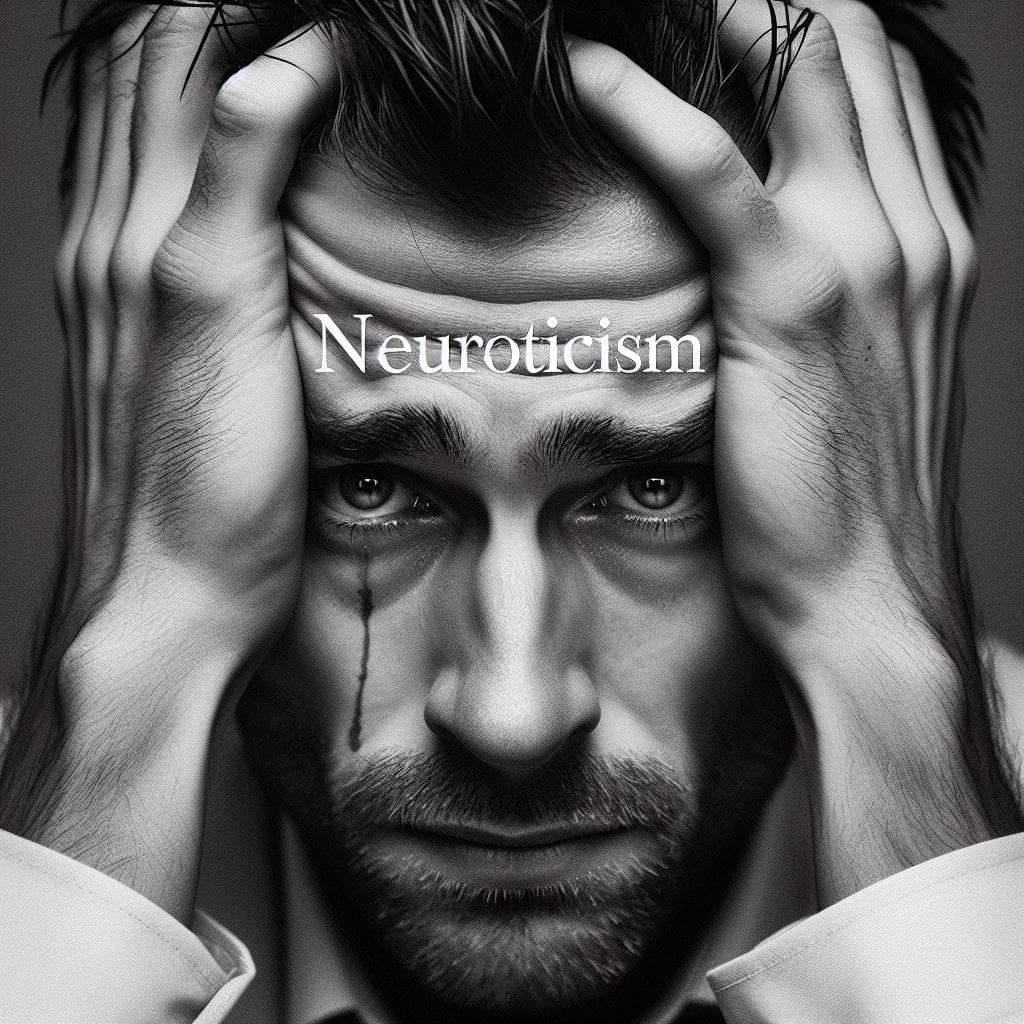
Have you ever been called a worrywart or been told that you’re just too emotional? If so, you might be familiar with the concept of neuroticism. Neuroticism refers to a personality trait characterised by excessive emotional sensitivity, resulting in heightened levels of anxiety, stress, and self-consciousness. In this blog post, we will delve into the interesting domain of neuroticism, exploring its definition, potential causes, impacts, and methods to cope with its effects.
Advertisements
Defining Neuroticism
Neuroticism, one of the five personality traits identified by psychologists, measures an individual’s emotional stability or instability. A person scoring higher on the neuroticism scale demonstrates a tendency to experience more intense negative emotions such as fear, worry, anger, and sadness, often engaging in overthinking and rumination.
Causes of Neuroticism
While neuroticism can have a genetic component, environmental factors such as upbringing, childhood experiences, and exposure to chronic stress can also play a pivotal role in shaping this trait. Certain studies have also suggested that neuroticism can be influenced by neurological differences, such as an imbalance in brain chemicals like serotonin.
Impacts on Life
The emotional roller coaster experienced by individuals high in neuroticism can have a significant impact on their daily lives and long-term well-being. Neuroticism often correlates with increased vulnerability to mental health issues like anxiety disorders and depression. It can also affect interpersonal relationships due to excessive self-consciousness, frequent worrying, and emotional instability. Moreover, those high in neuroticism may struggle with decision-making, as they are more likely to overanalyse potential negative outcomes.
Coping with Neuroticism
Fortunately, there are various strategies individuals can employ to alleviate the burden of neuroticism and lead happier, more fulfilling lives:
1. Mindfulness and self-compassion techniques: Practising mindfulness and self-compassion can help neurotic individuals better manage their emotions, reduce stress, and become more aware of their thoughts and reactions.
2. Cognitive-behavioural therapy (CBT): Seeking professional help from a therapist trained in CBT techniques can provide valuable guidance in reframing negative thought patterns and promoting healthier coping mechanisms.
3. Building resilience: Engaging in activities that promote resilience, such as exercise, meditation, and social support, can assist individuals in managing stress and increasing emotional stability.
4. Self-care and stress management: Prioritising self-care activities and implementing stress-management techniques like time management, relaxation techniques, and adopting a healthy lifestyle can help reduce the impact of neuroticism in everyday life.
Embracing one’s unique traits
It is crucial to emphasise that neuroticism, like any other personality trait, is neither inherently good nor bad. While high neuroticism might have its challenges, embracing this trait and recognising its potential benefits, such as increased empathy and attention to detail, can empower individuals to capitalise on their strengths while mitigating the downsides.
Conclusion
Understanding neuroticism and its impact can be a stepping stone towards accepting and managing this personality trait more effectively. By implementing coping strategies, seeking support, and embracing personal growth, individuals high in neuroticism can navigate their emotional landscapes while fostering healthier relationships, enhancing well-being, and achieving a balanced life. Remember, neuroticism does not define you – it is merely an aspect of your intricate personality.
Mental health is an integral component of our overall well-being, influencing our ability to thrive, contribute to society, and enjoy a fulfilling life. While genetics and individual factors do play a role in mental health, it is crucial to recognise the profound impact of social determinants on our psychological well-being. Addressing social determinants of mental health is pivotal to creating a more inclusive and equitable society, where mental health is accessible and prioritised for all. In this blog post, we will explore the various social determinants that can influence mental health and delve into the strategies to foster a mentally healthier world.
Advertisements
1. Education and Socioeconomic Status
Education and socioeconomic status have long-standing implications for mental health. Limited access to quality education and low socioeconomic status can contribute to increased stress levels, limited job opportunities, financial strain, and reduced access to mental healthcare services. By addressing these disparities and providing equal educational opportunities and economic assistance, societies can reduce the burden on mental health caused by economic inequality.
2. Social Support
A robust support system plays a pivotal role in an individual’s mental health. Inadequate social support can lead to feelings of isolation and loneliness, increasing vulnerability to mental health issues. Promoting community engagement, fostering strong social connections, and creating spaces for open dialogue are essential strategies to address this social determinant. Enhancing interpersonal relationships and creating support networks can significantly impact mental well-being.
3. Environment and Community
The physical environment in which individuals live profoundly influences their mental health. Accessible green spaces, clean air, and safe neighbourhoods contribute positively to psychological well-being. Conversely, living in areas with high levels of pollution, limited access to recreational facilities, or experiencing social unrest can have detrimental effects on mental health. Advocating for and investing in a healthy and supportive physical environment can alleviate mental health challenges.
4. Discrimination and Stigma
Discrimination, prejudice, and stigma based on race, ethnicity, age, sexual orientation, gender identity, or mental health condition can contribute to distress and lower self-esteem. The negative impacts of discrimination on mental health are profound and far-reaching. Raising awareness, challenging societal prejudices, and implementing anti-discriminatory policies are crucial steps to combat stigma and create supportive, inclusive environments for all.
5. Health Services Accessibility
Access to affordable and quality mental healthcare services is essential for maintaining and improving mental health. However, many individuals face barriers such as limited coverage, long waiting periods, and a lack of culturally sensitive care. By promoting mental health literacy, robust healthcare policies, and amplifying mental health services, we can reduce the disparity in accessibility and ensure that everyone can access the support they need.
Conclusion
Recognising and addressing social determinants of mental health is imperative to building a mentally healthier society. By striving for equitable education, socioeconomic opportunities, stronger social support, healthier physical environments, and by eliminating discrimination and stigma, we can pave the way for a brighter future. By understanding and responding to the social determinants that impact mental health, we can create a world where mental well-being is a priority for all. Let us work together to create a more inclusive and supportive society, where everyone can flourish mentally and lead fulfilling lives.
Splitting is a defence mechanism commonly observed in psychology, where individuals perceive people, situations, or things as either entirely good or entirely bad, with no middle ground. This black-and-white thinking can be a result of emotional distress, inability to tolerate ambiguity or conflicting emotions, or a way to protect oneself from the complexities of life. Splitting is a concept that can provide valuable insights into human behaviour and relationships.
Advertisements
In the realm of psychology, splitting is often associated with borderline personality disorder (BPD), but it can also be observed in other mental health conditions such as narcissistic personality disorder. Individuals with BPD may view others as either idealised or devalued, making it difficult for them to form stable relationships and maintain emotional balance. This extreme form of splitting can lead to intense mood swings, impulsive behaviour, and strained interpersonal dynamics.
Splitting can manifest in various aspects of life, from personal relationships to work environments. For instance, in personal relationships, an individual affected by splitting may idolise their partner, perceiving them as perfect and infallible. However, with a minor disagreement or criticism, they may suddenly devalue them, viewing them as completely flawed and unworthy. This constant fluctuation between idealisation and devaluation can create an unstable and chaotic dynamic, often leading to relationship difficulties and emotional distress for all involved.
In work environments, splitting can lead to challenges as well. An employee may perceive their boss as either a wonderful leader or an incompetent dictator, depending on their mood and recent experiences. This can create a hostile work environment, impacting productivity and job satisfaction. Similarly, coworkers might be seen as either allies or enemies, with no room for a balanced perspective. This polarised perception makes it difficult to establish trust and harmony within the team.
Understanding splitting is crucial for mental health professionals, as it allows for a more comprehensive approach when working with clients who exhibit this defence mechanism. By recognising the presence of splitting, therapists can help individuals explore their emotions, challenge their black-and-white thinking, and develop healthier coping strategies. Techniques such as cognitive behavioural therapy (CBT) can be effective in modifying these rigid thought patterns and promoting emotional resilience.
Outside of therapeutic settings, recognising splitting in our own behaviour or in others can help us navigate relationships with more empathy and understanding. Instead of automatically accepting or rejecting the extreme views of others, we can strive for a more nuanced perspective by considering multiple factors and potential grey areas. This involves acknowledging that people, situations, and even we ourselves are not entirely good or bad, but rather complex beings with strengths and weaknesses.
While splitting may serve as a protective mechanism, it ultimately hinders personal growth and the development of meaningful relationships. By becoming aware of this defence mechanism, we can strive for balance, embrace the grey areas, and foster healthier connections with others. Recognising the shades of grey allows us to move beyond the limiting confines of black-and-white thinking, enabling us to engage with the world in a more compassionate and fruitful way.