Category: History

  • La Cosa Nostra: The Reign of the Italian Mafia

    La Cosa Nostra: The Reign of the Italian Mafia

    Advertisements

    The Mafia’s roots can be traced back to the late 19th century, when Sicily was under the control of the Italian government. In response to the lack of effective law enforcement and rampant poverty, local landowners and businessmen formed secret societies to protect their interests. These groups eventually evolved into the criminal organisation we know today as the Mafia.

    The Mafia operates through a strict hierarchy, with a boss at the top who oversees various underbosses, capos, and soldiers. Members swear an oath of loyalty and silence, and those who betray the organisation face severe consequences, including death. The Mafia is involved in a wide range of criminal activities, including drug trafficking, extortion, money laundering, and illegal gambling.

    One of the most well-known aspects of the Mafia is their code of silence, known as omertà. Members are forbidden from cooperating with law enforcement or speaking out against the organisation, under penalty of death. This code of silence has made it difficult for authorities to gather evidence and prosecute Mafia members.

    Despite facing increasing pressure from law enforcement, the Mafia continues to operate and expand their criminal activities. While the organisation has been weakened in recent years, thanks to high-profile arrests and successful prosecutions, the Mafia still remains a powerful and dangerous force in Italy and beyond.

    The Italian Mafia’s influence extends beyond Italy, with branches of the organisation operating in other countries, including the United States. The American Mafia, also known as La Cosa Nostra, was formed by Italian immigrants in the early 20th century and has been involved in organised crime for decades.

    Efforts to combat the Mafia have been ongoing for years, with varying degrees of success. Law enforcement agencies have employed a range of tactics to dismantle the organisation, including wiretapping, surveillance, and witness protection programs. However, the Mafia remains resilient and continues to adapt to the changing landscape of organised crime.

    In conclusion, the Italian Mafia is a powerful and dangerous criminal organisation with a long and storied history. Despite facing increased pressure from law enforcement, the Mafia continues to operate and expand their criminal activities. Efforts to combat the Mafia have had some success, but the organisation remains a potent force in Italy and beyond. Only time will tell if law enforcement will be able to finally dismantle this infamous criminal organisation.

  • The Francoist Movement of Spain

    The Francoist Movement of Spain

    Advertisements

    Under Franco’s rule, Spain was transformed into a highly centralised state, with all power concentrated in the hands of the dictator. The regime imposed strict censorship and control over the media, education, and culture, effectively silencing any opposition or criticism. Dissidents were often imprisoned, tortured, or executed, leading to a climate of fear and repression.

    The Francoist movement was also marked by its promotion of nationalism and traditional values. Franco’s regime emphasised the importance of Catholicism, Spanish identity, and the unity of the Spanish nation. The regime promoted a conservative social agenda, with strict laws regulating morality, family life, and gender roles. Women were encouraged to stay at home and focus on traditional roles as wives and mothers, while dissenters and minorities faced discrimination and persecution.

    Despite its authoritarian nature, the Francoist movement did have some supporters who praised the regime for its stability and strong leadership. Many Spaniards saw Franco as a saviour who brought order and stability to a country torn apart by civil war and political turmoil. However, others viewed him as a brutal dictator who trampled on human rights and suppressed freedom of expression .

    After Franco’s death in 1975, Spain transitioned to a democratic system, with the country slowly coming to terms with its past and the legacy of the Francoist regime. Today, there are still lingering divisions in Spanish society over how to remember and reckon with this dark period in the country’s history.

    The Francoist movement of Spain remains a controversial and complex topic, with differing opinions on its impact and legacy. While some may see Franco as a necessary force for stability, others view him as a brutal dictator who trampled on human rights and freedom. Regardless of one’s perspective, it is clear that the Francoist regime left a lasting mark on Spain, shaping the country’s politics and society for decades to come.

  • The Copernican Revolution: Revolutionising the Cosmos

    The Copernican Revolution: Revolutionising the Cosmos

    Advertisements

    Before Copernicus, the prevailing belief was that the Earth was the centre of the universe and that all celestial bodies revolved around it. This was known as the geocentric model, and it had been accepted as truth for centuries. However, through careful observation and mathematical calculations, Copernicus proposed a new model known as the heliocentric model.

    According to Copernicus’ heliocentric model, the Sun was the centre of the universe, and the Earth and other planets revolved around it in perfect circles. This revolutionary idea challenged the traditional view of the universe and sparked a debate among scientists and philosophers of the time.

    One of the key implications of the Copernican Revolution was the realisation that the Earth was not as unique and central as previously thought. Instead, it was just one of many planets orbiting the Sun, a relatively ordinary star among billions in the universe. This new perspective paved the way for further discoveries and advancements in the field of astronomy.

    The Copernican Revolution also had significant implications for the relationship between science and religion. The geocentric model had been supported by the Catholic Church as it aligned with biblical teachings. However, the heliocentric model challenged these beliefs and led to a reevaluation of the role of religion in scientific inquiry.

    In the centuries following Copernicus’ groundbreaking work, other scientists such as Johannes Kepler and Galileo Galilei further refined and confirmed the heliocentric model. Their observations and experiments provided additional evidence supporting the new understanding of the universe.

    Today, the Copernican Revolution is recognised as a pivotal moment in the history of science and has paved the way for modern astronomy and our understanding of the cosmos. It serves as a reminder of the importance of questioning established beliefs and being open to new ideas and perspectives. Copernicus’ contributions to science continue to inspire and challenge us to explore the unknown and expand our understanding of the universe.

  • Israel’s Mental Health System: A Beacon of Hope in the Middle East

    Israel’s Mental Health System: A Beacon of Hope in the Middle East

    Advertisements

    One of the key strengths of Israel’s mental health system is its emphasis on community-based care. Through a network of mental health clinics, day centres, and outreach programs, individuals can access the care they need in their own neighbourhoods. This not only reduces the stigma associated with mental illness , but also ensures that people receive the support they need to thrive in their daily lives.

    Another hallmark of Israel’s mental health system is its focus on early intervention and prevention. By offering screenings and psychoeducation in schools, workplaces, and community centres, Israel is able to identify and treat mental health issues before they escalate. This proactive approach has been crucial in addressing the country’s mental health needs and reducing the burden on its healthcare system.

    In addition to providing accessible and preventative care, Israel also prioritises research and innovation in the field of mental health. The country is home to a number of leading mental health research institutions and has established numerous partnerships with international experts to advance the understanding and treatment of mental illness. This commitment to cutting-edge research has led to the development of new therapies, medications, and interventions that have benefited individuals both in Israel and around the world.

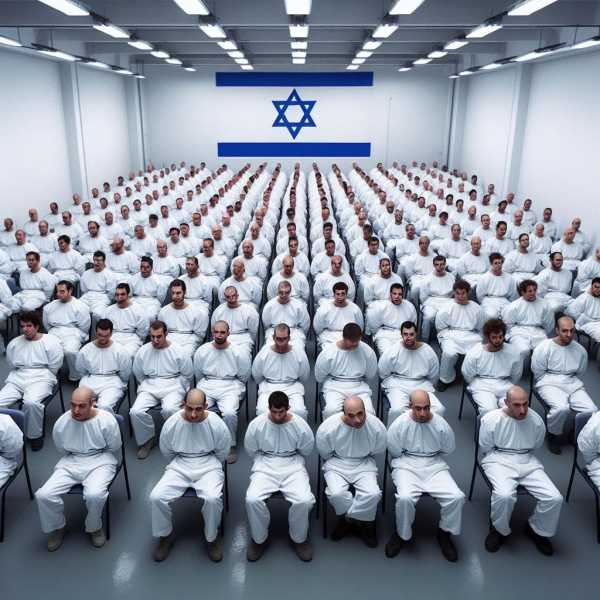
    The high security psychiatric hospitals in Israel play a crucial role in ensuring specialised care for individuals with severe mental health concerns. These facilities are designed to not only assess and treat patients, but also to rehabilitate them, especially those who may pose a risk to themselves or others. The stringent security measures in place are vital for maintaining the safety of both the patients and the staff, as well as for preventing unauthorised access to sensitive areas within the hospitals.

    In addition to these hospitals, Israel’s approach to mental health care encompasses a broader spectrum, including community-based services and preventive initiatives. This comprehensive landscape of mental health care demonstrates the country’s commitment to addressing the complex needs of individuals with mental health challenges. By combining the specialised care provided in high security psychiatric hospitals with community-based support and preventive measures, Israel is taking a holistic approach to promote mental well-being and support those in need.

    Despite these strengths, Israel’s mental health system still faces challenges. Like many countries, there is a shortage of mental health providers, particularly in rural and underserved areas. Additionally, there is a need for greater awareness and education around mental health issues, as many individuals still face discrimination and stigma when seeking care.

    Overall, Israel’s mental health system serves as a beacon of hope in the Middle East, offering a model for how countries can provide high-quality, community-based care to individuals struggling with mental illness. By continuing to prioritise early intervention, research, and innovation, Israel is paving the way for a brighter future for those in need of mental health support.

  • The Dark Legacy: Apartheid in South Africa

    The Dark Legacy: Apartheid in South Africa

    Apartheid was a dark period in South Africa’s history that lasted for almost fifty years, from 1948 to 1994. It was a system of institutionalised racial segregation and discrimination that privileged the white minority while oppressing the majority black population. This oppressive regime was put in place by the National Party government, who believed in the superiority of the white race and sought to maintain control over the country’s resources and power.

    Under apartheid, every aspect of daily life was segregated based on race. Public facilities such as schools, hospitals, and beaches were designated for either whites or non-whites, with the latter receiving inferior services and resources. The Group Areas Act of 1950 forcibly removed non-white South Africans from their homes and communities and relocated them to designated areas, segregating cities and neighbourhoods along racial lines.

    Perhaps the most egregious aspect of apartheid was the pass laws, which required non-white South Africans to carry passbooks at all times and restricted their movement within the country. This system of control was used to enforce labor exploitation, as non-white workers were forced to live and work in designated areas and could be arrested if found outside of their designated zones without a pass.

    The brutal enforcement of apartheid led to widespread human rights violations, including police brutality, torture, and extrajudicial killings. The security forces of the apartheid regime were notorious for their violence against black South Africans, leading to countless deaths and disappearances.

    Despite the oppressive nature of apartheid, resistance to the regime grew over time. The African National Congress (ANC) and other anti-apartheid organisations led protests, strikes, and acts of civil disobedience to challenge the unjust laws of apartheid. International pressure and sanctions also played a role in isolating the apartheid government and eventually forcing them to negotiate a peaceful transition to democracy.

    In 1994, South Africa held its first democratic elections, and Nelson Mandela was elected as the country’s first black president. This marked the official end of apartheid and the beginning of a new era of reconciliation and healing for the nation.

    Today, South Africa continues to grapple with the legacy of apartheid, as inequalities and injustices from that time still persist. While progress has been made in dismantling the racist policies of the past, there is still much work to be done to address the deeply ingrained social and economic disparities that continue to impact the country.

    Apartheid serves as a painful reminder of the consequences of institutionalised racism and the importance of standing up against injustice. It is crucial for future generations to learn about this dark chapter in South Africa’s history and strive to build a more just and equitable society for all.

  • The Gothic Constitutions of 926: The Shadowed Code

    The Gothic Constitutions of 926: The Shadowed Code

    Advertisements

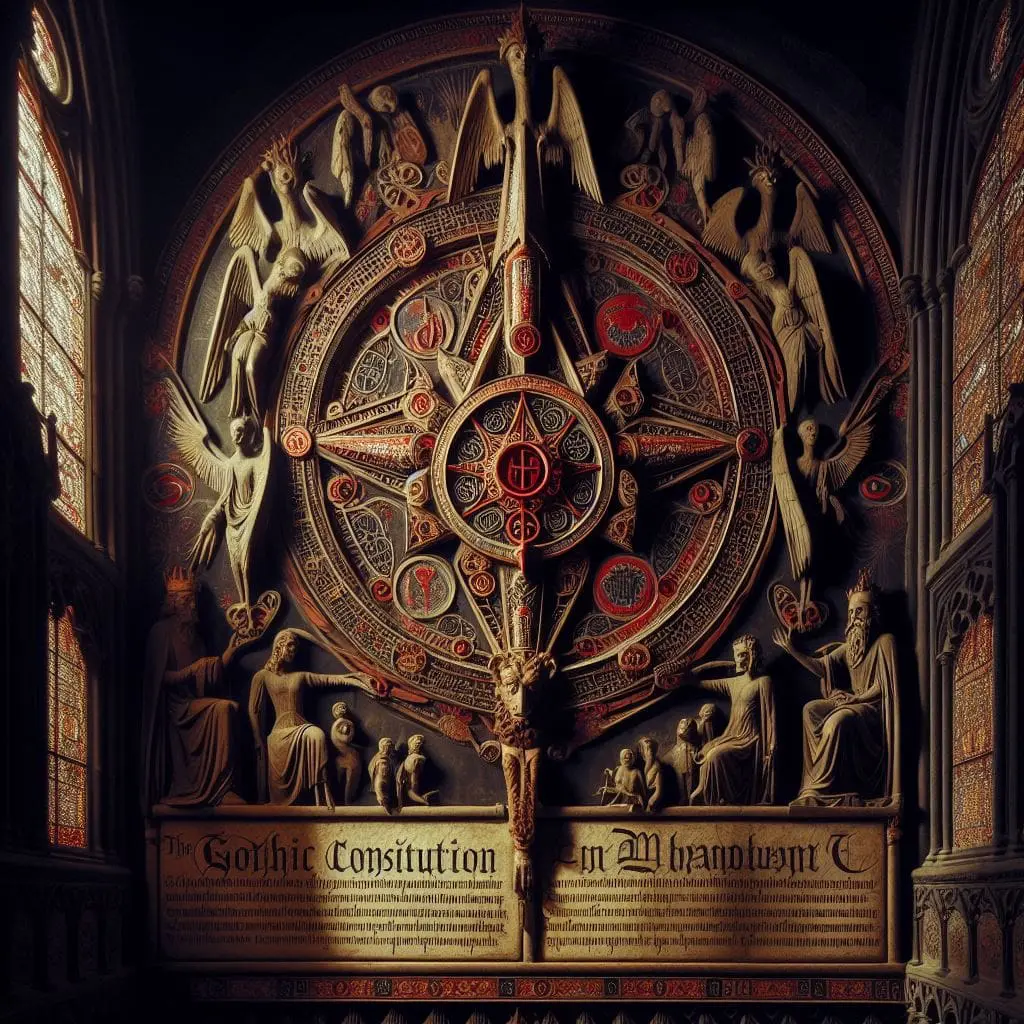
    The Gothic Constitutions of 926 cover a wide range of legal issues, including property rights, marriage, inheritance, and crimes. They were designed to provide a clear framework for the administration of justice and to uphold the rights and responsibilities of the citizens of the kingdom. This document played a crucial role in shaping the legal system of medieval Spain and had a long-lasting impact on the development of the legal codes in the region.

    One of the most significant aspects of the Gothic Constitutions of 926 is that they were written in the vernacular language of the Visigoths, which was a blend of Latin and the Visigothic language. This made the laws more accessible to the general population and helped to ensure that they were understood and followed by all citizens. The document also includes provisions for the protection of individual rights and the promotion of social justice, reflecting a progressive approach to governance for its time.

    The Gothic Constitutions of 926 are a testament to the sophistication and complexity of the legal system of the Visigothic Kingdom. They demonstrate the importance that was placed on the rule of law and the rights of the people, and they continue to be studied and analysed by historians and legal scholars to this day. The document provides valuable insights into the legal and social structures of medieval Spain and serves as a reminder of the enduring legacy of the Visigoths in the region.

    In conclusion, the Gothic Constitutions of 926 are a significant historical document that sheds light on the legal system of the Visigothic Kingdom and its impact on the development of the legal codes in medieval Spain. This document serves as a reminder of the importance of the rule of law and the protection of individual rights, and it continues to be a valuable resource for scholars and historians interested in the legal history of the Iberian Peninsula.

  • How the Church Influences the State

    How the Church Influences the State

    Advertisements

    One of the ways in which the church influences the state is through the endorsement of political candidates or parties. Religious leaders often use their platform to endorse candidates who align with their beliefs and values, and their followers may be swayed by these endorsements when casting their votes. In this way, the church can help sway the outcome of elections and shape the political landscape of a country.

    The church also influences the state through its advocacy on issues such as abortion, LGBTQ rights, and immigration. Religious organisations often lobby lawmakers and advocate for policies that align with their religious beliefs, leading to changes in legislation and public policy. In some cases, this advocacy can be instrumental in shaping the moral compass of a nation and pushing for social change.

    However, the church’s influence on the state is not always positive. In some cases, the church’s strict moral code can clash with the principles of democracy and individual freedom. For example, the Catholic Church’s stance on contraception and abortion has led to conflicts with governments that seek to protect women’s reproductive rights. In these cases, the church’s influence can be seen as limiting the freedoms and rights of individuals.

    Overall, the church’s influence on the state is a complex and multifaceted issue. While the church can play a positive role in shaping policy and advocating for social change, it can also be a source of conflict and division. As society continues to evolve, it is important for both the church and the state to find ways to work together while respecting each other’s autonomy and values. Only through open dialogue and collaboration can we ensure a harmonious relationship between church and state.