

Category: History

  • The Chaos and Spiritual Apathy of Contemporary Spain

    The Chaos and Spiritual Apathy of Contemporary Spain

    Advertisements

    One of the main challenges facing Spain today is the political chaos that has engulfed the country in recent years. The emergence of new political parties and the fragmentation of traditional political structures have led to a sense of uncertainty and instability. Corruption scandals have further eroded trust in the government and the political system, leaving many Spaniards feeling disillusioned and disconnected from the political process.

    On the economic front, Spain has struggled to recover from the 2008 financial crisis, with high levels of unemployment and austerity measures causing widespread hardship. This economic uncertainty has heightened social tensions and created a sense of insecurity among the population.

    In the midst of this chaos, there has been a noticeable decline in religious belief and practice in Spain. According to a recent survey, only 22% of Spaniards consider themselves to be religious, compared to 81% in the 1980s. The Catholic Church, which has traditionally played a central role in Spanish society, has seen a sharp decline in attendance and influence. Many Spaniards are turning away from organised religion, seeking spiritual fulfilment in alternative ways or embracing secular beliefs.

    This spiritual apathy is reflected in the declining number of religious vocations, church attendance, and participation in religious rituals. Traditional forms of spirituality, such as attending Mass or receiving the sacraments, are no longer a central part of many Spaniards’ lives. Instead, they are exploring new forms of spirituality, such as mindfulness, yoga, and New Age practices, or simply choosing to live without any form of religious belief.

    The combination of political chaos and spiritual apathy has left many Spaniards feeling adrift and disconnected from their cultural and spiritual roots. The sense of disillusionment and uncertainty that pervades contemporary Spanish society is a reflection of the broader challenges facing Europe as a whole.

    However, amidst the chaos and apathy, there are signs of hope and resilience in Spain. Grassroots movements are emerging to challenge political corruption and demand greater accountability from the government. Social initiatives are being launched to address economic inequality and support marginalised communities. And individuals are finding their own paths to spiritual fulfilment and personal growth, outside of traditional religious institutions.

    Ultimately, the chaos and spiritual apathy of contemporary Spain are complex issues that will require both individual and collective efforts to address. By examining the root causes of these challenges and working towards meaningful solutions, Spain has the potential to overcome its current struggles and emerge stronger and more united than ever before.

  • The 5 Most Infamous Conspiracy Theories of All Time

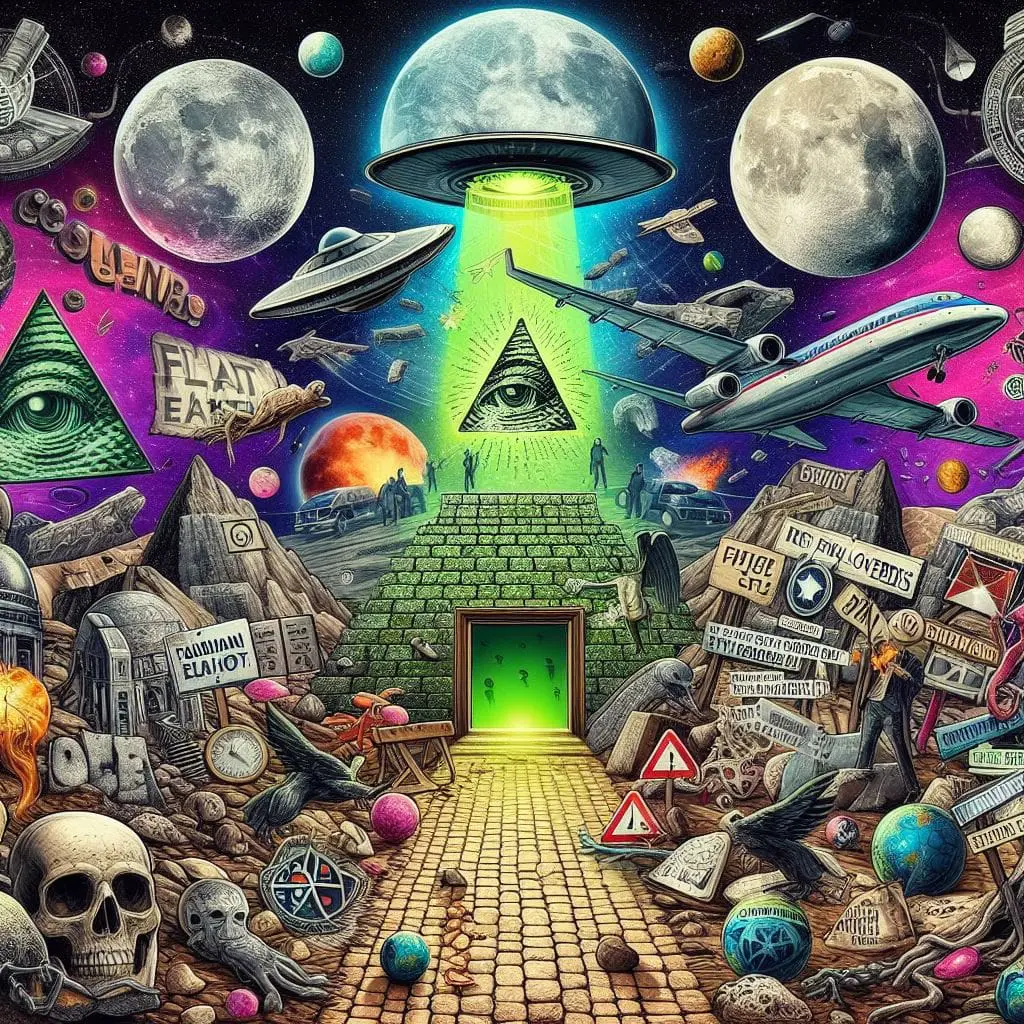
    The 5 Most Infamous Conspiracy Theories of All Time

    Advertisements

    1. The JFK Assassination

    One of the most enduring conspiracy theories revolves around the assassination of President John F. Kennedy in 1963. Many believe that Lee Harvey Oswald did not act alone and that there was a larger conspiracy at play, involving the CIA, the Mafia, or even the government itself.

    The assassination of President John F. Kennedy has continued to captivate the public’s imagination for decades. The deeply ingrained conspiracy theories surrounding this infamous event have sparked countless debates and investigations. Many are convinced that Lee Harvey Oswald was not the sole perpetrator and that there must have been a broader conspiracy unfolding behind the scenes. The potential involvement of powerful entities such as the CIA, the Mafia, or elements within the government itself has only added to the mystique and speculation surrounding this tragic chapter in American history. The enduring allure of this conspiracy theory serves as a testament to the enduring impact of the Kennedy assassination and its lingering grip on the public consciousness.

    2. Area 51

    This top-secret military base in Nevada has long been the subject of speculation and conspiracy theories, with many believing that it houses evidence of extraterrestrial life and UFOs. The government has denied these claims, fuelling suspicions even further.

    The secretive nature of this military facility, located in the remote Nevada desert, has captured the imaginations of people around the world. Known as Area 51, it has been at the centre of numerous conspiracy theories and speculations for decades. The lack of transparency from the government regarding the activities at this base has only served to intensify the intrigue and mystery surrounding it.

    3. 9/11

    The tragic events of September 11, 2001, have spawned numerous conspiracy theories, with some claiming that the attacks were orchestrated by the government as a pretext for war in the Middle East. While these theories have been widely debunked, they continue to circulate online and in some fringe circles. It is important to note that the overwhelming evidence and thorough investigations conducted by independent parties have consistently refuted these conspiracy theories. The tragedy of 9/11 had a profound impact on the world and has led to significant changes in international security and conflict resolution. As we take the time to remember the lives lost and the bravery of the first responders, it’s crucial to focus on the verifiable facts and honour the memory of the victims with truth and respect.

    4. Moon Landing

    The belief that the 1969 moon landing was faked by the US government to win the Space Race against the Soviet Union continues to persist despite overwhelming evidence to the contrary. Some individuals assert that the footage was staged in a Hollywood studio, adding fuel to the conspiracy theory. However, it’s important to note that extensive evidence, including data from multiple countries’ tracking stations, photographs taken by astronauts, and rock samples brought back from the moon, supports the authenticity of the event. In addition, the moon landing is widely regarded as one of humanity’s greatest achievements, marking a monumental step forward in space exploration.

    5. Illuminati

    The Illuminati conspiracy theory has captured the imagination of many, bringing to light the idea of a clandestine group of influential individuals wielding significant power behind the scenes. This captivating notion suggests that these elites orchestrate world events to serve their own interests, stirring curiosity and inspiring countless discussions. It’s been a recurring theme in various forms of media, including literature, film, and music, perpetuating an aura of mystery and intrigue surrounding the concept of hidden agendas and covert alliances. This widespread dissemination has led to extensive speculation and contemplation about the potential existence and impact of such secretive organisations.

    Final Note

    While these theories may seem far-fetched to some, they have captured the imagination of many and continue to be debated and discussed. Whether based on mistrust of authority, a desire for answers, or simply a fascination with the unknown, conspiracy theories will likely always be a part of our societal landscape. Whether we believe in them or not, they serve as a reminder to question the official narrative and think critically about the information we are presented with.

    Conspiracy theories often arise when there are gaps in information, leading people to seek alternative explanations for events or phenomena. They can also provide a sense of empowerment to those who may feel marginalised or disenfranchised by mainstream narratives. It’s important to approach these theories with an open mind, critically evaluating the evidence and considering the potential impact of widespread belief in such ideas on society as a whole. As technology and communication continue to evolve, the rapid spread of conspiracy theories poses challenges in distinguishing between credible information and misinformation, highlighting the need for media literacy and critical thinking skills.

    In the age of instant information and social media, it becomes increasingly crucial to sift through the noise and seek reliable sources to form educated opinions. Ultimately, the existence of conspiracy theories serves as a powerful reflection of human nature and our continuous quest for understanding and meaning in the complex world we inhabit.

  • The Wisdom of King Solomon’s Legacy

    The Wisdom of King Solomon’s Legacy

    Advertisements

    King Solomon’s wisdom extended beyond resolving disputes. His reputation for astute judgement attracted people from far and wide, seeking his counsel on a wide array of matters. According to biblical accounts, Solomon’s wisdom was not limited to the realm of human affairs; he was also known for his deep understanding of natural phenomena and his ability to interpret dreams and riddles. This multifaceted wisdom contributed to his enduring legacy as a figure of great insight and discernment. Moreover, Solomon’s wisdom was often attributed to divine favor, and his renowned proverbs and writings continue to influence and inspire individuals to this day.

    Furthermore, Solomon’s wealth and prosperity are also part of his legacy. During his reign, Israel was a flourishing nation that enjoyed economic stability and success. This legacy of abundance is often associated with Solomon’s commitment to God and his dedication to building the temple in Jerusalem, a symbol of spiritual devotion and national pride. In addition to his material wealth, Solomon is also known for his wisdom, as depicted in the biblical account of his judgement when faced with the dilemma of the two women claiming the same baby. His reputation for wisdom and fairness contributed to the overall prosperity and stability of the kingdom during his rule. The combination of economic success, spiritual devotion, and wisdom makes Solomon’s legacy a multifaceted and enduring one, continuing to inspire and intrigue scholars and believers alike for generations to come.

    The wisdom and teachings of King Solomon continue to resonate with people across generations because of their timeless relevance. In the Book of Proverbs and Ecclesiastes, Solomon emphasises the importance of pursuing knowledge and understanding, offering profound insights into various aspects of life, love, and the human experience. His teachings on wisdom, righteousness, and the fear of God provide invaluable guidance to those who seek to lead a life rooted in faith and moral principles. Through his enduring legacy, Solomon’s words continue to inspire individuals on their journey of spiritual and personal growth, serving as a source of wisdom and moral compass in navigating the complexities of life.

    In conclusion, King Solomon’s legacy is a rich tapestry of wisdom, wealth, and spiritual insight that continues to resonate with believers and scholars around the world. His example serves as a reminder of the importance of seeking knowledge, practising discernment, and above all, staying faithful to God. As we reflect on King Solomon’s life and teachings, may we continue to be inspired by his legacy and strive to emulate his wisdom and devotion in our own lives.

  • The Stargate/Scannate Scandal (1995)

    The Stargate/Scannate Scandal (1995)

    Advertisements

    The Stargate program, operated by the CIA and later the Defense Intelligence Agency, was a top-secret project that focused on using remote viewing – the ability to see or gather information about a target without physically being present – for national security purposes. The program was established in the 1970s and continued until it was officially shut down in 1995.

    On the other hand, the Scannate program was operated by the US Army and focused on using psychic abilities to scan and analyse potential threats or targets. The program was also shut down in 1995 amid allegations of unethical and illegal activities.

    The scandal came to light when several former employees of both programs came forward with allegations of abuse, misuse of funds, and manipulation of data. They claimed that the programs had been used for purposes beyond their intended scope, including spying on American citizens, targeting political adversaries, and engaging in unethical and illegal activities.

    As news of the scandal broke, the public and government officials were shocked and outraged by the revelations. Many called for investigations into the programs and for those responsible to be held accountable for their actions.

    In the aftermath of the scandal, the government conducted multiple investigations and audits of the programs, leading to the closure of both Stargate and Scannate. Several employees and officials involved in the programs were also prosecuted and faced charges for their actions.

    The Stargate/Scannate scandal of 1995 was a watershed moment in the field of psychic research and government intelligence programs. It exposed the dangers of unchecked power and the potential for abuse when dealing with sensitive and classified information. The scandal served as a stark reminder of the importance of transparency, accountability, and oversight in all government programs and operations.

  • Colombia’s Ejercito de Liberación Nacional (ELN): A Callous Regime

    Colombia’s Ejercito de Liberación Nacional (ELN): A Callous Regime

    Advertisements

    The ELN has a long history of carrying out attacks against government forces, infrastructure, and civilians. They have also been involved in drug trafficking, kidnapping, and extortion to finance their operations. Despite being significantly smaller than the larger guerrilla group, the FARC, the ELN has managed to maintain a presence in several regions of the country, particularly in the border areas with Venezuela.

    In recent years, the ELN has engaged in peace talks with the Colombian government, similar to those that led to the demobilisation of the FARC in 2016. However, negotiations have been fraught with difficulties and setbacks, with both sides accusing each other of violating ceasefire agreements. The ELN’s demands for a more inclusive peace process and guarantees for the safety of their members have also been a point of contention.

    Despite the challenges , there have been some positive developments in the peace talks. In 2020, the ELN declared a unilateral ceasefire in response to the COVID-19 pandemic, showing a willingness to engage in dialogue and work towards a peaceful resolution of the conflict. The Colombian government has also shown a willingness to address some of the ELN’s concerns and reach a negotiated settlement.

    The path to peace in Colombia is a long and difficult one, but it is clear that the ELN plays a significant role in shaping the country’s future. As Colombians continue to work towards reconciliation and justice, the ELN’s involvement in the peace process will be crucial in building a more stable and equitable society for all.

  • The Palmarian Church: An Introduction

    The Palmarian Church: An Introduction

    Advertisements

    One of the most striking aspects of the Palmarian Church is its claim to be the one true church, established by Jesus Christ himself. Followers believe that the church’s founder, Clemente Domínguez y Gómez, was divinely chosen to lead the church and receive messages from the Virgin Mary and other saints. This belief in the church’s exclusivity and divine guidance has drawn criticism from many within and outside of the Christian community.

    The Palmarian Church also espouses strict doctrinal beliefs, including the rejection of Vatican II and the post-Vatican II popes, whom they believe have strayed from true Catholicism. This has led to a fracturing of relationships with the broader Catholic Church and criticism from many religious scholars and leaders.

    Despite its controversial beliefs, the Palmarian Church has attracted a dedicated following of believers who are drawn to its emphasis on tradition, strict adherence to religious practices, and promise of salvation. The church has a strict hierarchy and rigid rules governing the lives of its members, including dress codes, dietary restrictions, and limitations on contact with the outside world.

    Critics of the Palmarian Church have raised concerns about the church’s alleged cult-like practices, isolationism, and reports of abuse within the church. These criticisms have only added to the church’s enigmatic reputation and fuelled debates about the legitimacy of its claims to divine authority.

    In conclusion, the Palmarian Church remains a controversial and little-known religious institution that continues to attract attention for its rigid beliefs, exclusivity, and unorthodox practices. As debates about the church’s authenticity and practices continue, it remains a subject of fascination and concern for many in the religious community.

  • Unravelling The Christian Church’s Mystical Past

    Unravelling The Christian Church’s Mystical Past

    Advertisements

    One of the earliest examples of mysticism in the Christian Church can be seen in the lives of the desert fathers and mothers. These ascetic hermits lived in the Egyptian desert in the 3rd and 4th centuries, seeking a deeper connection to God through prayer, fasting, and solitude. Their mystical experiences and writings, such as the sayings of the Desert Fathers, have inspired generations of Christians to seek a closer relationship with God.

    In the Middle Ages, mysticism continued to flourish within the Church, with the rise of renowned mystics such as St. Teresa of Avila and St. John of the Cross. These mystics wrote extensively about their experiences of divine union and the spiritual journey towards union with God. Their writings, such as Teresa’s “Interior Castle” and John’s “Dark Night of the Soul,” continue to be read and studied by Christians seeking to deepen their faith.

    The Protestant Reformation in the 16th century saw a resurgence of mysticism within the Church, particularly among radical reformers such as the Anabaptists and the Quakers. These groups emphasised the importance of direct experience of God through the Holy Spirit, and many of their leaders claimed to have experienced visions, prophecies, and other mystical phenomena.

    In more recent times, the Christian Church has witnessed a revival of interest in mysticism and contemplative spirituality. Authors such as Thomas Merton, Henri Nouwen, and Richard Rohr have popularised the ancient Christian contemplative tradition, encouraging believers to seek a deeper connection to God through practices such as meditation, silence, and spiritual direction.

    The mystical past of the Christian Church serves as a reminder that the spiritual journey is not always linear or rational, but often mysterious and full of wonder. As we reflect on the lives and writings of the mystics who have gone before us, may we be inspired to pursue a deeper relationship with God and to open ourselves to the transformative power of the Holy Spirit in our lives.