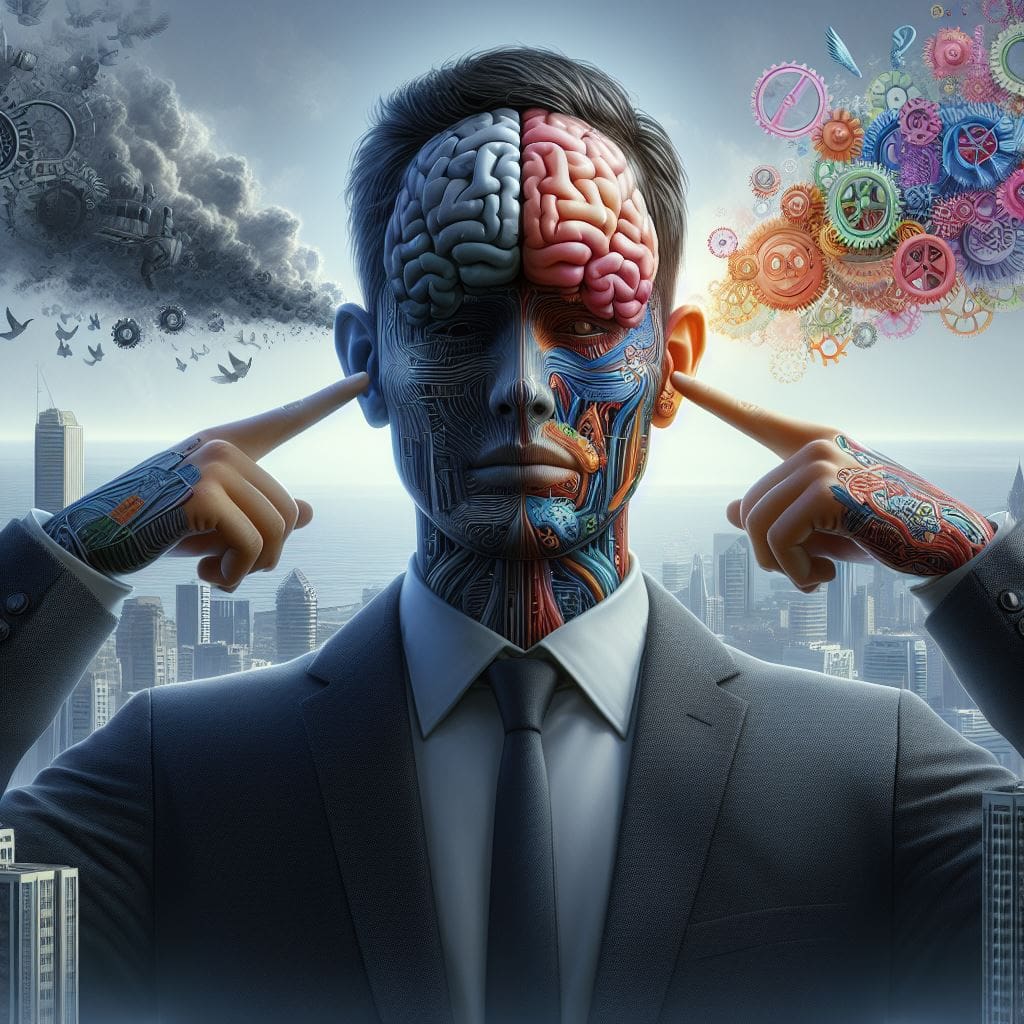

Confirmation bias is a cognitive bias that affects every individual, often unconsciously, impacting the decision-making process and shaping our perspectives. As humans, we tend to seek out information that supports our pre-existing beliefs, while dismissing or disregarding contradictory evidence. Understanding confirmation bias and its far-reaching implications is crucial for making objective and rational judgements.
What is Confirmation Bias?
Confirmation bias refers to our inclination to favour information that supports our existing beliefs or opinions. This bias skews our perception and distorts reality, hindering the unbiased evaluation of evidence. While it is natural for humans to form opinions based on personal experiences and beliefs, confirmation bias adds an extra layer of complexity that can hinder critical thinking.
The Widespread Implications of Confirmation Bias
Confirmation bias is present in many aspects of our lives, and it has wide-ranging implications both individually and collectively. From political affiliations to religious beliefs and even consumer decisions, confirmation bias influences our thought processes, leading us to selectively search, interpret, and remember information that aligns with our preconceived notions.
In Politics and Media
Confirmation bias often fuels polarisation in politics, as individuals gravitate toward news sources that confirm their biases, reinforcing echo chambers of like-minded opinions. In turn, this can polarise societies and hinder constructive dialogue and compromise, leading to potential social unrest.
In Decision-Making
Confirmation bias can impair our ability to make rational decisions. Whether in personal relationships, business ventures, or educational pursuits, clinging to preconceived notions can lead to poor choices, missed opportunities, and an inability to adapt to changing circumstances.
Overcoming Confirmation Bias
While confirmation bias is deeply ingrained in our cognitive processes, there are strategies to minimise its negative impact:
1. Awareness and self-reflection: Acknowledge that we are all prone to confirmation bias and reflect on our own beliefs and opinions.
2. Seek diverse perspectives: Actively seek out information that challenges our beliefs. Engage in conversations with people who have different viewpoints to broaden our understanding.
3. Consider counter-arguments: Encourage critical thinking by evaluating both supporting and opposing evidence. Question our own biases and challenge our assumptions to arrive at well-rounded conclusions.
4. Engage in open-mindedness: Adopt a flexible mindset and be open to changing our opinions when faced with compelling evidence.
5. Conscious consumption of media: Diversify our information sources and engage with reputable news outlets that provide balanced perspectives to avoid falling into echo chambers.
Conclusion
Confirmation bias is an inherent part of human cognition, but it can hinder our ability to think critically and make objective judgements. By recognising and actively combating confirmation bias, we can dismantle the barriers it creates and foster a more open-minded and inclusive society. Embracing diverse perspectives and being receptive to new information allows us to grow intellectually and make informed decisions. Striving for self-awareness and challenging our biases is an ongoing journey towards improving critical thinking skills and cultivating a more harmonious world.
Share this:

You Might Also Enjoy Reading