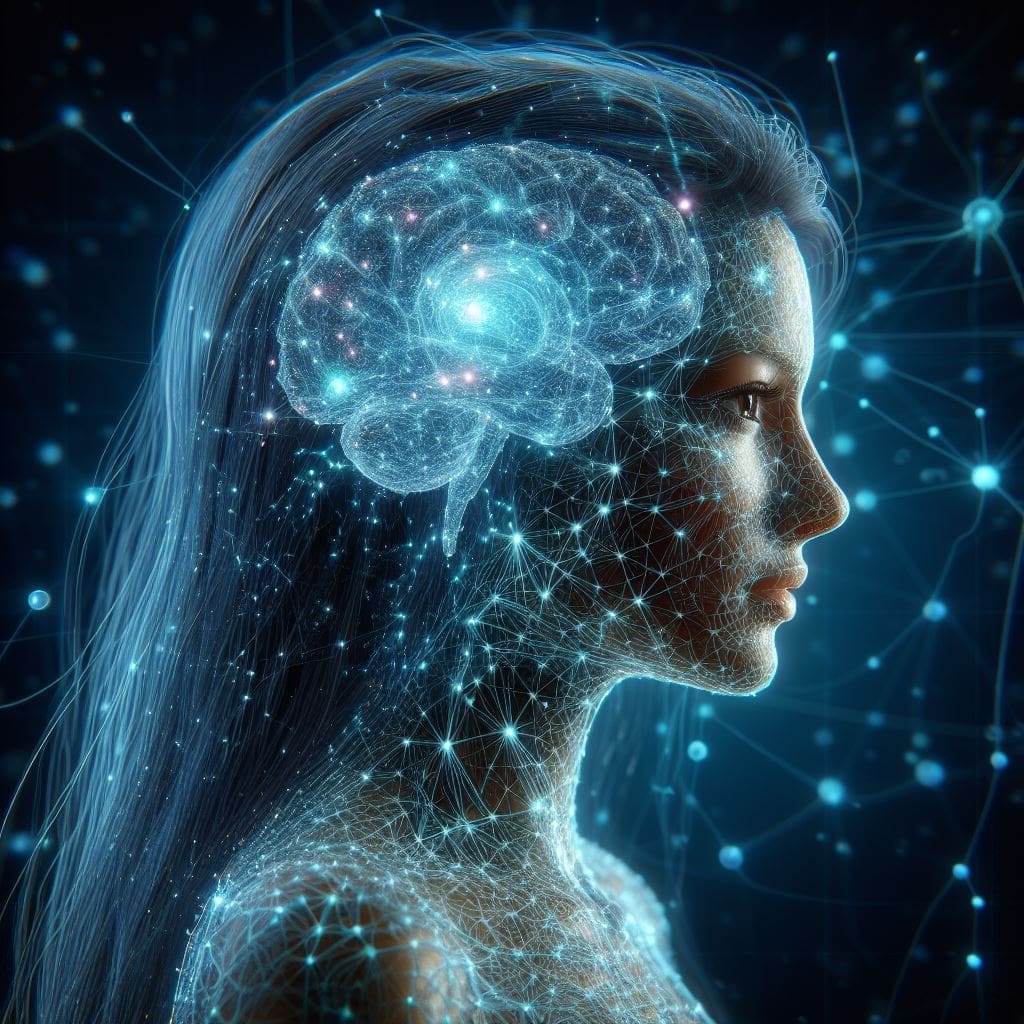

Our emotions play a significant role in our daily lives, influencing our thoughts, behaviours, and interactions with others. But have you ever wondered what happens in our brains when we experience emotions? The field of neuroscience has made great strides in understanding the neurobiology of emotional response, shedding light on the intricate mechanisms that underlie our emotional experiences.
At the core of our emotional responses are brain structures such as the amygdala, hippocampus, and prefrontal cortex. The amygdala, located deep within the brain, is often referred to as the “emotional centre” due to its role in processing and regulating emotions. When we encounter a threatening or rewarding stimulus, the amygdala activates and sends signals to other brain regions to initiate the appropriate emotional response.
Meanwhile, the hippocampus is involved in forming memories of emotional events, helping us to recall and respond to similar situations in the future. The prefrontal cortex, located at the front of the brain, plays a crucial role in regulating and controlling our emotional responses. It helps us to evaluate the emotional significance of a stimulus, regulate our emotional reactions, and make decisions based on our emotions.
Neurotransmitters, such as dopamine, serotonin, and norepinephrine, also play a key role in modulating our emotional responses. These chemical messengers are released in response to emotional stimuli and help to regulate our mood, motivation, and reward processing.
Moreover, research has shown that our early life experiences and genetic predispositions can also influence our emotional responses. Adverse childhood experiences, such as abuse or neglect, can alter the development of the brain regions involved in emotional processing, leading to difficulties in regulating emotions later in life.
Understanding the neurobiology of emotional response can have important implications for mental health treatment and interventions. For example, therapies such as cognitive-behavioural therapy and mindfulness meditation have been shown to modulate brain activity and improve emotional regulation in individuals with mood disorders.
In conclusion, our emotions are a complex interplay of neural circuits, neurotransmitters, and past experiences. By understanding the neurobiology of emotional response, we can gain insight into the mechanisms that underlie our emotions and develop more effective strategies for managing and regulating them.
Share this:

You Might Also Enjoy Reading