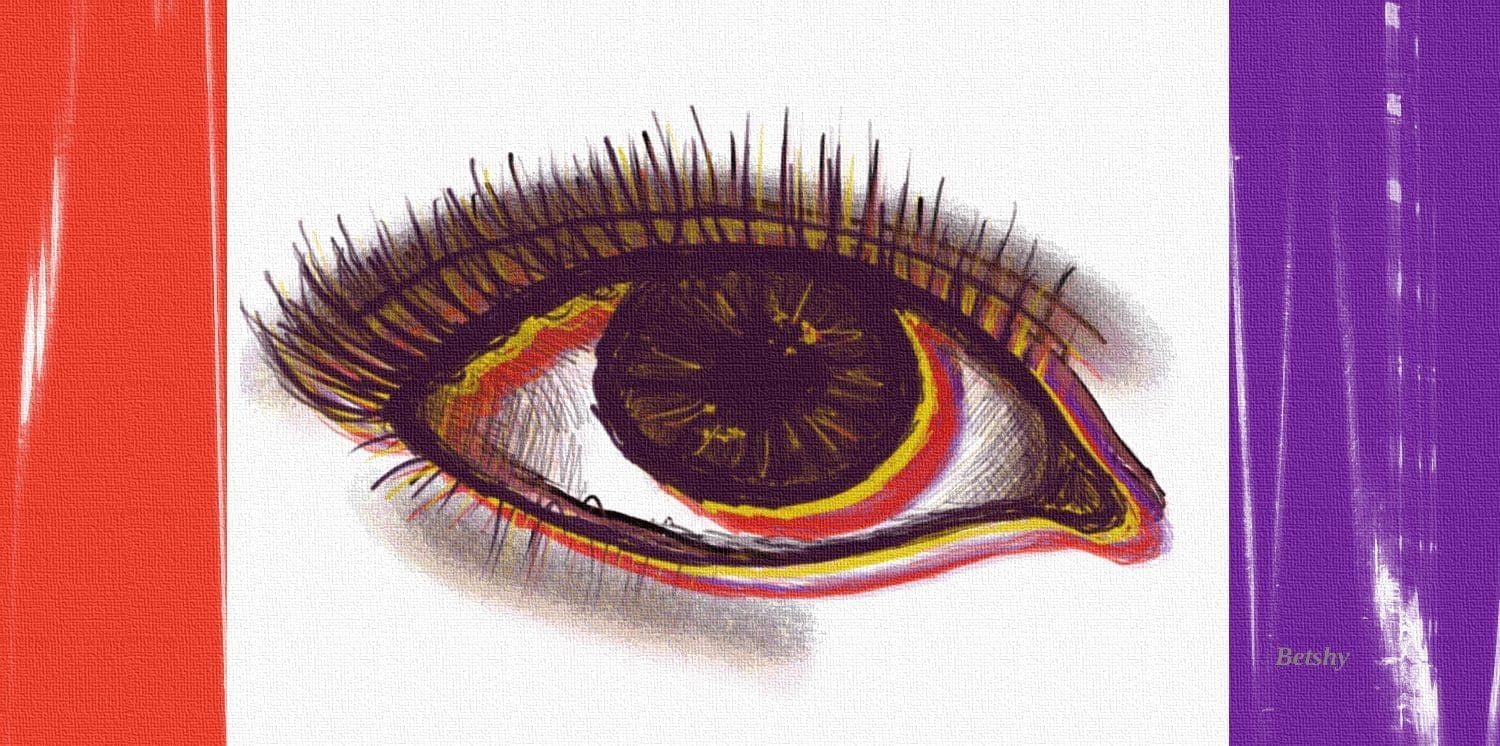

Have you ever experienced moments when reality seems distorted, as if you were watching life unfold from behind a hazy veil? Such experiences can be unnerving and perplexing. Today, we delve into the enigmatic phenomenon of derealisation, a dissociative disorder that affects an individual’s perception of reality. In this blog post, we aim to shed light on the causes, symptoms, and potential treatments for this intriguing condition, helping both sufferers and non-sufferers gain a better understanding of this lesser-known mental state.
What is Derealisation?
Derealisation occurs when an individual experiences a profound sense of detachment from their surroundings. It is characterised by a feeling of unreality, as if the world has become dreamlike or artificial. The person may struggle to connect with their immediate environment and question the authenticity of what they perceive.
Causes of Derealisation
There are various factors that can contribute to the onset of derealisation, such as:
1. Anxiety and Stress: High levels of stress and anxiety can trigger derealisation episodes, as the brain enters a defensive mode in response to overwhelming emotions.
2. Trauma and PTSD: Individuals who have experienced trauma, such as accidents, physical or emotional abuse, or natural disasters, may develop derealisation as a coping mechanism to escape from painful memories.
3. Substance Abuse: Certain drugs, such as hallucinogens or dissociatives, when consumed, can induce temporary or prolonged derealisation.
Symptoms and Manifestations
People experiencing derealisation may encounter a range of symptoms, including:
1. Feeling disconnected from surroundings or significant others.
2. Sensations of living in a dream or “observer” mode.
3. Altered perception of sizes, shapes, textures, or distances.
4. Loss of emotional connection, leading to emotions feeling artificial or distant.
5. Time distortion, where minutes may feel like hours, or vice versa.
Coping Strategies and Treatment Options
While derealisation can be distressing, there are strategies and treatments available to help individuals manage their symptoms. Here are a few recommended approaches:
1. Psychotherapy: Cognitive Behavioural Therapy (CBT), specifically tailored to derealisation, can help individuals identify triggers, address the underlying causes, and develop coping strategies.
2. Mindfulness Practices: Engaging in mindfulness exercises, such as meditation or breathing exercises, can assist individuals in grounding themselves in the present moment and reconnecting with their immediate environment.
3. Medication: In some cases, doctors may prescribe medications, such as antidepressants or anti-anxiety medications, to alleviate the symptoms of derealisation.
Conclusion
Derealisation remains a mysterious and potentially debilitating condition that affects a person’s sense of reality. By raising awareness and understanding about this dissociative disorder, we can create a more supportive and empathetic environment for those affected. If you or someone you know experiences derealisation, seeking professional help can be the first step towards reclaiming a sense of connection and wholeness in this complex and often puzzling experience.
Share this:

You Might Also Enjoy Reading