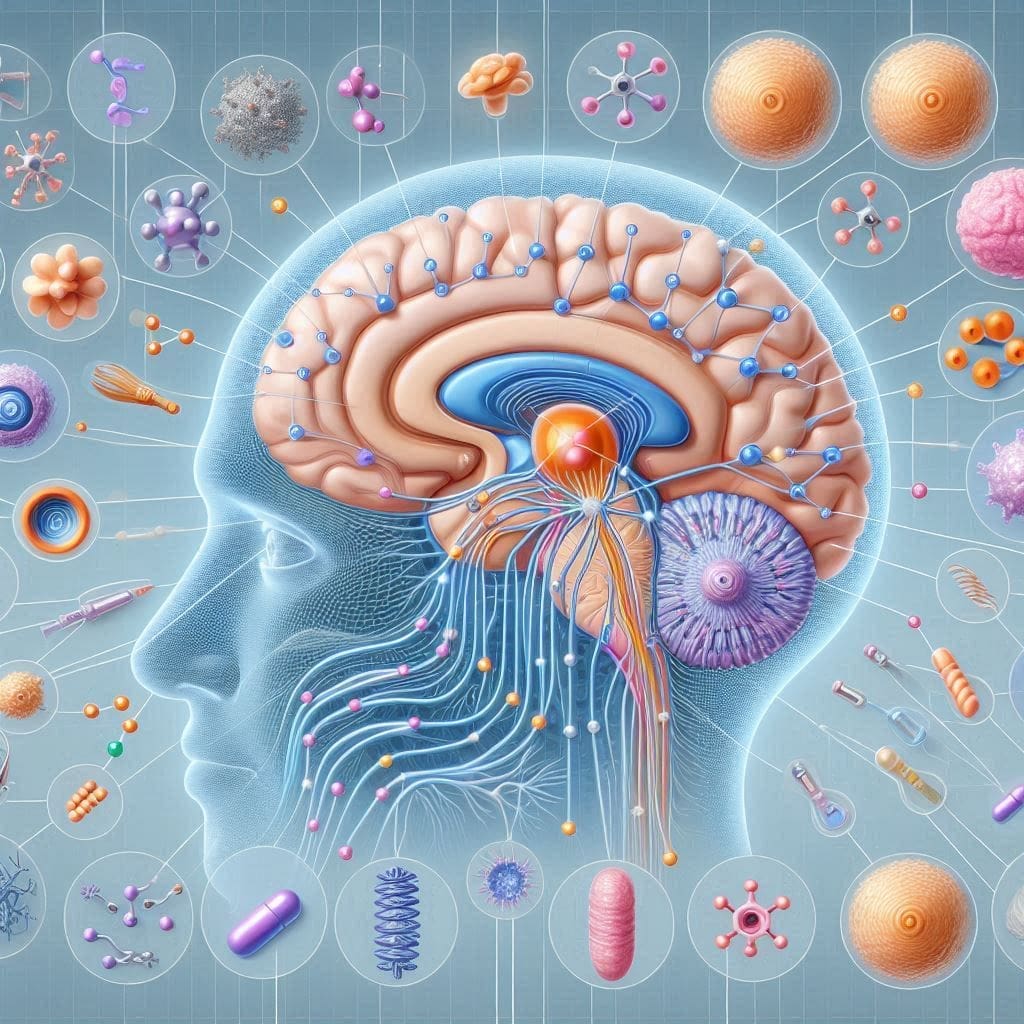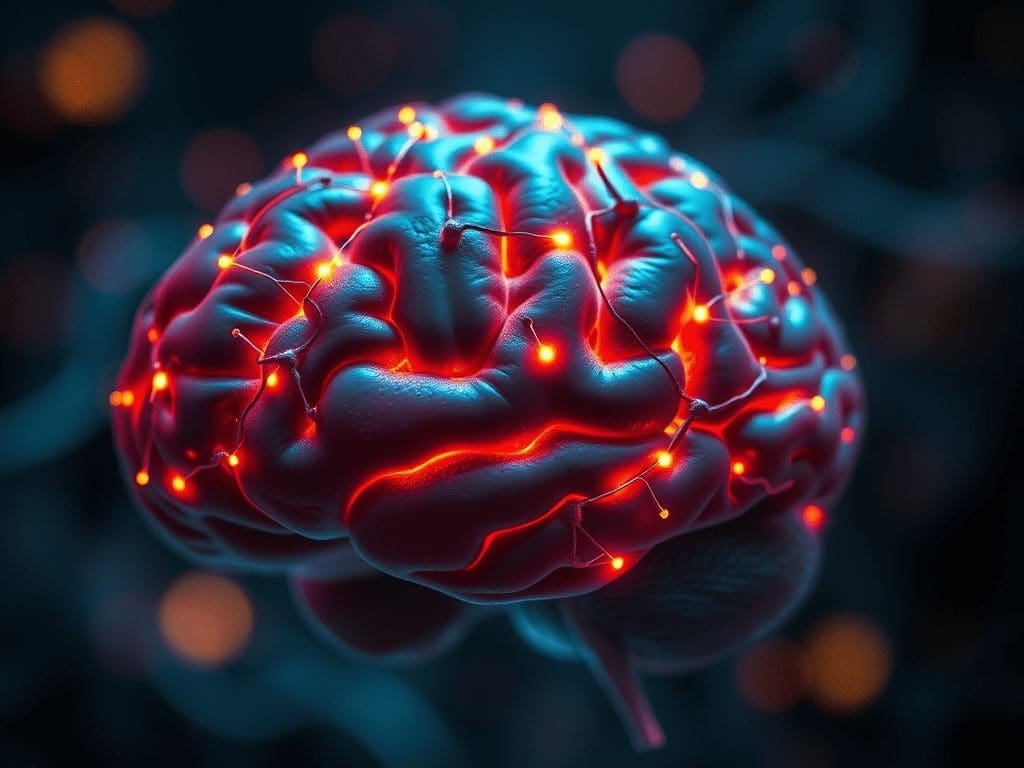


Our brain is like a complex network, composed of billions of interconnected nerve cells called neurons. These neurons communicate with each other through connections called synapses, which allow the transmission of information in the form of electrical and chemical signals. But what happens when the brain needs to learn something new or adapt to its environment? This is where synaptic plasticity comes into play.
Synaptic plasticity refers to the ability of synapses to change their strength or efficiency in transmitting signals. It is the fundamental mechanism underlying learning, memory formation, and even recovery after brain injuries. Without synaptic plasticity, our brains would be stagnant, unable to acquire new knowledge or adapt to changes in the world around us.
There are two main types of synaptic plasticity: long-term potentiation (LTP) and long-term depression (LTD). LTP strengthens the connection between neurons, while LTD weakens it. Both processes are critical for the brain’s ability to store information and modify its structure.
When we learn something new, like a new skill or a new fact, LTP enables the synapses involved in that learning process to become more efficient at transmitting signals. It is like strengthening a pathway in the brain, making it easier for information to flow through and for that specific memory to be retained. This is why consistent practice is crucial for skill acquisition – it reinforces the synaptic connections involved in that skill.
On the other hand, LTD plays an essential role in sculpting the brain’s connections. While LTP strengthens synapses, LTD weakens them. This process is necessary for the brain to eliminate unnecessary connections and refine its network. It allows the brain to adapt to changes in the environment, forget irrelevant or outdated information, and make room for new memories and skills.
Synaptic plasticity is not only important for learning and memory but also for recovery after brain injuries or diseases. When a brain region is damaged, nearby neurons can undergo changes in synaptic strength to compensate for the lost function. This remarkable ability of the brain to rewire itself, called neuroplasticity, relies on synaptic plasticity to create new connections and restore functionality.
Understanding synaptic plasticity has far-reaching implications in neuroscience and medicine. Researchers are studying how drugs or interventions could modulate synaptic plasticity to enhance learning and memory or alleviate cognitive deficits associated with neurological disorders such as Alzheimer’s disease or autism.
In conclusion, synaptic plasticity is a fascinating phenomenon that allows our brains to learn, remember, and adapt. It provides the flexibility needed for our brains to constantly change and grow, sculpting connections and shaping our knowledge and abilities. As we continue to unravel the mysteries of synaptic plasticity, we pave the way for new therapies and interventions that could potentially enhance our cognitive abilities and improve lives for those affected by brain disorders.
Share this:

You Might Also Enjoy Reading