
In our modern society, it is hard to escape the constant barrage of advertising and marketing that bombards us from all angles. From television commercials to social media influencers, we are constantly being told what we need and what will make us happy. But have you ever stopped to consider how this mass desire is manufactured and why it is so prevalent in our culture?
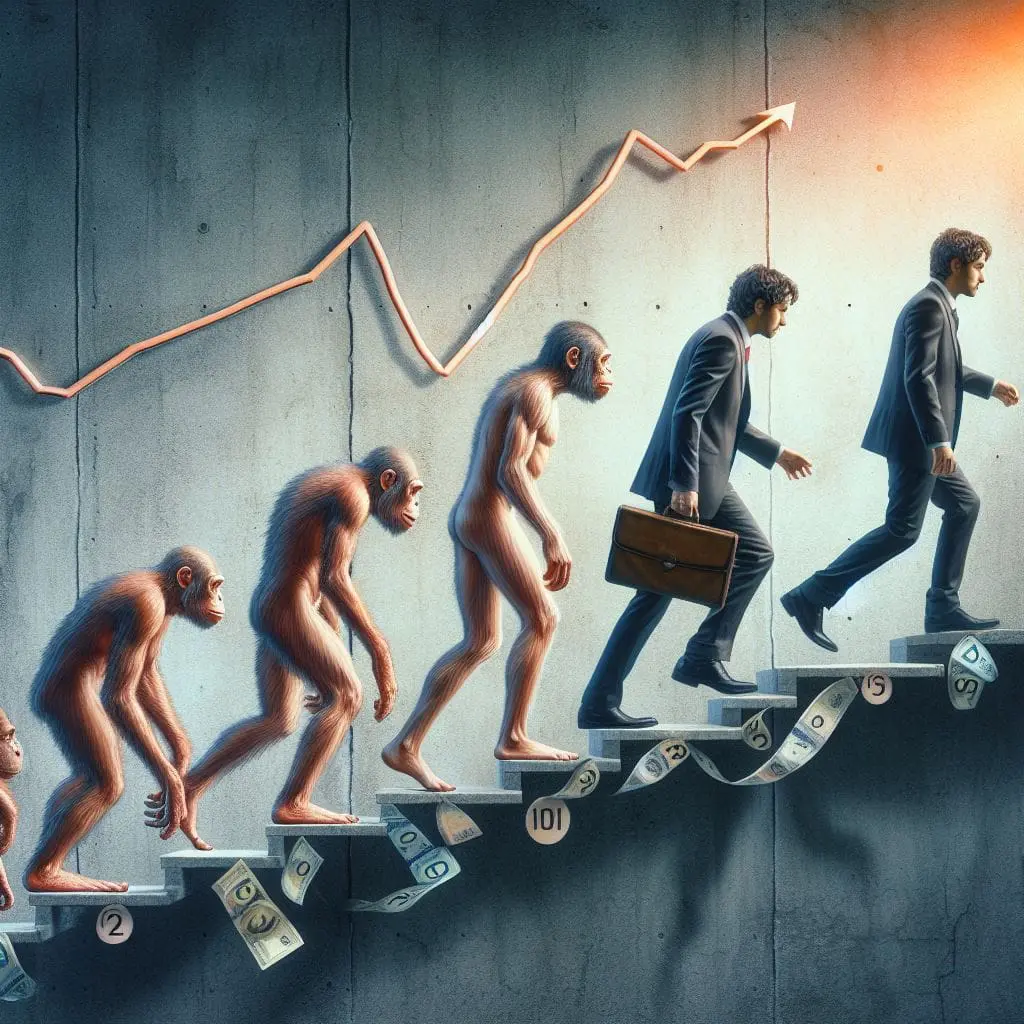
The concept of the culture industry, coined by theorists like Theodor Adorno and Max Horkheimer in the 1940s, suggests that mass media and popular culture create and perpetuate desires in the masses in order to generate profit for the ruling class. This idea is rooted in the belief that capitalism relies on creating a constant need for goods and services in order to sustain itself.
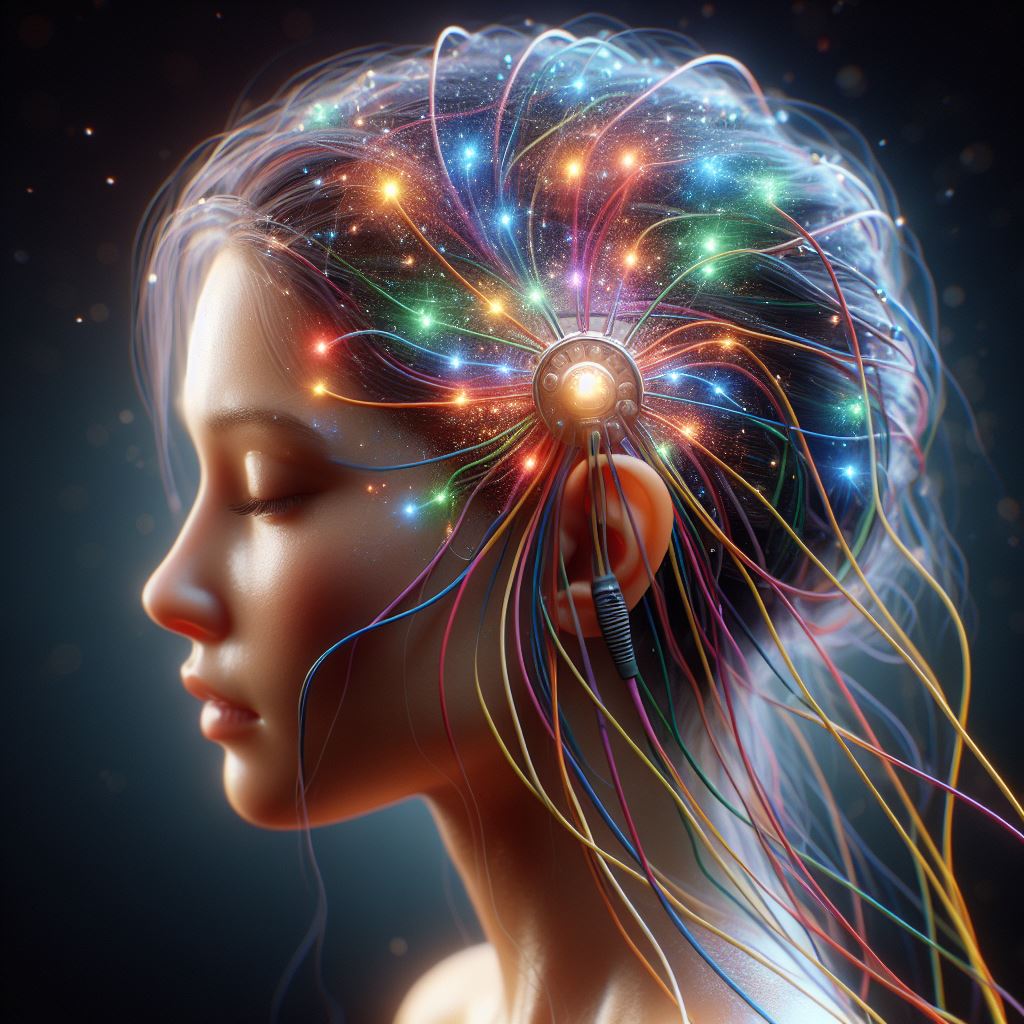
One of the key mechanisms of the culture industry is the creation of artificial needs and desires through advertising and marketing. By bombarding consumers with images of perfection and happiness that can only be achieved through the purchase of a particular product, companies are able to manipulate individuals into believing that they need these items in order to be fulfilled.
Additionally, the culture industry promotes conformity and homogeneity by presenting a narrow, idealised version of beauty, success, and happiness that is often unattainable for the average person. By presenting these images as the norm, the culture industry pressures individuals to conform to these standards in order to fit in and be accepted by society.
Furthermore, the culture industry perpetuates the cycle of desire through the constant production of new trends and fads that quickly become obsolete, prompting consumers to constantly seek out the next big thing in order to stay relevant and up-to-date.
So, what can we do to resist the manufactured desires of the culture industry? One approach is to become more critical consumers and to question the messages that we are being bombarded with on a daily basis. By being aware of the tactics used by advertisers and marketers to manipulate our desires, we can make more informed choices about what we truly need and value.
Ultimately, understanding the culture industry and its role in the manufacture of mass desire is crucial in order to resist its influence and reclaim agency over our own lives. By questioning the status quo and rejecting the constant pressure to consume, we can begin to break free from the cycle of manufactured desires and create a more authentic and fulfilling existence for ourselves.
Share this:

You Might Also Enjoy Reading