
Borderline Personality Disorder (BPD) is a complex mental health condition that affects approximately 1-2% of the population. Individuals with BPD often experience intense emotions, unstable relationships, and impulsive behaviours. While the exact cause of BPD is not fully understood, researchers have begun to explore evolutionary perspectives on the development of this disorder.
One evolutionary theory suggests that the traits associated with BPD may have once served a survival function in our ancestors. For example, traits such as impulsivity and emotional reactivity may have helped our ancestors respond quickly to threats in their environment. In modern society, however, these same traits can lead to dysfunctional behaviours and difficulties in relationships.
Another evolutionary perspective on BPD focuses on attachment theory. According to this theory, individuals with BPD may have experienced early childhood traumas or disruptions in their attachment relationships, leading to difficulties in forming and maintaining healthy relationships later in life. From an evolutionary standpoint, strong attachment bonds were essential for survival in our ancestors, as they provided protection and support.
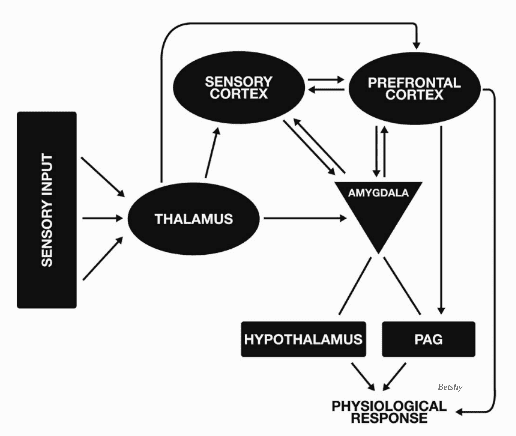
One of the key features of BPD is emotional dysregulation, which may stem from a heightened sensitivity to social cues and threats in the environment. This hypersensitivity may have once been adaptive, helping our ancestors navigate complex social dynamics and avoid potential dangers. However, in modern society, this same sensitivity can lead to difficulties in regulating emotions and forming stable relationships.
It is important to note that evolutionary perspectives on BPD are still in the early stages of research, and more studies are needed to further explore these theories. Additionally, while evolutionary perspectives can provide valuable insights into the development of BPD, they do not negate the importance of psychological and environmental factors in understanding this complex disorder.
Overall, understanding the evolutionary origins of BPD can help us gain a deeper insight into the underlying mechanisms of the disorder and inform more effective treatment strategies. By taking a holistic approach to understanding BPD, we can better support individuals struggling with this condition and improve their quality of life.
Share this:

You Might Also Enjoy Reading